Athens feels different after dark. This 2.5-hour walking tour at 8:00 pm turns central Athens into a night-time story you can actually follow, with photo stops and real street atmosphere. I especially like the small-group feel (max 10) and the way the guide stitches together what you’re seeing with Greek myth, politics, and city life. One thing to consider: you will walk a fair bit, so it’s best if you’re comfortable with evening strolling and uneven sidewalks.
The route is built around classic neighborhoods, but the timing is the trick. You start near Syntagma, drift through the whitewashed lanes of Anafiotika, then wind into Plaka and Monastiraki while the streets light up and the crowds feel more relaxed than midday. Guides named in reviews like Spyros, Kiki, Jenny, Natalie, and Thodoris are repeatedly praised for clear explanations and pacing, so you’re not just passing landmarks.
If you want a quick checklist of famous sites with zero context, you might find this too story-focused. But if you want Athens to make sense fast, this tour is one of the best ways to do it in a single evening.
In This Review
- Key highlights you’ll feel right away
- Night Walk Value in Athens: what $56.68 buys you
- Finding the meeting point near Mitropoleos 6-8
- Stop 1: Syntagma Square after dark and the meaning behind the guards
- Stop 2: Anafiotika’s whitewashed alleys and the island feeling
- Stop 3: Plaka’s historic heart, neoclassical streets, and snack-worthy streets
- Stop 4: Monastiraki Square as the lights take over
- Stop 5: Psirri and Thissio area—illuminated ancient ruins as your closing chapter
- Food on the walk: optional, but many people love it
- Guides make the difference: clear English, stories, and pacing
- Is this tour worth it for your Athens schedule?
- Practical tips so you get the most from the walk
- Should you book Athens by Night: Walking Tour?
- FAQ
- How long is the Athens by Night: Walking Tour?
- What time does the tour start?
- Where do I meet the tour?
- How many people are in the group?
- Is the tour offered in English?
- Are admissions or entry tickets needed at the stops?
- What food is included or available during the tour?
- Is there transportation included?
- Is the tour accessible for most people?
- Is free cancellation available?
Key highlights you’ll feel right away
- Small group (max 10) means questions get answered and the pace stays human.
- Night lighting at Syntagma and Plaka makes the same stones look new.
- Anafiotika’s alley feel is a genuine change of scenery from the city center.
- Myths, politics, and place names get connected to what you see on the street.
- Optional Greek snacks like loukoumades and pita gyros can turn the walk into a full evening plan.
- Easy orientation: you’ll know where you are and where to go next after the tour ends back at the start point.
Night Walk Value in Athens: what $56.68 buys you
You’re paying about $56.68 per person for roughly 2 hours 30 minutes of guided walking in central Athens, and the real value is less about “famous sights” and more about how you see them. Athens is a city of layers, and at night those layers blend—without a guide, it’s easy to enjoy the view and miss the meaning.
Here’s what’s included that matters: a local tour leader and a guided route with multiple stops. Most sites you’ll pass are ticket-free for this tour (admission is listed as free at each stop), so your money goes to interpretation and time on foot, not site entry fees. Optional food like loukoumades and a pita gyros can add to the experience, and many people plan the rest of their night around that first taste of street food.
Group size matters too. With a maximum of 10 travelers, you’re not fighting a crowd for the next photo spot or listening from the back. Reviews repeatedly name guides such as Spyros, Kiki, Jenny, Natalie, and Thodoris, and the pattern is consistent: the explanations are clear, and the leader makes time for questions and small moments on the street.
Finding the meeting point near Mitropoleos 6-8
This tour starts at 8:00 pm and ends back at the same meeting point. You meet at Mitropoleos 6-8, Athina 105 63, Greece, near public transportation, so it’s easy to pair with a dinner nearby before or after.
Practical tip: arrive a few minutes early. In city centers, meeting points can get busy right at start time, and you’ll want to settle in before the leader gathers the group. Also, wear shoes you’d trust for evening walking. Even when the pace is comfortable, Athens sidewalks can be uneven and you’ll be on your feet for most of the 2.5 hours.
The tour is offered in English, and the “most travelers can participate” note is your hint that this isn’t presented as a hardcore trek. You’ll still feel the walking, but it should be manageable for people who can handle a normal sightseeing pace.
Stop 1: Syntagma Square after dark and the meaning behind the guards
You begin at Syntagma Square, and the early part of the walk is a smart move. Syntagma is a landmark of modern Athens, but the real payoff is how a good guide connects it to the country’s identity and daily ceremony. Even if you’re already familiar with the general idea, the tour time and guide commentary help it click.
From this start, you also get the sense of the city’s rhythm at night. Street life is there, but it’s not as intense as daytime rush. That makes it easier to take a moment, look around, and start absorbing the story of Athens as you head into older neighborhoods.
One consideration: your first stop is listed at about 10 minutes, so it’s not designed for a long hang-out. Think of it as an orientation landing spot, not a deep museum moment.
Stop 2: Anafiotika’s whitewashed alleys and the island feeling
Next you head into Anafiotika, one of those places where Athens suddenly feels smaller and more personal. The area is known for its charming alleys and whitewashed houses, and the effect at night is especially good: the lanes feel like a quick escape, like you’ve turned a corner and landed on an island street.
This stop is about 30 minutes, which gives you enough time to slow down and actually wander rather than just pose for a photo and move on. You’ll likely notice how the atmosphere changes from open squares into tight lanes. That contrast is part of what makes this tour worthwhile—your eyes learn the city’s geography by moving through it.
Practical tip: Anafiotika is great for pictures, but you’ll want to keep your footing. Narrow streets can mean uneven ground, and at night that’s harder to judge. Take it slow, especially if you’re coming from a brighter, wider area like Syntagma.
Stop 3: Plaka’s historic heart, neoclassical streets, and snack-worthy streets
Then it’s on to Plaka, the historic heart of Athens. Plaka is famous for narrow streets, neoclassical buildings, tavernas, and small shops, and at night it feels like the city is talking to you instead of rushing past.
This stop is also about 30 minutes, so you can enjoy the streets without feeling trapped in a checklist. The best guides use Plaka to connect bigger themes—like how power, myth, and city planning show up in the streets you’re walking. In reviews, guides like Spyros and Kiki are praised for making those connections with stories and explanations that go beyond simple dates.
If you like food, this is where your senses start negotiating. Even if you choose not to add the optional treats later, Plaka is full of tempting aromas and people eating outside. The tour timing helps because you’re walking through the atmosphere rather than arriving when everything is closed or too crowded to enjoy.
One drawback to consider: Plaka can be busy. At night it may feel easier, but it still means you’ll want to stay aware when crossing small streets and stepping out of shop fronts.
Stop 4: Monastiraki Square as the lights take over
After Plaka, you move toward Monastiraki Square, with the tone shifting again as the sun sets fully. The itinerary lists about 15 minutes here, which tells you what this stop is really for: a quick hit of the neighborhood’s energy and a visual payoff of Athens lit up.
Monastiraki is lively, and that’s exactly why the stop makes sense. You get a sense of what the city looks like when it’s turning on its evening face—shops, movement, and the kind of hum that makes people stay out longer.
Practical tip: use this segment for photos and to reset your bearings. When you come into Monastiraki after a slower stroll through Anafiotika and Plaka, the open square can feel like a breather.
The short duration is the only real tradeoff. If you love Monastiraki, you’ll want to extend your evening afterward on your own.
Stop 5: Psirri and Thissio area—illuminated ancient ruins as your closing chapter
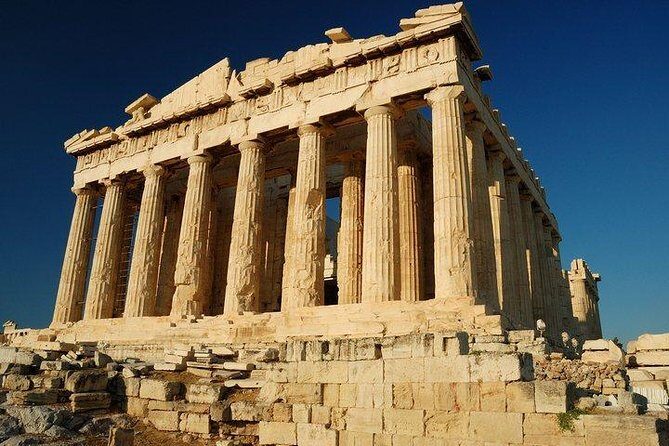
The final portion takes you into the area around Psirri and Thissio, where illuminated ancient ruins create a memorable backdrop. This is the part of the walk where the “Athens by night” idea becomes real: it’s no longer just street scenery—it’s ancient structures glowing in the dark.
This stop is listed at 30 minutes, which helps because it’s the kind of place where you’ll naturally want to pause. The point isn’t just to look; it’s to understand what you’re seeing. Reviews often highlight how guides link myths and the city’s past to the specific corners and views you encounter, so you end with more than a postcard memory.
If you’re a first-timer, this ending is excellent for confidence. You learn where the ruins sit relative to the modern streets, and that makes it easier to plan a return visit later—maybe with a daylight tour, maybe with dinner nearby.
At the end, the tour finishes back at the meeting point on Mitropoleos, so you’re not left stranded across town with no plan.
Food on the walk: optional, but many people love it
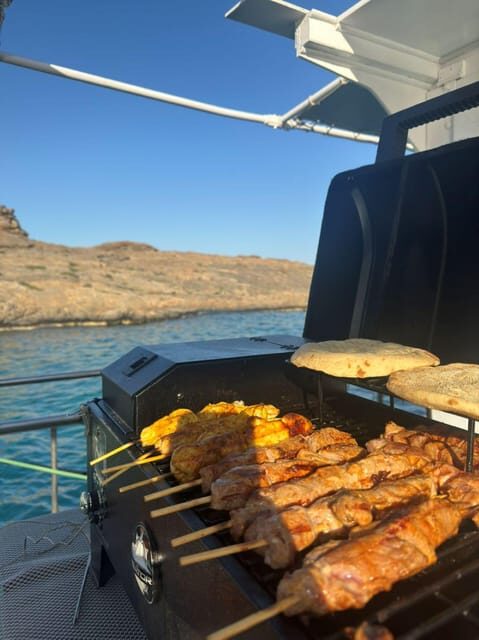
The tour can include Greek snacks, and optional add-ons are listed clearly: loukoumades (Greek honey-soaked doughnuts) and a freshly made pita gyros (meat or vegetarian option). Reviews also mention souvlaki alongside gyros, and the overall impression is that the food hits the practical goal: it tastes good, it gives you energy, and it makes the night feel like more than walking.
Here’s how to think about it for value: paying for a guided food moment inside a walking tour can be smart because you’re getting a trusted bite right in the flow of the evening. You don’t have to hunt for something that’s open, in a good location, and likely worth the price.
If you’re deciding whether to add the optional food, consider this: the tour is short enough that a single meal can easily turn into a long sit-down. The optional items are designed to keep you moving and still feel like you ate like you’re in Greece.
Guides make the difference: clear English, stories, and pacing
One of the strongest signals from the reviews is guide quality. Names like Spyros and Kiki show up again and again, with comments about clear spoken English, strong history and mythology stories, and a willingness to answer questions. Other names you’ll see in reviews include Jenny, Natalie, and Thodoris.
What matters for you is not who the guide is by name, but what that pattern means for the tour experience. This isn’t a “walk from A to B” situation. The leader explains what you’re seeing, and they do it in a way that supports questions. People also mention the pace is manageable and there are stops for photos, which is a big deal when you’re walking through multiple neighborhoods.
Also, note the rain comment: one review mentions the guide continued the tour even with very heavy rain. That’s not something you can promise on every night, but it hints at a leader who knows how to keep the experience moving.
Is this tour worth it for your Athens schedule?
At 2.5 hours, this tour is a great first-night plan, especially if you’re trying to get oriented. Reviews also suggest taking it earlier in your trip. That advice makes sense because after one guided walk, you can start picking your own routes with confidence.
It’s also a strong option if you want a city break from museum time. Athens has plenty of indoor history, but seeing neighborhoods at night helps you understand how the city actually functions when people are out and about.
Who it suits best:
- First-time visitors who want quick orientation
- People who enjoy street-level stories and mythology
- Small groups or couples who like asking questions
- Anyone who wants a food moment without committing to a long dinner plan
Who might skip it:
- If you want a strict “must-see monuments only” itinerary with no wandering
- If you dislike nighttime walking or already have a packed evening with food elsewhere
Practical tips so you get the most from the walk
A few small choices can make this tour feel smoother.
- Bring a camera-ready mindset. Night lighting makes it easy to take good photos, but you’ll want to pause when the leader stops.
- Expect walking time between stops. Even with frequent short breaks, this is still a walking tour, not a hop-on bus ride.
- If you have dietary needs, the optional gyros are listed as meat or vegetarian, so you can plan for that when deciding on the optional add-on.
- Wear shoes you trust for uneven pavement. It’s the one “comfort variable” you control.
And if you’re doing this on a short trip, treat it like your Athens map. After the tour, you’ll know the zones well enough to choose where you want your second night.
Should you book Athens by Night: Walking Tour?
If your goal is to understand Athens fast, this is a strong pick. The mix of Syntagma, Anafiotika, Plaka, Monastiraki, and the Psirri/Thissio ruins area gives you a well-rounded sense of the city, and the small-group limit helps keep it personal.
The value is strongest if you like stories—myth, history, and the meaning behind ceremonies and place names. If you just want photos with no explanation, you may feel the time is a bit “talk-heavy.” For most people, though, that interpretation is the whole point.
One final reason to book: the tour ends where it starts, with a short, clear evening framework at 8:00 pm. That’s not just convenient. It keeps your night flexible, so you can decide what you want next instead of planning from scratch.
FAQ
How long is the Athens by Night: Walking Tour?
The tour is about 2 hours 30 minutes.
What time does the tour start?
It starts at 8:00 pm.
Where do I meet the tour?
The meeting point is Mitropoleos 6-8, Athina 105 63, Greece.
How many people are in the group?
The tour has a maximum of 10 travelers.
Is the tour offered in English?
Yes, it’s offered in English.
Are admissions or entry tickets needed at the stops?
Admission tickets are listed as free at each stop.
What food is included or available during the tour?
Optional Greek snacks may be offered, including loukoumades (optional) and one freshly made pita gyros per person with meat or vegetarian option (optional).
Is there transportation included?
Hotel pickup and drop off are not included.
Is the tour accessible for most people?
Most travelers can participate, and it’s described as a walking tour.
Is free cancellation available?
Yes. You can cancel up to 24 hours in advance for a full refund.