Come hungry to Athens. This 3.5-hour evening walk strings together the city’s food favorites with local context, moving between Monastiraki’s classic sights and the colorful Psiri side of town. I love the huge portions, which often feel more like dinner than a set of samples.
I also like how the stops turn food into a real Athens story, from a Greek coffee demo with fortune reading to explanations of how Orthodox fasting shaped everyday meals. One possible drawback: the tour includes food tastings, so if you have severe or life-threatening allergies, this may not be the right fit.
In This Review
- Key things to know before you go
- A 3.5-hour Athens food walk that feels like dinner
- Where you start, where you end, and how to plan your evening
- Stop 1: Ifestou 20 for Greek coffee, rose-petal spoon sweet, and old-school vibes
- The mural square and the street-side history behind modern Athens
- Stop 2: Bougatsadiko Psirri for handmade pies baked on the spot
- Learning the Orthodox food rhythms on Athens’ oldest pedestrian street
- Stop 3: Έντεκα where you make your own gyros (pork or chicken)
- A 24-hour Central Market shop for dried fruits and ancient roots
- Stop 4: Zarkadian Delicatessen for cheese, cured meats, wine, and Greek spirits
- Stop 5: LUKUMAΔΕΣ for authentic Greek donuts with honey and cinnamon or chocolate
- What the best guides do (and why names like Sophia, Blossom, Zoi, and Christina matter)
- Value check: is $101.58 a good deal?
- Who this tour suits best (and who should think twice)
- Quick FAQ for planning your Athens food night
- FAQ
- How long is the Eating Athens food tour?
- How much does the tour cost?
- Where do I meet, and where do I end?
- What’s included in the price?
- Is the tour in English?
- What’s the group size?
- Can the tour accommodate dietary needs?
- Are kids allowed?
- Should you book this Athens food tour?
Key things to know before you go
- Meal-sized tastings that leave you properly full, not nibbling
- Greek coffee fortune reading plus a spoon sweet made with rose petals
- Hands-on gyros (you wrap your own) with beer and classic sauces
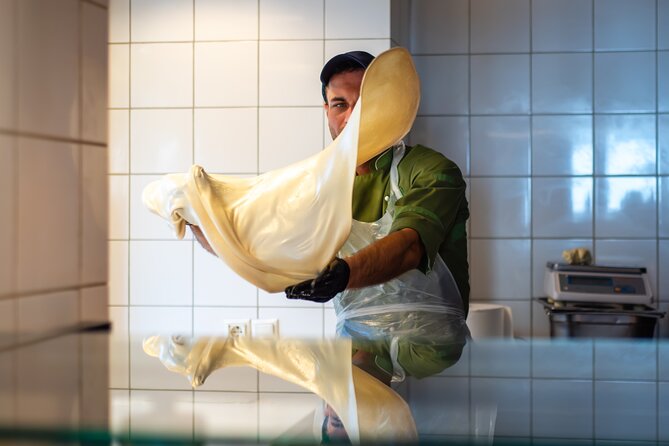
- Handmade pies baked on the spot at a long-running bakery
- Family-run food stops with wine and Greek spirits included at the charcuterie stop
- Small group size (max 12), so you’re not lost in a crowd
A 3.5-hour Athens food walk that feels like dinner
This tour is priced at $101.58 per person and runs for about 3 hours 30 minutes. For Athens, that’s a fair number when you factor in the pace and the amount of food you’re served along the way. You’re not just watching other people eat. You’re doing, tasting, and comparing flavors across multiple places.
I like that it happens in the evening, when Athens feels calmer. The tour also keeps you moving at an easy walking rhythm, which matters when you’re eating as you go. The group stays small (up to 12 travelers), and it’s in English with a local guide.
One more practical point: it’s popular enough that people often book ahead. On average, this is reserved about 67 days in advance, so if you’re traveling in peak season, don’t wait until the last minute.
Where you start, where you end, and how to plan your evening
You’ll meet at Platia Monastirakiou (Pl. Monastirakiou, Athina 105 55) and finish at LUKUMAΔΕΣ (Eolou 21 & Aghias Irinis Str, Athina 105 51). That matters because you can treat this tour as your “evening anchor.” It’s the kind of plan that helps you get your bearings fast, then decide what to do afterward.
Because you’re finishing at LUKUMAΔΕΣ, it’s smart to keep your schedule light after the tour. You’ll likely already be through dessert by the end. If you’re the type who needs a late-night snack, you’ll still find room, but you probably won’t need a full sit-down meal right away.
Also note what’s not included: tips, hotel pickup/drop-off, and extra drinks. Most of the core drinks connected to tastings are included in the stops (you’ll see beer and wine/spirits along the route), but if you order beyond what’s part of the tasting, you’ll pay.
Stop 1: Ifestou 20 for Greek coffee, rose-petal spoon sweet, and old-school vibes
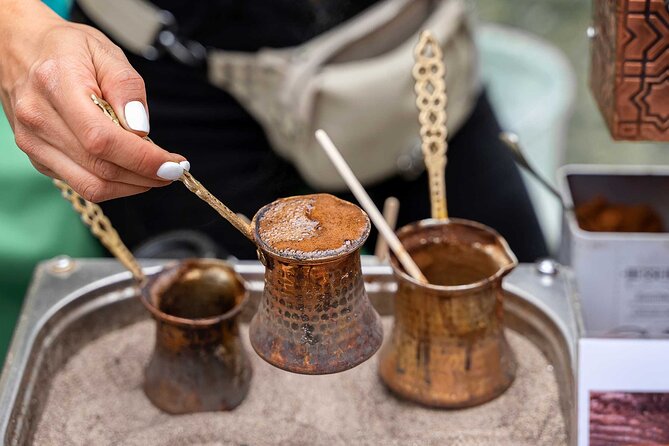
Your first real taste of Athens happens at Ifestou 20, inside a small gallery that also houses the city’s oldest record store. The setting feels intentionally low-key: family-run, tucked away, and more like a local hangout than a staged food stop.
Here’s what you’ll do:
- Watch a Greek coffee demonstration
- Learn how to read your fortune from the cup
- Taste a delicate spoon sweet made from rose petals
This stop works well because it sets the tone for the whole night. You start with a drink that’s part ritual, part flavor lesson. Greek coffee is strong, not shy, and the fortune reading adds a fun layer without turning it into a gimmick.
Time on this stop: about 30 minutes, and admission is listed as free for this part.
The mural square and the street-side history behind modern Athens
Between food stops, you’ll step into the local neighborhood texture of Athens. One quick stop centers on a small square marked by a striking mural. The point isn’t just to look. You’ll learn about the area’s history and Athens’ graffiti scene, especially in an older district once tied to trades like furniture, leather goods, construction materials, and metalwork.
That might sound like a break from eating, but it’s actually useful. Athens can feel layered: ancient ruins nearby, and then very modern street life around you. This kind of stop helps you place what you’re seeing while you’re already learning how Greeks think about food, tradition, and community.
Stop 2: Bougatsadiko Psirri for handmade pies baked on the spot
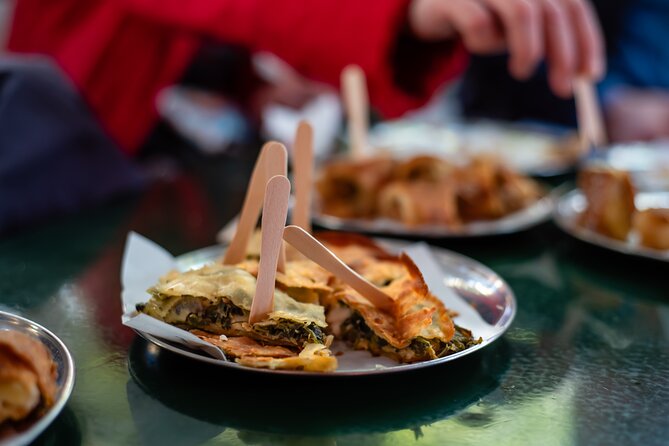
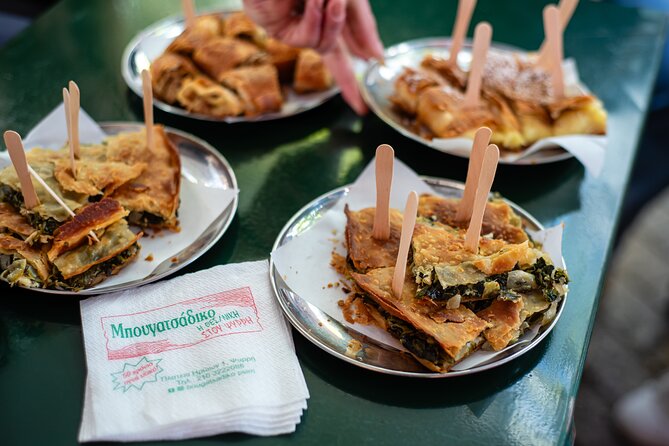
Next up is Bougatsadiko Psirri, one of the few bakeries that still makes handmade pies from scratch, baked on the spot. This is where the tour earns its “big, fat” reputation in a very practical way. You’re tasting both sweet and savory options, and you’ll get the crispy bite of phyllo paired with bougatsa-style dough.
What you might try:
- Fillings like spinach and cheese
- Meat options
- Custard for the sweet side
Time on this stop: about 20 minutes, and admission is free for this part.
I like this stop because it gives you a baseline. Once you’ve tasted one of these classic pie styles here, it’s easier to recognize what you’re seeing later around town. You’ll also understand why Greek pastry feels both comfort-food and street-food at the same time.
Learning the Orthodox food rhythms on Athens’ oldest pedestrian street
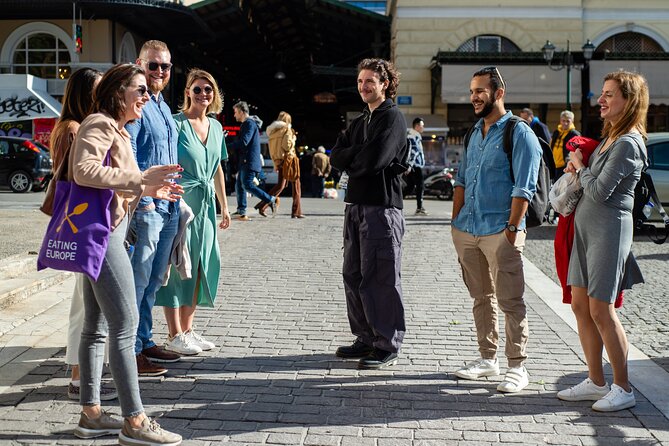
After the pies, you’ll stroll along a historic pedestrian street lined with cafés, eateries, fabric shops, and churches. The guide ties the area to how Orthodox traditions, fasting practices, and olive-oil–based lenten foods influenced daily meals.
This part matters because Greek cuisine isn’t only about what’s popular today. A lot of the flavor logic comes from what people could eat at different times of year and different religious seasons. When you hear that explanation in the context of a street you can walk, it sticks better than a textbook summary.
It’s also a nice pacing reset. You’ve had something warm and savory (and maybe sweet), so this stretch gives you time to breathe while the guide connects food to place.
Stop 3: Έντεκα where you make your own gyros (pork or chicken)
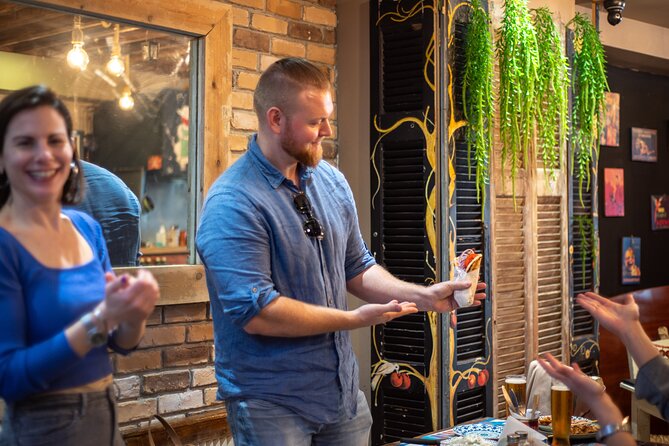
Now you hit the hands-on centerpiece. At Έντεκα, you’ll savor a classic Greek dish and make your own gyros, choosing pork or chicken. You’ll get it served on warm pita bread with the flavors that define the dish, including tzatziki sauce. You also get a Greek beer with this stop.
Time on this stop: about 30 minutes, and admission is included.
What I like about this format is that it turns you from a spectator into a participant. You’re not just eating. You’re assembling. That makes you pay attention to how the ingredients work together. After a tour like this, ordering a gyro on your own feels easier because you know what matters and what’s likely to be different from place to place.
A 24-hour Central Market shop for dried fruits and ancient roots
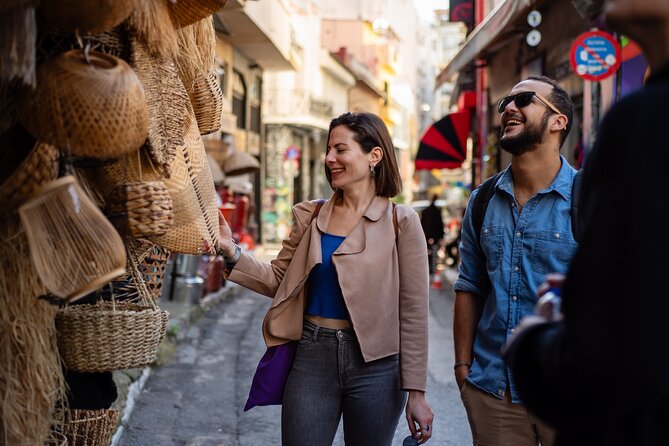
Next you’ll visit a 24-hour shop by Athens’ Central Market, open since 1886. This is a tasting-style stop that focuses on local pantry staples: dried nuts, figs, raisins, and other products with deep roots.
Even if you don’t think you’re a dried-fruit person, this can change your mind because the flavors are concentrated and simple. In Athens, a lot of snacks don’t chase sweetness. They balance it with texture and roasting notes. It’s also a reminder that Greek food isn’t only about “fancy plates.” A working city needs grab-and-go staples.
Stop 4: Zarkadian Delicatessen for cheese, cured meats, wine, and Greek spirits
At Zarkadian Delicatessen, you step into a family-owned market where the tastings are built around charcuterie-style boards. Expect three types of Greek cheese and cured meats, served with pairings that include white and red wine plus traditional Greek spirits.
Time on this stop: about 30 minutes, and admission is free for this part.
This is one of the stops that makes the price feel real. You’re getting a structured tasting, not a random bite. And because it’s charcuterie, you can compare flavors across items quickly: salty, creamy, fatty, smoky, sharp. That’s a useful skill when you later shop at markets or pick a snack that isn’t just bread and cheese.
Practical tip: if you tend to get full fast, slow down here. The board is generous, and the wine/spirits pairings can make you feel it sooner.
Stop 5: LUKUMAΔΕΣ for authentic Greek donuts with honey and cinnamon or chocolate
You’ll finish at LUKUMAΔΕΣ (Eolou 21 & Aghias Irinis Str) for donuts that are made the Greek way: crispy on the outside, soft inside. You’ll taste them with choices like:
- Honey and cinnamon
- Chocolate
Time on this stop: about 20 minutes, and admission is free.
This dessert stop is a great ending because it’s satisfying without being complicated. After coffee earlier in the night and savory food in the middle, you’ll want something that feels clearly Greek and comforting. Donuts here hit that sweet spot: crunchy edges, tender center, and flavors that aren’t trying too hard.
What the best guides do (and why names like Sophia, Blossom, Zoi, and Christina matter)
Good food tours can become a checklist. This one tends to do the opposite. Guides like Sophia, Blossom, Zoi, Christina, and Kristina are often praised for explaining how the pieces connect: food preparation, neighborhood identity, and why certain flavors show up again and again.
Here’s what you’ll feel if your guide is doing their job right:
- You understand what you’re eating, not just that it tastes good
- You know how religious fasting and daily routine influenced menus
- You leave with practical memories, like how to recognize a pie type or what a proper gyro build tastes like
That’s also why many people use this as a first-night tour. You come away with a mental map of where you’d return later.
Value check: is $101.58 a good deal?
For $101.58, you’re paying for more than ingredients. You’re paying for:
- Multiple stops with hands-on food (gyros)
- A Greek coffee demonstration with fortune reading
- Handmade pies baked fresh
- A charcuterie tasting with cheese, cured meats, wine, and Greek spirits
- A final donut stop
You’re also paying for time. This tour saves you the work of figuring out where to go and what to order. In Athens, that’s not trivial. Some neighborhoods look great but are full of places aimed at tourists. A guide helps you land at spots that locals use, often family-run, and the tour pacing keeps you from spending your whole night searching for your next bite.
If you’re the kind of traveler who already plans to eat a lot on your own, you might feel like the tour includes “too much.” But if you want a structured evening with plenty of variety, this price usually feels fair.
Who this tour suits best (and who should think twice)
This tour is a great match if you:
- Want to eat your way through Monastiraki and Psiri
- Like guided walks where food explains the city
- Want a first-day or first-night plan that helps you decide what to return to
- Enjoy meeting other people in a small group while you snack and sip
Think twice if you:
- Have severe or life-threatening food allergies (the tour notes it isn’t suitable for that kind of risk)
- Want a light, low-portion experience (the tastings are clearly designed to be filling)
- Prefer a slow sightseeing pace over eating and moving
Also, keep in mind that tastings and stops can vary by day or season, so you’re not guaranteed an identical lineup every night. The good news is the tour promises a satisfying spread of Greek flavors regardless.
Quick FAQ for planning your Athens food night
FAQ
How long is the Eating Athens food tour?
It runs for about 3 hours 30 minutes.
How much does the tour cost?
The price is $101.58 per person.
Where do I meet, and where do I end?
You start at Platia Monastirakiou in Athens and end at LUKUMAΔΕΣ on Eolou 21 & Aghias Irinis Str.
What’s included in the price?
You get a Greek coffee demonstration with fortune reading, tastings including sweet and savory pies and Greek donuts, a make-your-own gyros experience with beer, and other food stops on the route. Local English-speaking guide and Food & the City insider tips are included.
Is the tour in English?
Yes, it’s offered in English.
What’s the group size?
The tour has a maximum of 12 travelers.
Can the tour accommodate dietary needs?
You can request accommodations for vegetarians, gluten-free guests, or other dietary needs by emailing or adding a note at booking. It isn’t suitable for guests with severe or life-threatening food allergies.
Are kids allowed?
Children under 4 can join for free, but food is not included. Paid tickets with food included are available for ages 4 and up.
Should you book this Athens food tour?
If you want your Athens evening to feel organized and delicious, book it. This is the kind of tour that does two jobs at once: it feeds you enough to skip a later meal, and it gives you context so you understand what you’re eating and why.
I’d especially book it if you’re planning to explore Monastiraki and Psiri anyway and you like the idea of Greek coffee fortune reading plus handmade pies plus a hands-on gyro build. Just make sure your food allergies are manageable, and plan to start lighter earlier in the day so you can enjoy everything without rushing.