REVIEW · CORINTH
Olive Oil Tour & Tasting with sommelier -Kalentzi, Athens daytrip
Book on Viator →Bookable on Viator
A small grove can teach you more than a shelf label. This 2-hour Olive Oil Tour & Tasting takes you from a chapel meeting spot into a working family olive orchard, where you learn how olive oil flavor starts in the trees and ends on your table.
I love the small group size (max 8). It keeps things relaxed enough to ask questions while you taste and talk. I also love that you taste with a sommelier and learn how to read the oil like a pro, not just drink it like juice. The only real drawback to consider: this isn’t for anyone with an olive oil allergy, and the tour needs good weather to run.
In This Review
- Olive Grove Walk From St. Efrem Chapel to Manaki Trees
- Tasting With Marianna: Fruitiness, Pungency, and Bitterness Explained
- Greek Meze Pairings: Making Olive Oil Part of Real Meals
- What You Learn Beyond Flavor: Health Benefits and the Mediterranean Diet Angle
- Why This 2-Hour Tour Works: Timing, Group Size, and Hands-On Value
- The Scenic and Myth Bonus: Mt. Fokas Views Add Meaning
- Who Should Book This Olive Oil Tour?
- Should You Book This Olive Oil Tour With Marianna?
- FAQ
- How long is the olive oil tour and tasting?
- Where does the tour start and end?
- Is transportation or lunch included?
- What’s included in the tasting?
- What language is the tour offered in, and how large is the group?
- Is it suitable for someone with an olive oil allergy?
Olive Grove Walk From St. Efrem Chapel to Manaki Trees
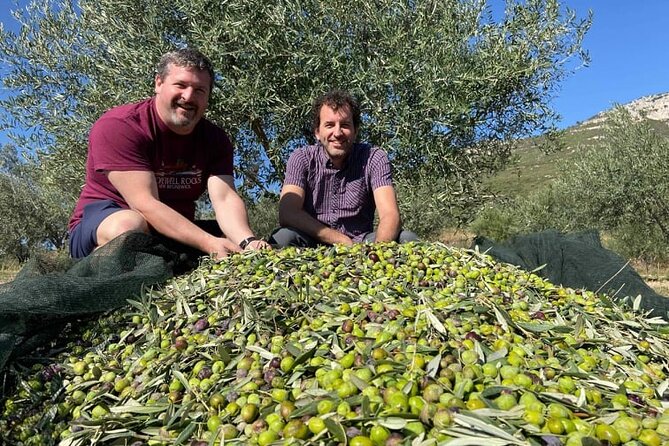
You start at the petite chapel of St. Efrem, a quiet little kickoff that immediately sets the tone: this isn’t a showroom, it’s a working family landscape. From there, you walk through a traditional olive grove with the guide pointing out how the place itself affects what ends up in the bottle.
The centerpiece is the rare Manaki olive trees. You’re not just snapping photos. You’re learning what makes these trees worth protecting and how cultivation decisions show up later in flavor. On the walk, you also hear about family history and sustainable agricultural practices. That last part matters, because olive oil quality isn’t only about pressing—it’s about how the trees are grown season after season.
What you’ll feel here is connection in a practical way. You’ll see trees, learn names and methods, and suddenly the olive oil aisle makes more sense.
One thing to watch: you’re walking in an active grove, so wear shoes you can trust on uneven ground. And if you’re expecting a quick drive-between-stops tour, this one is more hands-on and outdoorsy.
Tasting With Marianna: Fruitiness, Pungency, and Bitterness Explained
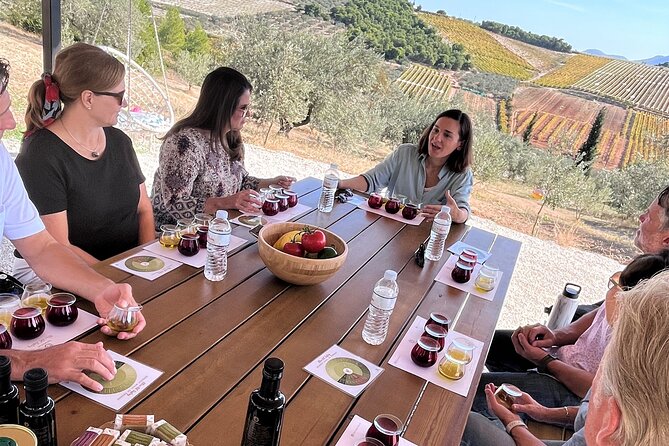
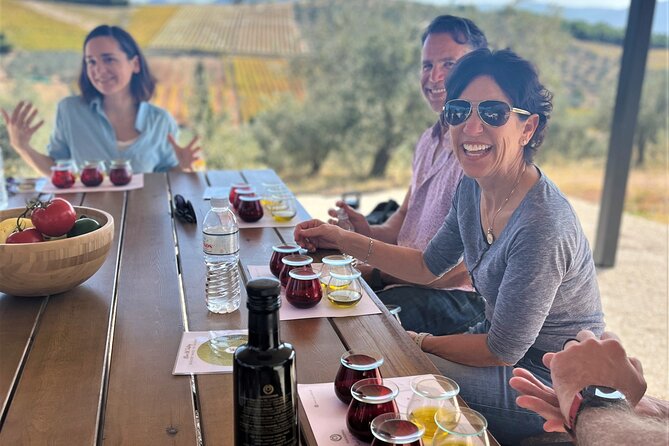
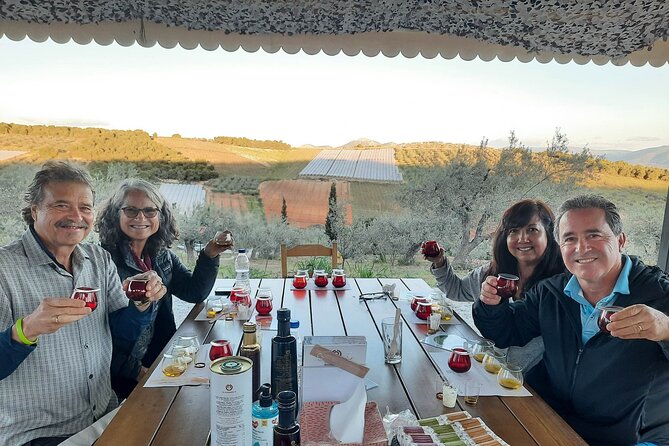
After the grove walk, you move into the tasting portion with a view of olive groves and grapes on the mythical slopes of Mt. Fokas, where the Lion of Nemea was born. That backdrop isn’t just scenic. It’s a reminder that olive oil is part of a wider Mediterranean farming rhythm.
This tasting is led by Marianna, who stands out as a clear storyteller. In the reviews, people loved how she explains everything from biological processes in the olive tree that affect flavor to the different manufacturing approaches and oil grades. You can taste the results of those decisions right away.
Here’s the tasting framework you’ll learn:
- Olive oil categories and how they’re understood
- How to taste using the basics of olive oil tasting (more than just sampling)
- How to identify the three flavor axes: fruitiness, pungency, and bitterness
- How to spot award-winning qualities and also negative traits to avoid
If you’ve ever wondered why some olive oil tastes peppery and others tastes mild, this is where it clicks. You learn that these sensations aren’t random. They’re tied to fruit type, timing, and processing choices. Even if you don’t remember every term later, you’ll remember the method—and the reason you liked one oil more than another.
A helpful detail: you also learn how to appreciate olive oil in a way that improves what you buy next time. That’s the real payoff. If you can smell and taste intentionally, you stop guessing.
Greek Meze Pairings: Making Olive Oil Part of Real Meals
The tour includes Greek flavors for olive oil food pairing—think small meze-style bites meant to show how the oil behaves with food. This matters because olive oil isn’t only a stand-alone product. It changes the way you experience salty, tangy, and savory bites.
You’ll be tasting in a “food context,” not just in a tasting-cup vacuum. You get practical ideas for how olive oil fits into everyday cooking, especially alongside Greek flavors.
What I like about this approach is that it keeps your brain from treating olive oil as a separate category. Instead, you see it as a building block. That’s why you’ll leave understanding the Mediterranean diet in a holistic way—how olive oil, food, and daily habits connect.
What You Learn Beyond Flavor: Health Benefits and the Mediterranean Diet Angle
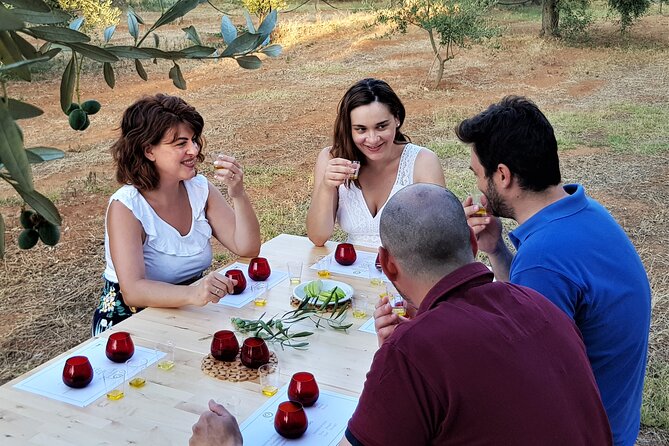
One part of the experience you shouldn’t ignore: the sommelier-led education covers the health benefits of olive oil and ties it into how the Mediterranean diet works as a whole. That’s valuable because many people only think about olive oil as taste.
In this tour, you get the practical “why” behind the ritual. You learn how the oil’s characteristics connect to better choices and why olive oil is treated as a staple rather than a luxury. Even if you already know olive oil is healthy, you’ll likely leave with a clearer mental model of what makes a high-quality oil worth paying attention to.
Also, the tour doesn’t treat health as a lecture. It’s tied back to real tasting and pairing. That’s the best way to keep the information useful instead of preachy.
Why This 2-Hour Tour Works: Timing, Group Size, and Hands-On Value
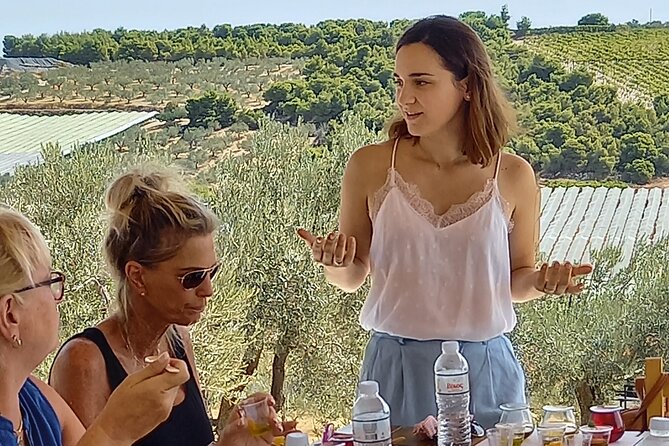
This is about 2 hours total, and it’s structured so you’re not stuck listening the whole time. You get a guided walk, then tasting, then pairing. It keeps the energy moving.
The max group size of 8 is one of the biggest value drivers. It turns the tasting into a conversation instead of a classroom. You’re more likely to get questions answered, and you can compare notes with less waiting.
The price is $96.12 per person, which can feel steep until you think about what’s included. You’re paying for:
- A private-feeling experience in a family grove
- A guide-led tasting with a sommelier approach
- Food pairing snacks
- A lesson that helps you shop better later
No private transportation is included, and lunch isn’t included. So you’ll want to plan your day accordingly. If you’re starting from Athens, factor in getting yourself to the meeting point and back. But if you’re already in the area (or plan to use public transport), the cost becomes easier to justify because you’re not paying for a whole bus ride.
Another small detail that adds comfort: this activity uses a mobile ticket, and you’ll receive confirmation at booking time. It’s the kind of logistics that reduces stress when you’re traveling.
The Scenic and Myth Bonus: Mt. Fokas Views Add Meaning
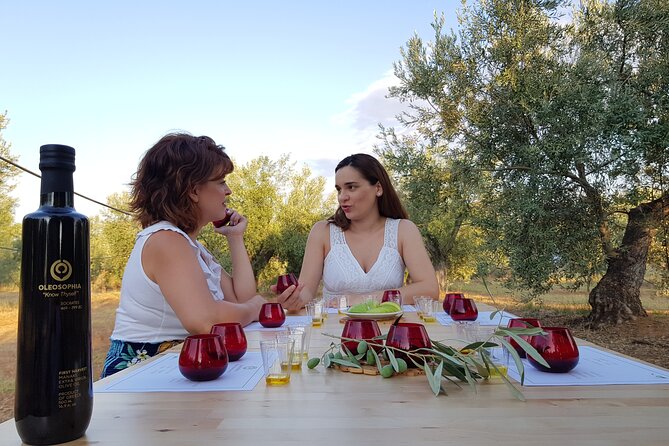
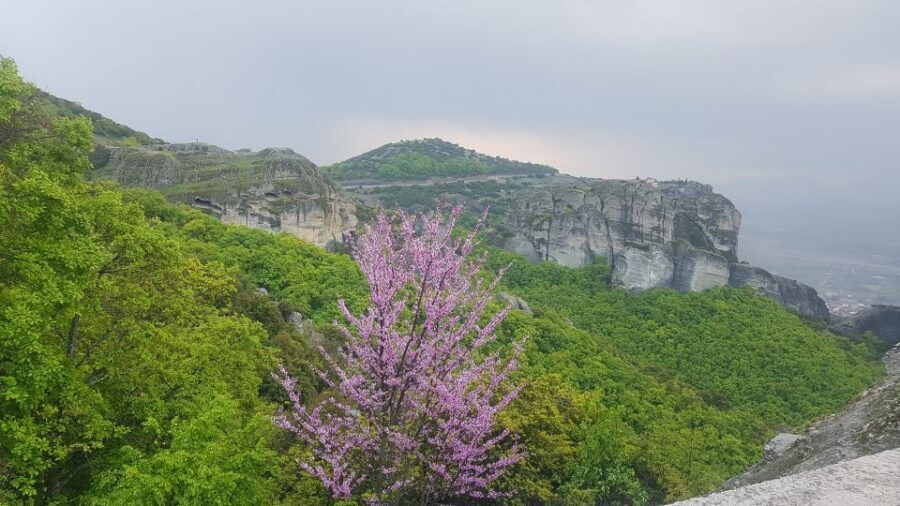
You don’t just taste with a view—you taste with a story. The tasting location overlooks olive groves and grapes on the mythical slopes of Mt. Fokas, connected to the Lion of Nemea myth.
That kind of myth framing may sound “extra,” but it helps you remember the place. When you leave, you’re not only thinking about flavor scores. You’re picturing the grove, the grapes, and the region’s agricultural rhythm. That makes the lesson stick.
Who Should Book This Olive Oil Tour?
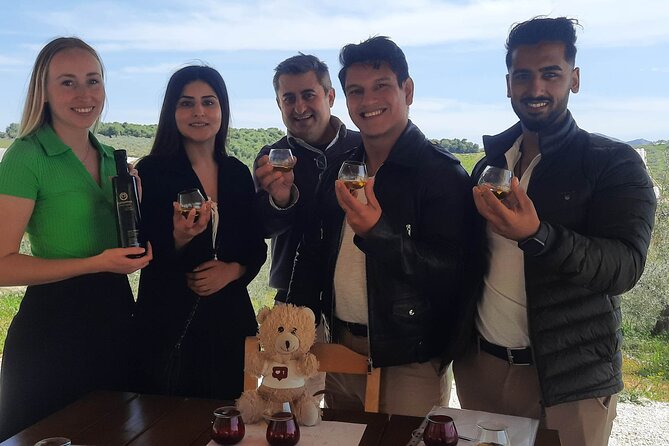
I’d especially recommend this if you:
- Want more than a casual tasting and actually want to learn tasting basics
- Enjoy food education that connects to how you’ll cook and shop
- Like small groups and hands-on walking experiences
- Travel with kids and want something that feels alive and local (reviews mention kids enjoyed it)
It may not be the right fit if:
- You need a fully seated, low-walking activity
- You have an olive oil allergy (it’s not recommended for that)
- You’re hunting for lunch or a full meal day plan (this is pairing snacks only)
Should You Book This Olive Oil Tour With Marianna?
If you care about quality—whether that’s wine, cheese, or oil—you should seriously consider booking. The strongest reason is that you’re not just tasting olive oil. You’re learning how to evaluate it: fruitiness, pungency, and bitterness, plus how to spot what you want and what you’d rather avoid.
Book it when you can pair it with a good day outdoors. The experience requires good weather, and that affects whether it runs as planned. If weather is shaky, have a backup mindset.
And if you’re the type who loves leaving with a “now I know what to buy” advantage, this tour delivers. You’ll spend $96.12 on a lesson that can save you money and guesswork later.
FAQ
How long is the olive oil tour and tasting?
The experience runs for about 2 hours.
Where does the tour start and end?
It starts at OLEOSOPHIA Olive Garden & Olive Oil Tastings, Kalentzi 200 01, Greece, and ends back at the same meeting point.
Is transportation or lunch included?
No. Private transportation and lunch are not included.
What’s included in the tasting?
You’ll have olive oil tasting plus snacks made with Greek flavors for the olive oil food pairing.
What language is the tour offered in, and how large is the group?
The tour is offered in English, and it has a maximum of 8 travelers.
Is it suitable for someone with an olive oil allergy?
No. It’s not recommended for anyone with an allergy to olive oil.
If you’d like, tell me your travel dates and where you’re staying in the Athens area, and I’ll help you think through a smooth day plan around a 10:00 am start.