REVIEW · ATHENS
Semi-Private Tour Athens to Tirana; Greece, Albania & N.Macedonia
Book on Viator →Operated by Choose Balkans · Bookable on Viator
Balkan history hits differently on the road. This semi-private route links Greece, Albania, and North Macedonia through major UNESCO stops like Delphi, Meteora, Berat, Ohrid, plus the quieter lakeside monastery of St Naum. I especially like the small group size (max 10), which keeps the day moving without feeling like cattle herding. I also like how the tour builds in real moments of your own time, such as the long stretch in Ioannina. The one drawback: it’s a packed itinerary with lots of time in the car, so you’ll want to travel light and accept that you won’t be lingering for hours at every viewpoint.
You’ll also feel the difference in organization. The tour is run by a professional leader, and in previous trips people highlighted guides like Mira for being friendly, approachable, and genuinely helpful day to day. If you’re the type who likes things handled cleanly, the booking support has been praised too, including help from Sirma and quick communication from Besa.
Last thing to know before you commit: the price is high, but it includes a lot (hotel nights with breakfast and many entry tickets). Still, lunches, dinners, and drinks are on you, so plan a food budget beyond the base rate.
In This Review
- Key things I’d plan around
- Greece’s Delphi warm-up, then straight to the rocks of Meteora
- Delphi: the Sacred Way’s greatest hits
- Meteora: monasteries on top of the earth
- Ioannina’s old town feel, then Albania’s Stone City mood shift
- Ioannina: castle walls, cafes, and a lot of wandering time
- Gjirokaster: “Stone City” energy begins
- Gjirokaster UNESCO: castle views, bazaar smells, and Skenduli House
- The castle and medieval feel
- The bazaar strip before the castle
- Skenduli House: the interior view that makes it real
- Berat’s 1001 windows: a hillside town where people still live inside history
- Old town wandering and the living castle-city idea
- Berat Castle and churches/mosques mix
- Onufri and the red pigment story
- Gorica Bridge for a calm break
- Drilon to Ohrid: the lake route that feels like a reset
- Driloni National Park: spring water and willows
- Tushemisht stop: quick nature pause
- St Naum monastery: where the Crni Drim begins
- Ohrid Lake UNESCO: churches, viewpoints, and the 365-church story
- The old city of Ohrid
- Time note and how to pace yourself
- Tirana: byrek, bazaar lanes, bicycle bazaar, and BUNK’ART 2
- Tirana intro with a local companion vibe
- Tregu Çam and the byrek breakfast plan
- Coffee culture and hidden alley neighborhoods
- Pazari i Ri: Bicycle bazaar, then New Bazaar lunch
- BUNK’ART 2: the last stop that changes the tone
- Price and logistics: what the money covers, and what it doesn’t
- Is it good value?
- Who this Athens to Tirana tour fits best
- Should you book this Athens to Tirana experience?
- FAQ
- How many people are on this tour?
- Where does the tour start and end?
- What time does the tour start?
- What’s included in the price?
- What’s not included?
- Can I cancel or change the booking?
- Is travel or health insurance included?
Key things I’d plan around
- Meteora sunset timing: monasteries on rock pillars plus that classic golden-hour view from ground level
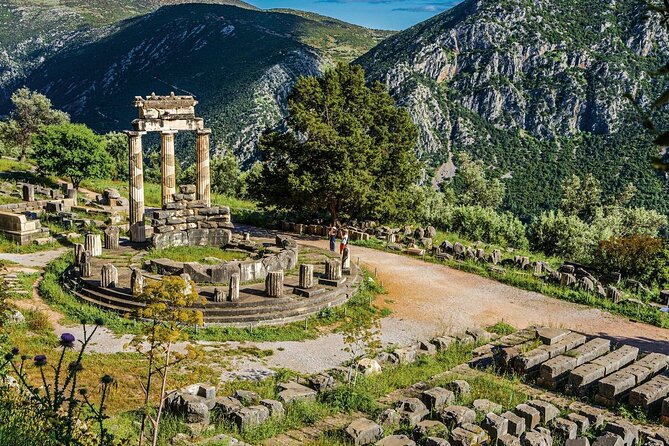
- Delphi’s best-hit classics: Temple of Apollo area, treasuries, theater, stadium, and key museum pieces
- UNESCO Berat’s 1001-window look: living old houses stacked up the hillside plus Berat Castle
- Ohrid + St Naum by the waterline: UNESCO town, plus the monastery complex at the source of the Crni Drim
- Tirana food stops that locals actually eat: byrek breakfast, Albanian coffee, qofte lunch, raki tasting
- BUNK’ART 2 as a final reality check: a former nuclear bunker turned museum
Greece’s Delphi warm-up, then straight to the rocks of Meteora
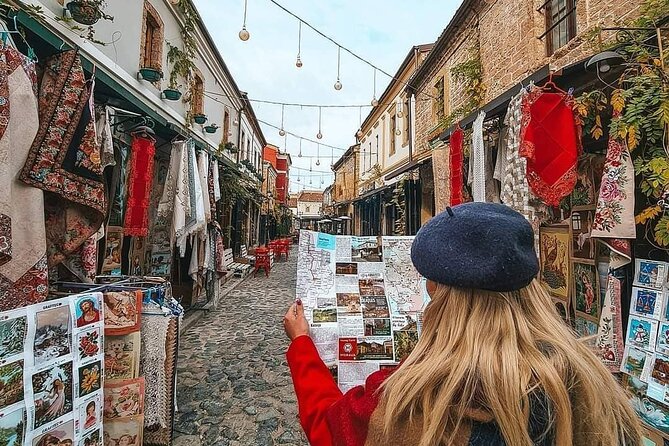
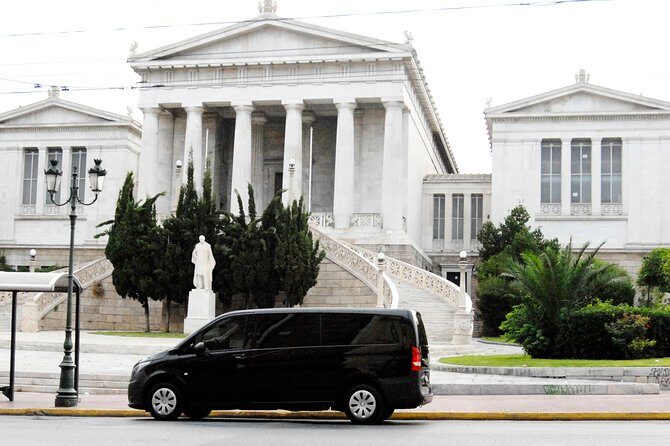
This trip starts in Athens with hotel pickup, and then it quickly throws you into the “wow” zone. You’re out on the road early, heading to Delphi first—one of those places where you can feel the layers: ancient Greek religion, politics, and art all clustered into one archaeological site.
Delphi: the Sacred Way’s greatest hits
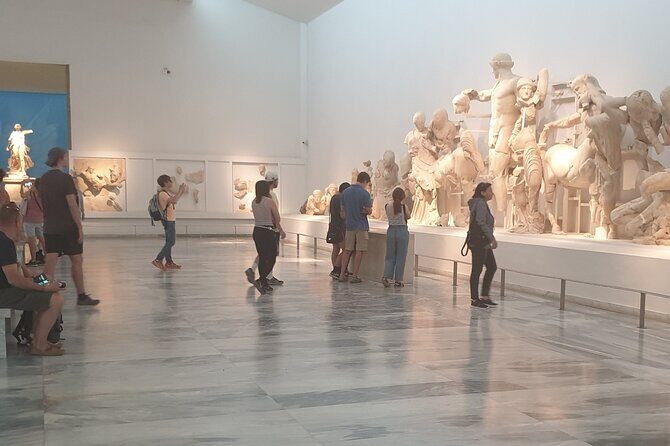
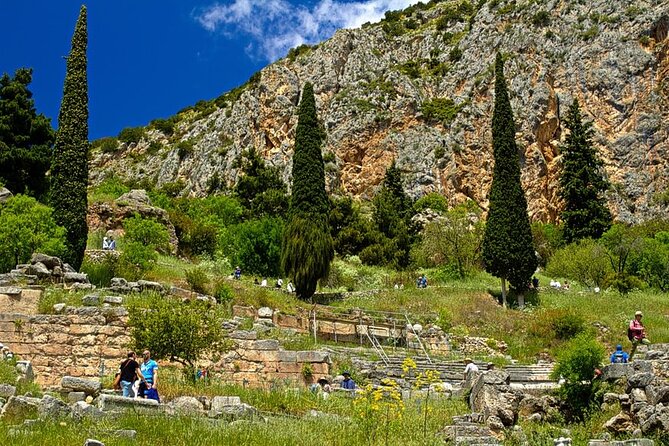
At Delphi, you’ll focus on the main monuments and structures that make the site famous: the Temple of Apollo area, the Castalian Fountain, the Treasury of the Athenians, the theater, the stadium, and the museum. The museum stop is a big deal for many people because it helps you connect what you see in ruins to real artifacts—like the bronze Charioteer and the statue of Antinoos mentioned in the program.
How to enjoy it more: wear shoes you trust. Delphi has uneven ground and lots of stone stairs. Also, treat the museum as part of the experience, not an add-on. It makes the ruins feel less abstract.
Time note: Delphi is scheduled for about 1 hour. That’s enough to see the essentials, but not enough to “read” everything. If you love details, take photos first, then slow down for a couple of core spots.
Meteora: monasteries on top of the earth
After Delphi, you drive to Meteora, another UNESCO powerhouse. Meteora’s monasteries sit on dramatic rock formations, and the program is very clear about what you’re here for: you should be ready for a major sunset. The combination of rock towers, monastery silhouettes, and a sky that changes fast is why Meteora keeps showing up on every Balkan “best of” list.
How to plan your day: sunsets can be cool, even when the rest of the day is warm. Bring a layer. Also, keep your camera accessible so you’re not searching for it while the light is moving.
Time note: the itinerary gives about 2 hours at Meteora. That should cover the main viewpoints and the sunset moment, but it won’t make you a professional Meteora hiker. Think “best views,” not “long hike.”
Ioannina’s old town feel, then Albania’s Stone City mood shift
Day 2 changes pace in a smart way: you get a Greek stop with a lived-in old town, then you move toward Albania’s more fortified vibe.
Ioannina: castle walls, cafes, and a lot of wandering time
Ioannina is known for history and old-town streets, and the tour leans into that. You’ll stroll cobbled lanes where Byzantine and Ottoman-era architecture still shows up. The itinerary includes time for both the old town walk and Ioannina Castle, which dates to the Byzantine period.
What I like here is the built-in downtime. There’s about 3 hours allocated, and the program explicitly includes free time—perfect for finding a coffee, watching locals move through the streets, and eating something small before you get into the long travel stretch toward Albania.
Gjirokaster: “Stone City” energy begins
In the afternoon you drive to Gjirokaster, Albania’s “Stone City.” Even before you enter the main sights, the tone is different. This is a town of stacked stone, narrow lanes, and houses that feel like they’re built as part of the fortifications.
Practical heads-up: Gjirokaster’s charm is partly in its streets. Expect walking on uneven surfaces and plan for steps.
Gjirokaster UNESCO: castle views, bazaar smells, and Skenduli House
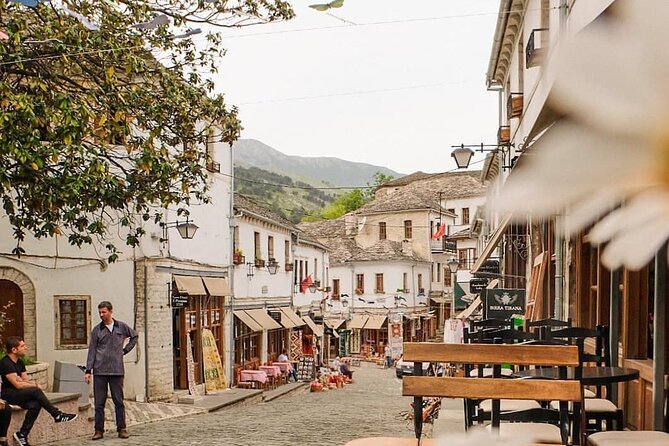
Gjirokaster is one of the strongest stops on the whole route because it gives you the “why” behind the look. It’s not just pretty stone buildings. The tour frames the town as a fortified place with a long history, starting with the castle.
The castle and medieval feel
You’ll visit Gjirokastra as a UNESCO site, centered around its castle area. The itinerary points out the castle’s origins in the 4th century A.D. and highlights how Gjirokaster is preserved compared to many similar medieval towns.
How to get the most out of it: look at the houses as you move through the town. The fort-like design is the point. When you can see how the settlement reads from above, it clicks.
The bazaar strip before the castle
Next up is the Gjirokastra bazaar area, which the program describes as medieval and atmospheric—streets cascading down a hillside, crammed with handcrafts. This is where you’ll likely get your first real hit of local shopping energy, like handmade items made by local artisans.
Tip: if you like crafts, don’t wait until the last stop. This is an earlier chance to buy before souvenirs get expensive in your head from simple fatigue.
Skenduli House: the interior view that makes it real
The itinerary includes a visit to Skenduli House, described as one of the best-preserved and authentic houses in Gjirokaster. This matters because ruins and street views can stay “outside” your experience. A preserved house helps you understand how people lived with the architecture and terrain.
Time note: Skenduli House is scheduled for about 1 hour. That’s enough for interior details and photos without turning into a museum marathon.
Berat’s 1001 windows: a hillside town where people still live inside history
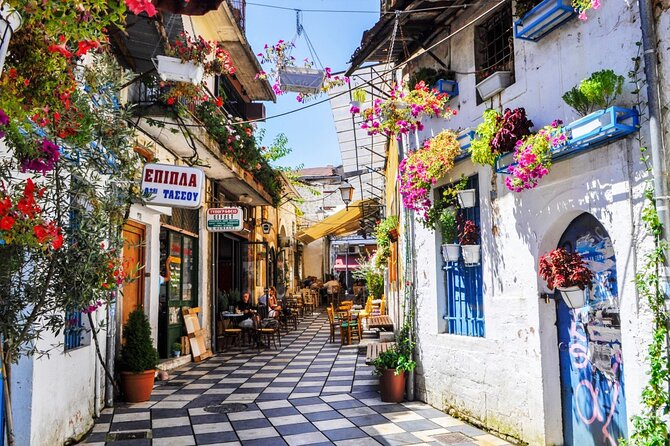
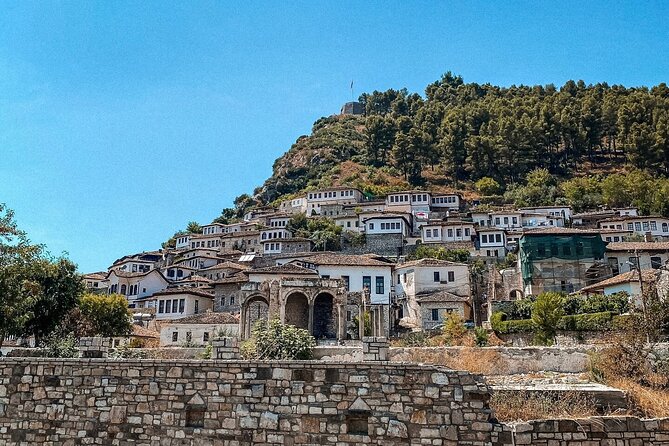
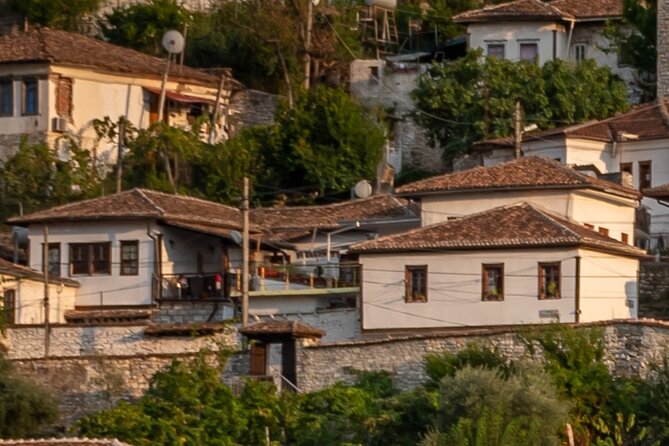
Day 4 is Berat, and Berat is a perfect match for the “UNESCO but real” style. The program calls it the town of 1001 windows, and you’ll see why. The old houses step upward on the hillsides, with windows stacked in patterns that feel almost geometric.
Old town wandering and the living castle-city idea
The tour includes time for Berat’s old stone lanes and points out that residents still live inside the castle walls. That’s a big difference from many “historic” towns where the center becomes mostly shops and photo stops. Here, daily life continues inside the heritage frame.
Berat Castle and churches/mosques mix
Berat Castle is included, plus time to see the broader mix of what makes Berat memorable: medieval castle areas, ancient churches and mosques, and the contrast between the upper and lower town.
Time note: the castle stop is about 1 hour. Again, you’re getting the major anchors, not a slow exploration.
Onufri and the red pigment story
The itinerary also includes the National Iconographic Museum Onufri. This is tied to the birthplace of Onufri, known for a specific reddish color used in church art. If you like connecting art with place, this is a smart add-on. It gives you a reason to pay attention beyond architecture.
Gorica Bridge for a calm break
You also visit Gorica neighborhood and Gorica Bridge. This part helps you switch gears after castle and museum time, giving you a more gentle, view-focused stop.
Drilon to Ohrid: the lake route that feels like a reset
Crossing toward North Macedonia happens on Day 5, and the itinerary wisely breaks the drive with nature and then a lakeside spiritual stop.
Driloni National Park: spring water and willows
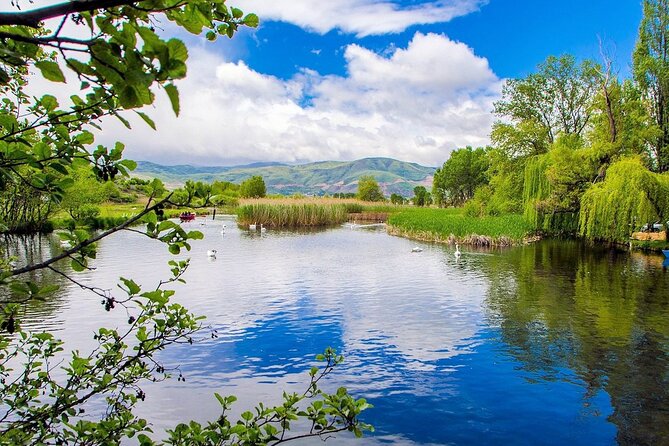
Driloni National Park is first, described as an oasis of greenery with springs forming a small lake. Weeping willow trees by the shoreline create a calm, slow mood.
Why this stop works: it’s a break from hard stone towns. You get a breather before you hit Ohrid’s busy old-town energy later.
Tushemisht stop: quick nature pause
There’s a short stop in Tushemisht. The program describes it as a hidden gem with natural beauty and warm hospitality. The time is about 30 minutes, so treat it as a reset point rather than a full exploration.
St Naum monastery: where the Crni Drim begins
St Naum is included, and the program places it at the source of River Crni Drim that flows into Lake Ohrid. The monastery complex sits within the National Park Galicica and is in a strictly protected area. The setting is described as crystal-clear spring water with greenery and mountain peaks reflected in it.
How to enjoy it: slow down here. This is the kind of place where you’ll remember the quiet more than the details.
Ohrid Lake UNESCO: churches, viewpoints, and the 365-church story
Day 6 centers on Ohrid and Ohrid Lake. The program frames Ohrid as one of Europe’s oldest human settlements and notes UNESCO World Heritage status since 1980.
The old city of Ohrid
You’ll tour Ohrid city with a focus on the religious and cultural sites. The itinerary includes viewpoints and key buildings: St John (as a viewpoint stop), St Nicolas Church, and the Halveti Hayati Tekke mosque.
The tour context is clear: Ohrid was an important center for Orthodox believers during the Byzantine Empire and is linked to the idea of 365 Orthodox churches, one for each day of the year. Then the Ottoman period is mentioned as a time when the city grew around the hills and lake area.
Time note and how to pace yourself
Ohrid is allocated about 3 hours. That’s enough to see major highlights and get a feel for the place, but it’s also enough to feel the pressure if you keep stopping for photos every 20 steps. My practical advice: pick one or two “must photos” and let the rest be memories.
Tirana: byrek, bazaar lanes, bicycle bazaar, and BUNK’ART 2
Day 7 is Albania’s capital with a food-and-culture flow. It’s not only sightseeing. It’s built around local places where you eat, sip coffee, and then cap it with a history museum.
Tirana intro with a local companion vibe
The program says you meet a local companion, then explore with an emphasis on culinary treasures. This is a good sign if you want the city to feel like a living place, not a checklist.
Tregu Çam and the byrek breakfast plan
First stop is a local place for byrek breakfast, with about 1 hour total in this early segment. The tour frames byrek as dough with fillings like cheese, meat, or spinach.
From there, you move to Çam bazaar, tied to the Albanian Çam community. The program mentions that the community originally came from Çameria in today’s north-western Greece—an interesting historical thread that shows up through markets, not textbooks.
Coffee culture and hidden alley neighborhoods
Later, you’re guided through neighborhoods where you can try an authentic pastry, then walk alleyways and street markets with produce vendors. The itinerary highlights Albanian coffee culture and includes a chance to join locals at a cozy café for Albanian coffee.
This part is where you’ll feel the everyday rhythm of Tirana. It’s also where you’ll likely do the most people-watching.
Pazari i Ri: Bicycle bazaar, then New Bazaar lunch
The tour moves to Pazari i Ri, described as the Bicycle bazaar with a mix of second-hand items, then to the New Bazaar for food. Here, you’ll try Qofte (grilled meatballs) with freshly baked bread, with an option for vegetarians to enjoy bread with Albanian Gjize (cottage cheese). There’s also raki tasting.
If you’re worried about taste fatigue after a week of moving, don’t. The food stops are spread out with walks between them, so you get variety and breaks.
BUNK’ART 2: the last stop that changes the tone
The final included museum is BUNK’ART 2. The tour explains it as a former nuclear bunker meant to shelter Enver Hoxha and top party members during the Cold War. It was hidden from the public until 2014 and then turned into a museum. It’s presented as a video museum experience about the communist army’s history and daily life under the regime.
How to handle this emotionally: go in ready for something heavier than the markets. It’s a strong closing note after days of architecture and lakes.
Price and logistics: what the money covers, and what it doesn’t
At $2,636.15 per person for about 7 days, this isn’t a budget trip. But it’s not just a driver-and-a-map situation either.
Here’s what’s included:
- 3-star accommodation with breakfast for all overnights
- Private transportation across the route
- Professional tour leader
- Hotel pickup in Athens and hotel drop-off in Tirana
- Entry tickets for the sites being visited (with specific stops marked as included)
- Tourist taxes and the basics tied to road travel (international car insurance, road taxes, petrol)
What’s not included:
- Lunches, dinners, drinks, and snacks
- Souvenirs and personal spending
- Anything not mentioned as included
Is it good value?
For me, the best value signal is the mix of things handled for you: hotels with breakfast, private transport, and multiple admissions. If you were to cobble this together on your own across three countries with coordinated timing, it would add up fast.
The other value signal is the group size cap of 10 travelers. That helps you get questions answered and keeps transfers smoother.
Who this Athens to Tirana tour fits best
This tour fits you best if you want:
- A guided route through big UNESCO anchors without needing to plan daily logistics
- A balance of major sites and some lighter breaks (like Driloni National Park and St Naum’s calm setting)
- A semi-private pace that still gives room for short stretches of free walking, such as the old town time in Ioannina
- Food-focused cultural stops in Tirana, including byrek breakfast, Albanian coffee, and the New Bazaar lunch
It may be less ideal if:
- You hate long drives. This is a road trip. You trade lots of “in-between” time for seeing more places.
Should you book this Athens to Tirana experience?
I’d book it if you want a high-contrast week: ancient Greece to rock-top monasteries, then fortified Albanian towns, then lakeside North Macedonia, and finally Tirana markets and history museum. The big win is how many key sights are handled with a real guide and private transport, while still leaving you a few chances to breathe on your own.
But if your travel style is slow and detailed, set expectations now. This itinerary is built to cover highlights. You’ll enjoy it most if you travel with comfortable shoes, a flexible attitude about timing, and a willingness to spend some hours watching scenery roll by.
FAQ
How many people are on this tour?
The group is limited to a maximum of 10 travelers.
Where does the tour start and end?
It starts in Athens, Greece with pickup from your hotel and ends in Tirana, Albania with drop-off at your hotel.
What time does the tour start?
The start time is 9:00 am.
What’s included in the price?
The price includes accommodation and breakfast in 3-star hotels for all overnights, private transportation, a professional tour leader, hotel pickup/drop-off, entry tickets for the sites visited, tourist taxes, and international car insurance and road taxes/petrol.
What’s not included?
Lunches, dinners, drinks, snacks, souvenirs, and personal spending are not included.
Can I cancel or change the booking?
This experience is non-refundable and cannot be changed for any reason.
Is travel or health insurance included?
No. All participants are responsible for having their own health and travel insurance.