REVIEW · ATHENS
Street Food Tour – Sample the Food the Locals Love
Book on Viator →Bookable on Viator
Street food tastes better with a local. This Athens walk strings together old neighborhoods and legendary local bites, starting in Monastiraki and ending at the Roman Agora, with stops for koulouri, Greek pie, olives, and loukoumades.
What I really like is how you get focused food attention, not a random buffet. The tour also includes a private guide who ties what you’re eating to the area’s Roman, medieval, and Ottoman layers—plus more modern Athens in-between. One possible drawback: it’s a walking tour, so if you’re short on stamina (or need sound support), plan for that—there aren’t earphones built into the experience.
In This Review
- Quick Hits Before You Go
- Why This Athens Street Food Tour Makes Sense for Food Lovers
- Monastiraki Square: The Perfect First Bite in the Middle of Town
- Coffee and koulouri: what to expect
- A small pacing note
- Street Stalls and Pie Obsession: The Monastiraki to Psirri Walk
- Why the pie stop is a smart choice
- What you might miss if you DIY it
- Psirri: Alternative Athens, One More Koulouri Moment
- Why repeat koulouri can be worth it
- A practical tip
- Varvakios Central Municipal Market: Olives, Herbs, Honey, and Produce
- What you learn at a market like this
- How long this stop lasts
- Agora Romaine (Roman Agora): Souvlaki and Sweet Finish
- Loukoumades at the end: why it works
- Soup or souvlaki, plus a last look at the scene
- What You’ll Actually Eat (And How to Plan Your Hunger)
- Plan like this
- If you’re choosing pie vs. souvlaki
- Price and Value: What $71.04 Gets You in Athens
- Walking, Timing, and Comfort (Your Body Will Notice)
- Who This Tour Fits Best (And Who Might Skip It)
- Should You Book This Street Food Tour?
- FAQ
- How long is the Street Food Tour in Athens?
- What’s the price per person?
- Where do I meet and where does the tour end?
- What’s included in the food and drinks?
- Is the tour private and in English?
- Does the tour run in bad weather?
Quick Hits Before You Go
- Monastiraki Square starter set: roasted Greek coffee plus sesame koulouri to get you moving fast
- Old-school bakery stops: koulouri from long-running Athens bakeries (sweet, crispy, and easy to snack as you walk)
- Central Market + Varvakios market focus: olives, herbs, honey, and produce you can point to and taste
- Greek pie stop: feta-and-spinach-style pie as a star “worth waiting for” bite
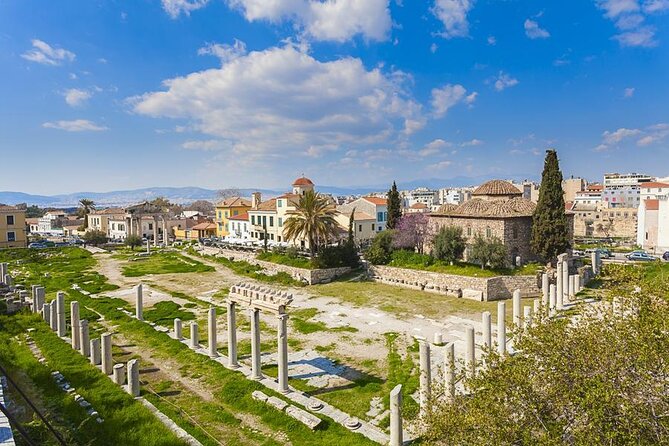
- Finish at the Roman Agora: soup or souvlaki plus loukoumades, in a market setting that’s still used much like it has been for generations
- Small-group / private-feel: you get your guide’s attention without the chaos of big group tours
Why This Athens Street Food Tour Makes Sense for Food Lovers
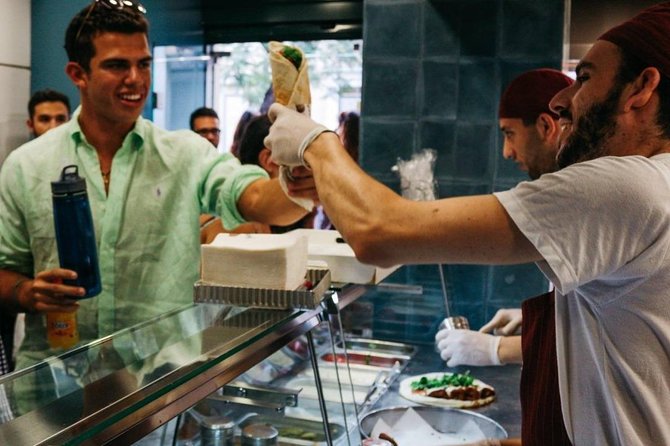
This tour is built for people who want Athens to taste like Athens. Instead of asking you to guess where to eat, it takes you to a tight loop of markets and classic local foods—then explains what to look for and what to try.
I like that it mixes different “Greek flavors” on purpose. You don’t just bounce from one greasy bite to another. You get bread-and-snack energy (koulouri), a sweet reset (loukoumades), and filling mains (Greek pie and souvlaki).
You’re also getting way more than dinner. You’re walking through places that explain how Athens has changed—Roman-era space, medieval and Ottoman echoes, then today’s neighborhood life—so your food stops land with context.
Finally, the pace is practical. At around 2 hours 30 minutes, you can fit it early in a trip and still have the rest of the day free for museums and viewpoints.
Monastiraki Square: The Perfect First Bite in the Middle of Town
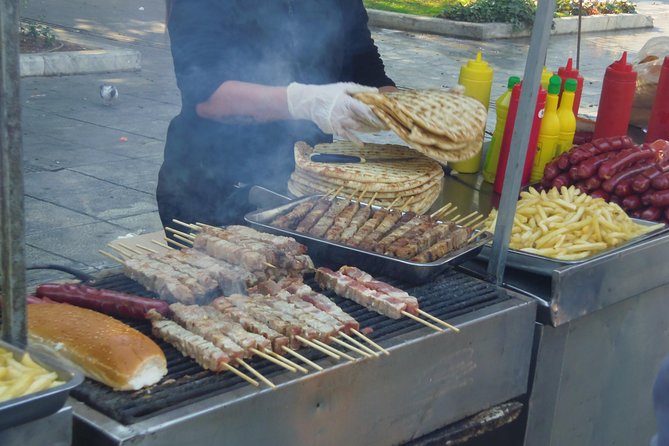
You start at the Holy Church of the Virgin Mary Pantanassa, in Pl. Monastirakiou. Your guide meets you in Monastiraki Square in front of a small medieval church with a tower bell, and you get your first dose of Athens right away—by foot, surrounded by the layers of the area.
This is where the tour earns its keep. The first taste is a cup of roasted Greek coffee plus a fresh koulouri with sesame seeds. It’s a classic street breakfast combo: coffee wakes you up, and koulouri gives you the hand-held fuel you’ll need for the walking.
Before you move into the food, the guide sets the scene with a quick story of the area’s past—Roman, medieval, and Ottoman influences—then brings it to the present. That matters because food in Athens isn’t just “what to eat.” It’s also where people shop, linger, and socialize.
Coffee and koulouri: what to expect
Greek coffee here is described as rich and roasted. It’s also very much a social drink, so you’ll see why this stop isn’t just for flavor—it’s for rhythm.
The koulouri is round, sesame-studded bread. It’s sweet with a crispy sesame top, and you’ll likely notice the difference between a fresh koulouri and one that’s been sitting.
A small pacing note
This first stop is designed to get you started smoothly. Even if you’re jet-lagged, you’ll have enough time to settle in before the market wandering begins.
Street Stalls and Pie Obsession: The Monastiraki to Psirri Walk
From Monastiraki, you head through the old commercial area and toward Psirri, passing the Flea Market area along the way. This is where the tour starts to feel like a real local stroll: busy enough to be interesting, but organized enough that you’re not doing the annoying “where do we go?” dance.
One of the highlights in the tour’s plan is the Greek pie stop. You’re going to sample what’s described as some of the best Greek pies in Athens, including fillings like feta and spinach. This is the type of food that feels like a meal even when you’re eating it on the move.
Why the pie stop is a smart choice
Greek pie is the kind of food that can be hit-or-miss if you choose randomly. But when it’s built into the route, it becomes a benchmark. You taste it in the context of where locals go for pastry and savory comfort.
Also, the tour is set up with options in mind. There are choices for vegans and vegetarians, so it’s not an all-meat route that forces you into one compromise bite.
What you might miss if you DIY it
If you tried to DIY Athens street food on your own, you’d probably do the easy obvious picks. The tour’s value is that it targets the “I wouldn’t know this place exists” moments—like old pastry shops and bakery-famous koulouri.
Psirri: Alternative Athens, One More Koulouri Moment
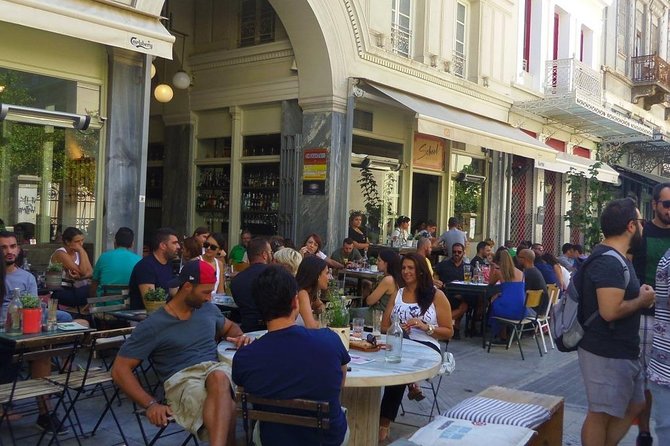
Psirri is next, described as a former working-class neighborhood that has turned into one of Athens’s more alternative districts. You’ll feel the change as you walk—less “tourist postcard,” more Athens living its daily life.
The tour keeps you in snack mode here with another koulouri stop at one of the oldest bakeries. Yes, it’s repeat bread. But that’s not a mistake; it’s a way to show you how koulouri fits Athens street life.
Why repeat koulouri can be worth it
Koulouri isn’t just one food. There’s a texture and freshness factor, and it changes depending on where it comes from and when it’s made. By getting it in different parts of your route, you’re more likely to notice what makes the good stuff truly good.
A practical tip
Since you’ll already have had coffee and koulouri earlier, treat this stop as a “keep walking” snack, not a full break. Wear shoes that you can stand in for a while, because the whole experience is designed around movement between stops.
Varvakios Central Municipal Market: Olives, Herbs, Honey, and Produce
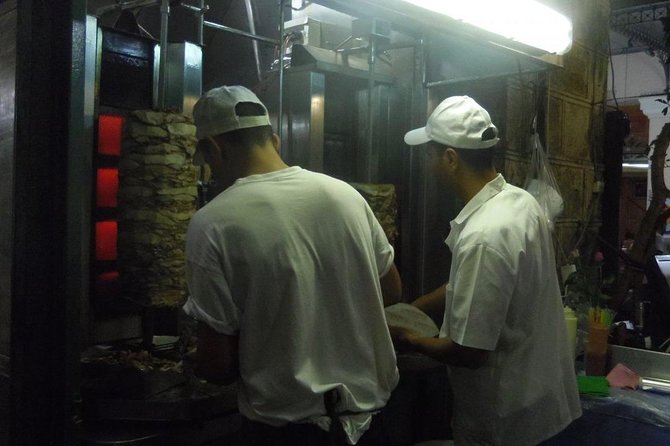
Next comes Varvakios Central Municipal Market, a major public market setting where the focus shifts from pastry to ingredients. This stop is where you get tastings that make the rest of the tour click.
You sample Greek olives and learn about Greek herbs, plus honey and fresh fruits and vegetables. This isn’t just flavor sampling for the sake of it. It gives you a sense of what Greek cuisine is “built from.”
What you learn at a market like this
Markets train your palate. After this kind of stop, you can better understand why feta works with greens, why olives show up in so many daily meals, and why honey and cinnamon belong in Greek desserts.
If you like to shop when you travel, this market stop also gives you an idea of what’s actually worth grabbing. You’ll recognize ingredients you saw tasting-sized portions of later in the route.
How long this stop lasts
You spend about 30 minutes here, which is long enough to browse and taste without turning it into a rushed shopping errand. It’s a good pace.
Agora Romaine (Roman Agora): Souvlaki and Sweet Finish
The final leg takes you to Agora Romaine, where you eat and drink your way into the end of the tour. This is your market-to-meal transition zone.
Here, you taste Greek souvlaki and have a chance to drink Greek coffee again. You also eat loukoumades with honey and cinnamon, and you finish in the famous Roman Agora.
The tour frames the Roman Agora as a commercial market space used with the same kind of purpose since the mid-19th century. Even without getting too academic about it, the takeaway is clear: this is a place where people shop and eat in a routine way, not just for tourists.
Loukoumades at the end: why it works
Loukoumades are fried dough “donuts,” smothered in honey and cinnamon. Eating them at the end makes them feel like a dessert victory lap after savory bites.
And because you’ve already been tasting sweet elements earlier, this final loukoumades stop doesn’t feel random. It feels like a planned payoff.
Soup or souvlaki, plus a last look at the scene
The route description also mentions that the tour culminates with soup or souvlaki at an eatery favored by locals. You’ll have that last proper-food moment before you say goodbye.
What You’ll Actually Eat (And How to Plan Your Hunger)
Based on what’s included, the core menu is built around a smart sequence:
- Starter: koulouri (sesame bread)
- Starter: Greek olives
- Dessert: loukoumades (honey + cinnamon)
- Main: Greek pie or souvlaki (wrapped pita-style with tzatziki, tomato, and onions)
You also get coffee as part of the experience—both at the start and again near the end of the route. That means this is not a “snacks only” tour. It’s closer to a light meal plus dessert spread across different stops.
Plan like this
If you want the experience to feel generous, don’t eat a full breakfast or lunch right before. The tour has enough food that you can end up feeling like you’ve already had dinner, especially if you’re choosing pie plus souvlaki on the day.
Also, be ready for cinnamon, honey, and sesame to show up in different forms. That repetition isn’t boring here—it’s how Greek street food builds comfort and balance.
If you’re choosing pie vs. souvlaki
The tour includes both as options, and that’s helpful. Greek pie tends to feel richer and more pastry-like, while souvlaki feels lighter and more “wrap-and-go.”
If you’re on the fence, pick based on what you’ve eaten earlier that day. If you already had a pastry-heavy meal, go for souvlaki. If you haven’t had anything baked yet, prioritize the pie.
Price and Value: What $71.04 Gets You in Athens
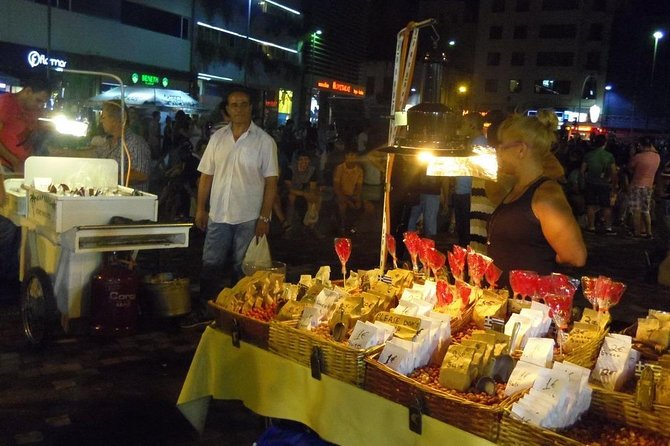
At $71.04 per person for about 2.5 hours, this isn’t the cheapest way to eat in Athens. But it also isn’t trying to be. It’s paying for three things you’d otherwise have to solve yourself:
1) Access to several specific food stops that are hard to string together well on your first day
2) A guide who helps you choose and understand what you’re getting
3) Time saved from searching for “the right place” for koulouri, pie, and a local-favorite end meal
The tour also runs as a private experience for your group. That can matter a lot if you’re the type who asks questions and wants clarity, not just a checklist of bites.
One note: the price can feel steep if you arrive already full or if you expect a huge variety of foods beyond the included set. You’re paying for focus and route design, not an all-you-can-eat fantasy.
Walking, Timing, and Comfort (Your Body Will Notice)
This is a walking route through multiple market areas. Even if each stop feels manageable, the total time adds up—so good shoes matter more than you think.
The tour is described as operating in all weather conditions. That means you should dress for rain or sun as needed and keep a light layer handy.
Also, since it’s a small-group street experience, don’t assume sound gear like earphones will be part of the package. If you’ll struggle to hear in outdoor spaces, come prepared with your own solution (like the kind of hearing support you might already use).
Who This Tour Fits Best (And Who Might Skip It)
This tour is ideal if you like street food, but you also like context. It’s perfect for your first evening in Athens when you want food plus orientation in one hit.
It’s also a strong fit if you’re:
- a foodie who enjoys bakeries and markets
- someone who wants to ask questions about neighborhoods and everyday life
- traveling with a partner or small group and want a calmer experience than big group tours
I’d be more cautious if you’re:
- very sensitive to walking distances
- expecting only sit-down restaurant courses
- on a strict budget and want the absolute cheapest meal options
Should You Book This Street Food Tour?
I’d book it if you want a reliable Athens food route with tastings that feel chosen, not random. The mix of koulouri, Greek pie, olives, souvlaki, and loukoumades gives you sweet, savory, and a market-ingredient feel, all in one organized flow.
It’s also a good choice when you want more than food. The guide’s neighborhood stories—Roman, medieval, Ottoman layers and the present-day shift—make the route feel like it has a point.
If you’re unsure, here’s my simple test: if you’d rather follow a plan than hunt for places on your own, you’ll likely enjoy this. If you hate walking and you’re only chasing the cheapest eats, you may feel like you paid extra for structure.
FAQ
How long is the Street Food Tour in Athens?
It lasts about 2 hours 30 minutes.
What’s the price per person?
The price is $71.04 per person.
Where do I meet and where does the tour end?
You meet at the Holy Church of the Virgin Mary Pantanassa in Pl. Monastirakiou, Athina 105 55, Greece. The activity ends back at the meeting point.
What’s included in the food and drinks?
It includes coffee, koulouri with sesame seeds, loukoumades with honey and cinnamon, and Greek pie or souvlaki. Greek olives are also part of the tastings.
Is the tour private and in English?
Yes. It’s a private tour/activity (only your group participates) and it’s offered in English.
Does the tour run in bad weather?
Yes. It operates in all weather conditions, so dress appropriately.