Myths walk right through Athens. This short, well-paced tour connects big-name legends to the actual places you pass each day, with Zeus drama, god statues, and even the Amazons showing up in the conversation.
I especially love the myth-focused storytelling (guides like Penelope and Christina have a gift for making tangled family drama feel clear), and I love that you’re seeing Athens from the street level—Plaka, Syntagma, and classic landmarks—not just staring at a map.
Two things to watch: it’s a lot of walking for two hours, and on hot days you’ll feel it. Also, if you know almost nothing about Greek mythology, the stories can feel fast at first—though the guide does a good job keeping the thread.
In This Review
- Key highlights worth knowing before you go
- A 2-hour Athens myth walk that feels like the city is talking back
- Price and what $48.01 really buys you
- Finding the meeting point near Panepistimio (Korai 4)
- Stop 1: Panepistimiou to set the myth mood
- Stop 2: Akadimia (The Academy) and the statues that explain the worldview
- Stop 3: Numismatic Museum time for the Amazons and their fighting skills
- Stop 4: Syntagma and the god statues that turn the square into a storybook
- Stop 5: Mitropoleos Street, where the present and past share the same sidewalk
- Stop 6: Plaka, the neighborhood of the Gods
- How much mythology do you need to enjoy this?
- Small group energy and guide attention
- Walking comfort: what to wear and how to survive the sun
- Should you book this Athens myth tour?
- FAQ
- How long is the Athens Mythological Tour: Boudoir of the Gods?
- What does the tour cost?
- Is the tour offered in English?
- How big is the group?
- Where do I meet, and where does it end?
- What is included in the tour?
- Are entry tickets included for the stops?
- Is hotel pickup or drop-off included?
- Can I bring a service animal?
Key highlights worth knowing before you go
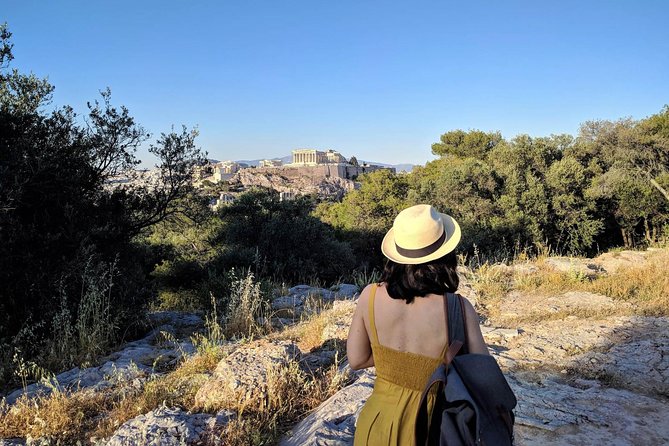
- Zeus-related stories tied to real Athens landmarks, including the Temple of Olympian Zeus angle
- Plaka’s Neighborhood of the Gods vibe, with atmosphere and photo-friendly streets
- Syntagma stop built around god statues and their stories, not random sightseeing
- Numismatic Museum time centered on the mythical Amazons and their fighting skills
- Small group limit (max 15), so questions are actually welcome
- Free admissions for the planned stops, plus a guide narration that’s the real value
A 2-hour Athens myth walk that feels like the city is talking back
If you’ve ever read Greek myths and thought, Wait, who is related to whom?, this tour is built to fix that problem. It’s not a lecture in a classroom. It’s a guided walk that treats Athens like a big storytelling board, using gods, statues, and landmarks to stitch the mythology together.
The best part for me is the pacing. Two hours is long enough to build momentum and short enough that you don’t end up tired, cranky, and mythed-out. And because the group stays small (up to 15), you get a better chance to ask questions and get straight answers instead of listening to your guide talk at the back of a crowd.
The tour also has a practical advantage: a lot of what you’ll see is outdoors (and street-level). That means you can get the Athens feel without juggling extra tickets or getting stuck in long entry lines.
Price and what $48.01 really buys you
At $48.01 per person, you’re paying for expert mythology narration and a structured route that hits multiple areas efficiently. The good news is that admissions for the planned stops are listed as ticket-free, so you’re not adding museum fees on top.
You should also think about what is not included. There’s no hotel pickup, and access to archaeological sites is not part of the package. That doesn’t make the tour bad. It just means you should expect a guided walk focused on streets, landmarks, and museum time that’s built into the route—not a pass that gets you everywhere under the sun.
For many first-timers, the value comes from not having to plan the story yourself. You get a route, a guide who explains the relationships and themes, and a clean time window of about two hours.
Finding the meeting point near Panepistimio (Korai 4)
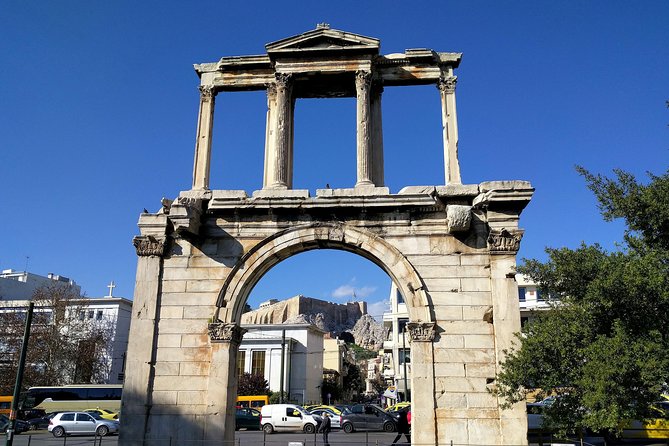
You meet at Korai 4, Athina 105 64. The instructions are clear: meet right in front of Starbucks, next to Panepistimio street and the Panepistimio metro station.
This matters more than it sounds. Athens can feel like a maze when you’re new, and meeting at a recognizable landmark near public transit helps you start calm instead of hunting for the group.
The tour also ends in Monastiraki (Athina). That’s a smart finish point because Monastiraki is an easy place to continue your day—shopping, snacks, and more wandering.
Tip: wear comfortable shoes from the start. If your feet are happy, the myths get way easier.
Stop 1: Panepistimiou to set the myth mood
The tour begins in the Panepistimiou area. Think of this as your warm-up. You’ll get the guide’s framing—how the gods’ stories connect to what you’re about to see—and then you roll forward through Athens with more understanding than you had when you started.
It’s also where you’ll settle into the walking rhythm. If you’re the type who likes to ask, this is a good moment to do it early.
Stop 2: Akadimia (The Academy) and the statues that explain the worldview
Akadimia is one of Athens’ best-known neoclassical landmarks, and it’s a great place for a mythology tour because it’s built for symbolism. The Academy is adorned with statues of Greek gods and philosophers, which makes it feel like a bridge between ancient myth and later ideas about wisdom.
On a practical level, this stop gives you a breather while staying interesting. You’re not just walking by a building. You’re learning how these figures were represented—who gets statue space, what themes are emphasized, and how the mythic world was treated as cultural knowledge, not just old stories.
If you’re the type who loves visual details, you’ll likely enjoy this moment a lot. If you’re tired from the start, it still works because it’s a meaningful pause.
Stop 3: Numismatic Museum time for the Amazons and their fighting skills
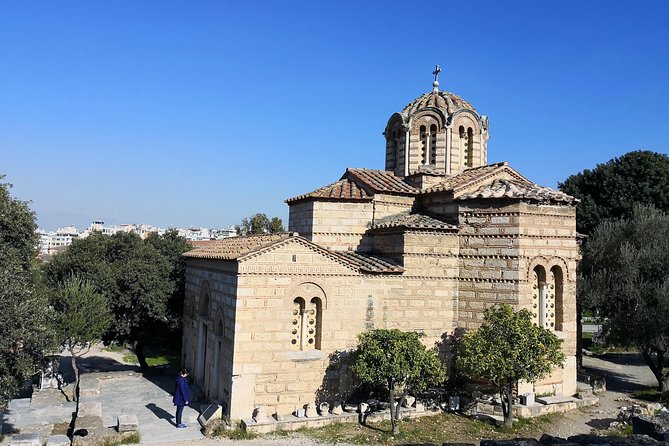
Next up is the Numismatic Museum of Athens. The focus here is very specific: the mythical Amazons and their fighting skills. That’s a fun choice because it nudges the tour beyond the usual Zeus-and-family cycle and gives you a different slice of Greek myth.
Also, the museum’s architecture is a star here. Even if museums aren’t your favorite, the setting helps the myths feel grounded in real objects and real design—not just a story you hear and forget.
This is a stop that works well if you like variety in your sightseeing. It breaks the pattern, and it gives your brain a new set of characters to hold onto.
Stop 4: Syntagma and the god statues that turn the square into a storybook
In Syntagma District, you’re in the main square area, but the tour doesn’t treat it like a generic landmark. The time is aimed at seeing statues of gods and hearing their stories.
This is where the tour’s method really shows. A statue is a frozen moment, but a good guide gives it motion. You learn what the statue is trying to communicate—personality, role, power, and how myths explain human experiences through divine characters.
If you’re someone who thinks you do not care about statues, this stop can change your mind. The guide narration is the difference between I walked past it and I understand why it’s there.
Stop 5: Mitropoleos Street, where the present and past share the same sidewalk
Mitropoleos Street is a classic Athens mix of old and new. You’ll explore main streets where you can spot ancient ruins, churches, and hidden temples.
This part is valuable even if you’re not a deep archaeology person. It teaches you how Athens layers time. One building can reflect one era, and then—just steps away—you get another layer in the streetscape. It’s a great way to train your eyes for what to look for when you keep walking on your own after the tour.
The drawback here is simple: streets mean more walking. If your energy dips, use the nearby stops to rest your feet and take in what matters most.
Stop 6: Plaka, the neighborhood of the Gods
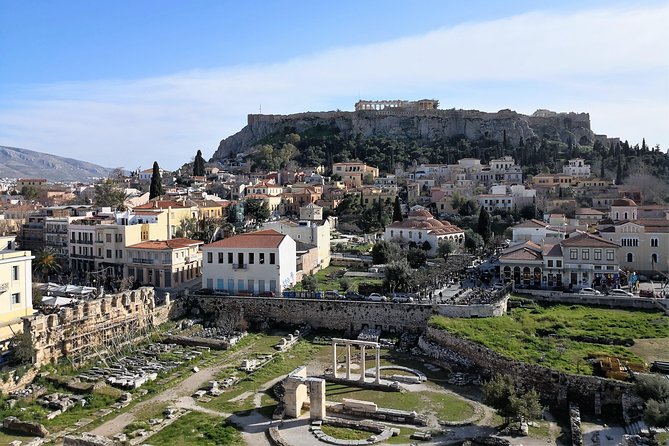
Plaka is where the tour earns its title. This is one of Athens’ oldest and most picturesque neighborhoods, and it’s known as the neighborhood of the Gods. You get about 30 minutes here, which is enough time to slow down.
This isn’t just a stroll. You’re meant to connect what you’ve learned to what you see in front of you: the feeling that the mythic world still has a presence in the way Athens looks and moves.
Plaka is also a place where your phone photos will actually turn out well. Narrow streets, old stone, and classic Athens street texture do most of the heavy lifting.
How much mythology do you need to enjoy this?
You can start with zero knowledge, but you’ll have a smoother time if you do a tiny bit of reading before you go. There’s a lot of story material and family connections, and the guide explains it well—but it still helps if you already recognize the biggest names.
If you’re coming in with some background, you’ll get more satisfaction because you’ll catch the connections between characters and themes. If you’re completely new, lean into questions. A good guide can adapt the pace and focus so you don’t get lost.
A small practical tip: if you’re interested in Greek mythology seriously, you might enjoy taking notes on a simple page: Zeus, family ties, and any Amazon details that stand out. After the tour, that becomes your quick reference for the rest of your Athens reading and wandering.
Small group energy and guide attention
The tour caps at a maximum of 15 travelers, and that size makes a difference. You’re not stuck listening only to what your guide says over other people’s shoulders. It’s more conversational.
The guides also come across as story-first narrators rather than checklist readers. You should expect engagement, patience, and thoughtful answers to questions. And if you’re worried about heat, it’s smart to plan for breaks and shade when the day is bright. Comfortable clothes and a hat matter in Athens sun.
Walking comfort: what to wear and how to survive the sun
For this tour, you’ll want comfortable clothes and shoes. Bring water. Wear sun cream. A hat is a real help in summer.
Even though the stops include museum time and indoor moments, much of the experience happens while you’re moving through the city. If your shoes are soft and supportive, you’ll enjoy the myths more because you’re not doing the background math of sore feet.
Should you book this Athens myth tour?
Book it if you want a short, story-driven way to understand Greek mythology in a real Athens setting. It’s ideal for first-timers, casual myth fans, and anyone who likes connecting stories to specific places. The free admissions for planned stops and the small group size add real value at the price point.
Skip it if you want deep access to archaeological sites, or if you hate walking. Also consider skipping if you’d rather self-tour museums and read myths at your own speed. This experience works best when you let the guide do the stitching.
If you’re on a tight schedule and you want Athens to feel meaningful fast, this is one of the easiest ways to do it. You leave with names, connections, and a new way to look at the city—like the gods didn’t disappear, they just changed neighborhoods.
FAQ
How long is the Athens Mythological Tour: Boudoir of the Gods?
It lasts about 2 hours.
What does the tour cost?
The price is $48.01 per person.
Is the tour offered in English?
Yes, it’s offered in English.
How big is the group?
The tour has a maximum of 15 travelers.
Where do I meet, and where does it end?
Meet at Korai 4, Athina 105 64, right in front of Starbucks (near Panepistimio metro). The tour ends in Monastiraki, Athina.
What is included in the tour?
You get mythology story-telling narration by an expert, plus seeing some of the major attractions of Athens.
Are entry tickets included for the stops?
Admissions are listed as free for the planned stops on the route.
Is hotel pickup or drop-off included?
No, hotel pickup and drop-off are not included.
Can I bring a service animal?
Yes, service animals are allowed.