REVIEW · WALKING TOURS
Mount Lycabettus Walking Tour in Athens
Book on Viator →Operated by Urban Athens Collective · Bookable on Viator
Athens looks different when you’re above it. This Mount Lycabettus walking tour mixes a hill climb, summit views, and guided stories across central Athens, so the city clicks into place fast. People also praise the guides by name, including Eleni, Dionysis, and Alex, for making history feel practical instead of like a lecture.
I especially love the summit stop—you get city views and a look at the amphitheater when you reach the top. I also like the way the route threads through places with meaning, like Dexameni Square, where the name connects to a Roman cistern and the area’s later artist scene.
One possible drawback: it’s still a climb, and if it’s hot you’ll feel it. The walking plus sun is exactly why one earlier review mentioned being exhausted during the climb.
In This Review
- Key highlights worth your attention
- Mount Lycabettus Walking Tour: what you’re really buying
- Price and logistics you can plan around
- The climb to the summit: legends, amphitheater views, and pacing
- Dexameni Square on the way down: why the name matters
- Kolonaki Square’s local secret: part sightseeing, part mindset
- Neoclassical Trilogy and old Parliament: seeing power and style in one line
- Ending at Monastiraki: your view of Athens meets your evening plans
- The guide factor: Eleni, Dionysis, and Alex as proof of concept
- What to bring (and what to skip)
- Is it worth doing with a guide, or can you DIY?
- Who this tour suits best
- Quick decision: should you book this tour?
- FAQ
- How long is the Mount Lycabettus walking tour?
- Is this tour private or small group?
- What’s included in the price?
- Are food and drinks included?
- What’s the meeting point and where does it end?
- What happens if weather is poor?
Key highlights worth your attention
- Small group feel: capped at 10 people for more back-and-forth with the guide.
- Summit views + amphitheater: the payoff at the top is the reason to do the walk.
- Dexameni Square details: cistern origins, a Roman past, and a later meeting spot for artists.
- Kolonaki Square local secret: you’ll hear the kind of detail locals talk about, not just what’s printed on signs.
- Big Athens sights in one sweep: the Neoclassical Trilogy and old Parliament, then down to Monastiraki.
- Flexible pacing (sometimes): in at least one private setup, a guide used taxi to reach the top, then walked the rest.
Mount Lycabettus Walking Tour: what you’re really buying
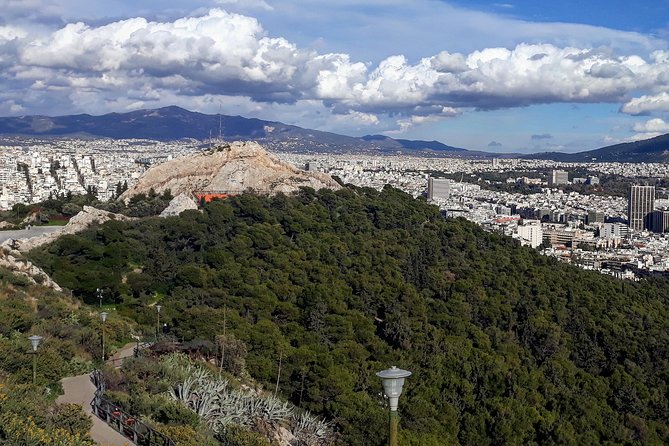
For about 3 hours, you’re paying roughly $63.82 per person for something that’s hard to replicate solo: a guided route that turns viewpoints and city corners into a story you can remember.
The value here is twofold. First, you get the reason for walking up Mount Lycabettus—views that make Athens feel three-dimensional. Second, you don’t just stop at a photo point; you carry the perspective down into neighborhoods like Kolonaki and into sight clusters around the Neoclassical Trilogy and old Parliament before ending in Monastiraki.
And yes, you’ll walk. The tour is designed as a walking experience, so bring that mindset. If you’re expecting a mostly flat stroll, you may be disappointed once the hill starts demanding your legs.
Price and logistics you can plan around
The tour runs in English, and it’s sold as a private tour/activity for your group, with a small-group cap of 10. In practical terms, you should expect a smaller circle than the big coach-tour vibe.
You meet at Στ. Ευαγγελισμος, Athens 106 76, Greece and finish at Monastiraki Square. That’s useful because it plants you near two different “modes” of Athens: your start point sits in a more residential/central zone, while Monastiraki is the classic end-of-the-walk area for browsing and grabbing dinner.
You also get a mobile ticket, and you can choose from several departures during the day. Booking tends to happen ahead of time (on average about 59 days), which is a hint that this one has an “easy to commit” appeal—morning or afternoon slots can fill up.
One note before you go: food and drinks aren’t included. So plan for water, and if you’re sensitive to heat, plan a snack too. A guide can’t magically fix a hungry, thirsty climb.
The climb to the summit: legends, amphitheater views, and pacing
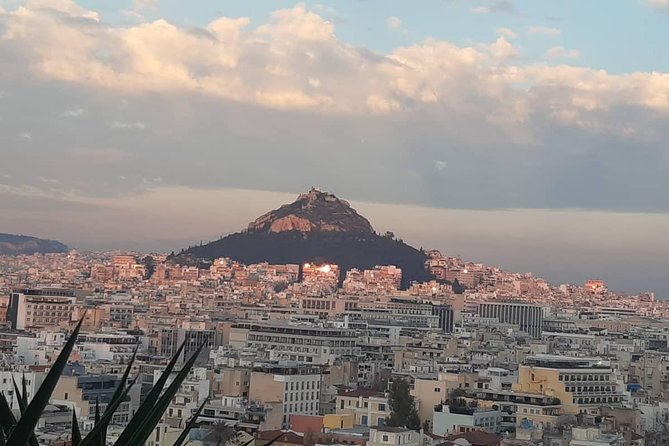
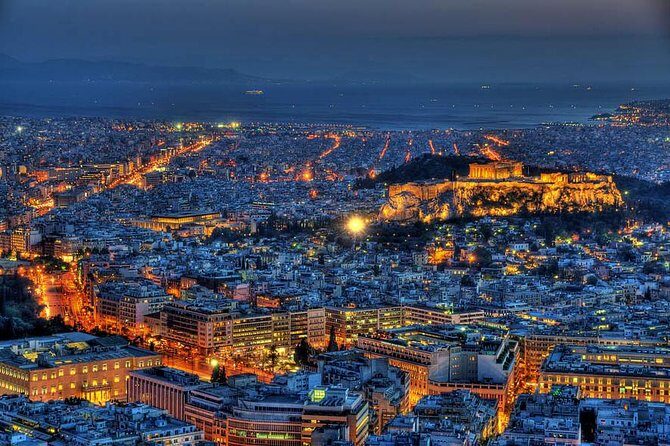
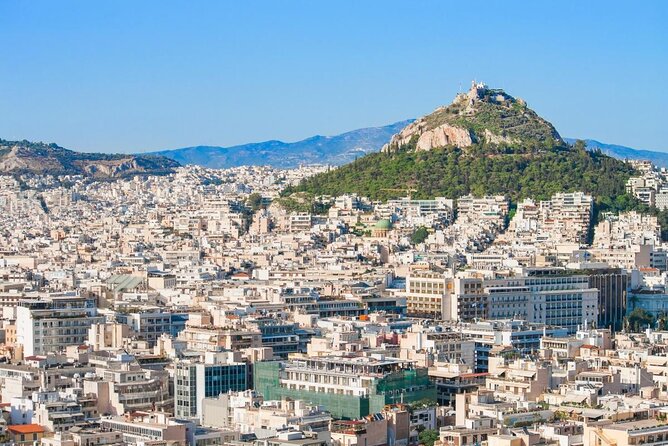
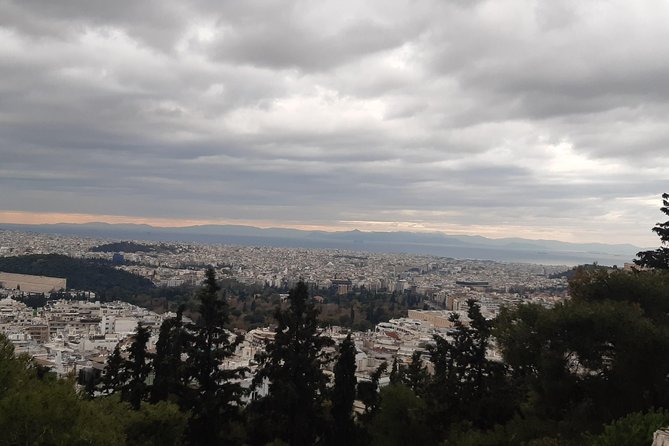
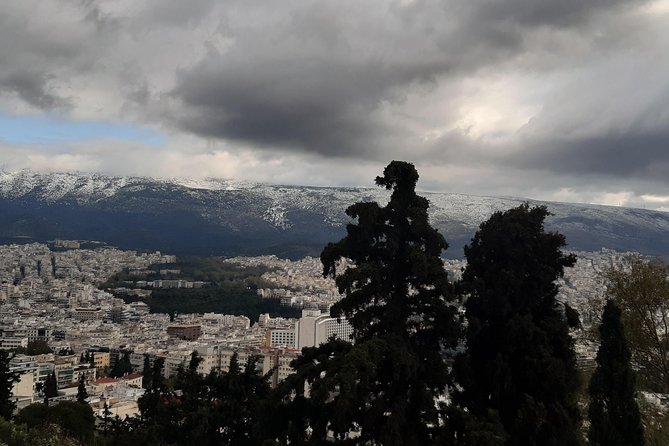
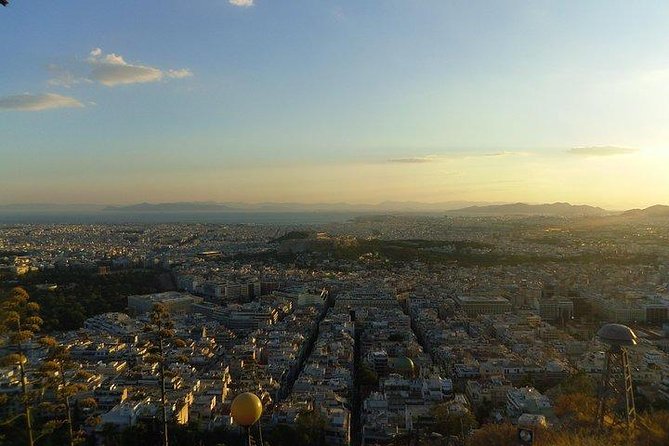
Mount Lycabettus is Athens’ highest hill, and that changes how you see everything. From street level, buildings stack on top of each other. From the top, you understand how the city spreads, bends, and hugs its own geography.
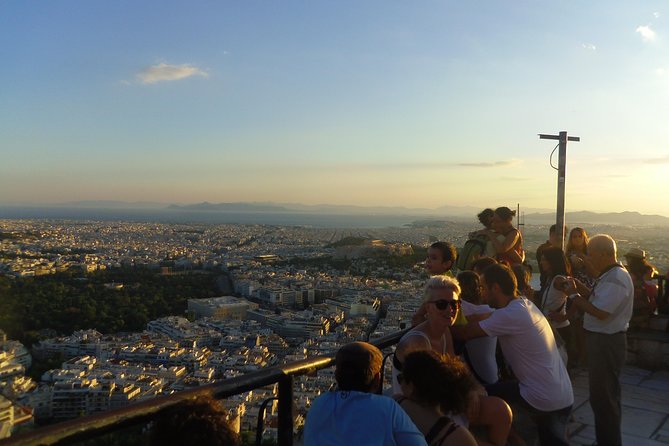
During the walk up, your guide tells stories and history about the mountain as you climb. The goal isn’t just facts. It’s attitude—helping you look at Athens like a living map. When you reach the summit, you’re rewarded with big city views and the chance to see the amphitheater from above.
Here’s where pacing matters. One standout review said a guide named Eleni was able to cut down the otherwise challenging walk, which suggests guides are responsive if your group needs a slower pace or a smarter approach. Another review described how a guide Dionysis kept the experience engaging and helpful, not stiff.
What I’d tell you to do: if you’re nervous about the effort, ask early in the meeting whether there’s a comfortable pace for your group. Small-group tours tend to make that kind of adjustment possible.
Dexameni Square on the way down: why the name matters
After the summit, you head down and make a stop at Dexameni Square. This isn’t just a pretty corner to rest your legs. It’s a story you can read from the street.
Dexameni means cistern in Greek, and the square’s name comes from a Roman cistern underneath the area. That’s the kind of detail that makes Athens feel older and more layered than just the famous ruins people expect.
The tour also links the space to social history. Before the 1930s it was tied to a working-class neighborhood, and after 1930 the area became a base where artists, poets, and writers lived nearby. There’s even mention of a historical cafe there, described as a meeting point for those creative circles.
If you like cities where you can trace how people used space over time, this stop is a highlight. It also breaks up the physical rhythm of the tour: summit climb, then a meaningful pause, then back into the walking.
Kolonaki Square’s local secret: part sightseeing, part mindset
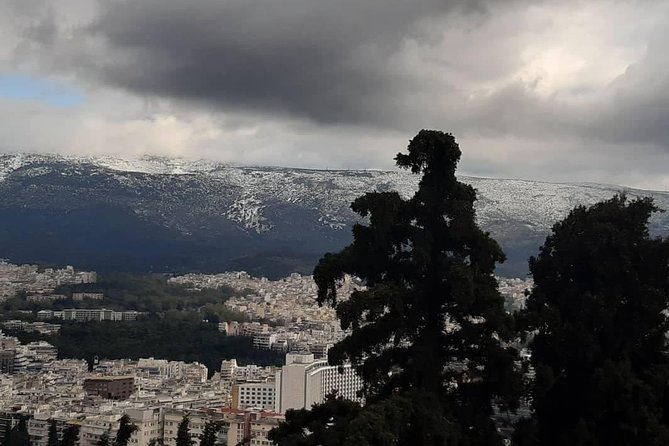
Next comes Kolonaki Square, and the tour promises a secret that locals know—something you don’t usually get from a standard photo-stop pass.
Because the exact secret isn’t spelled out in the tour outline, think of this part as a guided moment where your guide connects a visible place to an invisible context: how people move, what they notice, and what the square represents in everyday Athens.
The reason this works on a walking tour is simple. You can’t just read about Kolonaki and then expect it to feel real. Seeing it with a guide helps you notice the little signals: where the locals linger, how the area shifts from tourist Athens to everyday Athens, and what that means for how the city runs.
Neoclassical Trilogy and old Parliament: seeing power and style in one line
After Kolonaki, you head toward the Neoclassical Trilogy of Athens. Even if you don’t know the architectural terms, the feel of this area is recognizable. It’s the part of Athens that looks like the city decided to show the world it could speak in grand, formal language.
From there, you move to old Parliament, then continue through Kolokotroni street. This isn’t random routing. It’s a way of connecting style with story—how political life, public buildings, and major civic streets shape the way visitors experience the city.
One review about guide Alex highlighted that his tours can cover everything from history and politics to practical suggestions. That matters because stops like old Parliament are easy to see and hard to interpret without someone stitching the details together for you.
Ending at Monastiraki: your view of Athens meets your evening plans
The tour ends at Monastiraki Square, which is a smart finish line. By the time you reach the end, you’ve climbed above the city, walked through neighborhoods with distinct identities, and seen the civic core.
Now Monastiraki gives you what walking tours often can’t: freedom. You can wander markets, pop into small shops, and decide on dinner without feeling like you still need “one more major sight” on your list.
If you want a simple plan, I’d treat the tour as your Athens “orientation.” The climb gives perspective. The walk gives context. Monastiraki is where you turn that into time that’s actually yours.
The guide factor: Eleni, Dionysis, and Alex as proof of concept
One of the strongest clues this tour is worth your time is the pattern in guide feedback. Names come up again and again in positive ways.
- Eleni gets praise for being very helpful and for adjusting the challenge of the walk if needed.
- Dionysis is described as engaging and helpful, with insight not only about Lycabettus but also about other Athens areas and even future island ideas.
- Alex is called out for covering history, politics, languages, and even shopping tips, while also being flexible with the route.
That last part is key. One private tour review said Alex went the extra step to make time to see turtles in the National Gardens after the main sights. That doesn’t mean every tour includes that, but it does tell you the guide style can be responsive if you have a specific interest.
Also worth noting: one reviewer gave a lower score due to heat and exhaustion and said the guide felt more informal than in other experiences. That doesn’t make the tour wrong—it just means tone varies, and weather matters a lot.
What to bring (and what to skip)
Since food and drinks aren’t included, your carrying list is important.
Bring:
- Water (and consider a light snack)
- Sun protection (hat, sunscreen)
- Comfortable walking shoes with grip
Skip:
- Expecting to snack mid-tour without planning (the route includes major streets and squares, but nothing is promised as part of the tour)
If you’re sensitive to heat, pick a departure time you can tolerate. Since the tour lasts around 3 hours, you’ll be outside long enough for weather to matter.
Is it worth doing with a guide, or can you DIY?
You can absolutely DIY parts of this. Athens is full of viewpoints, and you can walk around Kolonaki and Monastiraki on your own.
Where this tour gives you an edge is interpretation. Mount Lycabettus isn’t just a hill; it’s tied to legends and context your guide explains while you walk. Dexameni Square becomes more than a stop because you learn the cistern connection and the Roman layer underneath. And the civic sights around old Parliament and the Neoclassical Trilogy connect into a line you can understand.
If you want your Athens day to feel like you’re learning the city’s logic—not just collecting images—this is a strong fit.
Who this tour suits best
This tour is ideal for you if:
- You want views but also want the stories behind what you’re seeing
- You like a route that connects multiple areas without needing taxis or heavy planning
- You prefer a small-group experience with room to ask questions
You might want to think twice if:
- You’re very heat-sensitive or dislike uphill walking
- You want a relaxed, mostly flat walk with minimal effort (the hill makes that hard)
Quick decision: should you book this tour?
Book it if you want a clear, guided way to experience Mount Lycabettus and central Athens in one go. The combination of summit payoff, meaningful stops like Dexameni Square, and a city-to-neighborhood flow ending in Monastiraki is a good use of a half-day.
Skip or adjust expectations if you’re worried about heat or walking. Go equipped for sun, pace yourself, and know that the best versions of this experience come from guides who manage the climb with you—something you can often confirm with a quick question at the start.
FAQ
How long is the Mount Lycabettus walking tour?
It’s listed as approximately 3 hours.
Is this tour private or small group?
It’s described as a private tour/activity for only your group, and also as a small-group tour limited to 10 people.
What’s included in the price?
The tour includes a local guide.
Are food and drinks included?
No. Food and drinks are not included.
What’s the meeting point and where does it end?
You start at Στ. Ευαγγελισμος, Athens 106 76, Greece and end at Monastiraki Square.
What happens if weather is poor?
This experience requires good weather. If it’s canceled due to poor weather, you’ll be offered a different date or a full refund.