Follow your nose through Athens’ markets. This 3.5-hour, English-led walking food tour turns central streets into a practical snack route, finishing in Psyri after a big stop at Varvakeios. I like that you don’t just peek into places—you actually eat your way through Greek staples as you go.
I also like the small-group vibe (max 16) and the extra on-the-ground help: an Athens map and a guide magazine plus dining tips you can use right after the tour. One possible drawback to keep in mind: a few tastings can involve food that’s served from shared containers, so if that bothers you, speak up early and ask for individual portions.
In This Review
- Key highlights worth planning for
- Athens food tours: why this one starts at Syntagma and ends in Psyri
- How much you’ll actually eat (and what that means for your day)
- The street-snack route through Athens: from Aiolou to smaller food shops
- Varvakeios Market: how to use this stop instead of just watching
- Olive oil, honey, cheeses, and why these tastings work in Greece
- The souvlaki finish in Psyri: what you’re setting up for dinner
- Walking pace, summer heat, and what to wear
- Price and value: what $83.44 buys you in real food terms
- Vegetarian options and food allergy reality
- What guides do best here: history that actually ties to the food
- Should you book this Athens Greek food and market tour?
- FAQ
- How long is the Athens food tour?
- Where does the tour start and where does it end?
- What’s included in the tastings?
- Is the tour vegetarian friendly?
- Is hotel pickup included?
- Is the tour available in English?
- What group size should I expect?
- Are allergies accommodated?
Key highlights worth planning for
- Varvakeios Market as a real ingredient lesson for meat, seafood, produce, and spices
- Multiple food tastings along the way, including koulouri and classic pastries
- Local shop stops in smaller, less touristy places where owners talk with you
- Guides with strong storytelling (Stella, Evelina, Vasilis, Orestis, Marina, Lucy show up often in guide feedback)
- A guaranteed end with souvlaki (pork, chicken, or vegetarian) in Psyri
- A pace designed for eating and walking—bring sun protection and comfy shoes
Athens food tours: why this one starts at Syntagma and ends in Psyri
Athens can feel like a lot at first—ancient sites, scooters, and crowds all mixing together. What I like about this tour layout is that it lets you build your bearings the fast way: you begin at Syntagma Square and work through food streets, then end in Psyri, a neighborhood where it’s easy to keep going for dinner.
Starting near Syntagma matters because you can reach the meeting point without drama. If you’re using public transport, it’s a straightforward anchor. Ending in Psyri matters because you’re not stuck back at the center with no plan. You finish with food in your system and a map in your hand—so you can choose a taverna for tonight with more confidence than when you arrive hungry and confused.
How much you’ll actually eat (and what that means for your day)
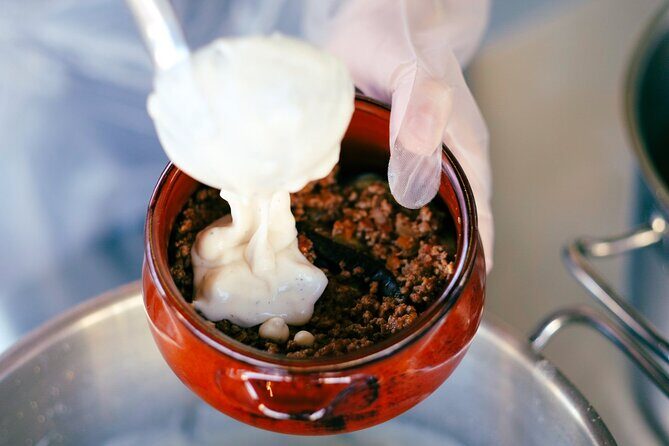
This isn’t a single “here’s a snack” stop. It’s a guided chain of tastings across bakeries, spice shops, dairies, delicatessens, and pie places—plus a final souvlaki meal.
Based on the foods people repeatedly mention, you should expect the kind of lineup that shows how Greeks snack and eat casually:
- koulouri (sesame bread rings) early on
- classic pastries like spanakopita and boureka
- cheeses and other dairy tastings
- honey and olive oil tastings (the tour specifically calls out premium products like these)
- a souvlaki finish: pork, chicken, or vegetarian
What this means for you: plan to eat breakfast lightly or skip it. More than one reviewer basically said the same thing—doing a heavy breakfast beforehand makes it harder to enjoy everything. If you’re the type who likes to graze and then still have room for dinner, this tour is built for that.
The last stop being souvlaki also helps. It’s not just another tasting you have to evaluate. You leave with something satisfying enough to stand in for a meal, especially if you’re traveling with kids or teens who want a clear win at the end.
The street-snack route through Athens: from Aiolou to smaller food shops
One of the smartest parts of this tour is the mix of “see the city” and “eat the city.” You’re not only walking between landmarks; you’re moving through everyday streets where food businesses actually serve Athens people every day.
A highlight is the stop on Aiolou Street. It’s a lively shopping corridor with street-level food shops, plus side streets that feel more local than postcard Athens. That combo matters because it shows how food culture and city life overlap. You’re seeing the retail texture—bakeries, small merchants, specialty items—rather than only big attractions.
And you’ll also get taken into smaller shops that don’t usually make it into tourist photo stops. That’s where you’ll hear the kind of practical explanations that help you later when you’re picking what to order. It’s also a big part of why many reviews praise the guides: they connect the snack to the neighborhood and to Greek eating habits.
Varvakeios Market: how to use this stop instead of just watching
Varvakeios Market is the anchor experience here, and it’s one you should treat like an ingredient classroom. You’ll see colorful stalls with fruit, seafood, meat, and local spices, and you’ll get guided context about how merchants think about freshness and variety.
What makes this market stop valuable isn’t just the sights—it’s the way you’re guided to look. I’d go in with a simple goal: identify what you’d actually buy later if you had time for a food shop. In markets like this, the “how to choose” lesson is half the experience.
Also, don’t be surprised if the market experience includes areas that look a bit intense up close. Meat and seafood markets are not staged. One reviewer even warned that you’ll see dead animals in the meat market, so keep your expectations grounded if you’re sensitive around that.
If you want to get more out of Varvakeios, ask your guide questions while you’re there. The tour format gives you that chance, because your guide is moving with you and you’re not stuck listening to a lecture while standing still.
Olive oil, honey, cheeses, and why these tastings work in Greece
Greek food is often explained with big words. This tour keeps it practical. The premium tastings mentioned—olive oil, honey, and cheeses—fit perfectly with how Greeks use these ingredients daily.
Here’s why that part matters for your trip:
- Olive oil isn’t just a product here; it’s a default flavor. Trying it in a tasting setting helps you notice differences you might miss later at dinner.
- Honey is usually treated like dessert, but in Greece it’s also a part of how people build simple snacks and breakfasts.
- Cheeses show up constantly—on their own, in pastries, alongside bread and cured meats—so a guided taste helps you understand what you’re actually ordering when you see a cheese board.
This is also where guides do real work. People frequently praise how guides explain what you’re tasting and why it fits Greek daily life. When a guide tells you what to notice—texture, salt level, sweetness, pairing—you’re not just collecting flavors. You’re learning how to make better choices at the next meal.
The souvlaki finish in Psyri: what you’re setting up for dinner
Ending in Psyri with souvlaki is a smart finish. Psyri is full of places to eat, but it can still feel like decision overload when you’re hungry. A final souvlaki stop gives you closure: you’ve done the tasting portion, and now you get something warm and filling before you go off on your own.
The tour includes souvlaki with options: pork, chicken, or vegetarian. That matters if your group has mixed diets, because you can still all sit down for the same general experience without turning it into a separate search.
My advice: after you finish, use the Athens map and the dining tips you’ve already gotten. If you’ve been guided toward a few “must-try” styles—like pies, grilled meats, or simple market snacks—you’ll be able to order faster and avoid the tourist-menu traps that turn Greek food into generic food.
Walking pace, summer heat, and what to wear
This is a walking tour. That sounds obvious, but it affects your comfort more than you might think—especially in summer.
You’ll want comfortable walking shoes, plus sun protection. Review notes point out that summer heat makes walking harder, and morning tours help. If you’re scheduling this in hot months, do it earlier rather than later. It’s an easy way to protect your energy so you can actually enjoy the tastings instead of just enduring the sun.
Also keep your basics ready:
- sunscreen and a hat
- water breaks when you need them
- a light appetite strategy (go hungry enough to taste, not so hungry you can’t handle the walking)
Finally, remember it’s a small group (max 16). That usually keeps the pace humane, but it doesn’t mean you won’t walk. Think of it as a half-day stroll with frequent food stops, not a bus tour with a few bites.
Price and value: what $83.44 buys you in real food terms
Let’s talk value plainly. $83.44 per person for about 3 hours 30 minutes can sound like a lot until you break it down.
You’re paying for:
- a local food specialist who guides you to the right places
- multiple tastings across different types of shops (bakeries, dairies, spice merchants, pie places)
- a market visit to Varvakeios with guided context
- practical extras: Athens map and guide magazine
- a guided finish with souvlaki
If you tried to replicate this on your own, you’d spend time figuring out where to go and what to order. Athens has plenty of options, but the “what should I try first” problem is real. Here, the order is done for you, and you’re guided to local establishments instead of random guesses.
That’s why the guide quality keeps showing up in praise. People mention that guides like Stella, Evelina, Vasilis, and Orestis kept the experience fun, informative, and paced well. When a tour like this works, it’s because the guide is sorting the choices in your head as you go.
Possible value wobble: one mixed review said the ending restaurant felt indifferent and that the food samples weren’t as plentiful or higher quality as expected. That’s not the dominant sentiment, but it’s a reminder to calibrate your expectations: the souvlaki finish is part of the included experience, but it’s still a casual food stop, not a fine-dining event.
Vegetarian options and food allergy reality
If you’re vegetarian, this tour can work well. Vegetarian options are available, and you’ll still end with souvlaki in your choice category (pork, chicken, or vegetarian).
One note to keep in mind: gluten-free options are described as limited. Also, the tour info asks you to inform the company of any food allergies. That’s important because tastings involve many ingredients across shops, and you’ll want clear communication before you’re faced with a choice in the moment.
If you have allergies, send your details in advance. On the day, repeat them to your guide early so everyone can handle it safely and smoothly.
What guides do best here: history that actually ties to the food
Some food tours toss trivia at you. This one tends to connect food to daily Greek life and city context.
Guides often explain:
- what each snack is and how people eat it
- how market ingredients influence everyday cooking
- the logic behind Mediterranean eating patterns (the tour description even points to how the Mediterranean diet became the model for healthy living today)
Even better, many reviews highlight that the guide makes the walk enjoyable, with humor and room for questions. If you’re traveling with teens, parents, or mixed-food-experience people, this kind of explanation helps everyone feel included—especially when the group is small enough that your questions don’t get lost.
Should you book this Athens Greek food and market tour?
Book it if:
- you want a half-day plan that includes Varvakeios Market plus multiple tastings
- you’d rather eat well than spend hours researching where to go
- you like walking with stops, not just sitting in one place
- your group includes someone vegetarian (vegetarian souvlaki is part of the deal)
Consider a different option if:
- shared tasting containers would make you uncomfortable
- you hate the idea of market environments where you’ll see meat and seafood handling
- you’re expecting a sit-down, restaurant-style food experience rather than a guided snack-and-stroll format
If you’re arriving in Athens for the first few days and you want to learn how to order and eat locally, this tour is a strong way to get your food instincts calibrated fast. Go hungry, wear sun protection, and ask your guide to help you pick your next meal after Psyri.
FAQ
How long is the Athens food tour?
It’s about 3 hours 30 minutes.
Where does the tour start and where does it end?
It starts at Syntagma Square (Plateia Syntagmatos) and ends in Psyri.
What’s included in the tastings?
You’ll sample snacks and dishes as you walk, with tastings featuring Greek products like olive oil, honey, and cheeses, plus the tour includes a final souvlaki (pork, chicken, or vegetarian).
Is the tour vegetarian friendly?
Yes, vegetarian options are available, including the souvlaki option. Gluten-free choices are described as limited.
Is hotel pickup included?
No. Hotel pickup and drop-off are not included.
Is the tour available in English?
Yes, it’s offered in English.
What group size should I expect?
The tour has a maximum of 16 travelers.
Are allergies accommodated?
You’re asked to inform the company of any food allergies. This is important because tastings involve multiple establishments and ingredients.