REVIEW · ATHENS
From Athens: City & Corinth Guided Day Tour
Book on GetYourGuide →Operated by Greece Athens Tours · Bookable on GetYourGuide
Greece packs a lot into one day here. You’ll tackle Athens first for the Acropolis and the Acropolis Museum, then head to Corinth for ancient ruins tied to early Christianity and Roman-era life.
I especially like the way this tour mixes the headline sights with meaning, not just photo stops. Two standouts for me are the Acropolis focus (Parthenon area highlights plus Erechtheion’s famous Caryatids) and the Corinth time that centers on the altar associated with St. Paul.
The one drawback to plan around is time. With a long full-day schedule and many outdoor ruins, you’ll still need to budget your energy and accept that the driver can’t escort you inside each site.
In This Review
- Quick take: what to pay attention to
- A Private Athens-to-Corinth Day: what you really get for the money
- Morning pick-up and the drive that sets the pace
- Corinth Canal, Kechries, and Acrocorinth: the views before the ruins
- The Temple of Apollo and Ancient Corinth ruins: where St. Paul’s message lands
- Acropolis 101 and the Acropolis Museum: start with symbols, then see the proof
- Athens city stops: Mount Lycabettus, Panathenaic Stadium, and the Parliament guards
- How the timing works: 9.5 hours, walking outdoors, and the no-escort inside rule
- The guides: why Nikos, Takis, and Odysseus keep showing up in the good stories
- Who should book this Athens + Corinth day trip?
- Should you book this From Athens City & Corinth Guided Day Tour?
- FAQ
- What is the duration of the Athens and Corinth guided day tour?
- Where does pickup happen?
- Is lunch included?
- Are entrance fees included?
- Does the tour include a skip-the-ticket-line feature?
- What’s included in the tour besides transportation?
- When is the Acropolis Museum open, and how much are tickets?
- What ticket options are mentioned for the Acropolis?
- What should I bring for the day?
Quick take: what to pay attention to
- Private group comfort: hotel or port pickup and a full route built around major sights
- Acropolis + Acropolis Museum: symbolism first, then artifacts that make the buildings feel real
- St. Paul stops in Corinth: you get both the ruins context and the Christian storyline tied to the altar
- Corinth Canal photo time: a short break that gives scale to how this region moved ships
- Guide flexibility in the real world: guides like Nikos, Takis, and Odysseus are repeatedly praised for adjusting to your day
- Entrance fees not included: you’ll want to pre-plan ticket spending before you go
A Private Athens-to-Corinth Day: what you really get for the money
This is a private, 9.5-hour tour priced at $471 per group up to 3. That price looks high if you’re thinking solo, but it starts making sense once you split it—especially because you’re getting round-trip transfers from your chosen pickup spot, plus an English-speaking driver/guide and built-in time structure for two major destinations.
What you’re paying for is not just transportation. It’s the benefit of someone steering the day: where to go first, how to keep the route efficient, and how to connect the dots between eras—Greek democracy, Roman power, and early Christian history. Guides named in feedback—like Takis and Odysseus—are often described as the reason the day felt smooth rather than rushed.
One practical reality: entrance fees are not included. The tour can save you hassle (it includes skipping the ticket line), but you still need to budget for site tickets, especially if you plan to use the Acropolis Museum ticket and any multi-site options.
You can also read our reviews of more guided tours in Athens


Morning pick-up and the drive that sets the pace
Your day starts with pickup from Athens or Piraeus (the port side). You’ll wait in the lobby about 10 minutes before your scheduled pickup time, then roll out with cold water and Wi‑Fi/mobile service included.
This matters more than it sounds. Corinth is a full-day commitment, and a guided structure helps you avoid the most common problem in Greece day trips: spending half your time figuring out logistics instead of seeing sights. The drive time is listed as about one hour each way, so the tour stays “day trip feasible” instead of “why did I schedule this” territory.
As you move, expect a running history thread—one of the most praised aspects in feedback. People repeatedly highlight the way guides connect architecture and geography while you’re traveling, so you arrive at stops already knowing what you’re looking at.
Corinth Canal, Kechries, and Acrocorinth: the views before the ruins
The Corinth portion begins with a scenic stop at the Corinth Canal (about 20 minutes). Even though it’s short, this stop is a smart warm-up: you see how this region can slice routes and control movement. It’s also one of those quick places where your photos will actually make sense, because the scale is obvious.
From there, you move toward the Corinth area itself with a guided visit at Kechries (about 30 minutes). This is one of those stops that helps you understand the setting around ancient Corinth, not just the city core. If you like context, Kechries is a nice bridge between the modern canal and the ancient sites you’ll tackle next.
Then comes Acrocorinth, which the tour frames with scenic views on the way (about 30 minutes). The big value here is that you’re getting your bearings before you hit the densest ruins. Bring comfortable shoes, because you’re dealing with uneven ground and outdoor conditions.
The Temple of Apollo and Ancient Corinth ruins: where St. Paul’s message lands
Corinth is the part of the day where the tour becomes more than archaeology homework. You’re there for a cluster of ancient landmarks, plus the Christian story tied to St. Paul speaking in the area.
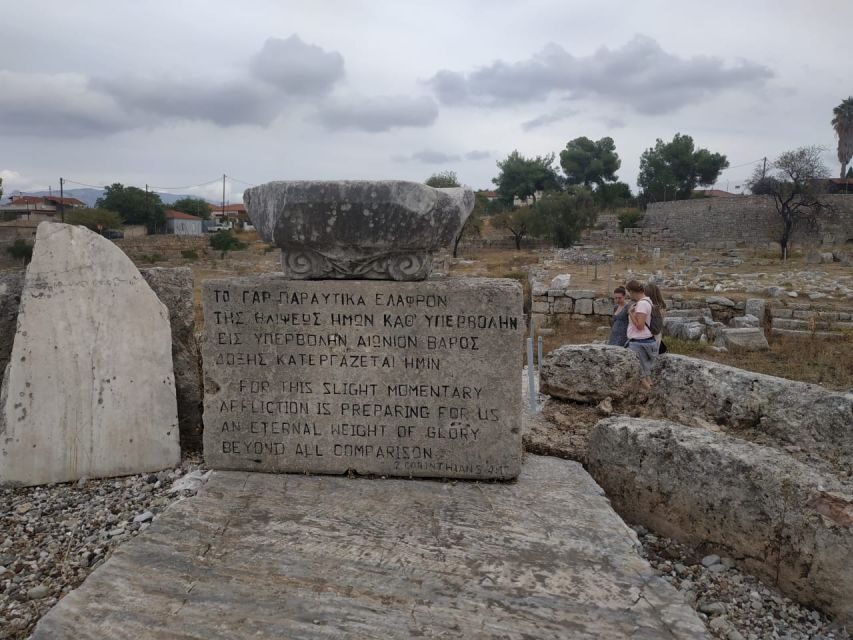
First up is the Temple of Apollo in Corinth (about 1 hour) with a self-guided visit. Self-guided can be great on a long day: you can move at your own pace and spend more time where you’re curious. The tradeoff is that you’ll want to listen closely during earlier parts of the tour, because you’ll be responsible for spotting details once you’re inside.
Next is Ancient Corinth, where the schedule includes a break for lunch (optional), free time, and shopping. You’ll see the ruins of two theaters, the Temple of Apollo, temples from the Roman period, and the altar area connected to St. Paul speaking about the new religion.
Two helpful notes for planning:
- Outdoor ruins mean you should pace yourself. There’s a lot of ground to cover, even if the stop times are structured.
- You’ll likely want to take a few minutes to just look around from where you’re standing, because the theaters and temple sites only feel powerful when you understand how a crowd would have moved through the space.
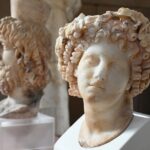
The tour also highlights the Corinth Museum, described as interesting because it holds artifacts from multiple periods. It’s also where you’ll see statues of Roman emperors, which is a neat way to connect what you see in ruins to the people and power structures behind them.
Acropolis 101 and the Acropolis Museum: start with symbols, then see the proof
Back in Athens, the day shifts into the core icon route: the Acropolis (about 1 hour) followed by time at the Acropolis Museum.
This is one of the smartest parts of the itinerary because it avoids a common trap. If you go only to the Acropolis, you can leave feeling like you saw stone and scaffolding. If you add the museum afterward, the day turns into a story you can actually hold.
On the Acropolis, you’ll focus on major structures tied to democracy and classic design. The highlights listed include:
- the Parthenon (described as the most perfect building in the world)
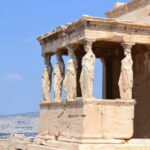
- the Erechtheion, famous for its Caryatids
- the Propylaea
- the reconstructed Temple of Athena Nike
Then you move to the Acropolis Museum, open 8 AM to 8 PM, with tickets noted at €10. The tour points out that the museum has been voted fifth best in the world, but what matters for you is simpler: it gives you context. Artifacts from different periods help you connect the architecture you saw outside with the real materials and objects that came from those spaces.
Also, the tour includes skip the ticket line, which can save real time when you hit peak hours.
You can also read our reviews of more city tours in Athens





Athens city stops: Mount Lycabettus, Panathenaic Stadium, and the Parliament guards
The Athens half isn’t only the Acropolis. The route includes a broader city loop with photo opportunities and short stops that help you see Athens as a living place, not a single monument.
You’ll pass the Temple of Zeus (often called the largest temple of ancient Greece) and you also get an Arch of Roman Emperor Adrian mention in the tour highlights. That Roman connection matters because it shows how Athens kept adapting long after the classical era.
There are also extra sights that can make this feel more like a real city visit:
- a panoramic viewpoint from Mount Lycabettus (for pictures)
- the Changing of the Guards at the Parliament
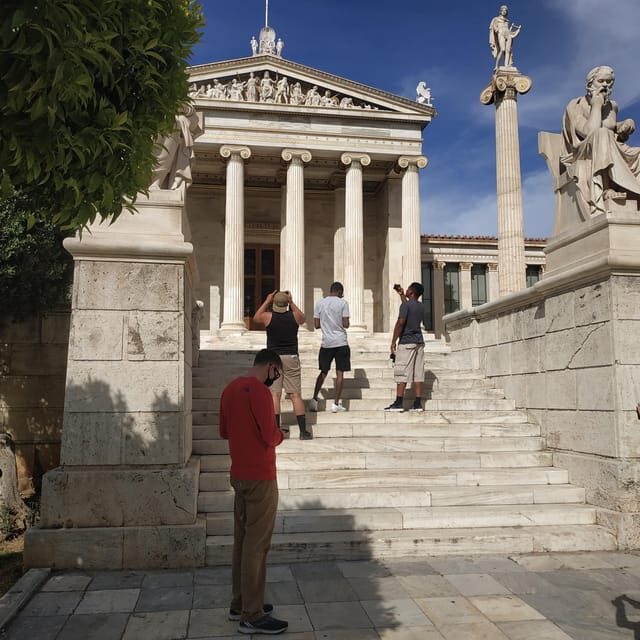
- neoclassic buildings around the city center, including the University of Athens and the Academy of Art and Sciences, plus the National Library
- a stop connected to Sleiman (the German archaeologist who found Troy)
The itinerary includes specific photo time at Panathenaic Stadium (about 15 minutes). This is the stadium that hosted the first modern Olympics in 1896, so the stop has meaning even if it’s brief.
Then there’s time in Plaka (about 30 minutes) for free exploration and shopping. This is a practical way to end the day: you can grab a snack, pick up small souvenirs, and decompress without committing to another long walking session.
How the timing works: 9.5 hours, walking outdoors, and the no-escort inside rule
This tour runs long enough that you’ll want to travel smart. It’s about 9.5 hours total, with transfers and multiple stops. The schedule is designed to keep moving, but you still need to expect heat, sun, and uneven surfaces—especially in the Acropolis area where the information warns it can be slippery.
A couple of timing and operational details you should know:
- The order of visits can change based on circumstances.
- The driver cannot escort you inside the sites. That means you’ll still handle entry and moving through the sites on your own once you arrive.
- You’re getting an English-speaking driver/guide, but entrance fees and licensed guiding inside the sites are not included.
If you want to plan your ticket budget, here are the specific numbers given:
- Acropolis Museum: €10
- Acropolis multi-tickets: €30, with access including the Temple of Zeus, Ancient Agora, Roman Forum, Kerameikos, and Theater of Dionysos
- Corinth: €8 in summer, €4 in winter
- Seasonal opening hours apply (Acropolis Museum is broader; Acropolis hours vary by season)
One more practical tip: this is a “bring your shoes and mind” day. Wear comfortable footwear and plan for stairs and sloped ground. In summer, the guidance is light clothing and athletic shoes, and avoiding dark colors.
The guides: why Nikos, Takis, and Odysseus keep showing up in the good stories
The most praised aspect pattern in the feedback is the human part: the driver/guide quality. People mention guides such as Nikos, Takis, Odysseus, Spiros, and Demitrios for being flexible, friendly, and focused on explaining what you’re seeing.
You can take two useful lessons from that:
- Ask questions early. If the guide is the type who enjoys sharing details (many are described that way), your curiosity gets you more than a scripted talk.
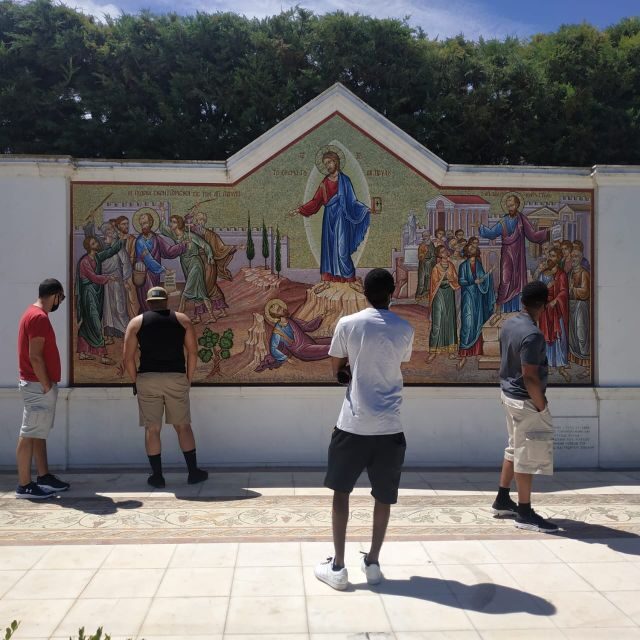
- Tell them what you care about. Feedback includes examples of guides adjusting to shorter cruise stays and adding extra stops like a church fresco in Corinth or other personal preferences. That kind of flexibility is the difference between a checklist day and a personal one.
There’s also mention of guides doing more than just “drive you around,” including helping with photos. If you’re traveling as a couple, that alone can be worth it.
Who should book this Athens + Corinth day trip?
This works best if you fit at least a few of these boxes:
- You’re visiting Athens and want Corinth without arranging two separate trips
- You like history and want the day connected by a theme, including St. Paul’s story
- You’re short on time (cruise port days or first-time Athens visits)
- You want a private group with less friction than a big coach tour
- You prefer practical guidance plus time to roam at key moments (Acropolis Museum, Plaka, parts of Corinth)
It may feel like a lot if you hate walking outdoors, dislike early starts, or want long museum time with no schedule. The tour is structured for highlights, not for leisurely wandering all day.
Should you book this From Athens City & Corinth Guided Day Tour?
Book it if you want the smart combo: Acropolis + Acropolis Museum + Corinth’s ruins and St. Paul sites in one guided, private day. The value improves if you’re traveling as a pair or a trio because the price is per group up to 3, and you’ll also appreciate the included transfers, water, and the professional route planning.
Skip it (or plan differently) if you:
- don’t want to handle entrance fees on your own
- need long sit-down time at museums
- dislike tight scheduling and self-guided site segments
If you do book, make the day easier on yourself: wear solid shoes, bring a light layer for sun and shade, and pre-plan your ticket budget for the Acropolis Museum and site entries.
FAQ
What is the duration of the Athens and Corinth guided day tour?
The tour runs about 9.5 hours.
Where does pickup happen?
Pickup is offered at Athens or Piraeus (port), and also from other preferred Athens locations like your hotel or cruise ship drop-off point.
Is lunch included?
Lunch is listed as optional during the Ancient Corinth break.
Are entrance fees included?
No. Entrance fees are not included, and the tour does not include licensed guiding inside the sites.
Does the tour include a skip-the-ticket-line feature?
Yes, it includes skipping the ticket line.
What’s included in the tour besides transportation?
Included items are round-trip transfers, an English-speaking driver/guide, cold drinking water, a mobile phone, and Wi‑Fi.
When is the Acropolis Museum open, and how much are tickets?
The Acropolis Museum is open 8 AM to 8 PM, and tickets cost €10.
What ticket options are mentioned for the Acropolis?
There is an Acropolis multi-ticket option for €30, which includes admission to the Temple of Zeus, Ancient Agora, Roman Forum, Kerameikos, and the Theater of Dionysos.
What should I bring for the day?
Bring a passport and comfortable shoes.



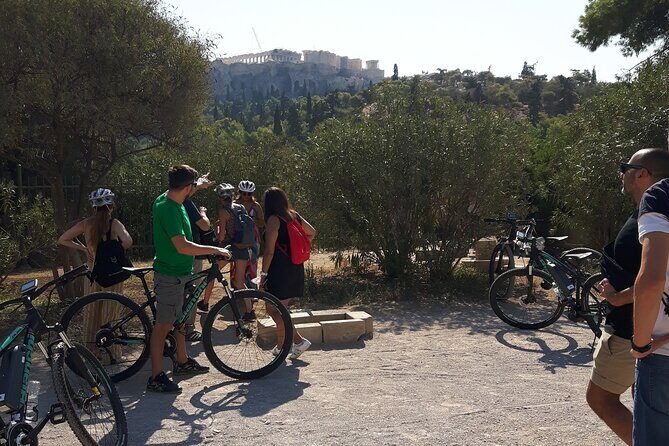
More Guided Tours in Athens

More Tours in Athens


More Tour Reviews in Athens
- All Day Cruise -3 Islands to Agistri,Moni, Aegina with lunch and drinks included
★ 5.0 · 4,958 reviews