REVIEW · ATHENS
Greek Food Walking Tour in Athens
Book on Viator →Operated by Athens Walks Tour Company · Bookable on Viator
Your Athens appetite is about to get a workout. This Greek Food Walking Tour in Athens strings together 6 stops and 12 tastings across Monastiraki, the central market area, and Psirri, with an expert local food leader explaining what you’re eating and why it belongs here. I like the way the walking route blends food with recognizable old-city landmarks and lively streets.
I also love the focus on the details that make Greek food make sense, from olive oil and cheese pairings to the coffee and sweets rhythm of the day. Come with an empty stomach because the servings are big, and the plan is not built for picky eating. One real consideration: this tour is not suitable for vegans and it’s not recommended for gluten-free diets.
In This Review
- Key things to know before you go
- The walk from Monastiraki to Psirri (and why the route works)
- Monastiraki first: Hadrian’s Library vibes and koulouri momentum
- The central market stop: where fish, meat, and produce tell the story
- Psirri: meze culture, live music, and dessert timing
- Aiolou’s in-between moment and the herb-spice street idea
- What you’ll actually eat (and how the tasting flow works)
- Small but important diet notes
- The fish-and-meat market visit: why it’s more than a photo stop
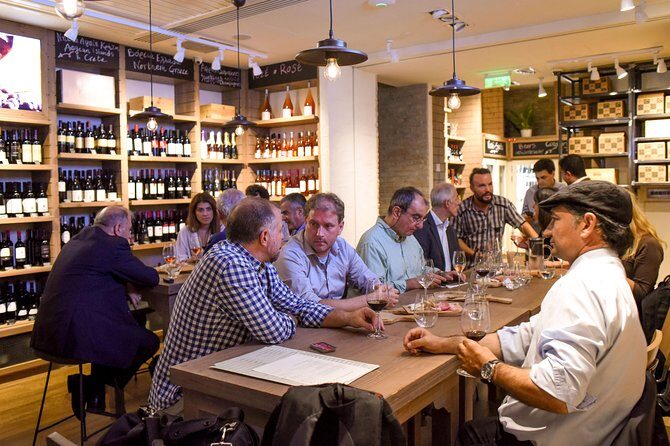
- Wine and tsipouro: plan for 18+ and pacing
- The guide is the product: Adele, Ana, Anna, Maria, and Tonia
- Price and value: $87.07 for a full meal circuit
- Who this Athens food tour suits best
- Tips to show up ready (and actually enjoy everything)
- Should you book the Greek Food Walking Tour in Athens?
Key things to know before you go
- 6 food stops, 12 tastings so you get variety without having to guess what to order
- Monastiraki + Central Market + Psirri gives you a good mix of sights, markets, and evening-street energy
- Fish and meat market visit helps you understand where the food culture starts
- Local wine and tsipouro are part of the experience if you’re 18+
- Max group size of 12 makes it feel more personal, not like you’re shuffled along
The walk from Monastiraki to Psirri (and why the route works)
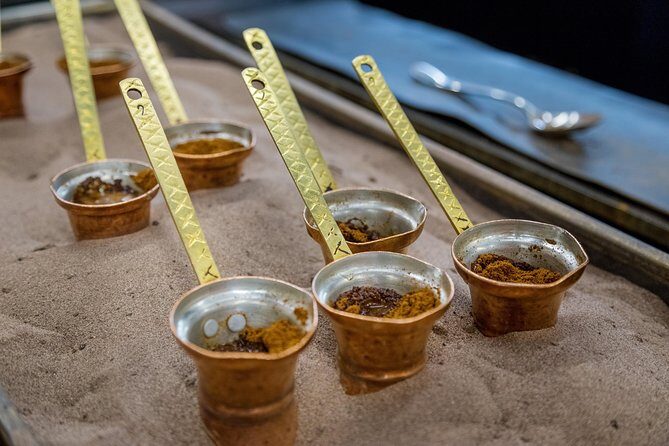
This tour is built around a simple idea: Athens food is best understood where people actually buy it and eat it. You start at the Holy Church of the Virgin Mary Pantanassa in Monastiraki (Pl. Monastirakiou, Athina 105 55). From there, you move through areas that feel different block to block, so you’re not just hopping between restaurants in a straight line.
The total time is about 3 hours 30 minutes, and it’s a comfortable walking pace for most people. You also end back near the start, so you’re not stuck figuring out transportation at the end of the meal marathon.
The big value here is balance: you get a little archaeology-and-neighborhood context first, then your food day becomes more market- and street-driven. That matters because Greek cuisine isn’t only about dishes—it’s also about how ingredients move from market to kitchen to table.
You can also read our reviews of more walking tours in Athens



Monastiraki first: Hadrian’s Library vibes and koulouri momentum
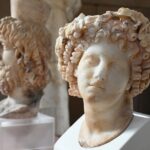
Stop 1 is Monastiraki, one of Athens’ most useful “orientation zones.” You’ll walk near recognizable ancient layers like the ruins of Hadrian’s Library, the Ancient Agora, and the rebuilt Stoa of Attalos area, plus an on-site museum that highlights Athenian artifacts. Even if you’re not spending time in museums, this part sets the stage: you’re learning that Athens food culture has deep roots, long before anyone tried to label it trendy.
In the same area, the street scene turns practical and modern. Monastiraki Flea Market is a chaotic mix of small shops—think artisanal soaps, handmade sandals, and souvenir T-shirts. It can look like pure browsing, but the tour uses it as a backdrop for how locals shop and snack. You’ll also notice traditional tavernas and restaurants clustered around the area, some with views toward the Acropolis.
Timing here is short—about 15 minutes, with free admission for what’s listed. The tradeoff is that you won’t have time for a full deep museum day. But for a food tour, that’s fine. The goal is to set the atmosphere and keep you hungry.
You also pass by Aiolou Street, named after Aeolus, the god of winds in Greek mythology. It’s the kind of detail that makes the walk feel grounded in place, not just a line on a map.
The central market stop: where fish, meat, and produce tell the story
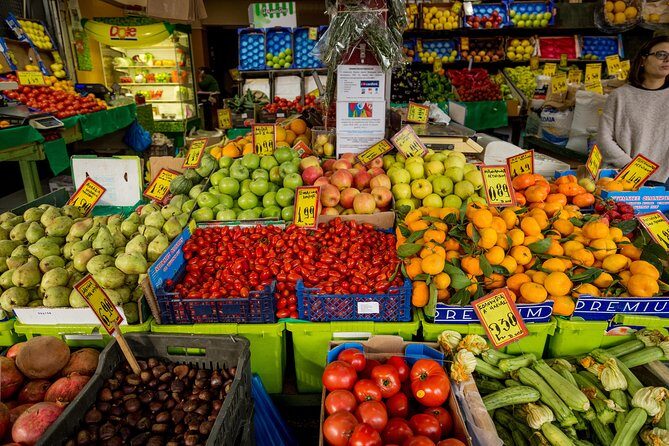
Next up is Central Market Athens for about 30 minutes (listed as free admission). This is where the tour becomes more than “taste a few things.” You’re seeing a working food hub: fish, meat, and produce sold in one concentrated area, often alongside small places ready to serve food right away.
Why this matters: Greek meals rely heavily on fresh ingredients and straightforward preparation. When you watch people buying fish and produce, and you see where the day’s meals can be assembled quickly, the menu stops being random. It starts to feel logical.
This is also one of the most informative parts if you like learning the “food map” of a city. You’re getting a sense of what’s available, what people prioritize, and how markets shape what ends up on tavernas’ plates later that day.
A practical note: market areas can be busy and walkways can feel tight. Wear shoes you trust for uneven pavement and keep your phone secured like you would in any crowded market.
Psirri: meze culture, live music, and dessert timing
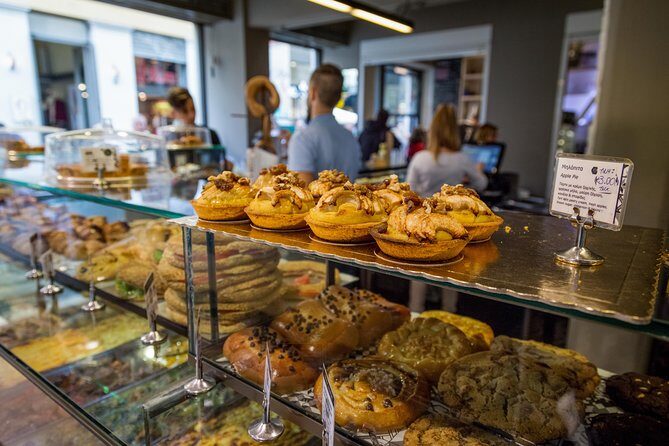
Stop 3 is Psirri, about 30 minutes, again with free admission listed. You’ll spend time around Iroon Square and the streets that radiate from it. This area is especially connected to the “meze and music” side of Athens nightlife, including rembetika—often described as Greek blues.
On this part of the route, it’s not only about what’s served. It’s also about the pace of the neighborhood. Eateries around here commonly offer meze, and you may notice live music as you walk. There are also bars with DJs that stay open later, while tavernas keep traditional dishes coming—like meatballs and Greek salad—for people who want dinner before the night fully kicks in.
You’ll also spot small artisan shops with items like handmade leather bags, indie fashion, and offbeat homewares. That street-level mix makes the food feel like part of daily life, not a staged tasting event.
The drawback: if you’re hoping for only “ancient Athens” scenery, Psirri is the contrast. It’s more modern street energy than classical ruins. But if you want the full Athens picture—where food and music share the same streets—it’s a great fit.
Aiolou’s in-between moment and the herb-spice street idea
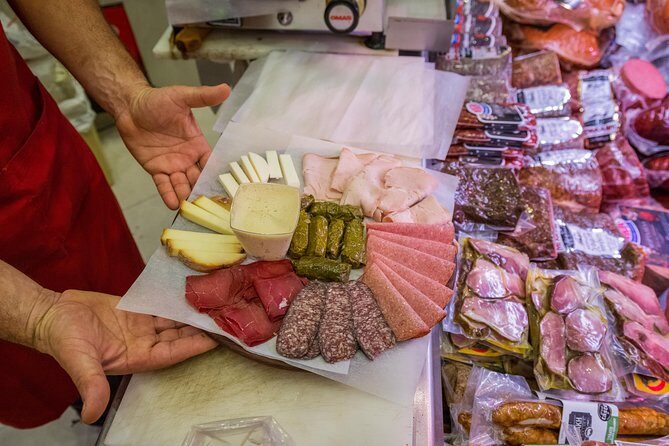
Between the main stops, you get little connective tissue that helps the walk feel like Athens, not only Athens food. Aiolou Street appears as a named myth reference to wind—small, but memorable. You also have a note about the herb and spice street of Athens.
Even if you don’t have time to buy much there, it’s useful context. Greek cooking depends on herbs, spices, olive oil, and simple flavor building. Seeing the spice-focused side of town reminds you that the tastes you’re about to sample didn’t come from a fancy lab—they came from regular shops and everyday buying habits.
You can also read our reviews of more food & drink experiences in Athens






What you’ll actually eat (and how the tasting flow works)
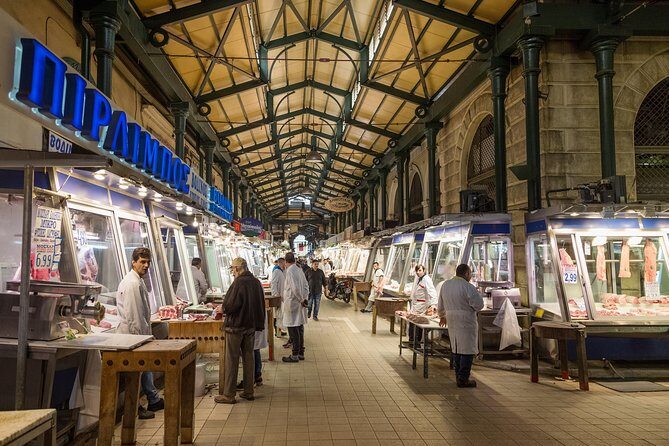
The tour’s sample menu gives you a good picture of the “one day, many bites” style. You can expect starters like koulouri (sesame bread rings) and local coffee, plus a sequence of savory plates and bread-based items. The menu lists things such as:
- Koulouri
- Mezedes plates (small dishes as a shared style)
- Bread with tomato sauce
- Local pies
- Souvlaki
- Yoghurt with honey
- Local wine and tsipouro
- Loukoumades (Greek donuts)
This is the part that most influences your experience, because the order matters. The tour is designed so you start with quick, grab-and-go bites (like koulouri), then move into more meal-like tastings (mezedes and souvlaki), and finish with dessert that feels like a natural wrap-up rather than an afterthought.
It’s also why they warn you to not eat before. The included plan is plenty of food—and the reviews back that up with the very consistent theme of people leaving stuffed.
Small but important diet notes
- Vegetarians are supported. You can inform the guide about diet preference or allergies on the spot.
- Vegans are not supported based on the tour info.
- Not recommended for gluten-free intolerance. If that’s your situation, don’t “hope it works out.”
If you have allergies, speak up early and clearly. This kind of tour uses multiple local vendors, so you want the guide to know before the first tasting.
The fish-and-meat market visit: why it’s more than a photo stop

One of the included items is a visit to the fish and meat market, and it’s a smart inclusion. Markets aren’t only for shopping. They’re where you learn what’s treated as normal food in a place, and what’s seasonal, fresh, or daily.
When you see the range of what’s offered, you’ll understand why Greek meals so often feature straightforward preparations. It’s not about complicated staging. It’s about quality ingredients and simple cooking done well.
Also, this section is a good reset in the schedule. You’ve already had a historic, street-market neighborhood intro. Then you shift into a more ingredient-driven stop. It keeps your attention sharp and your appetite focused.
Wine and tsipouro: plan for 18+ and pacing
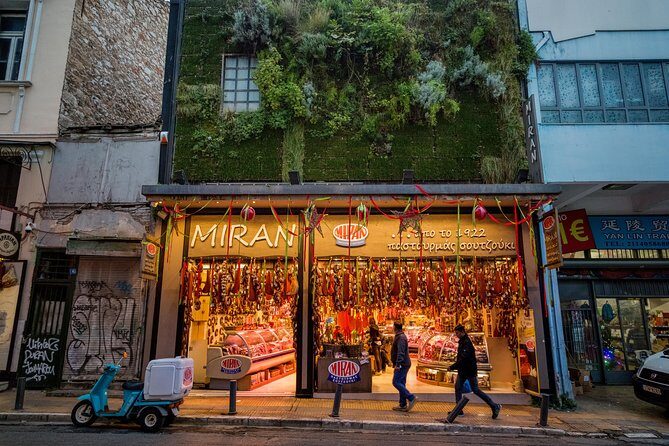
The menu includes local wine and tsipouro, and the tour info states the minimum drinking age is 18. This is useful to know if you’re traveling with mixed ages or if you prefer to keep alcohol light.
The best way to think about this is pacing. You’re tasting multiple things across multiple stops. That means the alcohol portion is part of a broader meal flow, not something you can treat like a full wine tasting event on its own.
If you’d rather limit drinking, you can usually still enjoy the experience and the food. But the tour is built around tastings, so don’t plan on skipping half the offerings.
The guide is the product: Adele, Ana, Anna, Maria, and Tonia
On this tour, the guide makes a big difference. The reviews repeatedly praise the people leading the walk—especially guides like Adele, Anna, Ana, Tonia, Dorela, Maria, and Alexandra. What stands out is the mix of food knowledge and real conversation.
For example, Adele and Ana come up in the feedback for turning the food day into cultural context, with lots of room for questions. Anna is mentioned for adding extra education about the neighborhoods while still keeping the pace relaxed. Maria earns praise for kindness and for bringing the food stories to life. Tonia shows up in the comments for handling vegetarian needs and allergy restrictions with care.
One specific kind of learning shows up too: a geography-style explanation of Greek products, including regions for wine, olive oil, olives, and feta. That kind of framing is gold because it gives you a lens for the rest of your trip—you’ll notice those ingredients in menus afterward and understand what you’re ordering.
If you can, pick your day with a guide in mind and be friendly with your questions at the start. Small conversations with the guide often lead to better restaurant picks later.
Price and value: $87.07 for a full meal circuit
At $87.07 per person for about 3 hours 30 minutes, this tour isn’t cheap in the headline sense. But the value comes from what’s included: food and drink, 6 food stops (12 tastings), and a structured walk through neighborhoods plus a market visit.
You’re not paying for one meal and a bit of walking. You’re paying for a guided tasting plan that stops you from having to research where to go for koulouri, mezedes, souvlaki, and loukoumades, then pay for each piece separately.
Two practical points that affect value:
- The group size cap is 12, so you’re less likely to feel like a number in a large herd.
- The food volume is repeatedly described as enough to skip later dining. If that matches your appetite, it can feel like a bargain.
A balanced note: there is at least one mixed review where the food felt average and the alcohol pours were described as small. That doesn’t erase the overall pattern, but it’s a reminder that tasting experiences can vary a bit depending on the exact stops and pacing on the day.
Who this Athens food tour suits best
This is a strong choice if you:
- Want a first-timer Athens food orientation without spending your day Googling restaurants
- Enjoy market life and street neighborhoods as much as major sights
- Prefer small groups and a guide who talks through what you’re eating
It’s a poor fit if you:
- Need a vegan itinerary
- Have gluten-free intolerance and want reliable substitutions
- Expect a light snack walk instead of multiple stops with real servings
Also, if you’re the type who hates eating a lot outdoors, plan for breaks and bring a water bottle when you can.
Tips to show up ready (and actually enjoy everything)
Do these and the tour will feel smoother:
- Skip breakfast or go very light, because the food amount is designed to be plenty.
- Wear shoes made for real walking. Market streets and side streets can be uneven.
- If alcohol is not your thing, decide early. The tour includes wine and tsipouro as part of the program.
- If you have allergies or dietary needs, tell your guide clearly at the start so you’re not guessing mid-tour.
One more pro tip: take mental notes as you go. Guides often suggest where to eat next, and having a “food memory” from the tour makes it easier to choose later meals without over-ordering.
Should you book the Greek Food Walking Tour in Athens?
If you want a practical, delicious way to connect Athens food to the neighborhoods that make it, I think this tour is worth your time. The combination of Monastiraki landmarks, a real central market experience, and Psirri meze-and-music streets gives you a fuller picture than a standard restaurant crawl.
Book it if you can eat Greek food without restrictions like gluten-free intolerance and you’re comfortable with a tour that feeds you enough to change your whole day. If you’re vegetarian, you have a path—just communicate your needs on the spot.
Skip it if you’re vegan or gluten-free and want a guaranteed safe menu. In that case, you’ll likely feel stressed, and the whole point of a food tour is to relax and enjoy the walk.
If you do book, go in hungry, ask your guide questions, and let the route do its job: you’ll finish with a better understanding of what to order in Athens tomorrow, not just today.


More Walking Tours in Athens


More Tours in Athens



More Tour Reviews in Athens
- All Day Cruise -3 Islands to Agistri,Moni, Aegina with lunch and drinks included
★ 5.0 · 4,958 reviews