REVIEW · ATHENS
Athens: Food Market Visit and Cooking Class with Wine
Book on GetYourGuide →Operated by Endless Events IKE · Bookable on GetYourGuide
Greek food is more fun than it sounds.
This 4-hour Athens class ties together a real market walk with hands-on cooking, so you go from ingredients in hand to a finished meal at the same place. I especially like the Varvakios Agora shopping with a cook and the fact you end with wine plus a Greek digestif. One consideration: the start includes market stops that may involve meat or fish, so if you’re strict vegetarian, be prepared for that part.
What makes it feel personal is the teaching style. Instructors like Vasia and Thanasis get praised for keeping everyone involved and turning the kitchen into a friendly, chatty room. You’ll also get recipes, so the value isn’t just the meal—it’s what you can repeat when you’re back home.
In This Review
- Key points to know before you go
- Getting started at The Greek Kitchen on Athinas 36
- Varvakios Agora: shopping with a cook, not following a script
- The cooking lesson: five dishes that teach Greek food fast
- Dolmades
- Spanakopita
- Imam Baildi
- Portokalopita
- Tzatziki
- How the instructors keep it fun (and not intimidating)
- Wine, soft drinks, and the Greek digestive shot
- Recipes included: what you can bring home
- Value check: is $81 for four hours worth it?
- Small practical notes (the stuff that actually matters)
- Who should book this cooking class with market visit?
- Should you book it?
- FAQ
- How long is the cooking class and market visit?
- Are there different start times?
- Where do I meet for the experience?
- What dishes are included in the menu?
- Can the class accommodate dietary needs?
- Will there be wine and other drinks?
- Is this experience suitable for wheelchair users?
Key points to know before you go
- The market walk is part of the lesson, not just a photo stop
- You cook multiple dishes, not one quick recipe
- Wine and Greek liquor show up with your meal, not at the bar later
- Dietary needs can be handled with notice, including gluten-free care
- The class works in teams, so you’re not stuck watching
- Comfort matters: bring good shoes and expect some walking and basic seating
Getting started at The Greek Kitchen on Athinas 36
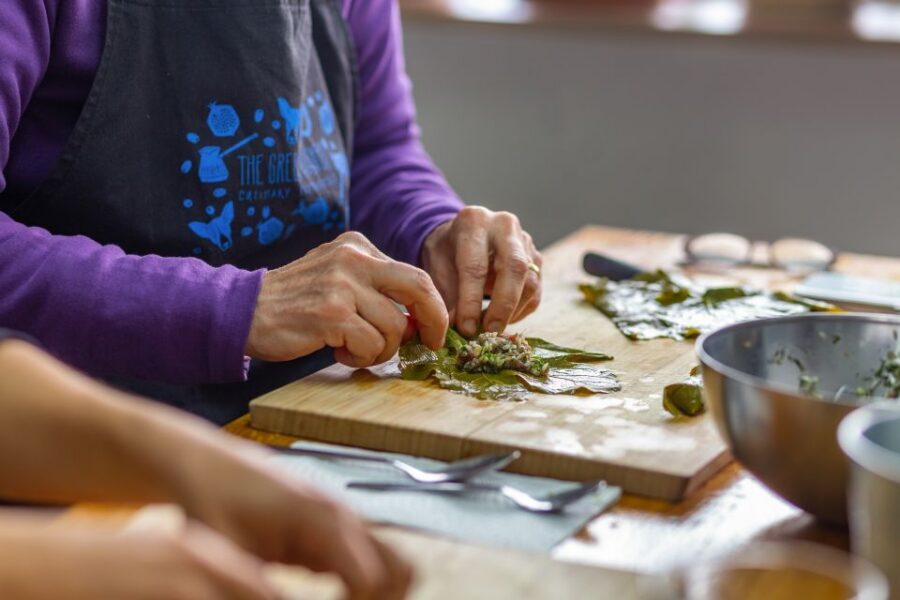
Your experience begins at The Greek Kitchen, a small homey cooking space on Athinas 36 (1st floor). This first step matters more than it sounds. You can drop off what you don’t want to carry, then switch gears from sightseeing mode to food-prep mode.
From there, the staff keep things practical. Expect a quick setup so you’re ready to shop and cook without feeling rushed. The teaching is designed for mixed comfort levels—people who are nervous in a kitchen still get guided through what to do. That’s huge if you’ve ever cooked something at home and thought, Why does it always go sideways.
Also, the class runs with instruction in English and Greek, so you can ask questions without feeling like you’re missing the point. And yes, the vibe is social. You’re around other people learning the same dishes, which makes it easier to relax and jump in.
You can also read our reviews of more food & drink experiences in Athens


Varvakios Agora: shopping with a cook, not following a script
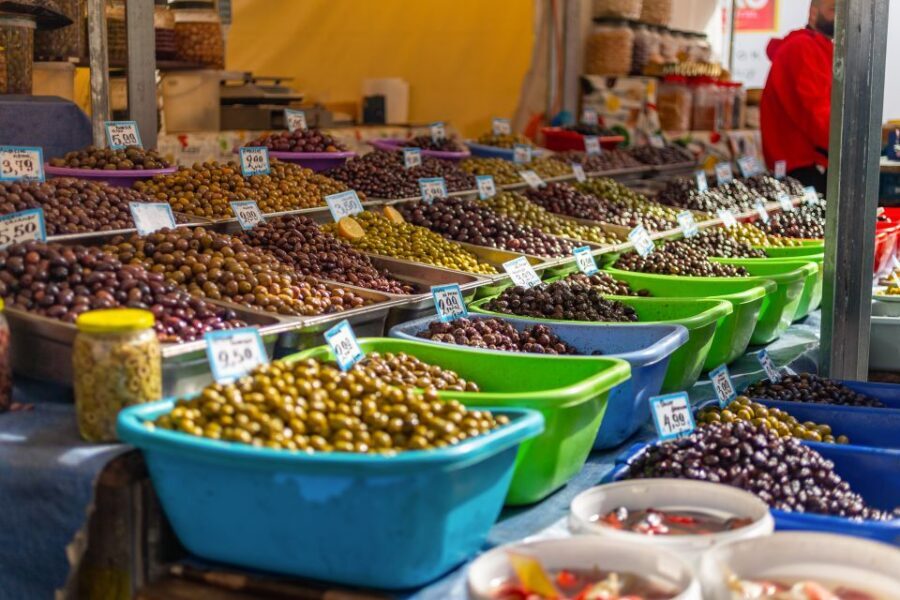
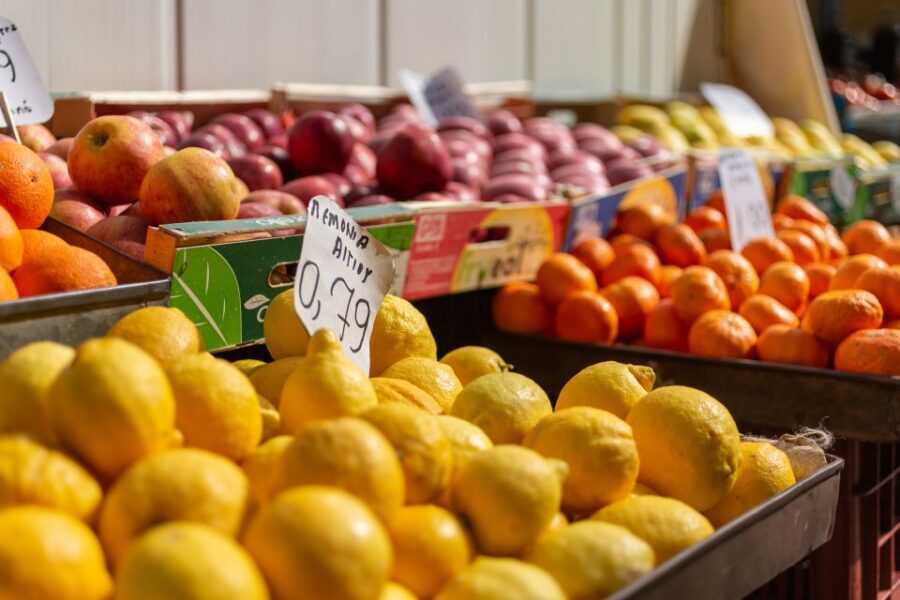
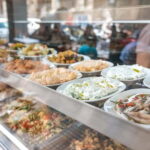
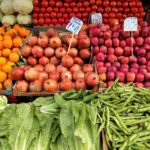
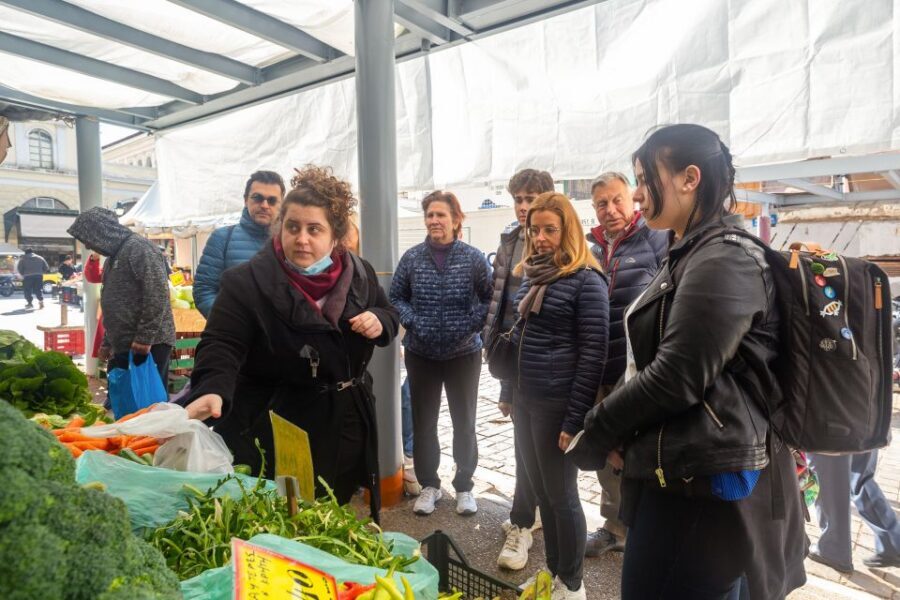
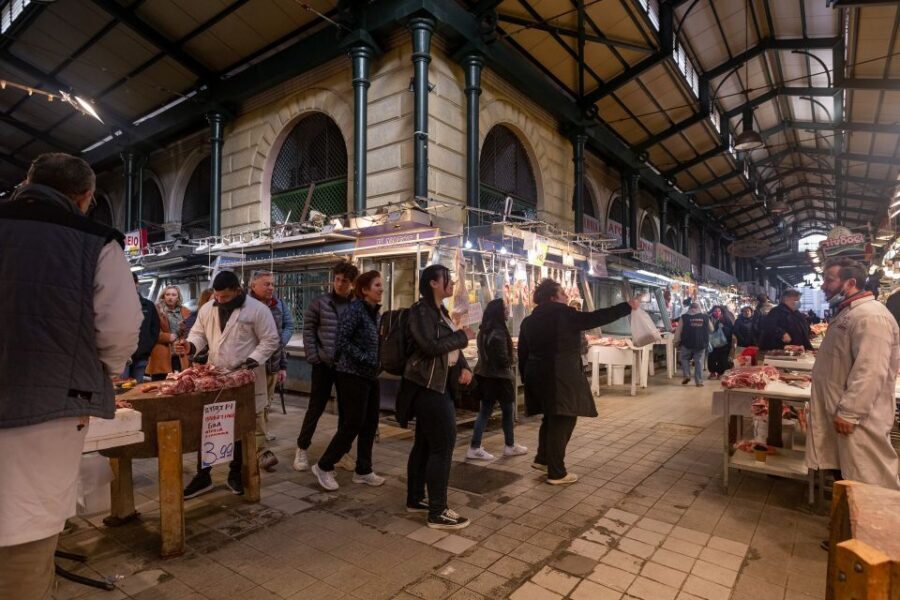
Next you head out to Varvakios Agora, Athens’s central produce market. This is where the experience earns its keep. You’re not just “walking through” a market. You’re shopping with your cook, learning what ingredients matter and why certain products show up in traditional dishes.
Think of this stop as ingredient training. You’ll have the chance to meet local traders and see the flow of the market up close—fruit, herbs, and vegetables that look better than anything that’s been traveling for days. You also learn what to look for when you’re choosing for flavor, not just for color.
One timing note: you’ll do about 30 minutes of walking during the tour. Wear comfortable shoes and dress for the weather. If it’s hot, you’ll want shoes you can stand in without regret.
The other heads-up is diet-related. The market portion may include meat or fish. Some people who are vegetarian felt a bit uncomfortable with that start. If you’re sensitive to that, you should know it’s part of the real Athens market experience, even though the rest of the class can still cater to dietary needs.
The cooking lesson: five dishes that teach Greek food fast
Back at The Greek Kitchen, your hands go to work. What I like about the menu is that it teaches core Greek flavors across different cooking styles: pastry, braising/steeping, roasting, sauce-making, and a phyllo-based dessert.
Here’s what you’ll cook:
Dolmades
These are vine leaves wrapped around herb-infused rice, with the option to add beef if you want. Even if you skip meat, the vine-leaf technique is the star. It’s the kind of dish that tastes like it has been perfected over generations, but the class format helps you actually understand the steps.
Spanakopita
You’ll make spinach pies with feta and a creamy, salty touch, all wrapped in pastry. This dish teaches you how Greek cooking balances richness with acidity and seasoning. If you’ve only had spanakopita that tastes flat, this is how it should taste.
You can also read our reviews of more tours and experiences in Athens



Imam Baildi
This dish is roasted eggplant topped with a rich sauce and feta, inspired by stories connected to Greek refugees from Asia Minor. In the class setting, you’ll learn how to turn eggplant from plain to satisfying. It’s also a great reminder that Greek cuisine isn’t only about meat—eggplant is a serious player here.
Portokalopita
For dessert, you’ll make orange pie with cinnamon using phyllo pastry, oranges, and cinnamon. This one is often a crowd favorite because it’s not overly heavy, and the aroma hits fast. If you’ve never had orange desserts that taste like warm spices, get ready.
Tzatziki
You’ll finish with tzatziki, combining Greek yogurt, cucumber, and garlic. This is one of those dishes where technique beats shortcuts. When you make it in class, you understand why it tastes bright and clean with just the right bite.
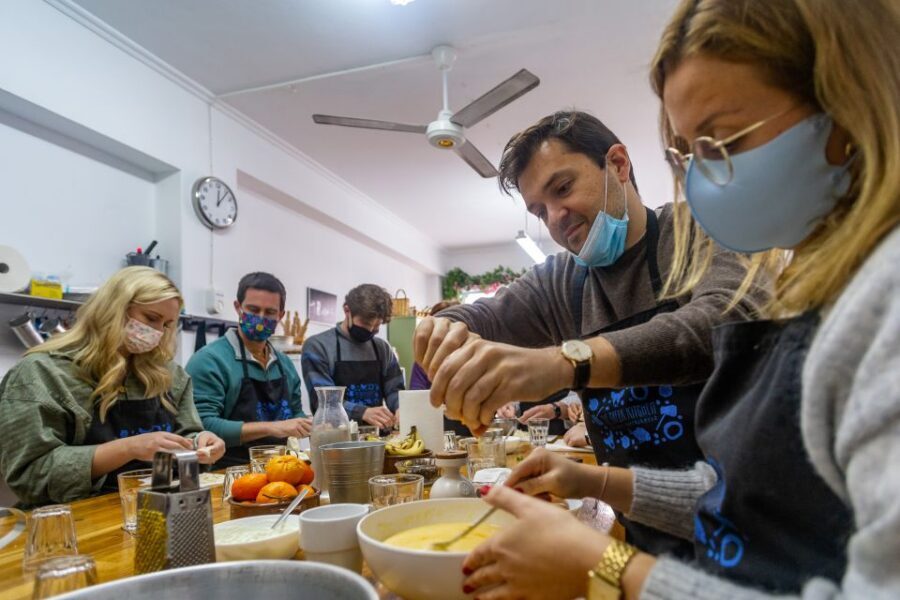
And yes, the pacing is built to keep you involved. People are seated in small groups, and the instructor encourages team effort so everyone gets a chance to chop, roll, stir, and taste. One thing you’ll hear again and again in these classes is pride in food—many participants describe instructors pointing out origins of ingredients and teaching the cultural reasons behind the methods.
How the instructors keep it fun (and not intimidating)
Cooking classes can go two ways: strict and silent, or friendly and chaotic. This one leans friendly.
Instructors such as Vasia, Thanasis, and Despina get praised for being funny, welcoming, and constantly checking in—motivating you at the right moments instead of taking over every step. More than once, the teaching includes visual cues, like pointing to ingredient information on a wall and explaining where flavors come from. You’ll also get stories and small cultural details that make the dishes stick in your mind.
You’ll also notice that the class format supports conversation. People ask questions while they cook, and the instructor answers in a way that connects technique to taste. That makes it easier to learn, even if you don’t consider yourself a strong cook.
One small but memorable touch: if it’s someone’s birthday, the team may add a candle to the dessert. Don’t assume it will happen, but it’s a good sign that they’re paying attention to the moment.
Wine, soft drinks, and the Greek digestive shot
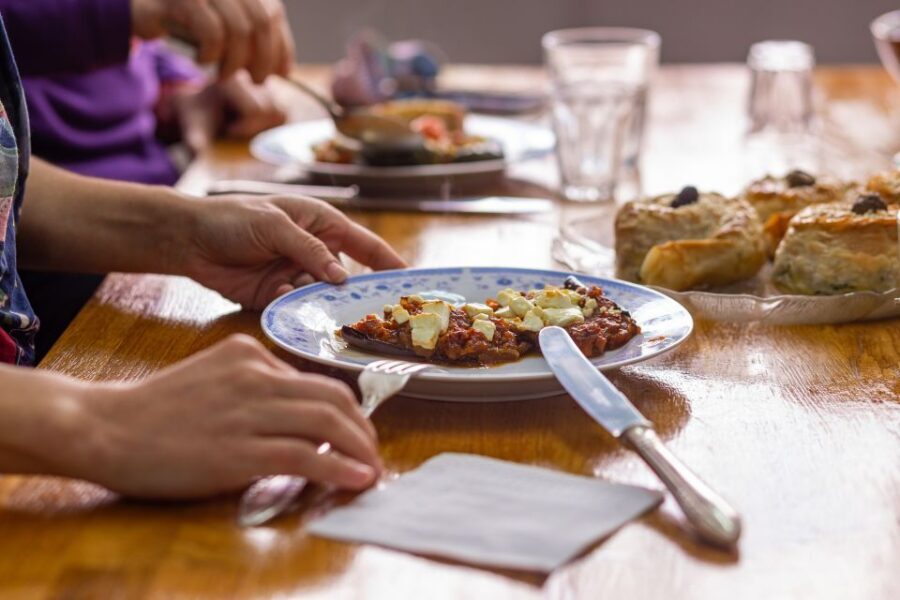
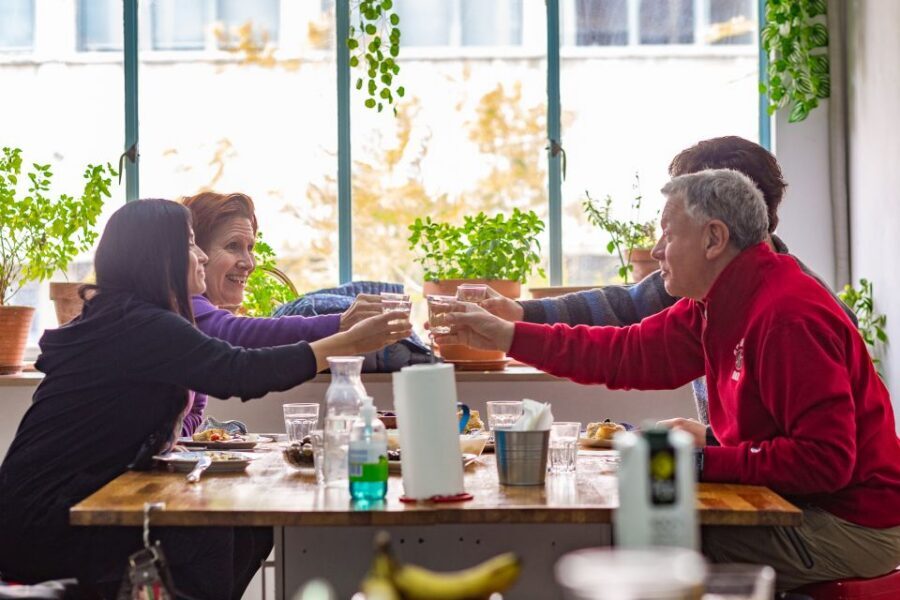
When your dishes are ready, you eat. That part is simple but important: your meal is served as a full-course spread with water, soft drinks, and wine.
A standout is the drink pairing. You’ll have local organic wine with your meal, plus a shot of Greek digestive liquor afterward. In other words, it’s not just wine for show. It’s part of the traditional end-of-meal rhythm.
This is also when you get to slow down. The setup encourages you to relax with your food and drink instead of rushing out as soon as the cooking ends. You’re allowed to enjoy the payoff you just made.
If you’re the type who doesn’t usually drink much, still consider going. Soft drinks are included, and the value here is the full meal experience, not just alcohol.
Recipes included: what you can bring home
You leave with all recipes, which is a big deal. Lots of cooking classes give you a vague outline and a smug sense of accomplishment. Here, you get something you can actually follow at home.
Because you’re cooking several dishes, the recipes also help you decide what to remake first. Many people like starting with tzatziki or spanakopita because those are easier to reproduce and forgiving in home kitchens.
Also, cooking in a real class helps you understand the structure behind each dish. For example:
- phyllo-based desserts need patience and gentle handling
- spanakopita benefits from balanced salty richness
- dolmades depend on wrapping technique and seasoning distribution
- eggplant dishes need enough sauce to feel complete
Even if you don’t cook often, you’ll likely come away confident enough to try again.
Value check: is $81 for four hours worth it?
At $81 per person for four hours, you’re paying for more than instruction. You get:
- a market visit with a cook
- all ingredients
- a hands-on cooking class
- a full-course meal
- wine plus a digestive shot
- included recipes
When you add those together, the price makes practical sense. You’re not buying a single dish and calling it done. You’re building a menu, learning multiple techniques, and eating everything you make—plus you get drinks.
If you’re the type who likes tours where you can eat the result, this is one of the most direct ways to get value in Athens. You also gain a repeatable framework for Greek cooking, not just a one-time memory.
Small practical notes (the stuff that actually matters)

A few details can help you enjoy the experience more:
- Bring a refillable water bottle. You can fill it at the studio.
- Wear comfortable shoes. You’ll walk about 30 minutes on the market portion.
- Dining seating can be basic. One participant noted stools were uncomfortable after more than an hour, so if you’re sensitive to seating, plan accordingly.
- The class can cater to dietary needs, but you should message in advance. It’s not something to fix last minute.
- The class is not suitable for wheelchair users based on the format.
- No pets, and no smoking.
If you’re traveling with dietary requirements, tell the team early. You’ll be glad you did—some classes take care to prevent cross contamination for gluten-free guests when they’re informed ahead of time.
Who should book this cooking class with market visit?
This fits best if you want:
- a food-focused Athens experience that feels local, not staged
- a market-and-kitchen combination instead of separate activities
- a social setting where you cook with others and eat together
- recipes you can use again later
It’s also a strong pick for a couple or solo traveler who wants to meet people without it feeling forced. The classroom structure encourages interaction, and the shared meal gives you a natural end-of-experience conversation point.
Consider another option if:
- you’re very uncomfortable with meat or fish-related market segments
- you need wheelchair accessibility
Should you book it?
Yes—if you want a real Greek cooking day that ends with an actual meal you made, this is a smart booking. The market stop teaches you how ingredients connect to dishes. The cooking class gives you hands-on practice with multiple classics. And the finish is satisfying: local wine, a Greek digestive shot, and enough food to feel properly fed.
Book it especially if you enjoy food classes where the goal is both fun and repeatable results. You’ll walk away with flavors, technique, and a dinner you can recreate.
FAQ
How long is the cooking class and market visit?
It lasts about 4 hours.
Are there different start times?
Yes. There is a morning class at 9:30 AM and an afternoon class at 3:00 PM.
Where do I meet for the experience?
Meet at The Greek Kitchen, Athinas 36, Athens (1st floor).
What dishes are included in the menu?
The menu includes dolmades, spanakopita, imam baildi, portokalopita, and tzatziki (with optional beef for dolmades).
Can the class accommodate dietary needs?
Yes, they can cater to dietary needs. You need to message them as soon as possible in advance because they cannot accommodate requests at the last minute.
Will there be wine and other drinks?
Yes. Your meal is served with local organic wine, plus soft drinks and water, and you also receive a complimentary shot of Greek digestive liquor.
Is this experience suitable for wheelchair users?
No. It is not suitable for wheelchair users.


More Food Experiences in Athens
More Food & Drink Experiences in Athens

More Tour Reviews in Athens
- All Day Cruise -3 Islands to Agistri,Moni, Aegina with lunch and drinks included
★ 5.0 · 4,958 reviews