REVIEW · ATHENS
Meteora Monasteries & Caves Unesco Wonder in Greece Day Trip
Book on Viator →Operated by Yomadic.Tours & Transfers · Bookable on Viator
Meteora feels magical early. This day trip takes you out of Athens with hotel or airport pickup and a comfortable private vehicle, so you skip the stress of arranging transport and fighting schedules. Along the way, you get a solid run of history and faith, from the rock-top monasteries of UNESCO Meteora to the battlefield story of Thermopylae.
I especially like the pace this kind of private setup gives you: you can move through sites at a speed that feels right, rather than being herded. Second, you’ll get genuinely useful driver commentary in fluent English during the long drive, plus modern car comforts like A/C, bottled water, and WiFi—handy when the day runs long. The main drawback to plan for is that site entrance fees and meals are not included, and some of what you’ll see involves serious steps.
In This Review
- Key Things I’d Watch for on This Meteora Day Trip
- From Athens to Kalabaka: The Point of Starting Early
- Kalabaka and the Meteora Approach: How the Setting Shapes the Day
- UNESCO Meteora Monasteries: What You’ll Actually Experience
- How to handle crowds and keep it spiritual
- Entrance fees to plan for
- Varlaam and Rousanou: Two Monasteries With Their Own Feel
- Natural History Museum: A Useful Break From Climbing
- Thermopylae and the Leonidas Stops: Ancient Drama, Tight Time Windows
- Kastraki Lunch Time: A Real Human Pause
- Price and Logistics: Is This Worth $276.35?
- Comfort on a Long Day: What the Car Adds to the Experience
- Who Should Book This Meteora and Thermopylae Tour
- Practical Tips That Make the Day Smoother
- Should You Book This Day Trip From Athens?
- FAQ
- What does the tour include for transportation?
- Are the monastery and museum entrance fees included?
- How many monasteries will I visit at Meteora?
- Will I have a licensed guide inside the monasteries?
- Where does the tour run from and how long is the drive?
- Is this tour offered in English?
- What group size is the maximum?
Key Things I’d Watch for on This Meteora Day Trip

- Small group (max 7 people) means the day feels calmer than typical bus tours.
- Private pickup and drop-off from Athens hotels, Airbnb, or the port saves real time and stress.
- Up to three Meteora monasteries (with additional planned monastery stops) keeps the focus on quality viewing time.
- Driver commentary, not an in-site guide: you’ll explore monasteries yourself once you arrive.
- Thermopylae + Leonidas stop adds a strong ancient-history payoff before you head back.
- Weather matters: cold, wind, fog, or rain can change what you can comfortably do.
From Athens to Kalabaka: The Point of Starting Early
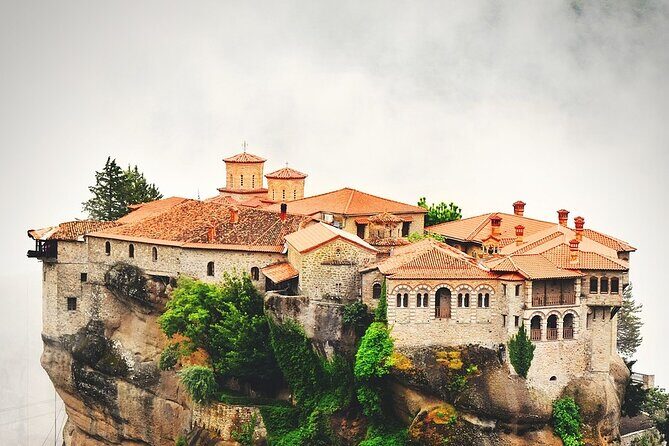
The best part of this trip isn’t just Meteora. It’s how you get there. You’re picked up from your Athens hotel/Apartment, or from the airport or Piraeus port, with a driver waiting and a name sign so you don’t waste your morning wandering around. Then you’re on the road for about 4.5 hours to the Meteora area near Kalabaka.
Starting early helps in two ways. First, you get better light and fewer crowds at the monasteries. Second, it makes the day feel like a proper experience rather than a rushed sprint. Meteora is famous for its towering rock pillars with monasteries perched on top, so arriving with a calm mind really matters.
Your driver is English-speaking and can share history during the drive. Just know the driver is not licensed to accompany you inside archaeological sites, so once you reach each monastery, you’re mostly on your own while you absorb what’s there. Still, the road-time context is valuable—it helps you understand why these places were built where they were, and why the architecture and setting are so emotionally powerful.
You can also read our reviews of more tours and experiences in Athens

Kalabaka and the Meteora Approach: How the Setting Shapes the Day
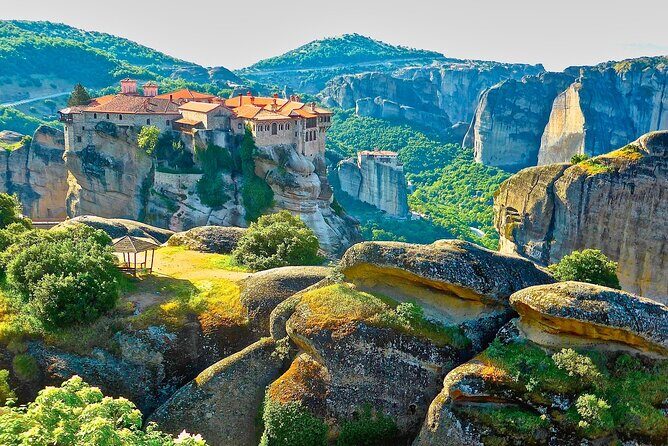
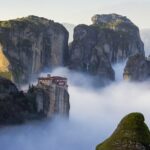
Kalabaka is the town that anchors the region, with the monasteries nearby. Even before you climb into the monastic sites, the area’s geography starts telling the story. Meteora’s rock formations rise up to about 400 meters (1200 ft) above the town, and that sheer height is a big part of the impact.
As you head out to the viewpoints and monastery access points, you also get a taste of why Kastraki shows up in the plan: the village sits at the foot of the cliffs, so it’s a natural place for a lunch stop and quick town wandering.
One small reality check: even when you get good timing, Saturdays, holidays, and local events can bring more people into the area. Plan to slow down, be respectful in active religious spaces, and expect some crowds at the bigger monastery areas.
UNESCO Meteora Monasteries: What You’ll Actually Experience
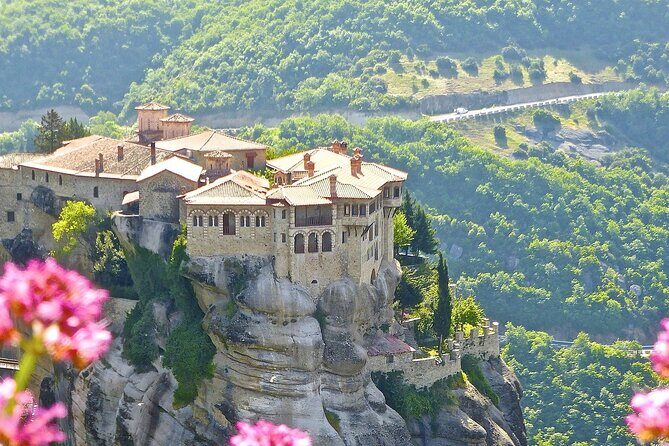
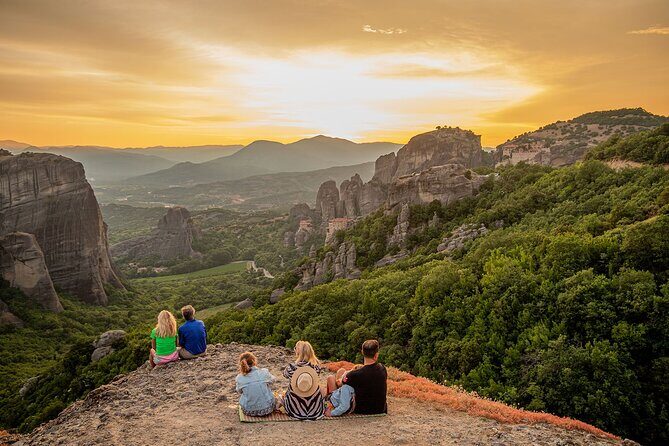
Meteora isn’t just a pretty photo stop. It’s one of the largest and most precipitously built Eastern Orthodox monastery complexes, and it’s on the UNESCO World Heritage List. The whole vibe comes from the sheer setting: huge rock pillars and rounded boulders that seem to rise out of nowhere.
Historically, these vertical cliffs were seen as a place for solitude and spiritual focus—early Christians believed isolation could help people pursue inner peace and spiritual elevation. When you’re standing in the monasteries, that meaning isn’t abstract. You can feel the separation from the noise of everyday life.
On this trip, you’ll visit up to three monasteries at Meteora, with scheduled time for each stop. That matters because Meteora is physical. You’ll be dealing with steps, changing levels, and the kind of uphill walking that doesn’t look scary in a brochure—until you’re doing it for real. Comfortable shoes are not optional; they’re the difference between enjoying the day and counting the minutes until you can sit down.
How to handle crowds and keep it spiritual
The monasteries can be busy, especially at the larger ones. What helps most is staying flexible. If you walk in expecting a quiet museum experience, you might get frustrated. If you treat it like a working sacred environment and move at a respectful pace, you’ll enjoy it more.
Also, pack for monastery etiquette. You’ll want to cover shoulders and legs. The common-sense approach is to wear layers you can adjust, so you’re comfortable but respectful once you’re inside.
Entrance fees to plan for
Entrance fees are not included. The plan lists €20 per person for visiting four monasteries total. That means your best budgeting strategy is to assume you’ll pay on the day for monastery admission, then spend the rest of your time focusing on the experience instead of money math.
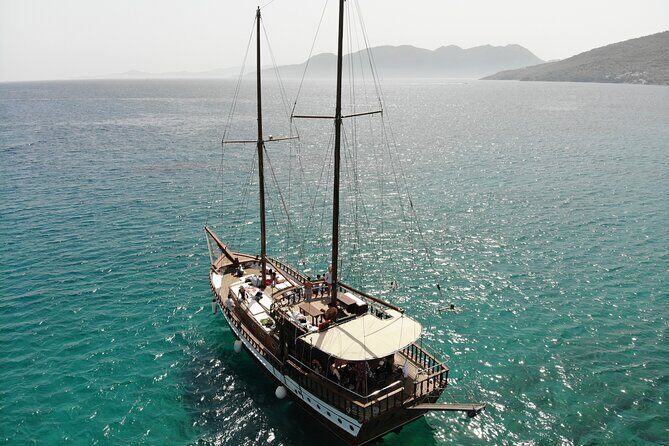
- All Day Cruise -3 Islands to Agistri,Moni, Aegina with lunch and drinks included
★ 5.0 · 4,958 reviews



Varlaam and Rousanou: Two Monasteries With Their Own Feel
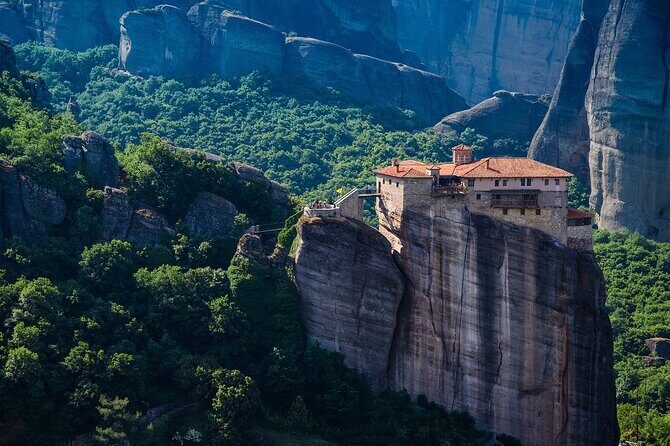
Two of the monastery stops on your day are Varlaam Monastery and the Holy Monastery of Rousanos – Saint Barbara. Each has about one hour allotted in the schedule.
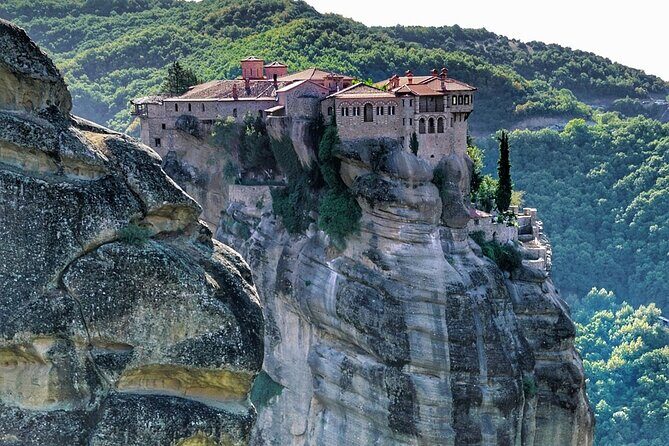
Varlaam is one of Meteora’s key monastic sites, and it tends to carry a strong sense of scale—big rock setting, big structure, lots to look at. Give yourself time to slow down and look at frescoes and religious artifacts. If weather is clear, the rock setting gives you excellent viewing angles out of the complex.
Rousanou (Saint Barbara) has its own atmosphere. On days when the weather is cooperative, you’ll often find the light makes details pop—religious artwork and the way corridors and chapel areas are arranged. If the day is colder or windy, the warmth of the interior spaces can feel like a real reset.
One practical note: monastery access can change due to maintenance or closures. Your day plan should still deliver a strong Meteora experience, but you may not always get every exact stop that looks open on a normal day. The key is that the trip is designed to keep your time structured even when conditions shift.
Natural History Museum: A Useful Break From Climbing
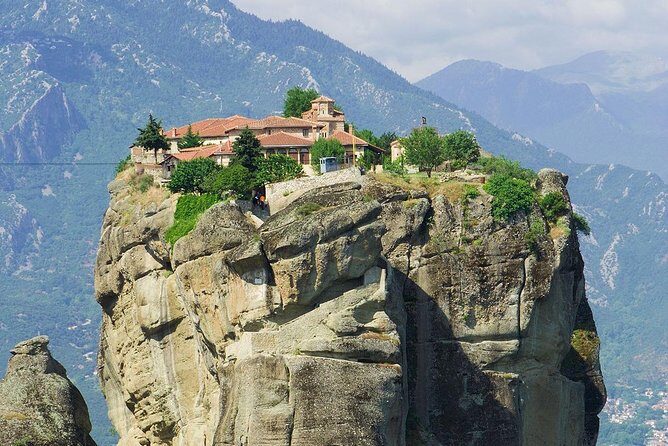
The tour highlights include the Natural History Museum, and it can be a smart mid-day or early-day diversion from stairs and outdoor viewing.
Why this works: Meteora is a mix of big visual awe and physical effort. A museum stop lets your body cool down, and it gives your eyes a different kind of focus—more about details, less about heights and walking routes. Even if you’re not a lifelong museum person, it’s often a welcome breather on a long day.
Because the plan doesn’t list specifics like duration in the provided schedule, treat this as a shorter add-on experience rather than a full museum half-day. Still, it’s included for a reason, and it can make the overall day feel more balanced.
Thermopylae and the Leonidas Stops: Ancient Drama, Tight Time Windows
Once you leave Meteora behind, you head toward Thermopylae, famous for the battle between Greek forces and the invading Persian army. This is where the day gains a second narrative—more than scenery, it’s survival, duty, and leadership.
You’ll spend about 20 minutes at Thermopylae, with the driver able to explain the story that made this place legendary: the Greeks held a narrow coastal route for three days against Xerxes, and a betrayal called out in the tradition—Ephialtes of Trachis—helps explain how the conflict turned. You also hear the famous epitaph attributed to Simonides of Ceos: go tell the Spartans, stranger passing by, that here obedient to their laws we lie.
Later, you’ll visit the Battlefield of Thermopylae and then the Leonidas Monument (another stop of about 20 minutes). These time blocks are short, but they’re not random. They’re designed to give you the essential waypoints of the story without derailing the long ride back to Athens.
Kastraki Lunch Time: A Real Human Pause
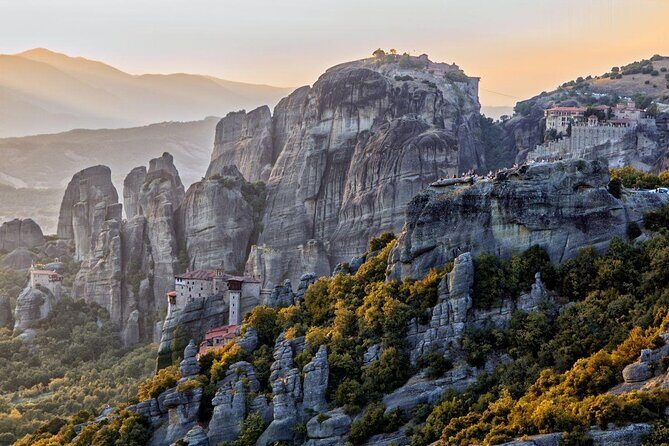
You get about one hour of free time in Kastraki. This is where you can eat at a traditional Greek tavern with no schedule pressure, or do a bit of shopping in the village.
This matters because Meteora days can feel like a loop: ride, walk, look, walk, repeat. Kastraki gives you a normal-life break at the foot of the cliffs, which also makes it easier to absorb what you just saw. It’s a good moment to slow down, grab a meal, and then return to the busier crowds with calmer energy.
If weather turns cold or wet, Kastraki’s tavern time can feel like the best part of the whole day. If weather is clear, you can often find quick photo spots with the rock towers looming behind.
Price and Logistics: Is This Worth $276.35?

At $276.35 per person, this is not a cheap day trip. But it’s built around value that’s hard to get if you DIY it: pickup and drop-off, private transportation for a full day, and a structured loop of sights that keeps you on track.
Here’s the practical breakdown:
- What you get included: modern private vehicle (with WiFi, A/C, bottled water), driver service with English commentary, fuel/tolls, and Athens-area pickup/drop-off.
- What you pay separately: monastery entrance fees, plus meals. The plan also notes that gratuities aren’t included.
- What’s not included: a licensed guide inside the monasteries and archaeological sites. You’ll explore independently once you arrive at each place.
So the real question isn’t just the dollar amount. It’s whether you want to manage transport, timing, and ticket logistics on your own. If you’re traveling with limited time in Athens and you don’t want to rent a car or coordinate multiple legs, this price often starts to look reasonable.
Also, with a maximum of 7 travelers, you’re not dealing with the chaos of huge groups. That’s a genuine comfort and pacing benefit at Meteora, where your feet and patience both get tested.
Comfort on a Long Day: What the Car Adds to the Experience
A 12-hour day can be tiring even when it’s exciting. This tour helps because the vehicle is set up for comfort. The plan includes A/C, WiFi, and bottled water. In real-world experiences, drivers can also provide extra support like phone charging and a hotspot for photos and navigation.
The sedan vs. mini-van split matters too:
- 1–3 people: luxurious sedan
- 4–7 people: comfortable mini vans
If you’re traveling with kids, the option to book car seats in advance can be a big deal.
The driver is also described as attentive and flexible in how they manage the day, including helping families when plans shift or when you need extra time for a particular stop. That’s not something you get with many rigid tours.
Who Should Book This Meteora and Thermopylae Tour
This is a great fit if:
- you want private pickup and a simpler route out of Athens
- you care about the story behind Meteora, not just the photos
- you want to see Thermopylae on the same trip without needing to plan a separate ancient Greece day
- you prefer a small group pace (up to 7 people) and room to breathe
It’s also a solid choice for families. A long day is still long, but a private setup can make it easier to keep kids engaged and handle stops without pressure.
If you’re extremely sensitive to crowds, or you struggle with lots of steps, you can still do this trip, but go in with the right expectations. Meteora requires climbing. The reward is real, but it’s not a flat walking tour.
Practical Tips That Make the Day Smoother
Bring these and the day will feel easier:
- Comfortable shoes with grip. Meteora walking involves steps and uneven surfaces in places.
- Dress for monasteries: cover shoulders and legs so you can enter without stress.
- A light layer: even in better months, wind at the rock tops can make you feel colder than expected.
- Plan for weather shifts. The tour notes it depends on good weather, and fog or rain can change what you see and how comfortable you are outdoors.
- Keep phone power in mind. Having car charging support can make navigation and photo sharing much easier.
Most importantly: slow down inside the monasteries. This is an active spiritual space as well as a famous sightseeing site. A little patience goes a long way.
Should You Book This Day Trip From Athens?
If you want a low-stress, high-impact day that combines UNESCO Meteora with Thermopylae and Leonidas, I’d book it. The private pickup and small group size are the kind of comfort perks that matter most on a long day. You’ll trade the freedom of DIY planning for a smooth schedule and useful driver commentary.
I’d only hesitate if you’re trying to keep costs ultra-low (because monastery entrance fees and meals come on top) or if you dislike stepping and climbing. Meteora is worth the effort, but it’s not effortless.
If that sounds like your kind of day, this is one of the better ways to do it from Athens without turning your trip into a transportation puzzle.
FAQ
What does the tour include for transportation?
You get pickup and drop-off service in Athens (hotel, Airbnb, or port) and transportation via a modern private vehicle with WiFi, A/C, and bottled water.
Are the monastery and museum entrance fees included?
No. Entrance fees for attractions are not included. The plan specifically notes monastery visits (four monasteries total) cost €20 per person, and meal costs are not included.
How many monasteries will I visit at Meteora?
The plan says you will visit up to three monasteries at Meteora, and it also lists Varlaam and Rousanos as monastery stops.
Will I have a licensed guide inside the monasteries?
No. The driver is knowledgeable and provides commentary, but they are not licensed to accompany you inside archaeological sites.
Where does the tour run from and how long is the drive?
You start early from Athens toward Meteora, with about a 4.5-hour travel time each way.
Is this tour offered in English?
Yes. The tour is offered in English.
What group size is the maximum?
The experience has a maximum of 7 travelers.
More 1-Day Tours in Athens


More Tour Reviews in Athens
- All Day Cruise -3 Islands to Agistri,Moni, Aegina with lunch and drinks included
★ 5.0 · 4,958 reviews