REVIEW · NAFPLIO
Athens: Corinth, Epidaurus, Mycenae and Nafplio Day Tour
Book on GetYourGuide →Operated by P.G.T. TOUR GROUP (Private Greece Tours) · Bookable on GetYourGuide
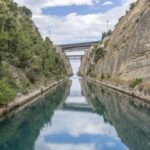
This day trip hits five big moments. You get sweeping views, tight stops at major ancient sites, and one smart advantage: a private driver who explains what you’re seeing as you go. I especially loved the Corinth Canal photo break, where Aegean-to-Ionian views make the whole drive feel worth it right away.
Two standouts for me are the Epidaurus Theatre and the scale of Mycenae. Epidaurus isn’t just impressive on paper—the setting and near-intact theatre make the place feel real, and you understand why people still come for performances. At Mycenae, the Cyclopean Walls and the Lion Gate put mythical names like Agamemnon into a physical, walkable world.
One thing to consider: it’s a busy 9-hour schedule with a lot of driving. If you’re someone who needs long meals, slow museum time, or zero rushing between stops, you’ll feel the pace. Also, the main site entrance tickets are not included, so budget a little extra once you’re there.
In This Review
- Key highlights worth planning around
- From Athens to the Peloponnese: how this private route really plays
- Corinth Canal: the 6 km wow stop before the ancient sites hit
- Epidaurus and the Asclepios sanctuary: why the theatre still matters
- Nafplion: the best kind of break between ruins and royal walls
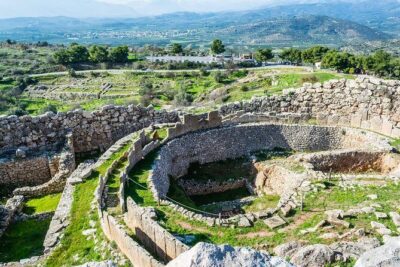
- Mycenae: Lion Gate and Cyclopean walls where myth feels physical
- How the private driver turns a long day into a human one
- Price and logistics: what $648 for up to 3 people really means
- Who should book this, and who might not love it
- Before you go: what to pack for sun, walking, and stone stairs
- Should you book the Corinth, Epidaurus, Mycenae and Nafplion day tour?
- FAQ
- What sites are included in this day tour?
- Is lunch included?
- Are entrance fees included?
- Is there a guide inside the sites?
- Will I need to buy tickets on my own at the sites?
- What’s the total duration?
- Where do you pick me up?
- Is the tour wheelchair accessible?
Key highlights worth planning around
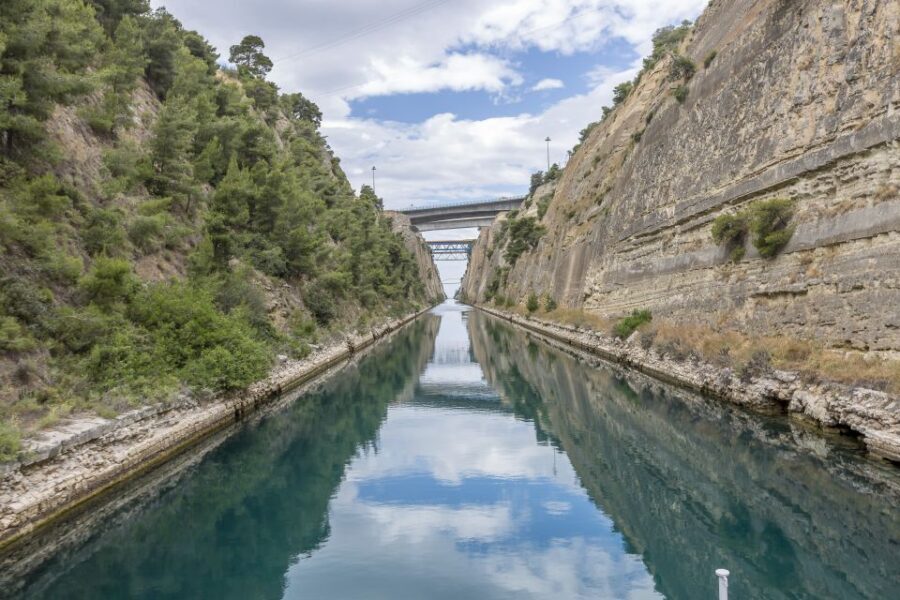
- Corinth Canal in a 6 km stretch: quick but scenic, with time for photos and a local cafeteria stop
- Epidaurus Theatre acoustics: an almost-intact ancient stage still used for select summer performances
- Sanctuary of Asclepios: a healing and cultural center built around the 4th century B.C.
- Nafplion under Palamidi: medieval lanes, port views, and the three-fortress feel of the peninsula
- Mycenae’s defensive power: Lion Gate, Cyclopean walls, and the ramp to the royal palace
- A private driver who adapts: you control your walking pace and photo time, not a rigid bus schedule
From Athens to the Peloponnese: how this private route really plays
Leaving Athens, you head west on a coastal road and settle in for a day that mixes high-impact ancient sites with a genuine modern town. The tour is designed for people who want the big names—Corinth Canal, Epidaurus, Mycenae, Nafplion—without spending your vacation constantly figuring out buses and ticket counters.
The best part is the “in-between” time. Your English-speaking driver isn’t just a driver—they talk through the myths, the history, and what to notice when you arrive. In the driver lineup, you’ll see names like Tassos, Makis, Tolis, Dominic, George, Nikos, and Spiros, and the common thread is a story-first approach plus patience while you explore at your own pace.
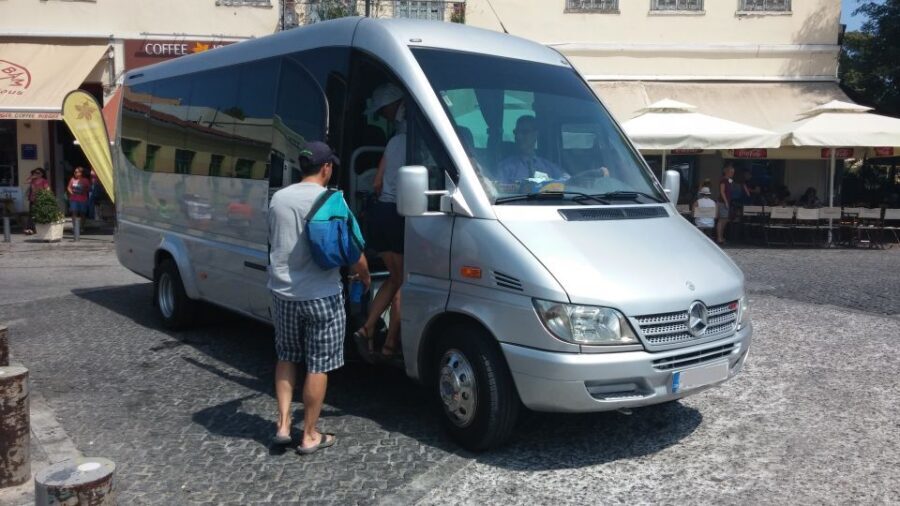
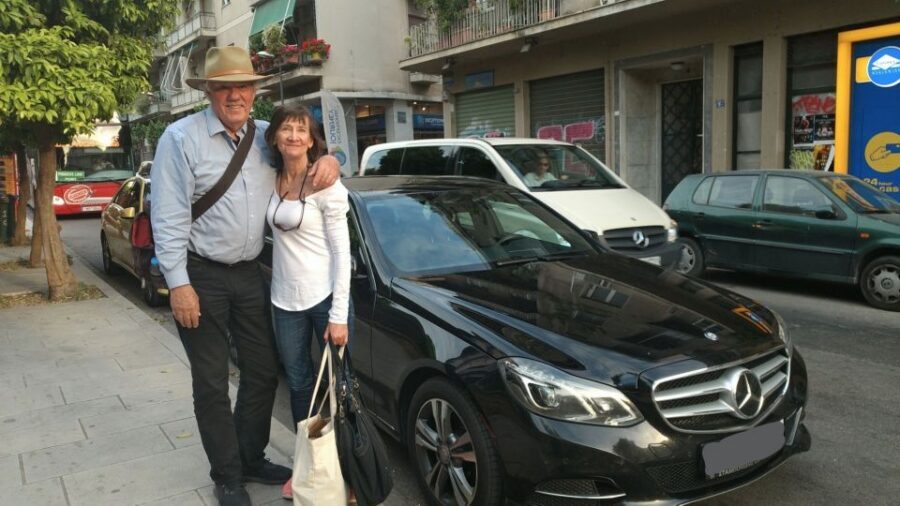
This private format matters. You’re not packed shoulder-to-shoulder at every turn, and you’re not stuck waiting for a bus to unload. You also get bottled water, A/C, and a non-smoking Mercedes-style vehicle (size depends on your group), which helps a lot on a full day.
You can also read our reviews of more tours and experiences in Nafplio.


Corinth Canal: the 6 km wow stop before the ancient sites hit
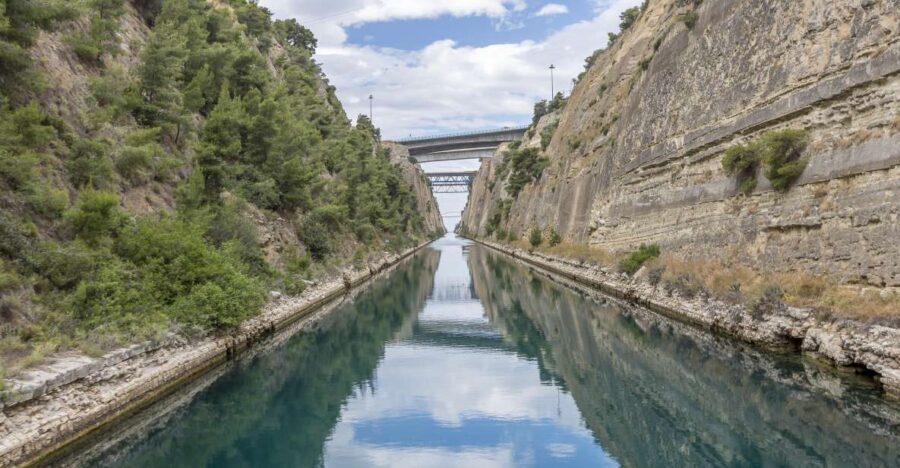
Your first major pause comes after about an hour of driving. You’ll reach the Corinth Canal, the narrow connection between the Aegean Sea and the Ionian Sea. It’s roughly 6 km long, and even with a short stop, it does what it’s supposed to: it snaps your brain from city travel into “this place has always been about routes and power.”
What I like here is timing. The visit is long enough to see the scale and take photos, but short enough that you don’t waste energy before the real walking begins. You also get a chance to grab a snack or coffee at a local cafeteria, which is smart because the day doesn’t include a sit-down included lunch.
If you’re traveling in warmer months, this is also a good moment to put on sunscreen and adjust your hat. You’ll still be outside later at Epidaurus and Mycenae, and those stone sites don’t care if you’re tired.
Epidaurus and the Asclepios sanctuary: why the theatre still matters
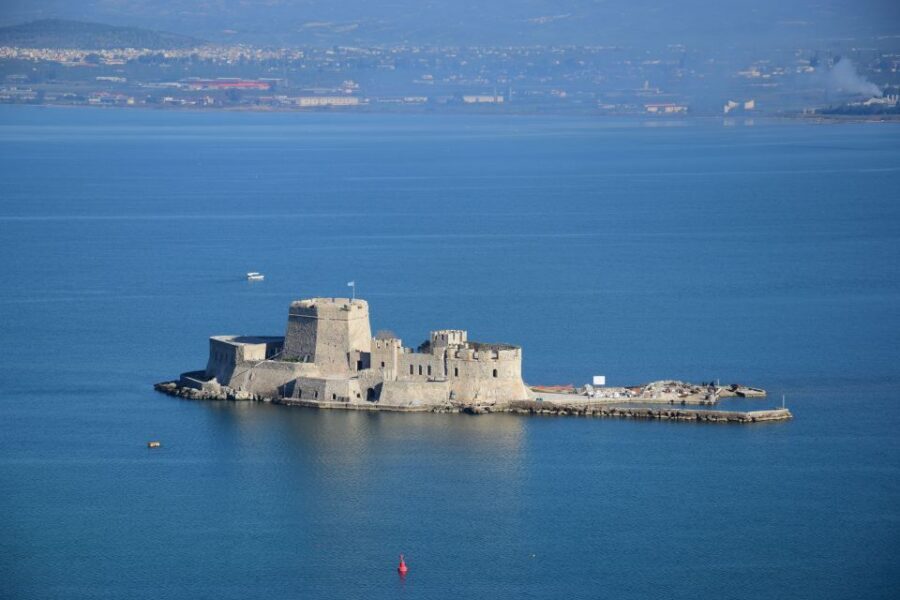
After the canal, the drive turns inward through Corinthia and Sofiko, then you arrive at Epidaurus. This is one of the stops that people remember because it connects three things at once: setting, function, and atmosphere.
Epidaurus is famous for two linked areas. First is the sanctuary of Asclepios, which acted as a healing center and cultural center in ancient times. It was built around the 4th century B.C., and it includes a complex of buildings. When you’re there, you start to understand that this wasn’t only a single monument—it was a place people visited with hope, ceremony, and community.
Second is the Ancient Theatre of Epidaurus, which has survived in remarkably good condition. The views and the theatre design are stunning, but the big deal is acoustics. This is the rare ancient site where you can understand why performances continued. The theatre is still used today for selected plays, concerts, and summer festivals.
One practical tip: bring comfortable shoes and keep an eye on where you stand. The theatre’s feel changes based on your angle, and if you want photos, you’ll want to plan a quick path so you don’t end up zig-zagging up and down.
If you’re traveling with kids, this is also a great stop for imagination. You don’t need a lecture to get it: a theatre that still works is instantly cool.
Nafplion: the best kind of break between ruins and royal walls
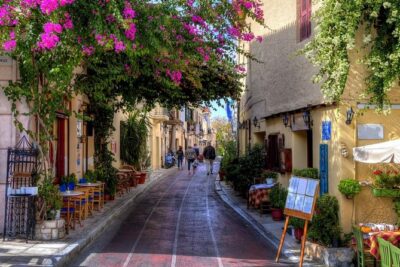
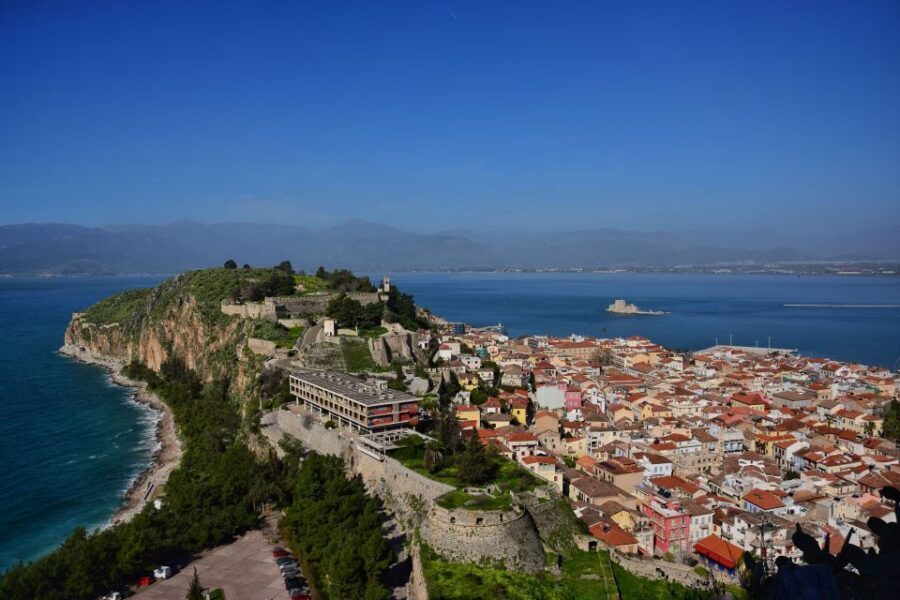
Next comes the drive through the plain of Argolis, with olive trees and vineyards stretching out as you go. About 30 minutes later, you arrive in Nafplion, the picturesque town that served as the first capital of modern Greece (1829–1834).
Nafplion works because it’s not just a pretty backdrop. It’s built on top of a story of fortresses. The town sits beneath Palamidi, described as the most formidable Venetian castle in the Eastern Mediterranean, and there’s the smaller Acronafplia above town plus Bourtzi on a small islet in the harbor.
For lunch, you’ve got options that fit different travel styles. You can eat in the old medieval quarter with narrow, stone-paved lanes, or choose a port-side place with views toward Bourtzi. I like this setup because it gives you control. You can choose a calmer street lunch or a more scenic waterfront meal without needing a guide to hand you a single “tourist menu” choice.
This is also a good place to reset your pace. Epidaurus and Mycenae ask you to look at stone and read context. Nafplion lets you switch gears to streets, sea air, and castle views—then you’re ready for Mycenae’s scale.
Mycenae: Lion Gate and Cyclopean walls where myth feels physical

Mycenae is where the day locks in. After Nafplion, you drive through farms and orange-tree country, and then you step into a place that feels like an ancient fortress, not just an archaeological site.
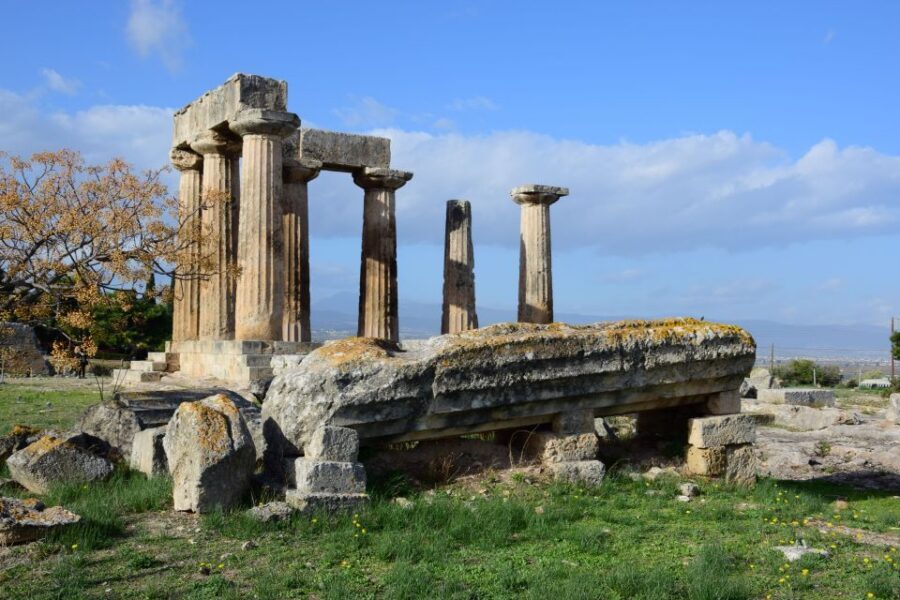
Mycenae is often tied to the mythical world of Agamemnon, and people call it the kingdom that is rich in gold. But what stays with you isn’t a slogan—it’s the position and the defenses. The city sits on higher ground, looking out over the plain of Argos to the sea. That elevated stance mattered for survival.
Then you see the Cyclopean Walls—huge stone fortifications built to protect the kingdom from surprise attacks by pirates and enemies. Even if you don’t know the myths, the walls tell you a clear message: this was power built for threats.
Don’t miss the Lion’s Gate. It’s the entrance point that leads you toward the royal center, including the idea of the palace accessed by a ramp starting at the gate. For me, the visual logic of the site makes the stories feel believable.
Outside the fortress, you’ll find the beehive tombs, including the one attributed to Agamemnon, known as the Treasury of Atreas. These tombs aren’t just “another stop.” They change how you think about the city. Mycenae isn’t only about rulers walking around in a palace—it’s also about what happened after death, wealth, and status.
Practical note: this is a heavier walking stop. Plan on steady shoes and take your time. The site is big enough that you’ll appreciate having no rush, especially in shoulder season when crowds are lower.



How the private driver turns a long day into a human one
A full-day route like this can feel exhausting on paper. The private format is what makes it manageable in real life.
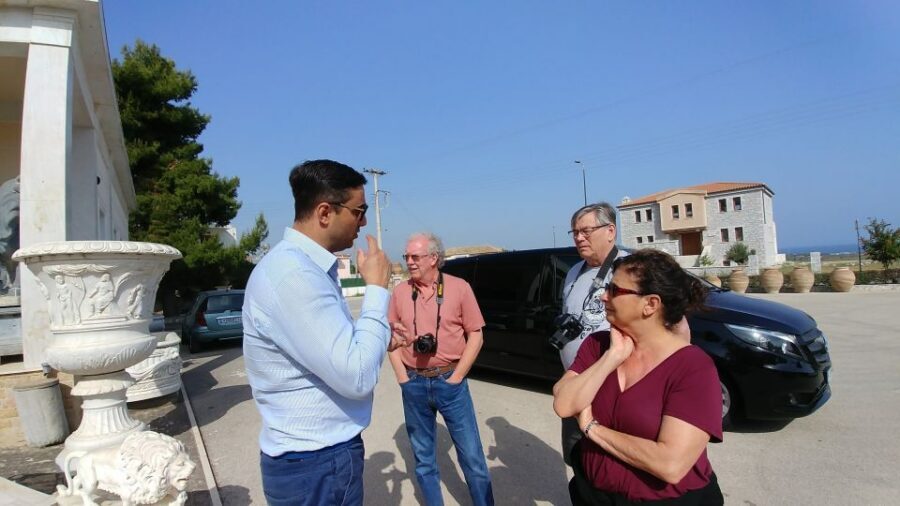
Your driver provides fluent English commentary along the route and before you reach each site. That means you’re not standing in front of stones and guessing what you’re looking at. It also helps you travel smarter with your limited time: you start knowing which parts of the theatre or walls deserve your slow walk.
The driver-to-you relationship is also flexible. You can linger for photos, step away from the crowd, or adjust the pace if someone needs a slower stride. In that way, the experience feels closer to traveling with a local friend who happens to know the myths and the layout than to attending a set-piece tour.
If you’re traveling with family, this format is especially useful. The tour is family friendly, and for children, the experience can be modified to fit needs—so you’re not forced into a one-size schedule.
One more practical win: pickup is included from Athens or Piraeus (hotels/residences) and also from the Piraeus cruise port, and the driver is scheduled to wait for you (they hold a sign with your last name). That reduces the stress that often eats up the first hour of a day trip.
Price and logistics: what $648 for up to 3 people really means
The price is listed as $648 per group up to 3, for a 9-hour private tour. The immediate question is value: is it worth it versus joining a bus?
Here’s the honest math mindset. If you book as a group of 3, you’re effectively splitting the cost, bringing the per-person price down a lot. But even if you’re only 1 or 2 people, the value can still make sense if you care about timing and comfort—especially when you want hotel or cruise pickup and drop-off, plus tailored pacing.
Also, you’re paying for more than transport. You’re buying a driver who talks through each stop so you don’t waste time trying to piece history together on your own. That’s hard to replicate if you’re renting a car or trying to manage multiple rides.
Entrance fees are not included. The information lists €12 for Epidaurus and €12 for Mycenae. It also mentions a €12 museum entry (named as Delph Museum), which doesn’t match the standard set of stops listed for this day—so double-check what applies to your final route. Either way, budget a modest amount on top.
Bottom line: this is best when you treat it like a guided highlight day. If your goal is only transit and basic photos, you might find cheaper DIY options. If your goal is to understand what you’re seeing while staying comfortable, the price stacks up.
Who should book this, and who might not love it
I think this tour is ideal for:
- First-timers to the Peloponnese who want the big myth-and-archaeology hits in one day
- People who prefer private travel and hate the bus-unloading shuffle
- Families who want a structured day but still need flexibility
- Anyone who likes their history explained in plain language while they’re on the move
You might want to skip or adjust expectations if:
- You need wheelchair access or have mobility limits, since it’s not suitable for wheelchair users and people with mobility impairments
- You dislike long road days, because the schedule includes multiple travel segments between sites
- You want a slow, museum-heavy day. This is a highlights circuit.
Before you go: what to pack for sun, walking, and stone stairs
Plan for outdoor walking at multiple sites. Bring comfortable shoes, sunglasses, a sun hat, and sunscreen. You’ll also want an ID or passport (a copy is accepted per the info).
There’s also a note about health documentation: you may need a vaccination certificate or a certificate of disease, and minors aged 4 to 17 may present an alternative negative self-test statement. If you’re traveling with kids or bringing documentation, verify what’s required for your specific travel dates.
One more small rule to know: pets aren’t allowed in the vehicle (assistance dogs are allowed), and smoking is not permitted.
Should you book the Corinth, Epidaurus, Mycenae and Nafplion day tour?
If you want a one-day Peloponnese “greatest hits” trip with comfort, easy pickup, and story-driven guidance, this is a strong choice. Corinth Canal gives you a quick wow start, Epidaurus delivers a theatre experience you actually feel, Nafplion offers a real town break, and Mycenae brings the myths down to earth with massive stone defenses.
I’d book it if you’re traveling as a group (especially up to 3) or if you value private pacing over saving a bit of money. Skip it if you need full accessibility support or if you want a slow, unpacked day with long meals and minimal driving.
FAQ
What sites are included in this day tour?
You’ll see Corinth Canal, Epidaurus (the sanctuary of Asclepios and the Ancient Theatre of Epidaurus), Nafplion (including Palamidi), and Mycenae (including the Lion’s Gate and the tomb area).
Is lunch included?
Food and drink are not included. You can choose lunch in Nafplion, either in the old medieval quarter or by the port.
Are entrance fees included?
No. Entrance fees are listed as not included, including €12 for Epidaurus and €12 for Mycenae.
Is there a guide inside the sites?
No. The driver provides commentary in English en-route and before you visit the sites, but a guide inside the sites is not included.
Will I need to buy tickets on my own at the sites?
The info says you skip the ticket line, which helps with time. You still need to account for the site entrance fees since they’re not included.
What’s the total duration?
The tour runs for 9 hours.
Where do you pick me up?
Pickup is included from Athens or Piraeus hotels/residences and also from the Piraeus cruise port. You’ll need to provide your exact address and be outside 5–10 minutes before pickup.
Is the tour wheelchair accessible?
No. It’s not suitable for people with mobility impairments or wheelchair users.