REVIEW · ATHENS
Athens: Kerameikos Stone House Cooking Class
Book on GetYourGuide →Operated by Mama's Roots · Bookable on GetYourGuide
That lemony smell hits fast. This Athens class pairs hands-on cooking with an old-school setting in the Kerameikos neighborhood, where you work in a 1920s stone house and then eat in the garden. I like how the hosts share family-style stories while you cook, including instruction from chefs such as Kostas and Elena, with help from assistants like Gianna or Maria.
I also love the way the menu is built around everyday techniques, not chef show-off moves: you’ll make everything from tzatziki to pies, then sit down together with wine from local producers. One thing to keep in mind: the menu can shift with seasonal ingredients, so you should be okay with a small change in dishes from the examples.
In This Review
- Key reasons this Athens cooking class works
- First stop: Mama’s Roots in Kerameikos
- The 1920s stone house kitchen: where the lesson really happens
- Tuesday Farmers’ Market: 15 minutes that make everything taste fresher
- Cooking six Greek dishes: your menu, step by step
- Yemista: oven-baked tomatoes and peppers stuffed the Greek way
- Spinach cheese rolls: mini pies with phyllo and feta
- Cretan ndakos salad: barley rusks soak up flavor
- Kagiana: Greek scrambled eggs with tomatoes, peppers, and feta
- Tzatziki sauce: the classic garlic-yogurt-cucumber combo
- Loukoumades: honey and cinnamon doughnut bites
- Wine with the meal: not a side show
- The pace and group size: why the class doesn’t feel rushed
- What you leave with: recipes you can use at home
- The mini shopping moment inside the house
- Value check: is $106 worth it?
- Who this class is best for
- Should you book it?
- FAQ
- FAQ
- Where is the meeting point?
- How long is the cooking class?
- Is the class taught in English?
- How many dishes will I cook?
- What dishes are included?
- Is wine included?
- Is there a market visit?
- Do I get recipes to take home?
- What group size is it?
- What’s the cancellation policy?
Key reasons this Athens cooking class works
- Kerameikos stone house setting: a restored, lived-in feel, not a showroom kitchen
- Market time on Tuesday: the Farmers’ Market runs right in front, usually with about 15 minutes to shop
- Six dishes, real tasks for everyone: you’re not just watching, you’re cooking
- Crete and Peloponnese flavors: the menu leans into regional classics like ndakos and yemista
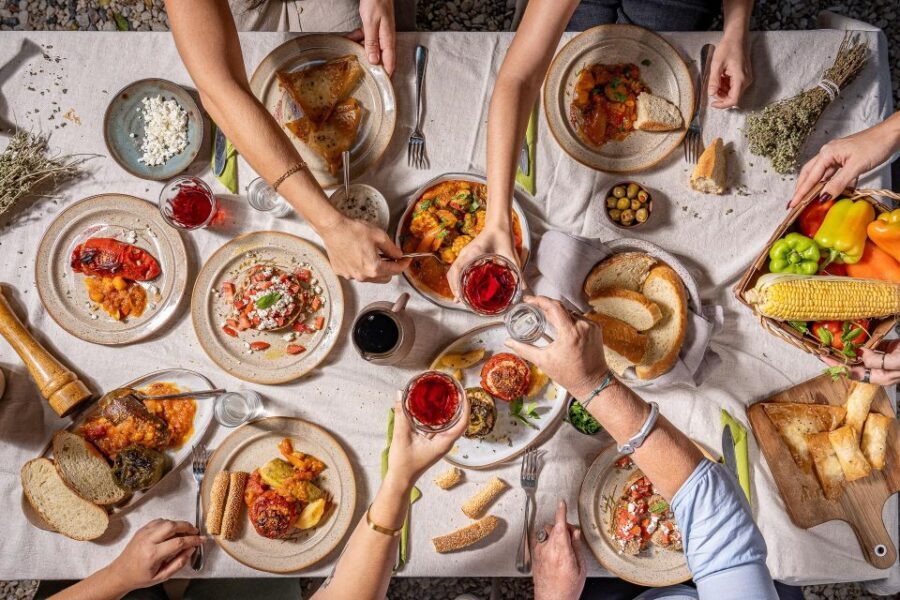
- Eat in the garden, with wine: lunch is part of the lesson, and it’s served in a relaxed courtyard
- Recipes you can actually use: digital recipes in a QR format so you can repeat at home
First stop: Mama’s Roots in Kerameikos
The experience starts at Mama’s Roots in Athens. This matters more than it sounds, because Kerameikos is one of those neighborhoods where you feel like you’ve wandered off the main track, with little streets, bars and restaurants nearby, and a calmer backstreet vibe once you find the right door.
The team meets you and gets you settled before the cooking begins. In many classes, the mood starts friendly and chatty, with hosts taking time to explain what you’ll be making and why the ingredients matter. You’re going to be in an intimate setting, since this runs as a small group.
If you’re coming in hungry, plan to arrive with a clear head. The class moves in a steady rhythm, and once the kitchen starts buzzing you’ll want to follow along without juggling mental notes.
You can also read our reviews of more cooking classes in Athens

The 1920s stone house kitchen: where the lesson really happens
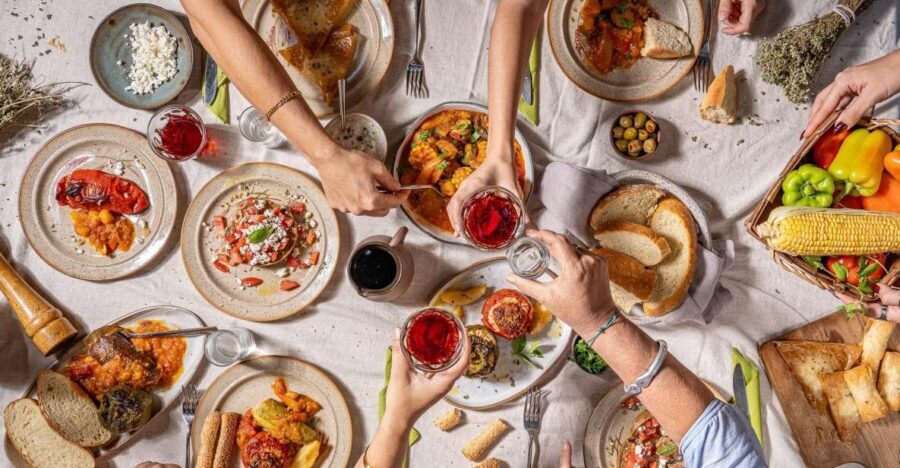
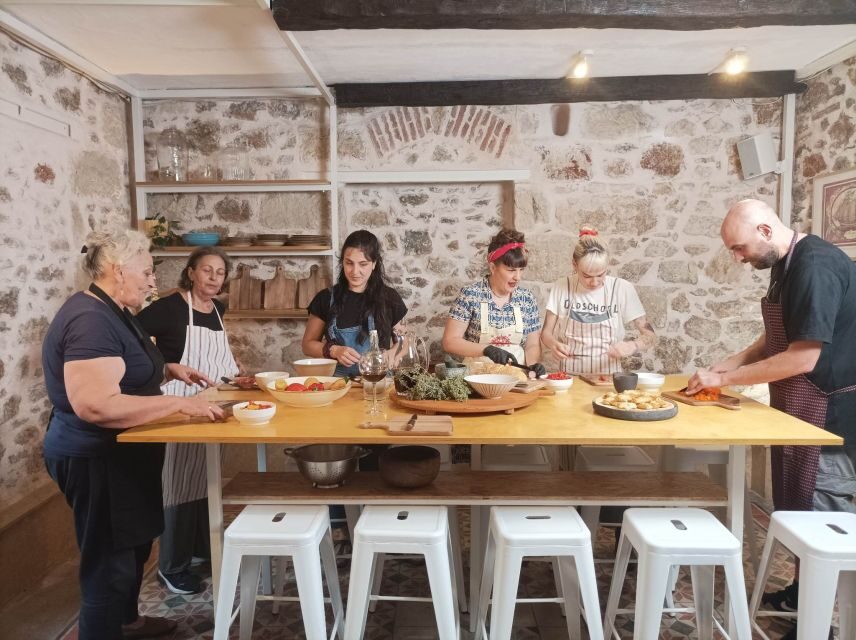
The main cooking happens in a traditional stone house in Kerameikos. Several people talk about the venue like it’s a retreat from Athens hustle, which makes sense: stone walls hold the cool, and the workspace feels like you’re cooking at someone’s home rather than in a factory-style class.
You’ll rotate tasks, not just stand at one station. That’s a big deal for a cooking class, because the skill comes from doing the steps yourself: chopping, rolling, mixing, assembling, and baking. Hosts like Kostas and Elena are also mentioned for patient, step-by-step guidance and for keeping things fun while you work.
And yes, there’s a garden element. You’ll eventually eat what you make outside in the garden/courtyard area, often under shade from trees. On hotter days, you might eat indoors too, depending on how warm it is when your group finishes cooking.
Tuesday Farmers’ Market: 15 minutes that make everything taste fresher
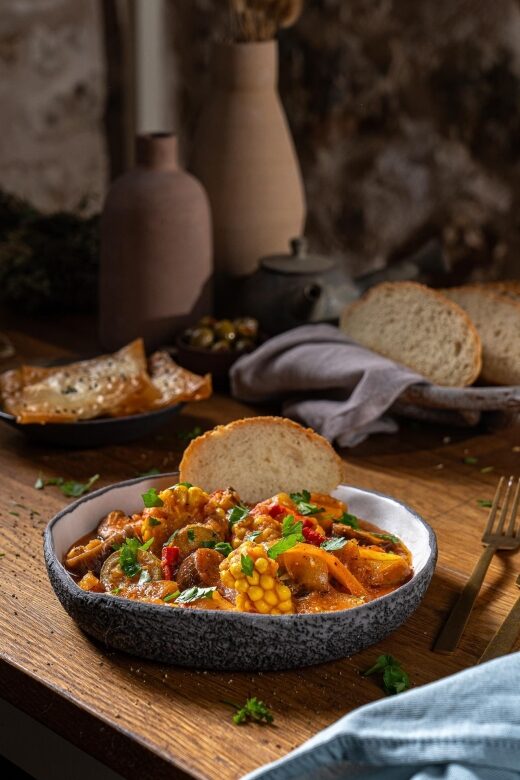
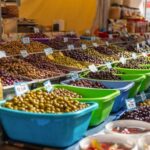
If you’re booking a Tuesday, there’s a special perk. The Farmers’ Market takes place right in front of the place, and the class usually spends about 15 minutes there to pick up fresh ingredients.
This isn’t a long shopping spree. It’s short on purpose, so you don’t lose the day to market wandering. But even that quick stop helps you understand what “fresh” means in Greek cooking: tomatoes, herbs, and small items that can shift the final flavor.
What you’re really learning is how locals think. It’s not about buying fancy stuff; it’s about grabbing the right ingredients for the dish you’re making that day.
Cooking six Greek dishes: your menu, step by step
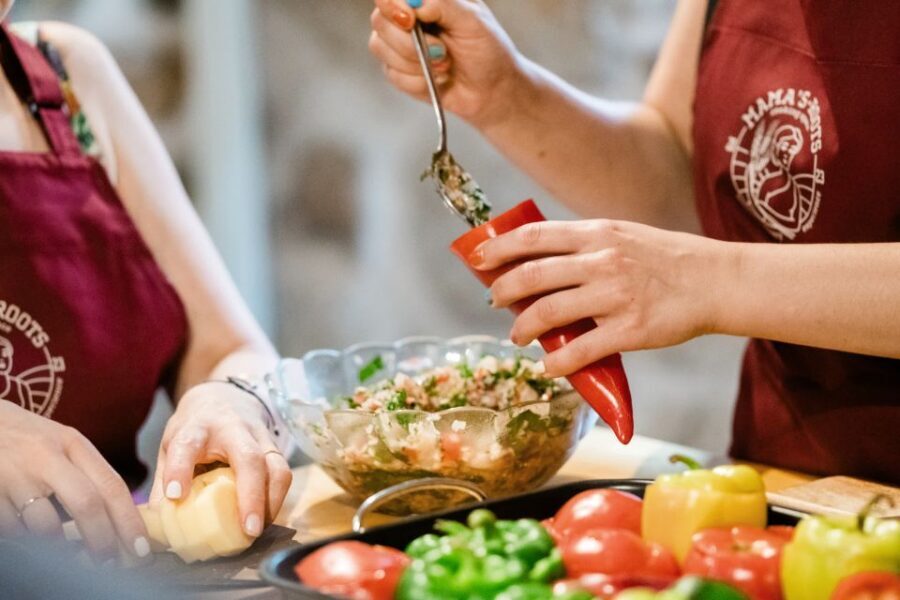
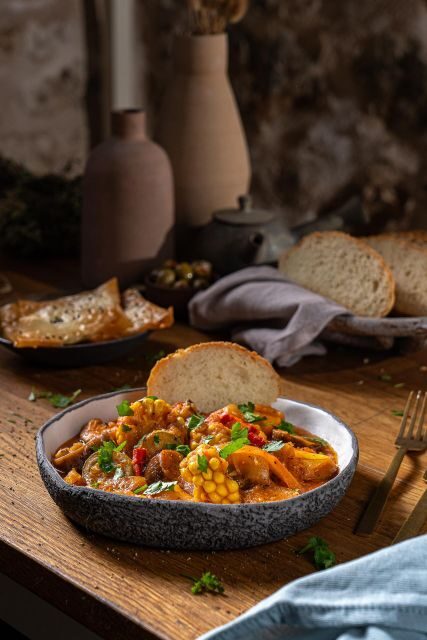
The class centers on cooking six traditional Greek dishes. You work in the same general timeline, with the instructor guiding technique and the group cooking different components at the same time, so the meal lands together at the end. The menu is subject to change based on seasonal availability, but the dishes below are the typical set.
Yemista: oven-baked tomatoes and peppers stuffed the Greek way
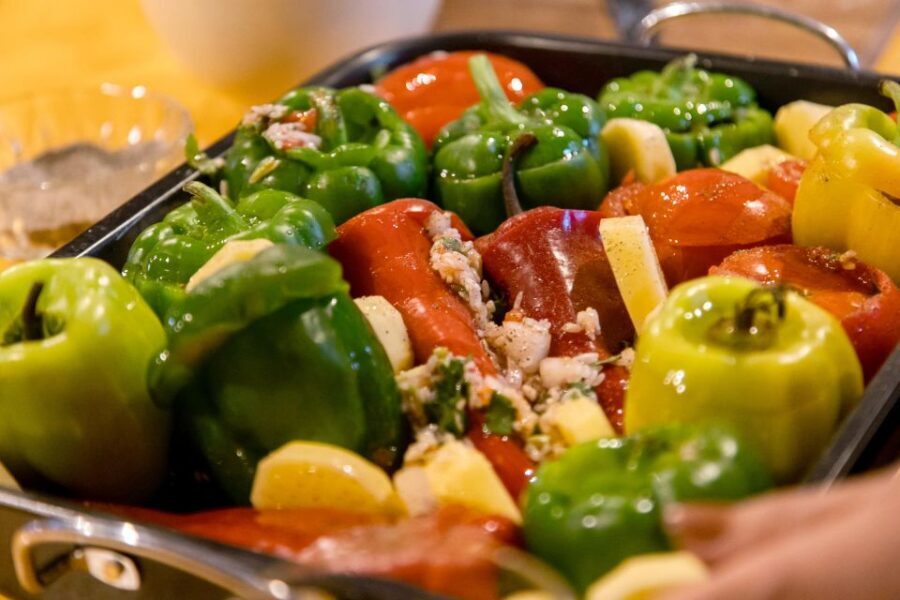
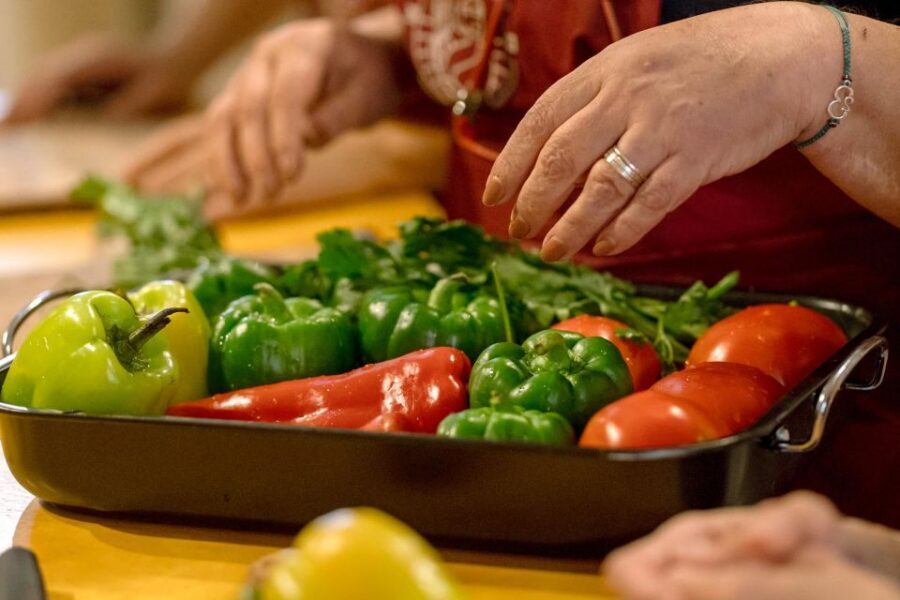
Yemista is comfort food with structure. You’ll cook stuffed tomatoes and peppers with rice, vegetables, herbs, and extra virgin olive oil.
What I like about learning yemista in this format is that it teaches balance. Stuffing should be flavorful, but not watery. The rice needs to cook through in the oven without collapsing into mush. You’re also learning the foundation of Greek flavor: olive oil, herbs, and the slow cooking effect of roasting.
You can also read our reviews of more tours and experiences in Athens

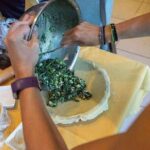
Spinach cheese rolls: mini pies with phyllo and feta
These are the practical hands-on win for home cooks. You’ll make spinach cheese rolls—mini pies with feta, fresh spinach, and herbs wrapped in phyllo dough, baked in the oven.
Phyllo scares some people until they actually do it. In a small-group class, you can get guidance before you start rolling and pressing, and the final result is very teachable: flaky exterior, savory filling.
One recurring favorite in the classes is the spinach pie itself. If you’re even a little curious about Greek comfort food, this is often the dish people go back to at home.
Cretan ndakos salad: barley rusks soak up flavor
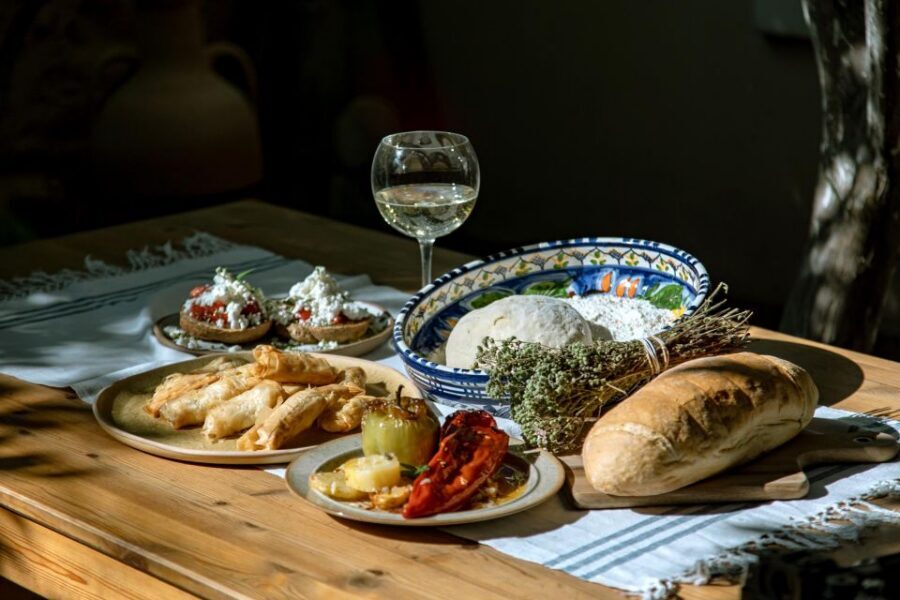
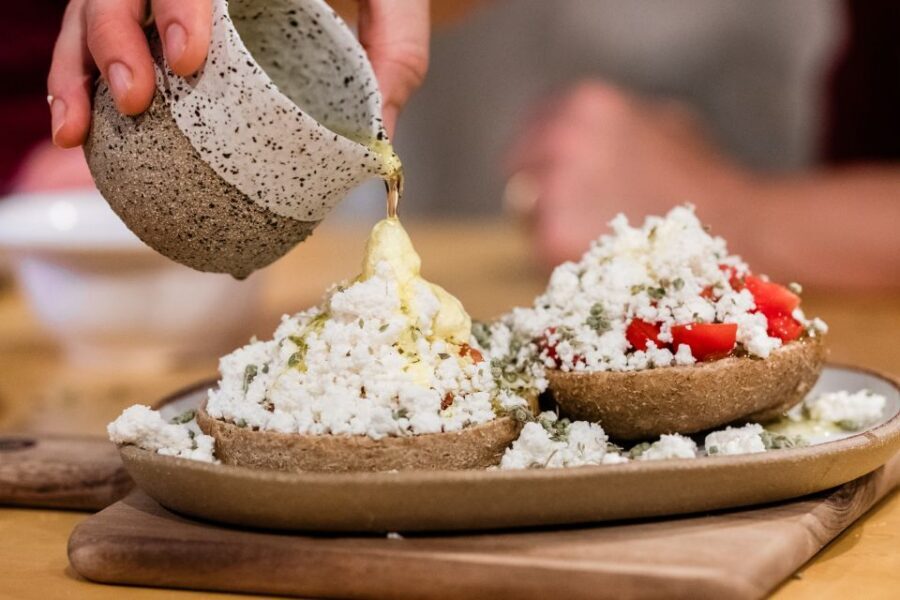
This one is deceptively simple and very Greek. Cretan ndakos is made with crunchy barley rusks soaked in olive oil, plus diced tomato, capers, oregano, and sour mizithra cheese.
The key lesson here is timing and texture. Rusks aren’t bread in the same way. They need olive oil and other toppings in a way that softens without turning into total mush. You’ll understand how Greek salads can be more than raw ingredients—sometimes it’s about how you bring elements together.
Kagiana: Greek scrambled eggs with tomatoes, peppers, and feta
Kagiana is scrambled eggs with a Mediterranean twist. You’ll learn how to make it with grated tomatoes, peppers, and feta cheese.
This is a great dish for technique. Eggs are quick, so you learn how to keep them tender and creamy instead of dry. Tomatoes and peppers also add moisture, so the instructor helps you manage heat and mixing.
A lot of people end up carrying this one home because it’s fast for everyday cooking, even if you’ve never cooked Greek food before.
Tzatziki sauce: the classic garlic-yogurt-cucumber combo
Tzatziki is the Greek staple everyone thinks they already know. Then you make it and realize the details matter: garlic, yogurt, cucumber, and the balance of flavors that makes it taste fresh instead of heavy.
You’ll learn a straightforward process you can repeat. It’s also one of the best “bring Greek cooking to your fridge” lessons—because yogurt, cucumber, garlic, and olive oil don’t require rare ingredients.
Loukoumades: honey and cinnamon doughnut bites
Dessert is loukoumades, small round doughnuts finished with honey and cinnamon. This is the kind of sweet that makes the class feel complete because you’re not leaving hungry.
One small caution: depending on the pacing and when you sit down, you might not always see every second of the dessert process start to finish. The main goal is that you make and taste it as part of the meal, and you’ll still get recipes in digital form afterward.
Wine with the meal: not a side show
Wine is included to accompany the meal, from local producers. In the courtyard, people often describe it as an easygoing atmosphere—clinking glasses while you talk and eat what you made.
This isn’t just about drinking. It fits the Greek rhythm of a shared meal after shared work. The class feels like a lunch you earned, not a performance you watched.
If you want to take photos, do it after the first dishes come together. When the meal starts, the kitchen chatter turns into full-on table conversation, and you’ll want your hands free.
The pace and group size: why the class doesn’t feel rushed
This is a small group cooking class, and that’s why it works. With fewer people, you get actual participation: there are tasks for everyone, and the instructor can correct small mistakes early.
Reviews often note the pacing as relaxed, not frantic. You’ll have time to understand what’s happening as you cook, and the final meal flows smoothly.
For families or mixed-age groups, this structure is also helpful because the steps are clear and the stations are manageable. And for solo travelers, the small size makes it easier to talk with people without feeling like you’re dropped into a crowd.
What you leave with: recipes you can use at home
You’ll get recipes in digital form. Many people mention QR code access, which is practical because you can cook later without hunting down a card or email thread.
The recipes also tend to be easy to follow, with instructions geared toward home kitchens. That’s the real value of a class like this: it’s not just an afternoon. It’s a short course you can repeat.
And if you’re the type who likes to show up to dinner prepared, these are crowd-pleasing dishes that don’t require fancy equipment.
The mini shopping moment inside the house
There’s also a small gift shopping area in the house. People mention handmade pottery, jewelry, and art from local artisans (and sometimes from the hosts themselves), and they suggest bringing cash just in case.
You can treat this as a light souvenir stop, not a shopping obligation. It’s a nice way to support local makers while you’re already in a place dedicated to Greek craft and hospitality.
Value check: is $106 worth it?
At about $106 per person for a 3 to 3.5 hour experience, you’re paying for a bunch of things at once:
- six dishes cooked with hands-on instruction
- a sit-down meal built from your work
- wine included
- digital recipes so you can repeat the results
- a small-group, home-kitchen setting in Kerameikos
If you compare this to eating out twice in Athens, the cost can start to look less dramatic—especially because you’re leaving with skills, not just a full stomach. I like that the price buys you participation, not spectatorship.
Where it may not feel like a bargain is if you only want a quick taste of Greek food and would rather eat in a restaurant. If that’s you, this class is more about learning and making than about sampling.
Who this class is best for
This is a great fit if you want Greek food you can cook yourself. It’s also ideal if you like a social meal: you’ll work with a small set of people and then eat together in a courtyard/garden setting.
It’s especially good for first-timers to Greek cuisine who want recognizable classics with clear instructions. If you already cook at home, you’ll still get value from technique and ingredient balance—especially with things like kagiana and the phyllo-based rolls.
Should you book it?
Yes, if you want a hands-on Athens experience that feels local and practical. The stone house setting, the small-group cooking, the six-dish structure, and the market add-on on Tuesday are a strong mix for the price.
I’d skip it only if you’re short on time and purely want sightseeing, or if you strongly prefer restaurant meals over cooking lessons. Otherwise, this is one of those afternoons that gives you a memory and a repeatable skill set—plus enough food to take the rest of your day slower.
FAQ
FAQ
Where is the meeting point?
You meet at Mama’s Roots in Athens.
How long is the cooking class?
It lasts about 3 to 3.5 hours.
Is the class taught in English?
Yes, the instructor speaks English.
How many dishes will I cook?
You’ll cook 6 traditional Greek dishes.
What dishes are included?
The menu includes items such as yemista, spinach cheese rolls, Cretan ndakos salad, kagiana, tzatziki sauce, and loukoumades. The exact menu can change based on seasonal availability.
Is wine included?
Yes. Wine from local producers is included to accompany the meal.
Is there a market visit?
On Tuesdays, the Farmers’ Market takes place right in front of the place, and the class usually spends about 15 minutes there to pick up fresh ingredients.
Do I get recipes to take home?
Yes. You receive recipes in digital form (QR format).
What group size is it?
It’s a small group.
What’s the cancellation policy?
You can cancel up to 24 hours in advance for a full refund.



More Workshops & Classes in Athens
More Cooking Classes in Athens
More Tour Reviews in Athens
- All Day Cruise -3 Islands to Agistri,Moni, Aegina with lunch and drinks included
★ 5.0 · 4,958 reviews