REVIEW · ATHENS
Athens Riverside: A Journey in Mythical Athens
Book on Viator →Operated by Urban Athens Collective · Bookable on Viator
Athens gets stranger under your feet. This is a walking tour that traces the ancient Heridanos and Ilissos river routes as they run through—and sometimes beneath—modern Athens, then ties it all to the stories, gods, and everyday life that shaped the city. You start in the central old-town area, move through layers of history, and end close to the Acropolis Museum with hill views that feel like a cheat code.
Two things I really like: first, you get major Athens highlights in a fresh way. You still reach the Ancient Agora and Acropolis, but the walking route explains how the city grew around water and myth instead of just listing famous ruins. Second, the guide’s storytelling makes the places feel connected—like you’re walking through a single long narrative, not a pile of stops. Guides you might meet, like Helena, Dionysus, and Eleni (and even Arthur on one departure), bring that “past and present in sync” energy.
One thing to plan for: it’s a mostly outdoor 3-hour walk, and in warm months it can get brutal. Also, there’s no food included, so you’ll want to handle water and snacks on your own.
In This Review
- Key highlights you should care about
- Why Athens Riverside is different: the city’s myth routes run through water
- Getting started near Monastiraki: easy to find, smart to arrive early
- Walking between eras: sanctuaries, churches, caves, and Roman baths
- Ancient Agora the “river way”: seeing the city’s center from a new angle
- Acropolis and the walk up to it: classics with a sense of flow
- The hills where Athens tells its myths: Ares, nymphs, muses, and the Assembly
- Pnyx and Philoppapos views: your payoff for the uphill moments
- Roman Conservatory and the in-between surprises
- Pace, comfort, and what the price really buys you
- Who should book Athens Riverside (and who might prefer something else)
- Should you book it? My take
- FAQ
- Where does the tour start?
- Where does the tour end?
- How long is the Athens Riverside tour?
- How much does it cost?
- What language is the tour offered in?
- Is food included in the ticket price?
- Is it a private tour?
- Does it run in bad weather?
- What should I wear?
- Do I get confirmation after booking?
- Is there free cancellation?
Key highlights you should care about
- Buried river routes under modern streets: follow the ancient paths of the Heridanos and Ilissos
- Metro-era history at the meeting area: see where the Heridanos was uncovered during 1990s metro construction
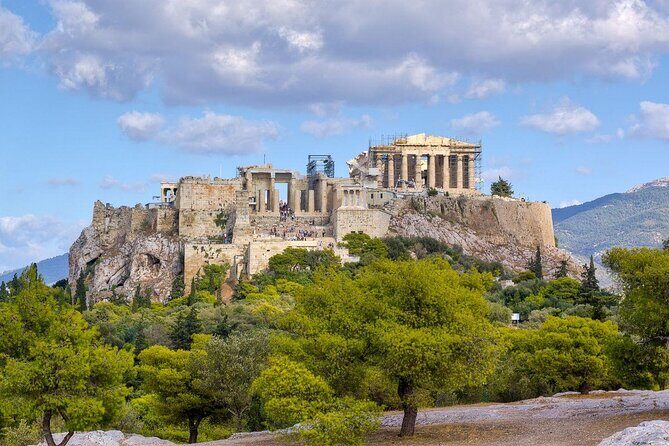
- Mix of big names and off-the-radar stops: Ancient Agora and Acropolis plus lesser-seen layers
- Myth + geography in the same hour: gods, sanctuaries, and legends tied to the hills you walk
- Hilltop viewpoints from Pnyx and Philoppapos: great for photos, and possibly a sunset depending on your departure
- A guide-led route through overlap: classical, Roman, Christian, and modern Athens all show up on foot
Why Athens Riverside is different: the city’s myth routes run through water
Most Athens tours hit the big postcard sites and then hop to the next one. This route does the opposite. It starts with the rivers—because rivers decide where people live, where paths form, and what gets remembered.
The Heridanos river is the star of the early part of the walk. It once flowed from a source on Mount Lycabettos toward the Kerameikos archaeological area. For centuries, its course stayed out of sight—until construction of the Athens metro in the 1990s uncovered a section. Standing in the city center where that history is visible, the whole tour makes a simple point feel powerful: ancient Athens didn’t just build monuments. It also built its story around water.
Then there’s the Ilissos, another river that runs mostly underground through modern Athens. Its banks matter in Greek mythology and writing, including as a teaching locale associated with Socrates. So instead of treating myth like something separate from the street map, you treat it like the street map’s original draft.
You can also read our reviews of more tours and experiences in Athens.


Getting started near Monastiraki: easy to find, smart to arrive early
You’ll meet in central Athens, tied to the Monastiraki area, with the listed start point at Ermou 111. This is the kind of location that helps you avoid the “where is everyone?” moment. You’re close to public transportation, and the tour includes a mobile ticket, so you’re not stuck hunting down printed paperwork.
Practical tip: show up a few minutes early. Even if everything runs smoothly, you want time to spot your group and match faces to names before you start walking.
The walk is designed for most travelers—you’re not asked to climb steep technical terrain—but you should expect steady walking for about 3 hours. Casual dress is the guide.
Walking between eras: sanctuaries, churches, caves, and Roman baths
As you follow the river courses, the route passes through a layering of Athens that most first-time itineraries skim over. You’ll see the overlap of:
- ancient sanctuaries built for Greek gods
- remnants of Christian churches
- mentions of mystical caves
- ruins of Roman baths
Even when you’re only passing by some of these, it’s still valuable. Athens isn’t one neatly labeled time period. It’s a stack. And when you’re guided through the stack, you start noticing patterns: where ancient people placed worship sites, where later Romans built for daily life, and how centuries of reuse can quietly leave traces in the modern city.
That’s where the storytelling matters most. The guide’s job here isn’t just to explain what you’re looking at—it’s to connect the setting to legends and to what daily life might have felt like for the original residents.
Ancient Agora the “river way”: seeing the city’s center from a new angle
The Ancient Agora stop is one of the big anchors of the tour. It matters because it’s the political and civic heart of classic Athens—yet here it feels less like a standalone destination and more like a consequence of where people gathered and traveled.
By reaching the Agora after tracking river routes and myth geography, you’re primed to read the city like an ecosystem. Water shaped movement, movement shaped neighborhoods, and neighborhoods shaped public life. So the Agora doesn’t just become a site you check off. It becomes the natural next page in the story.
If you’ve done Athens before and already covered the most crowded highlights, this is the main reason I think the tour still works. It offers a route that gives context without turning into a museum lecture.
Acropolis and the walk up to it: classics with a sense of flow
You also visit the Acropolis. You’ll finish at Str. Makryianni 1, right in front of the Acropolis Museum, so you get a clean ending point with easy onward plans.
What makes this feel different is the approach. Instead of arriving “straight from the museum,” you arrive after walking through neighborhoods and historical remnants. That creates a stronger mental link between the Acropolis and the living city around it.
And yes, there’s still that classic Acropolis wow factor—especially when the guide times viewpoints well.
- All Day Cruise -3 Islands to Agistri,Moni, Aegina with lunch and drinks included
★ 5.0 · 4,958 reviews




The hills where Athens tells its myths: Ares, nymphs, muses, and the Assembly
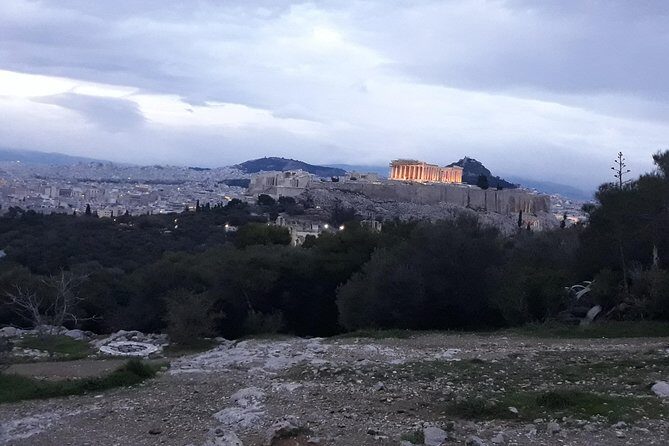
The itinerary includes a run of hill-focused stops that explain why the city’s legends stick to certain places.
You’ll learn about the small naked rock of Ares, a reference tied to the hill area associated with Ares (often linked with the Areopagus concept). Even if you’re not walking the exact same spot as a typical school field trip, you’re still getting the myth-to-topography connection: the story isn’t random. It’s attached to the geography people used every day.
Next comes the mythical hill of Nymphs, leading toward the Athenian Assembly. This is where the tour starts feeling like “politics meets myth,” because the city’s governing identity shows up alongside the stories that made the landscape feel alive. It’s also a nice change of pace: you go from river routes and passing monuments to places people gathered, judged, and talked.
Then you walk on the hill of Muses. This stop is a reminder that Athens treated art and learning as part of public life, not something sealed in a classroom. If you like thinking about how cities build reputations—intellectual, religious, political—this section lands well.
Pnyx and Philoppapos views: your payoff for the uphill moments
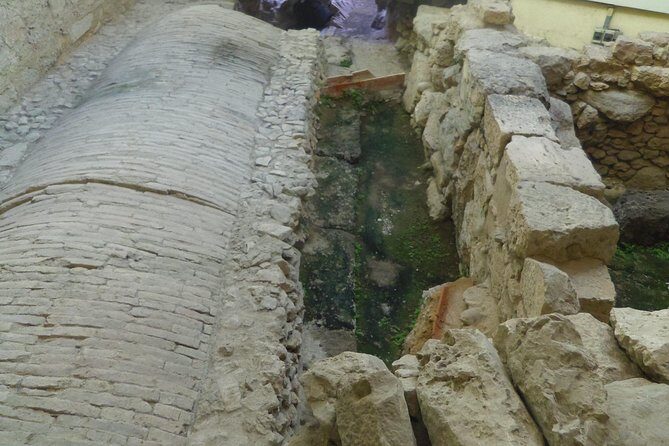
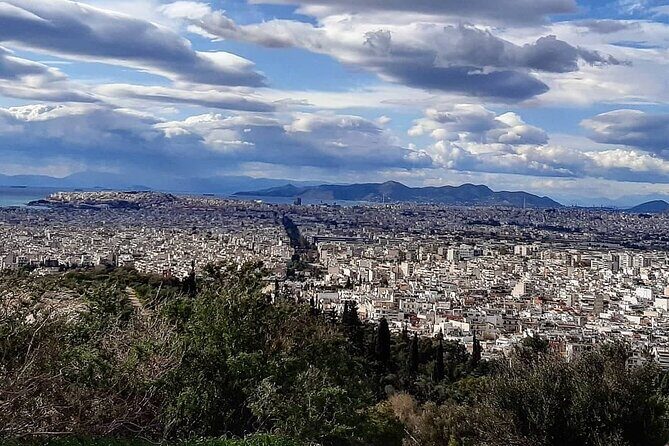
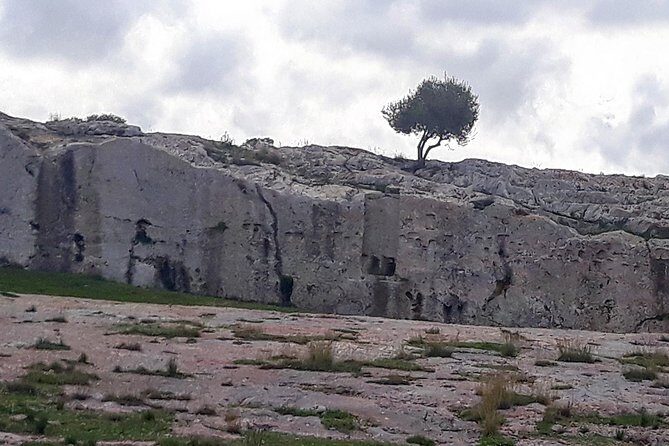
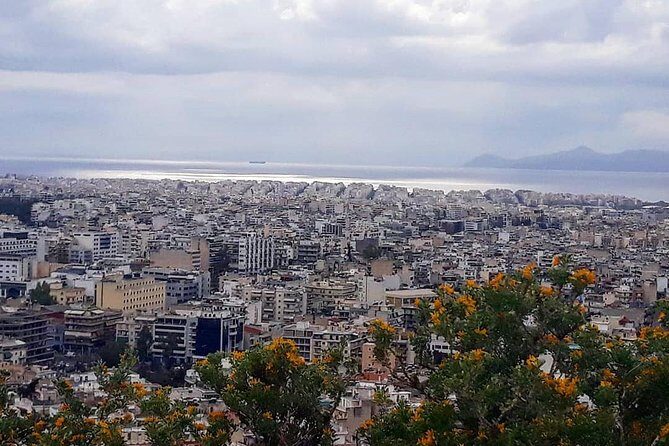
A big reason to do this tour is the payoff from the hillside viewpoints, especially around Pnyx and Philoppapos Hills. The hills give you a wider view of the city, and that’s when the river story clicks visually: you can see how the modern streets relate to older routes, and how the city’s “shape” makes room for both mythology and daily life.
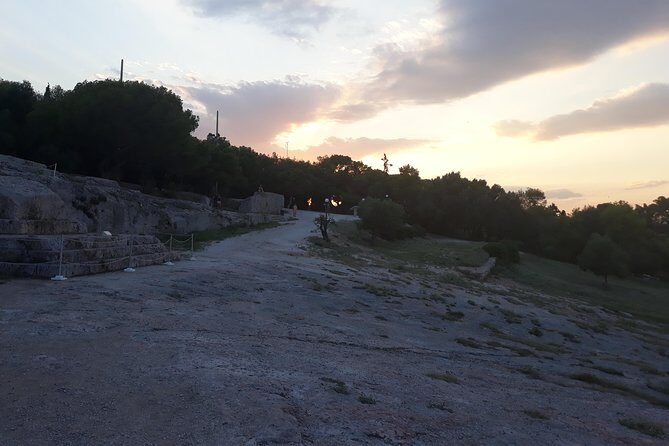
If you book a later departure, you might catch sunset-like light depending on the time of year and the specific tour schedule. That’s not guaranteed in every situation, but the hills are absolutely the kind of places where Athens looks best at the end of the day.
Photo tip: bring your phone fully charged and expect some sun glare. In warm weather, plan your break timing—shade can be scarce on hill segments.
Roman Conservatory and the in-between surprises
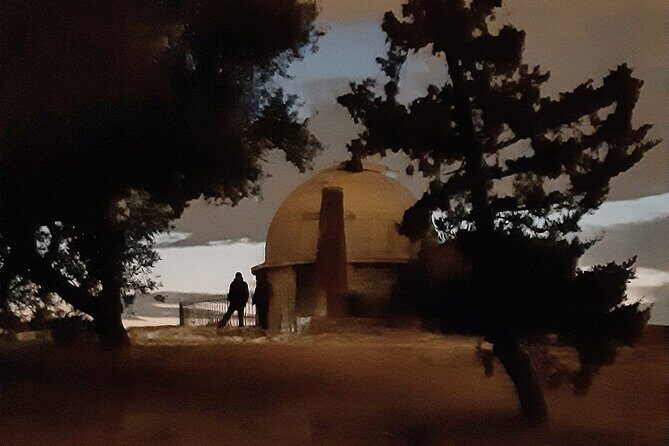
One of the listed stops is the Roman Conservatory of Athens, a reminder that Roman Athens left cultural fingerprints too, not just classical Greek ones. This is the type of stop that can feel small on paper, but it’s worth it because it connects your route to performance, public gatherings, and daily civic life.
And along the way, the tour threads through neighborhoods that feel more lived-in than tourist-heavy blocks. Some guides also bring that extra human touch—examples from past departures include a moment where the guide tried to keep the walk engaging for younger teens by bringing koulouri. It’s a nice reminder that the tour isn’t only for adults who want statues; it’s also for families who need stories that move.
Pace, comfort, and what the price really buys you
The price is $83.77 per person for about 3 hours, and that includes a local guide. There’s a group discount angle, and you’ll also get a private tour format, meaning it’s only your group. For many people, that’s where the value shows up: you pay for guidance and narrative, not just access to famous rocks.
Here’s the balance to consider:
- Pros: the route is unusual, and the guide connects multiple layers—rivers, myths, sanctuaries, and major sites—into one walk.
- Cons: food and drinks aren’t included, so you have to manage your own water and energy.
So I treat this like a “walk-first” tour. You should come prepared like you’re doing a long city stroll: sunscreen, a hat, comfortable shoes, and water you can carry. If you’re sensitive to heat, pick a cooler time of day.
Also, most people book about 6 days in advance. That’s often a sign this isn’t just an afterthought product. If your schedule is tight, lock in sooner rather than later.
Who should book Athens Riverside (and who might prefer something else)
This tour is ideal if you want:
- a guided walk with story and context, not just a checklist
- myth and archaeology mixed together in a way that explains how Athens works
- a different route even if you’ve visited other classic sites before
- hilltop views with a strong payoff
You might skip it if:
- you hate walking and want minimal time on your feet
- you need a tour with long sitting breaks or included snacks (since nothing is provided for food)
- you’re expecting a fully indoor experience, since it runs in all weather but still involves outdoors walking
Should you book it? My take
If your Athens plan already includes the Acropolis and the Agora but you want a story-driven way to reach them, Athens Riverside is a smart choice. It gives you a “how the city got its shape” explanation through the rivers—Heridanos and Ilissos—and then pays you back with views from Pnyx and Philoppapos.
One caution: don’t underestimate summer heat. Dress casually, pack water, and plan your pace. If you do that, you’ll end up with the kind of Athens day that feels specific and memorable—because you learned the city’s myths the way the city itself was built: along paths of water.
FAQ
Where does the tour start?
The start point is listed at Ermou 111, Athina 105 55, Greece, and you meet your guide at Monastiraki Square in central Athens.
Where does the tour end?
The tour ends at Str. Makryianni 1, Athina 117 42, Greece, in front of the Acropolis Museum.
How long is the Athens Riverside tour?
It’s about 3 hours (approx.).
How much does it cost?
The price is $83.77 per person.
What language is the tour offered in?
The tour is offered in English.
Is food included in the ticket price?
No. Food and drinks are not included.
Is it a private tour?
Yes. It’s private, so only your group participates.
Does it run in bad weather?
It operates in all weather conditions, so dress appropriately.
What should I wear?
Dress code is casual.
Do I get confirmation after booking?
Yes, confirmation is received at the time of booking.
Is there free cancellation?
Free cancellation is available. You can cancel up to 24 hours in advance for a full refund.


More Tour Reviews in Athens
- All Day Cruise -3 Islands to Agistri,Moni, Aegina with lunch and drinks included
★ 5.0 · 4,958 reviews