REVIEW · ATHENS
Biblical Tour Letters to The Corinthians – St Paul’s Footsteps
Book on Viator →Operated by Athens Taxi Travel · Bookable on Viator
St. Paul’s world feels close here. This private day trip connects Athens to Corinth with a plan built around Paul’s footsteps and letters, from Mars Hill to the Bema. I like that it’s truly flexible, so you can spend your time where your questions are. I also like the driver-led approach: you get a smooth, air-conditioned ride plus history talk in plain English all day.
The main consideration is pace. Eight hours is a lot of stops, and if you prefer to linger, you’ll want to ask your driver to slow down early rather than waiting for mid-afternoon.
In This Review
- Key things you’ll notice on this St. Paul tour
- From Athens to Corinth: why the drive matters
- Areopagus Hill (Mars Hill) to Corinth Canal: ideas first, scenery second
- The Diolkos and Isthmia: the machinery of the isthmus
- Museum time at Isthmia: artifacts you can actually picture
- Ancient Corinth: the Bema, the courtroom moment, and the letters
- Temple of Apollo and Kechreae: worship, then the port
- Church at Apostolou Pavlou and the view from Akrokorinthos
- Lunch in Corinth: plan for a real break
- How the driver-led model works (and when you might upgrade)
- Price and value: what $386.18 per group really buys
- Pacing and customization: how to avoid the rushed feeling
- Should you book this St. Paul’s Corinth tour?
- FAQ
- FAQ
- How long is the Biblical Tour Letters to The Corinthians tour?
- How many people can you book for at this price?
- Do you get pickup, or do you meet somewhere else?
- Is the tour in English?
- Are entrance fees included?
- What’s included in the vehicle experience?
Key things you’ll notice on this St. Paul tour
- You control the itinerary in a private vehicle, so the day fits your interests instead of a rigid group schedule
- Paul’s landmarks are close together: Mars Hill, Corinth’s isthmus sites, then Ancient Corinth and the Bema
- Isthmia adds the texture: Poseidon worship, the stadium setting, and the athletic side of Paul’s era
- Kenchreae (Cenchreae) ties faith to travel via the Corinth eastern port and early church connections
- Your driver helps you connect the dots even without entering every site with you
From Athens to Corinth: why the drive matters
This isn’t a quick grab-and-go sightseeing run. It’s a full, private day designed so you can connect each place to Paul’s movements without constantly negotiating buses or crowds.
Expect pickup from your place and private transportation in an air-conditioned vehicle. You’ll also have bottled water and WiFi on board, which sounds small, but it helps when the day runs long.
If you’re the type who likes to ask questions in real time, this format works well. Your driver can talk through what you’re seeing and answer questions as you go. And if you want a licensed guide inside key sites, there’s an option to arrange one depending on availability.
You can also read our reviews of more tours and experiences in Athens.


Areopagus Hill (Mars Hill) to Corinth Canal: ideas first, scenery second
You start at Areopagus Hill, also called Mars Hill, tied to Paul’s sermon to the Athenians. This is the “big concept” stop: Paul in front of the council, pushing back on the era’s beliefs, and introducing the message of Christianity to an intellectual city.
What I like about this opener is that it sets the tone. Before you see Corinth’s streets and monuments, you get the mental frame for what Paul was arguing—and why it mattered.
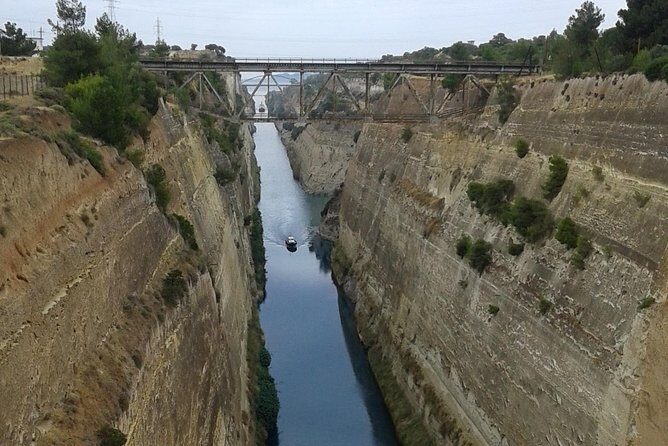
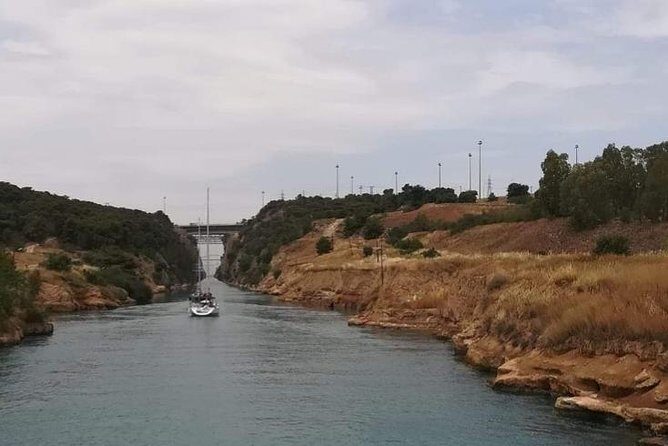
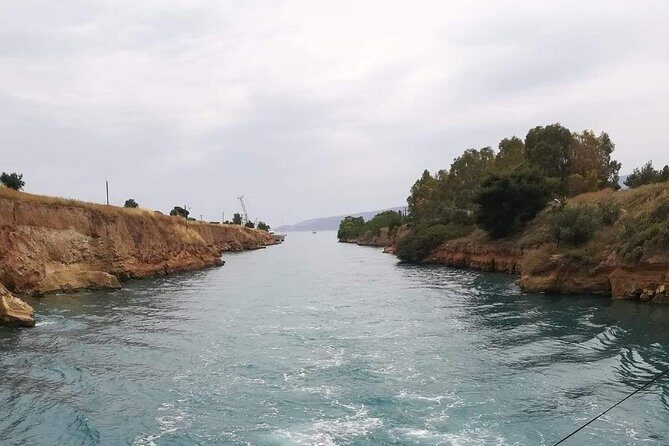
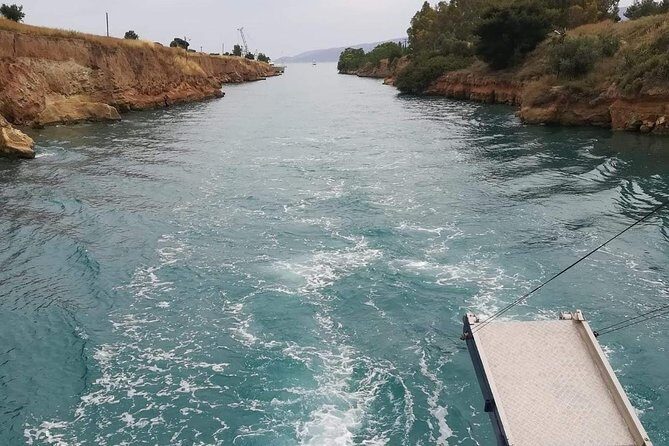
Then you head toward the Corinth Canal. It’s a modern marvel built in the 19th century, but the idea goes back more than 2,000 years to ancient Corinth and the rulers who wanted a shortcut for ships. Watching how the canal slices through the geography helps you understand why this region was a crossroads in Paul’s day.
A small practical note: the canal stop is short—about 30 minutes—so go in with one goal. Take the photos you want, then move on rather than trying to “complete” the area in half an hour.
The Diolkos and Isthmia: the machinery of the isthmus
Right after the canal, you visit the Diolkos. This ancient transport track is where the story gets physical. Ships weren’t just sailed around the Peloponnese; they could be moved across the isthmus, which changes how you imagine trade and travel.
From there, the tour moves to Isthmia, a site tied to Poseidon worship and the Isthmian Games. If Athens is about philosophy and Corinth is about letters, Isthmia gives you the athletic and public-event backdrop.
The tour also makes a clear link between Paul and this setting. The Bible references Paul working as a tentmaker in the region, and the idea here is that he met travelers and athletes connected to the games. Whether you treat that as literal or interpretive, it helps you “see” why Paul would use public gatherings to spread his message.
Museum time at Isthmia: artifacts you can actually picture
The Archaeological Museum of Isthmia (admission not included) gives you something most outdoor stops don’t: objects you can hold in your imagination. You’ll see artifacts connected to the sanctuary of Poseidon—the same religious landscape that framed the games.
One standout detail for me is the museum’s connection to Kenchreai, the port tied to Paul’s journeys. The tour highlights glass panels from Kenchreai, plus statues, votive offerings, and burial finds. Even in a short visit (around 30 minutes), this kind of material makes the area feel lived-in rather than just “visited.”
If you’re sensitive to rushing, this museum stop is your chance to slow down. Spend a little extra time looking at what’s displayed rather than trying to speed through.
Ancient Corinth: the Bema, the courtroom moment, and the letters
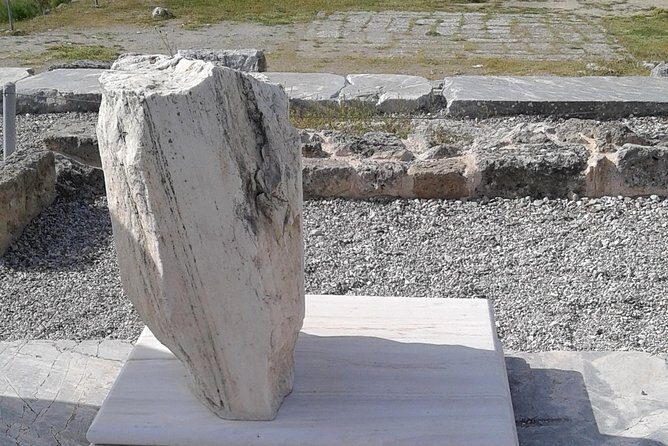
Ancient Corinth is the anchor of the day. The location is strategically placed between mainland Greece and the Peloponnese, and Corinth was one of the great commercial hubs of the ancient world.
Paul lived and preached here for more than a year and a half, and his letters to the Corinthians connect directly to the issues the community faced. That’s why this stop works best when you’re mentally active: don’t just look at ruins, connect them to people and arguments.
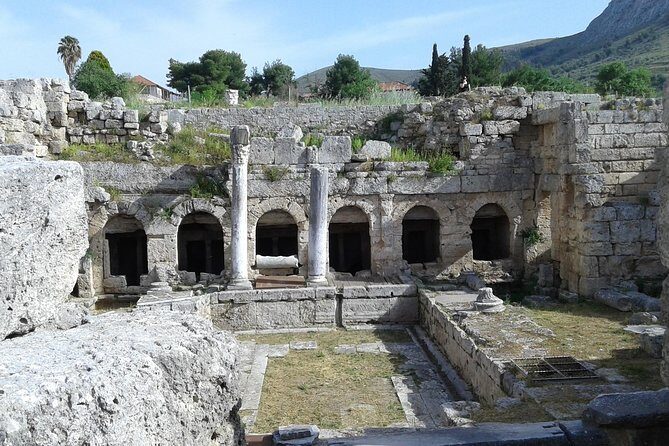
At the site, you’ll visit the Bema, the judgment seat. The tour links this location to Paul being brought before the Roman proconsul Gallio, with the case dismissed in a way that allowed Paul to keep preaching. It’s one of those historical moments that turns the stones into a story with stakes.
Two practical tips:
- If you already know Paul’s basic timeline, ask your driver to connect what you’re seeing to one of the letter themes you care about most.
- If you don’t know the stories well, don’t worry. The stop is still powerful even without prior reading.
- All Day Cruise -3 Islands to Agistri,Moni, Aegina with lunch and drinks included
★ 5.0 · 4,958 reviews



Temple of Apollo and Kechreae: worship, then the port
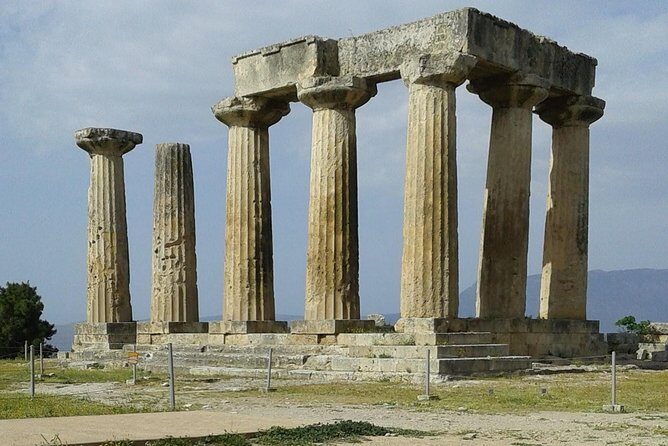
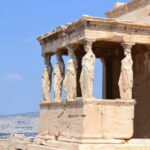
Next comes the Temple of Apollo, one of Corinth’s major landmarks. Built around 560 BC, it’s an early Doric example with monolithic limestone columns, and it would have dominated the skyline when Paul arrived.
Standing in that setting, you get a stronger sense of what Paul was up against: a city with established worship patterns and many competing ideas. It’s not about arguing theology on-site—it’s about understanding the environment in which a new message spread.
After that, you head to Kechries, tied to Cenchreae, the eastern port of Corinth. This is a quieter stop, but it connects faith to travel. The tour notes Paul stopping here during his second missionary journey, and it also ties in the community in Cenchreae mentioned through Paul’s writings (including Phoebe).
What you gain at a port stop like this is perspective. Corinth wasn’t just a local town—it was a shipping node where messages could travel, and people could move on.
Church at Apostolou Pavlou and the view from Akrokorinthos
The tour includes the church honoring Apostle Paul, situated in a location associated with his time in Corinth. It’s a shorter stop (around 20 minutes), but it gives you a moment to step back from ruins and read the day like a journey instead of a checklist.
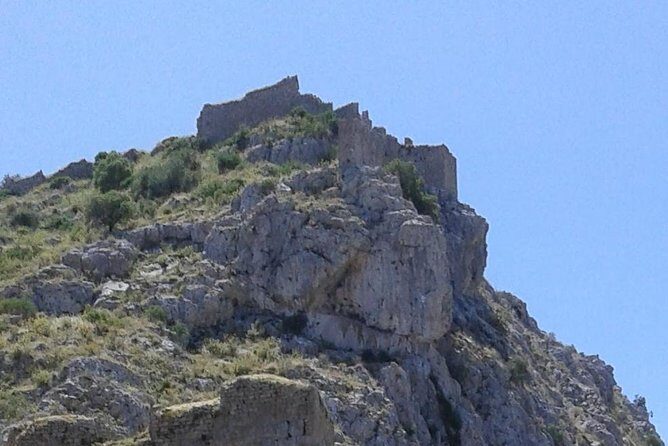
Then the day climbs to Akrokorinthos, the fortress above Ancient Corinth. This is the “why this city mattered” viewpoint. From up there, the geography makes sense fast: you can see how the city controlled movement and why it drew attention from different powers.
The tour points out that visitors follow paths believed to be traveled by Paul. Even if you don’t treat that like a literal certainty, it still works as a reflective walk: you’re looking at the scale Paul would have seen while thinking about the community below.
Lunch in Corinth: plan for a real break
There’s a scheduled lunch window (about an hour) at a traditional seaside Greek taverna. Lunch isn’t included in the price, so treat this as a chance to refuel without the hassle of searching for food across a dozen locations.
If you want value, use this hour to do something simple:
- Eat something classic and filling.
- Ask your driver what local dish pairs best with your appetite.
- Take a slow walk after you eat so you don’t feel rushed into the final stops.
How the driver-led model works (and when you might upgrade)
A key feature here is that the drivers are not official licensed guides who enter sites with you. They are, however, professional drivers with deep knowledge of history and they can provide commentary in fluent English. In plain terms: you’ll get on-the-road storytelling and practical answers.
This model can be great because it keeps the day flowing. You don’t lose time meeting and breaking away from guides at every stop. Your driver also helps you adjust based on what you already saw.
Some standout guide-driver pairings mentioned in past experiences include Alex, Michael, Kostas, Spyros, Constantine, Vicky, and Pantelis. The common thread: they turn a list of ruins into a coherent day and help you feel not rushed at each stop.
If you want more detailed explanations inside museums or key monuments, ask about arranging a licensed tour guide on your behalf (availability-based). That upgrade can be worth it if you’re the type who wants to read every inscription and story carefully.
Price and value: what $386.18 per group really buys
The price is $386.18 per group (up to 4 people), with about eight hours total time. That’s the big value point: you’re paying for a private ride and organized stops rather than individual tickets and logistics.
Two costs to plan for:
- Entrance fees are not included for Ancient Corinth and the Archaeological Museum of Isthmia. The tour notes you can purchase on-site at €15 per person.
- Lunch is not included, and you’ll pay for it during the planned taverna stop.
If you’re traveling with family or two friends, this can be a smart way to keep costs predictable while still getting a high-touch day. If you’re traveling solo, it may feel pricey compared to public transit—but the private flexibility is the tradeoff.
Pacing and customization: how to avoid the rushed feeling
One real watch-out from the overall experience style: the itinerary hits many stops. Even if each one is short, the total day can feel packed if you prefer to sit with a place.
Here’s how to manage it:
- Tell your driver at the start where you want more time (museum, Bema area, Akrokorinthos views).
- If you’ve already seen big sites in Athens earlier, ask to swap time for an extra stop on the Corinth side. Flexibility is part of the concept here.
- Keep your expectations realistic: you’ll see a lot, but not every corner of Corinth can be explored in one day.
Should you book this St. Paul’s Corinth tour?
I think this tour is a strong choice if you want a single, well-connected day built around Paul—places you can tie to the message of the Corinthians letters and the reality of travel and public life in the isthmus region.
Book it if:
- You like Christian history with a practical travel structure.
- You want private pickup and a driver who can explain the sites as you pass them.
- You’re traveling in a group of up to four and want value in shared transport.
Skip it or choose something else if:
- You strongly prefer very slow pacing with lots of unstructured wandering.
- You want a fully licensed guide walking into every site with you (since the default is driver commentary, not guided entry).
FAQ
FAQ
How long is the Biblical Tour Letters to The Corinthians tour?
It’s listed as 8 hours approximately.
How many people can you book for at this price?
The price is per group up to 4 people.
Do you get pickup, or do you meet somewhere else?
Pickup is offered, and it’s a private tour where they pick you up from your place.
Is the tour in English?
Yes, it’s offered in English.
Are entrance fees included?
Entrance fees for Ancient Corinth and the Archaeological Museum of Isthmia are not included; they can be purchased on-site for €15.00 per person. Other listed stops show free admission.
What’s included in the vehicle experience?
WiFi on board, bottled water, an air-conditioned vehicle, and private transportation are included.

More Tours in Athens

More Tour Reviews in Athens
- All Day Cruise -3 Islands to Agistri,Moni, Aegina with lunch and drinks included
★ 5.0 · 4,958 reviews