
REVIEW · ATHENS
E-ticket for Kerameikos with Audio Tour on Your Phone
Book on Viator →Operated by Clio Muse Tours · Bookable on Viator
Your phone turns Kerameikos into a storybook.
With a time-slotted e-ticket and an offline self-guided audio tour, you can move at your pace and still learn what you’re actually seeing. The audio is built for your day: tombs, imposing monuments, precious artefacts, and the Athenians’ ideas about the afterlife, all delivered through maps, narration, and text on your phone.
Two things I love: it keeps everything simple, with an easy-to-use audio guide you can start and stop as you like, and the narration lands in that sweet spot between historical depth and plain clarity. One thing to consider: there may be long queues at the entrance, and you will need your phone charged plus headphones, since this is fully self-guided with no live guide.
In This Review
- Key highlights to look for
- Why Kerameikos feels different with a phone audio tour
- The $15 value: ticket plus offline guide, not just directions
- Time-slotted e-ticket: how it changes your entry day
- Getting your audio tour working before you step inside
- Stop 1: Archaeological Museum of Kerameikos
- The archaeological site: tombs, monuments, and afterlife beliefs
- Audio tour quality: easy use, clear structure, and real support
- Practical timing tips for a smoother 2-hour visit
- Who this experience suits best
- Should you book this Kerameikos audio e-ticket?
Key highlights to look for

- Offline audio and maps so you can avoid roaming charges and focus on your visit
- Time-slotted e-ticket so you can plan your entry instead of guessing
- Narration you control with the ability to pause, resume, and move at your own speed
- A focus on afterlife beliefs alongside the tombs and monuments you’ll see
- Works before and after your visit, since the audio tour can be reused anytime
Why Kerameikos feels different with a phone audio tour

Kerameikos is one of those places where you can easily walk through and still feel like you’re missing the point. It’s archaeology, but it’s also personal. You’re looking at a site tied to death rituals, memorials, and beliefs about what comes next. The audio tour format matters because it gives you a script for what you’re standing in front of, not just a label on a sign.
This experience uses your phone as the guide, which means you’re not stuck in a group rhythm. You can linger by a tomb or monument, then move on when your legs say it’s time. And because the content is offline, you aren’t dealing with spotty signal or surprise data charges. That’s a big deal in Athens, where you might be walking through areas that don’t always cooperate with your carrier.
For me, the best part is that the narration aims to be both engaging and well-researched, without turning the day into a lecture. You get historical framing and also the kind of uncommon stories and anecdotes that make the site click.
You can also read our reviews of more tours and experiences in Athens.



The $15 value: ticket plus offline guide, not just directions
At around $15 for roughly two hours, the value here is the combo: admission plus a built-in learning experience. You’re not paying extra for a separate museum pass or for a guide who follows you around. Instead, the ticket covers your entry (including the museum), while your phone handles the storytelling.
That can save you money and effort. If you’ve ever paid for audio at other sites, you know how often it feels like an add-on with limited usefulness. Here, the audio tour is meant to be used right on-site and structured so you can follow along while you look at tombs, monuments, and artefacts.
Two practical notes when judging value:
- You’re responsible for your own setup (charged phone, headphones), so you don’t want to show up unprepared.
- Because it’s self-guided, you’ll only get what you put into it. The audio does a lot of the heavy lifting, but you still have to press play.
Time-slotted e-ticket: how it changes your entry day
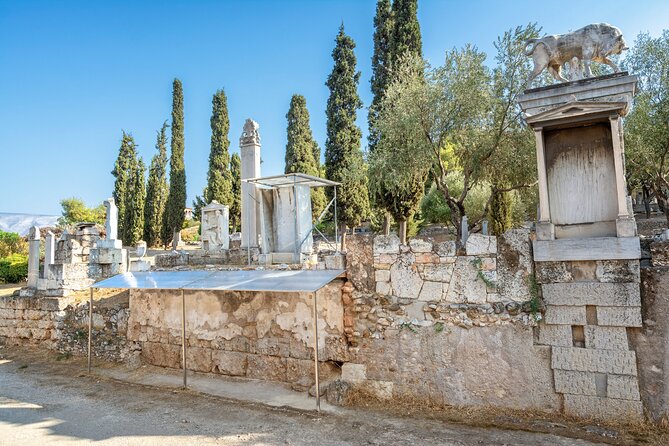
This isn’t a vague “sometime today” ticket. You choose a time slot, then your admission is delivered to you by email. That matters because the site can have long queues, and those delays can scramble your plans fast if you’re just walking up.
A time slot helps you aim for a calmer entry. It also means you can coordinate with the rest of your Athens day without guessing how long you’ll stand around at the gate.
One caution: your Viator voucher is not your entry ticket. This is the kind of small detail that causes big stress if you miss it. Read the email instructions carefully and keep the right confirmation accessible.
Getting your audio tour working before you step inside
The audio tour is designed to be downloaded before your visit. After booking, you receive an email with instructions, and it’s smart to check spam if you don’t see it right away.
Here’s the setup checklist I’d use so you don’t waste your museum time:
- Make sure your phone is fully charged.
- Bring headphones.
- Download the app and the audio tour ahead of time.
- Use a phone that supports the experience: it’s for Android and iOS and is not compatible with Windows phones.
- Plan a quick moment at home to test that you can play audio and navigate the tour.
Why I’m so firm about this: self-guided success lives and dies by readiness. The moment your phone runs out of battery or you can’t get audio to play, the site loses a lot of its momentum.
Stop 1: Archaeological Museum of Kerameikos

Starting at the Archaeological Museum of Kerameikos is smart because it sets the tone for what you’ll see outside. Even if you’re focused on the cemetery grounds, the museum helps you understand the items tied to the stories you’ll hear—tombs, artefacts, and the meaning behind them.
This stop also fits the pacing style of the tour. You can do it as a calm warm-up, then expand your understanding when you move on. The audio guide here is meant to guide you through the museum and then connect that learning to the larger site, so you don’t feel like you’re doing two separate things that never meet.
The audio is also built to stay readable and manageable. The narration aims for a balanced approach—historical depth without getting too dense. That’s exactly what you want when you’re standing in front of objects that can otherwise feel abstract.
A possible drawback at the museum level: if you arrive during heavier crowds, you might be tempted to rush. If you do, you’ll miss the benefit of having the audio guide in the first place. Try to treat this stop as your foundation.
- All Day Cruise -3 Islands to Agistri,Moni, Aegina with lunch and drinks included
★ 5.0 · 4,958 reviews






The archaeological site: tombs, monuments, and afterlife beliefs
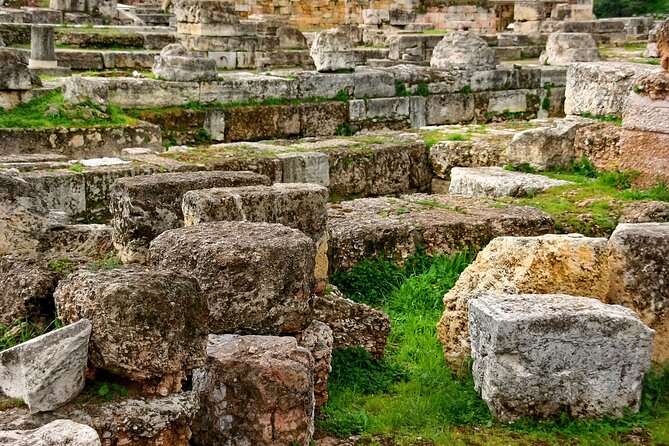
Kerameikos becomes more than a background when the audio shifts from “what is this?” to “what did it mean?” The tour’s focus is not only the physical remains—tombs and imposing monuments—but also the beliefs of the Athenians about the afterlife.
That theme changes how you look. Instead of just seeing stone and structure, you’re guided to think about why these spaces mattered. You also hear uncommon stories and anecdotes that give personality to the people behind the remains. This is the kind of context that makes the site feel less like a checklist and more like a window into real human expectations about life and what comes after.
Because the tour is self-guided, you can pick the pace. Some visitors want to move briskly. Others will pause every few minutes to match the audio with what’s in front of them. This format supports both.
And because you can replay the audio tour anytime—before or after your visit—you’re not locked into one version of the day. If you want to return with more clarity after you’ve learned the basics the first time, the content is there.
Audio tour quality: easy use, clear structure, and real support

From the way the experience is described, the audio tour is built for usability, not just content. The interface is meant to be easy, and the narration is designed to be engaging and well-researched.
Two details stand out from real feedback patterns:
- People liked that the guide walks you through the site and museum in a way that stays accessible.
- When audio hiccups happened, support was able to fix the issue quickly, without turning the visit into a tech problem for the rest of the day.
That last point is quietly important. A self-guided audio experience lives or dies by how it handles small failures. When support can help fast, you keep the day on track.
Practical timing tips for a smoother 2-hour visit

You’re working with about two hours, so you want a plan that avoids rushing through the parts that the audio tour is meant to explain.
A simple approach that fits most pacing styles:
- Use the audio to guide your museum start, but don’t feel forced to stick to an exact tempo.
- Give yourself time for the outdoor tombs and monuments, since that’s where the afterlife theme really comes alive.
- If you hear a story you care about, pause and look longer. The point isn’t to finish the tour; it’s to understand what you’re seeing.
Also, factor in possible entrance delays. Since queues can be long, your time slot helps, but it doesn’t eliminate waiting. If you’re the type who hates standing still, plan your entire Athens day with that possibility in mind.
Who this experience suits best
This works best for you if:
- You like learning at your own pace instead of staying tethered to a group.
- You want the stories behind the site, especially the Athenians’ beliefs about the afterlife.
- You’re comfortable using a smartphone for navigation and audio during a walk.
- You value offline content so you can avoid roaming charges.
It may be less ideal if:
- You’re hoping for a live guide to answer questions on the spot.
- You have no patience for phone setup or troubleshooting.
- You use a Windows phone, since the app is not compatible.
The tone of the audio narration also suggests it’s a good fit if you want history that’s understandable on the fly, not history that requires reading paragraphs while standing up.
Should you book this Kerameikos audio e-ticket?
Book it if you want a complete, self-paced learning experience without adding a separate guide or bringing extra equipment. The combination of admission (including the museum) plus an offline phone audio tour for around two hours is strong value, especially if you’re the kind of visitor who likes to control your pace and replay what you missed.
Skip it or rethink it if you’re likely to arrive without working headphones, a charged phone, or the ability to download the audio in advance. Since there’s no live guide, your best results come when you show up ready to press play and follow the narration.
If you want to see Kerameikos as more than “old graves,” this format is exactly the right tool for the job.




More Tour Reviews in Athens
- All Day Cruise -3 Islands to Agistri,Moni, Aegina with lunch and drinks included
★ 5.0 · 4,958 reviews