REVIEW · KALAMATA
Kalamata: The Olive Oil Routes Tour
Book on GetYourGuide →Operated by THE OLIVE ROUTES · Bookable on GetYourGuide
Olives become the whole story here. The Kalamata: The Olive Oil Routes Tour is built around Messinia’s olive country, starting at the 13th-century castle of Androusa and moving step by step through groves, an old mill, and a hands-on tasting. I like how it connects what you taste with what you see on the trees and in the press.
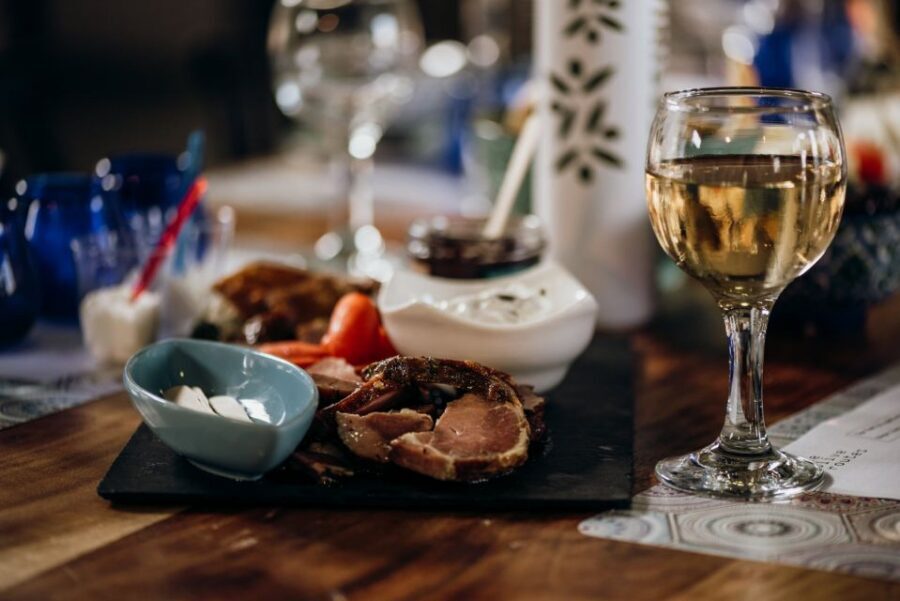
My favorite part is the tasting itself, led by a certified olive oil taster and built around real Greek extra virgin olive oils. You learn what to look for in the oils and then match them with foods, including Kalamata olives, tzatziki, olive paste, lalagia, and smoked ham (pasto).
One thing to think about: this is a short, active 3.5-hour tour with walking on uneven ground in olive areas, and there’s no hotel pickup. If you don’t have easy transport to the castle meeting point, plan your taxi or car time first.
In This Review
- Key things to know before you go
- Kalamata to Androusa: where the tour begins (and why it matters)
- The olive grove walk: perennial trees, local variety, and the myth part
- A 120-year-old press and mill in Androusa Village
- Certified tasting with blue glasses: how you learn to read EVOO
- Olive oil meets the table: tzatziki, Kalamata olives, olive paste, lalagia, pasto
- Price and value at about $106 for 3.5 hours
- Who should book this tour (and who might skip it)
- Practical tips so you get the best day
- Should you book the Kalamata Olive Oil Routes Tour?
- FAQ
- How long is the Kalamata: The Olive Oil Routes Tour?
- Where do I meet the guide?
- Do I need a car or taxi to reach the meeting point?
- What languages is the tour guide available in?
- What’s included in the price?
- Is hotel pickup included?
- What should I bring with me?
- What kinds of olive oils do you taste?
- Is it possible to get a refund if plans change?
Key things to know before you go
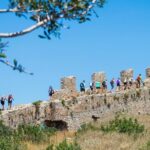
- Meet outside the 13th-century Castle of Androusa for a sense of place right from the start
- Walk through perennial olive groves while your guide ties trees to local tradition and stories
- Tour a mill in Androusa Village that’s been operating for more than 120 years
- Taste extra virgin olive oil with blue tasting glasses under a certified taster’s guidance
- Build your own food-and-oil combinations with at least 4 plates of olive-based dishes
- Sample regional favorites like Kalamata olives, olive paste, lalagia, and pasto (smoked ham)
Kalamata to Androusa: where the tour begins (and why it matters)
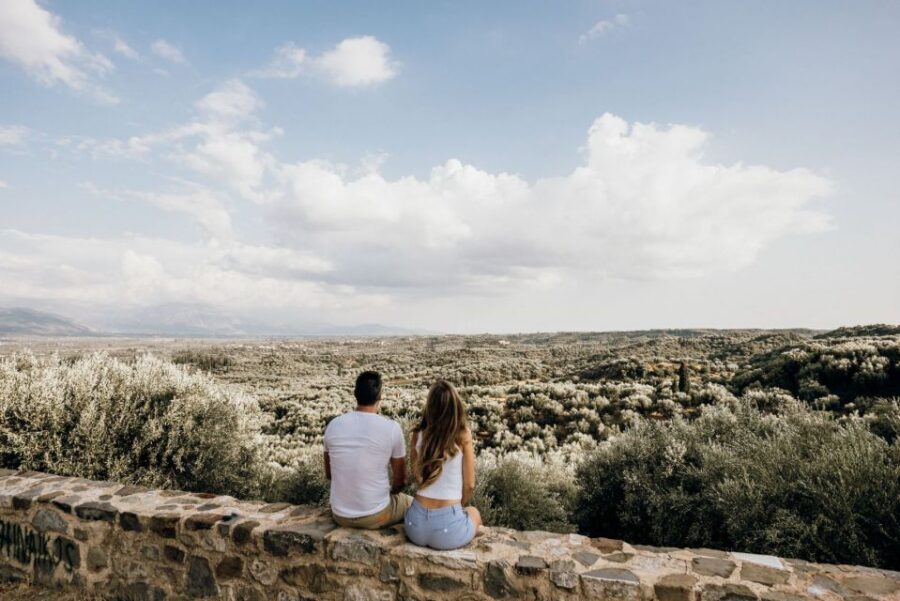
You start outside the castle of Androusa, on the main road. It’s an easy reality check before you even walk: you’re in Messinia, not just “near” olives. The meeting point is about a 20-minute drive from Kalamata and roughly 10 minutes from Ancient Messene, so it works well if you’re basing yourself in Kalamata but still want countryside time.
This tour runs about 3.5 hours, and the schedule is paced like a conversation, not a checklist. You’ll move through three main stops—groves, a historic mill area in the village, and a tasting-and-food session—so you get both the hands-on production story and the payoff at the table.
No hotel pickup means you’ll need your own ride or taxi to get there. If that’s a hassle for you, compare it to your other day plans. If you’re comfortable meeting a guide at a specific spot, you’ll probably find this format simpler than the tours that require bigger transfers.
You can also read our reviews of more tours and experiences in Kalamata.

The olive grove walk: perennial trees, local variety, and the myth part

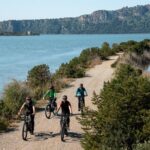
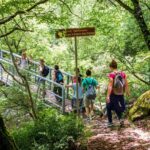
The early minutes matter because you’re given context before you taste anything. You begin with olive walks that act like an overview of Messinia’s olive groves—what grows here, why it matters, and how olive farming shaped daily life.
What I like about this part is that it’s not only scenic. Your guide tells the history and tradition tied to the area’s olive trees, including the mythical stories associated with the castle olive trees. Then you move through the groves and learn more about the local varieties, and even how the Messinian land story is connected with the region’s stems.
Expect you’ll look at trees a little differently after this. Instead of seeing olives as a generic ingredient, you start noticing how variety and place influence what ends up in the glass later. That makes the tasting feel earned, not random.
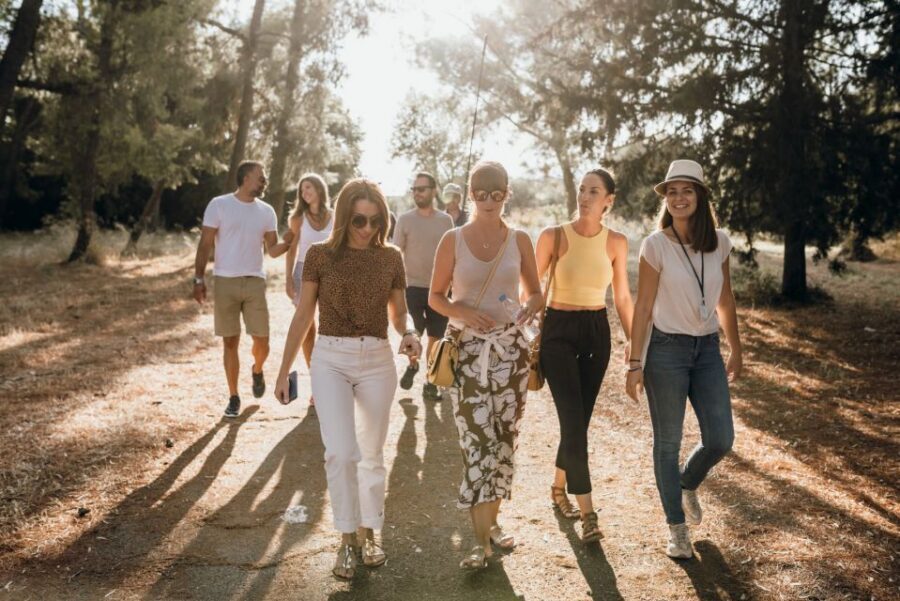
Practical note: the tour asks for comfortable shoes, plus sun protection (hat and sunscreen). Even though it’s short, you’re walking where the ground may be uneven and dusty.
A 120-year-old press and mill in Androusa Village
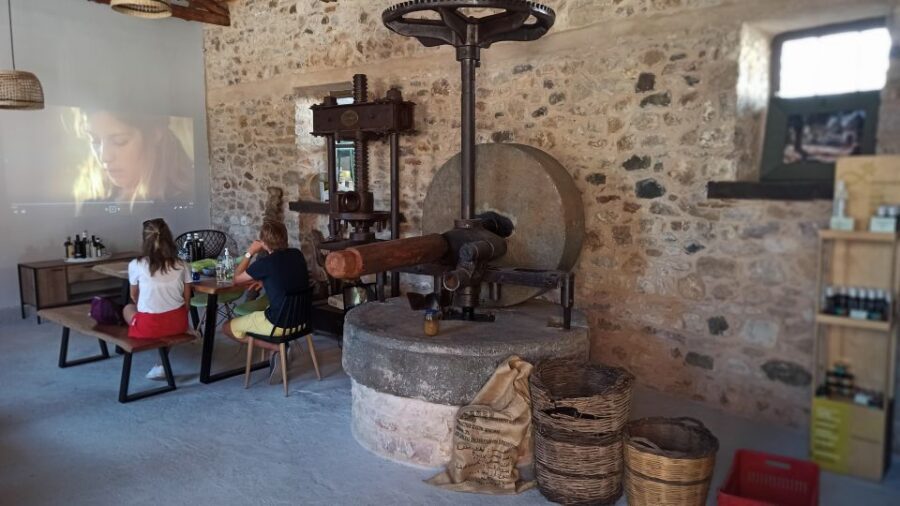
After the groves, the tour shifts from nature to craft. In the center of Androusa Village, you visit a unique olive oil press and mill that’s been in place for more than 120 years. This is where you see the process up close and hear it explained by the people connected to the work.
The fifth generation owner explains extraction, storage, and standardization of extra virgin olive oil. That’s an important detail for your understanding. Plenty of tours stop at the “how it’s made” basics, but here you get the idea that producing extra virgin olive oil involves decisions about quality and handling, not just pressing olives.
I also like that this stop feels personal. Guides in the reviews describe hosts who bring family background into the story and explain the process in a way that keeps you engaged. Names that show up in the experience include guides like Demetra and Dimitra, plus hosts such as Athanasia—each described as passionate and able to answer questions without rushing.
If you like food made by real people with real routines, this mill visit is the heart of the tour.
Certified tasting with blue glasses: how you learn to read EVOO
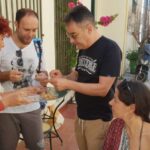
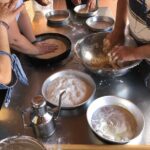
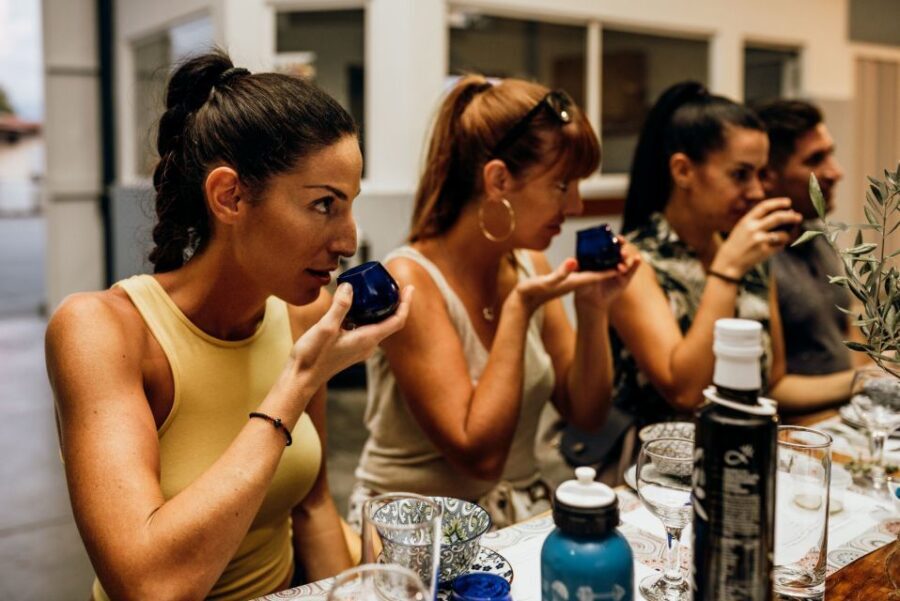
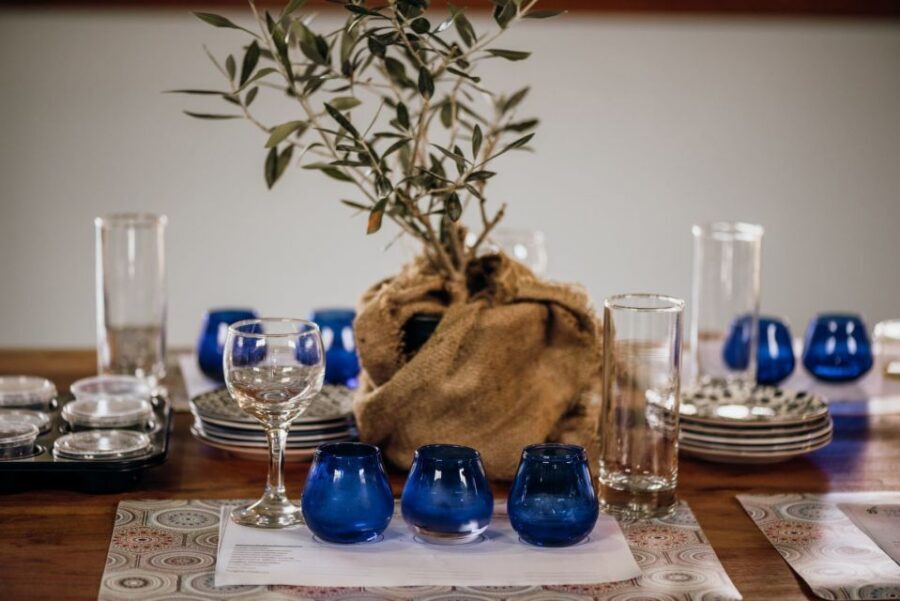
Then comes the main event: tasting. You’ll sit down at a table set up with blue olive oil tasting glasses, and your certified taster guides you through what you’re tasting and why.
You start with extra virgin olive oil from the Koroneiki variety and learn about its organoleptic characteristics. They also teach you to recognize the elements that define extra virgin olive oil—so you’re not just swallowing flavors and hoping you can describe them later.
After Koroneiki, you taste other Greek extra virgin olive oils including Manaki, Xalkidikis, and Mavroelia, evaluating their flavours as the tasting moves along. This is a big part of why the tour is more than a snack stop. You get a structured way to compare oils, not just a random flight.
One useful way to get more from the tasting: ask what to notice as you smell and taste each oil, then take your time with the comparisons. The tour is short, but the tasting portion is built to help you learn quickly.
Olive oil meets the table: tzatziki, Kalamata olives, olive paste, lalagia, pasto

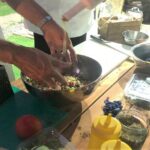
If you’re thinking this is only about olive oil, it isn’t. The tour pairs oils with traditional recipes and local olive-based goods, and you’ll also combine oils with multiple plates yourself.
The format is simple and fun: match olive oil with at least 4 different plates, then create your own olive taste combinations. That matters because it turns tasting into a skill you can use at home, when you’re buying bottles and trying to decide what pairs with what.
You’ll taste combinations that include:
- fruit and small gourmet dishes
- tzatziki
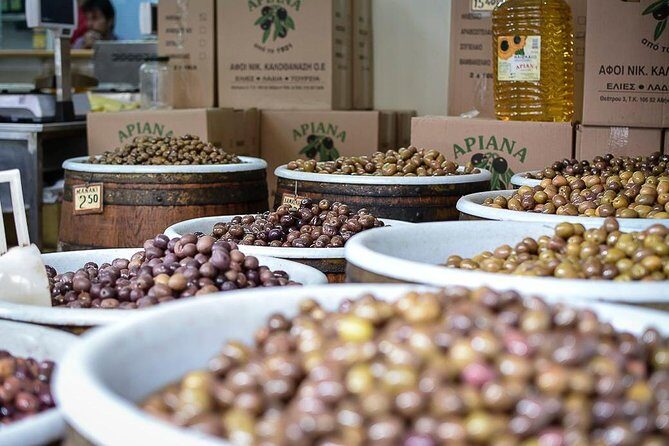
- Kalamata olives
- olive paste
- lalagia
- pasto (smoked ham)
- local cheeses
In the reviews, people repeatedly mention that the food isn’t just light sampling. It tends to be filling and genuinely local. For example, one detailed account described enjoying a more substantial meal at the end, not just a quick bite, and another described visiting during harvest season in November—where the olive story extends beyond trees and into what’s happening in the orchard.
If you love food pairings, this is where the tour earns its “why” in plain terms: your taste buds finally get a reason to remember which oil goes with which flavors.

Price and value at about $106 for 3.5 hours
At $106 per person, the question isn’t whether you’ll pay for a tasting. You will. The value question is what you get for that price.
Here’s what’s included:
- entrance fees
- olive oil tastings
- food tastings with local olive-based goods
- an expert local tour leader
- a certified olive oil taster
- taxes
- photos from your tour
For many people, the biggest “value” isn’t only the amount of food, it’s the guidance. A certified taster turns olive oil from a vague “nice flavor” into something you can actually discuss and choose. Add the mill explanation and the grove walk, and you get a full chain: trees → production → taste → pairing.
If you plan to buy olive oil anyway, this kind of tour often saves you trial-and-error. Even if you don’t buy bottles the day of, you’ll usually leave with a clearer sense of what you like and what you want to look for.
Who should book this tour (and who might skip it)
This tour fits best if you want a day that’s practical, food-centered, and tied to real place. It’s also a good pick for mixed ages, since multiple reviews describe engaging ways the guides involve people, including families and kids.
Book it if you:
- want to understand olive oil production in simple terms
- enjoy tastings where you actively compare flavors
- like local food pairings rather than tourist-style samples
Consider skipping it if:
- you hate guided tastings or prefer only one type of activity (like only museums or only beaches)
- you don’t want any walking at all, even for a short 3.5 hours
Practical tips so you get the best day
Bring comfortable shoes and plan for sun. The route includes walking through olive areas, and you’ll be outdoors enough that a hat and sunscreen are smart, not optional.
During the tasting, slow down. It’s easy to rush in a group setting, but the whole point is learning to recognize differences across oils like Koroneiki, Manaki, Xalkidikis, and Mavroelia. If the guide uses a method for tasting, follow it for a better payoff.
If you want to take bottles home, ask about shipping options. One review mentioned being able to ship bottles back to New York and suggested asking how that works.
Finally, if you’re traveling during harvest season (one review mentioned November), you might see more orchard activity connected to the olive cycle. That can add extra texture to the story you’re hearing.
Should you book the Kalamata Olive Oil Routes Tour?
I’d book it if you want an olive day that’s actually instructional and not just scenic. You get groves tied to local tradition, a mill visit that explains extraction and quality handling, and a structured tasting led by a certified taster. Then you eat foods that make sense with what you tasted—tzatziki, Kalamata olives, olive paste, lalagia, pasto, and local cheeses.
If you’re passing through Kalamata with only a limited number of “food learning” options, this is one of the better ways to spend a half day. The main downside is the meeting point logistics: you’ll need to get yourself to the castle of Androusa since there’s no hotel pickup.
For the right traveler—food curious, olive curious, and comfortable with short walks—this is the kind of experience that sticks with you long after the taste is gone.
FAQ
How long is the Kalamata: The Olive Oil Routes Tour?
The tour lasts about 3.5 hours.
Where do I meet the guide?
Meet your guide outside the castle of Androusa, on the main road.
Do I need a car or taxi to reach the meeting point?
The meeting point is reachable by car or taxi. It’s about 20 minutes from Kalamata and about 10 minutes from Ancient Messene.
What languages is the tour guide available in?
The tour is offered with live guidance in Greek and English.
What’s included in the price?
Entrance fees, olive oil tastings, food tastings (small plates with local olive-based goods), an expert local tour leader, a certified olive oil taster, all taxes, and photos from your tour.
Is hotel pickup included?
No. Hotel pickup and drop-off are not included.
What should I bring with me?
Bring comfortable shoes, a sun hat, and sunscreen.
What kinds of olive oils do you taste?
The tasting includes extra virgin olive oil from the Koroneiki variety and other Greek extra virgin olive oils such as Manaki, Xalkidikis, and Mavroelia.
Is it possible to get a refund if plans change?
Yes. You can cancel up to 24 hours in advance for a full refund.