REVIEW · KALAMATA
Kalamata, Greece: Organic Olive Grove Tour-Olive oil tasting
Book on GetYourGuide →Operated by Mamas flavours · Bookable on GetYourGuide
Olive oil lessons with real orchard air. This is a private Kalamata experience that walks you from an organic olive grove to a certified olive oil mill, then ends in a historic shop with a real tasting. I love the guided stroll through perennial trees (plus the harvesting stories), and I love that the tasting focuses on Koroneiki and other Greek EVOOs with pairing guidance. The main drawback: you’ll need transport, since the grove and mill are about 10 minutes from the Port Authority meeting point.
What makes it feel special is the people and pacing. Maria, your local host, leads the day in English (and Greek), and the tasting is guided by a professional, certified olive oil taster named George. Plan for about 3 hours, and if the mill timing depends on the season, you might get slightly different tasting moments—though the overall structure stays the same year-round.
In This Review
- Key things I’d circle before you book
- Kalamata’s olive country, without the fluff
- Meeting at the Port Authority and how the driving works
- Part 1: the organic olive grove stroll (and what you’re really learning)
- Part 2: inside a certified olive oil mill, from grove to bottling
- Part 3: the olive oil tasting workshop in Kalamata’s historic center
- Part 4: lunch in the historic center, Messinian style (optional)
- Price and value: is $147 per person fair?
- Who this tour fits best
- Should you book this Kalamata organic olive grove and tasting tour?
- FAQ
- FAQ
- Where do we meet for the tour?
- Is this tour private?
- How long does the olive oil tour last?
- What time options are available?
- Is it available all year round?
- What will we do in the organic olive grove?
- Do we visit an olive oil mill?
- How many olive oils do we taste?
- Is lunch included?
- How do we handle transportation to the grove and mill?
Key things I’d circle before you book
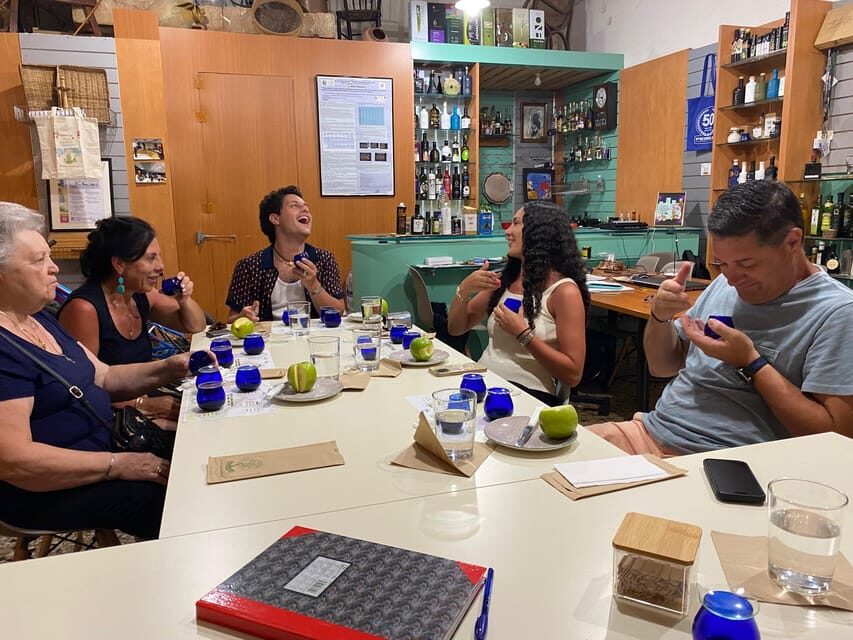
- Private from start to finish: once your day is booked, no other guests are added.
- Organic grove walk near Kalamata: a relaxing stroll with context on olive trees, harvesting, and olive-oil history.
- Certified olive oil mill visit: you see the extraction process from olive to bottling.
- Tasting with Koroneiki and fellow EVOOs: sample multiple Greek extra virgin olive oils and learn aromas, flavors, and pairings.
- Historic-center tasting stop: your session happens in one of the oldest olive oil shops in Kalamata.
- Lunch is optional: add a light or full Messinian meal in the historic center when you want more food time.
Kalamata’s olive country, without the fluff
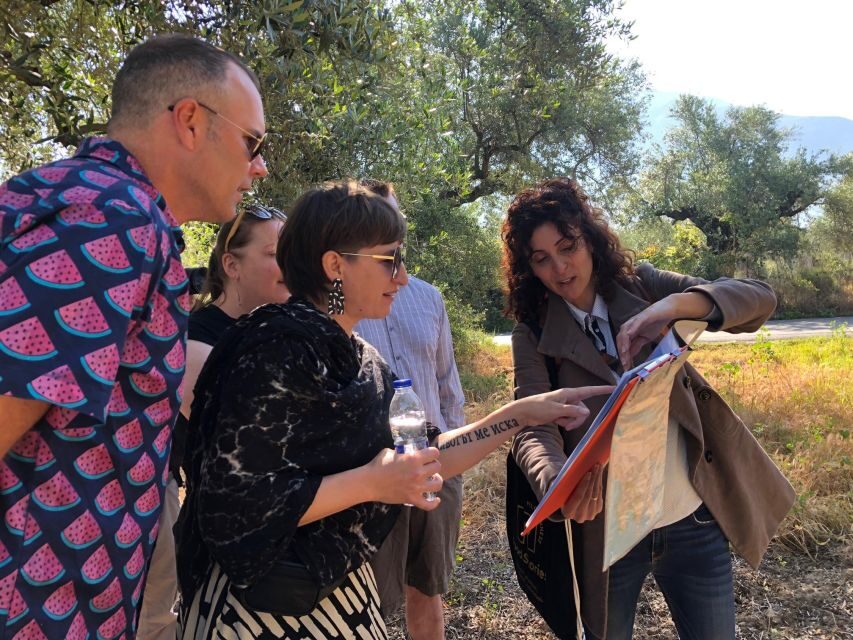
Kalamata sits on the Messinia coast, and this tour uses that location in a smart way. You’re not just tasting olive oil in a room—you’re connecting it to the place it comes from. Even if you’re only a casual olive fan, you’ll leave with a clearer sense of what makes Greek extra virgin olive oil taste the way it does.
The tour is built around four linked steps: grove, mill, tasting workshop, then optional lunch. That chain matters. Olive oil isn’t one thing—it’s the result of trees, timing, extraction, and how people serve it.
And since it’s offered all year round, you can fit it into shoulder seasons too, when Kalamata is calmer and the light for photos is often better.
You can also read our reviews of more food & drink experiences in Kalamata
Meeting at the Port Authority and how the driving works
Your start point is straightforward: Maria meets you in front of the Port Authority Offices in Kalamata (Λιμεναρχείο Καλαμάτας). From there, you follow her with your own vehicle.
This setup is common in tours that include spots slightly outside the city center. The key detail: transportation is necessary because the olive grove and the olive oil mill are about 10 minutes away from Kalamata city center and the meeting point. If you don’t have a car, the provider can arrange it with partners for an extra cost, and they can also pick you up from your accommodation after coordination.
If you’re traveling in a group, this is also a practical way to keep the day smooth. You get the feel of a private tour without the hassle of everyone juggling parking and schedules—at least on the tour timing side. Just make sure your driver (or you) is comfortable with Greek coastal roads and short transfers.
Timing options are two fixed start times:
- 09:30 a.m.
- 17:30 p.m. (afternoon slot)
Part 1: the organic olive grove stroll (and what you’re really learning)
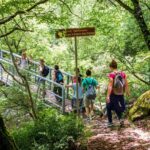
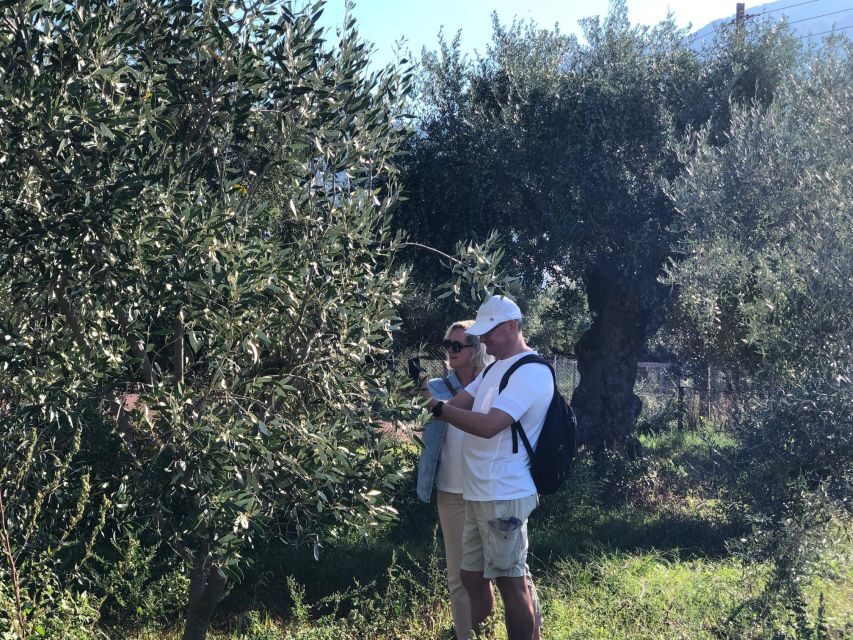
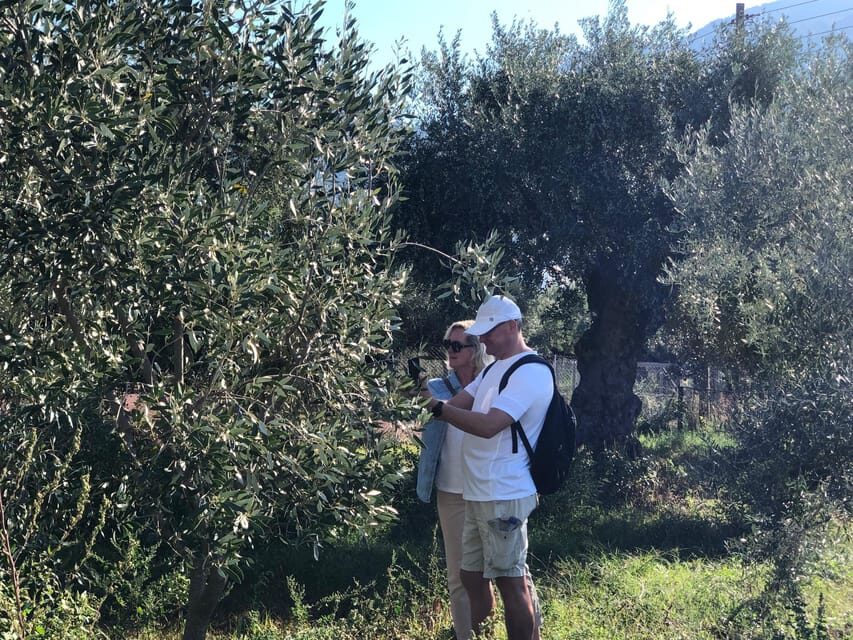
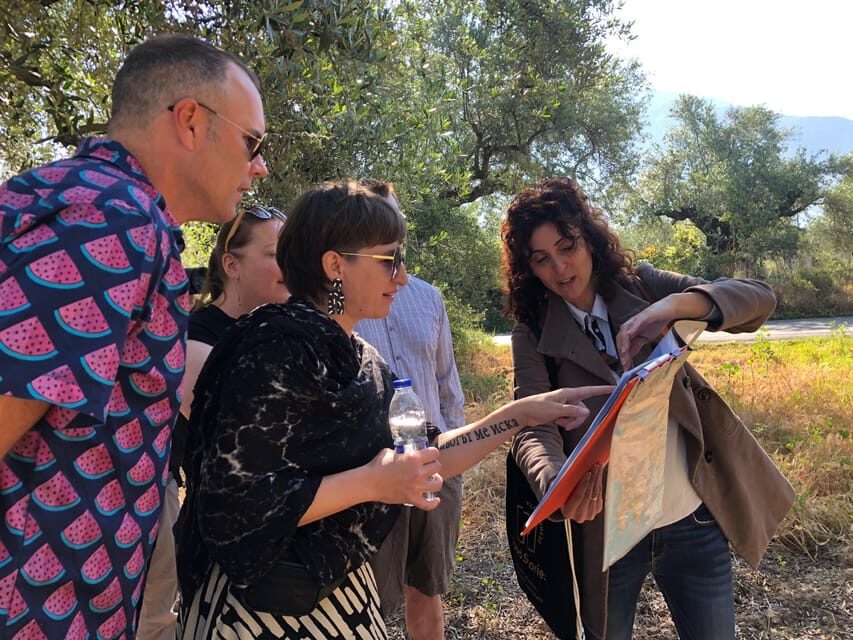
The first stop is a traditional organic olive grove about 10 minutes from Kalamata. Expect a guided, relaxing stroll through perennial olive trees—set up for walking pace, not trekking pace.
What you get here isn’t just pretty scenery. You’ll learn about:
- olive trees in different shapes and ages,
- the long story of olives and olive oil (including references to the olive oil journey from very early eras up to today),
- and how harvesting works.
The point of this stop is to slow your brain down. Instead of thinking olive oil = a bottle you buy, you start thinking olive oil = a living crop and a seasonal craft. Even 30 minutes in the grove can change how you taste later, because you understand what’s happening before extraction.
Practical note: bring sunglasses and a sun hat. Even in cooler months, olive groves can feel bright and warm under direct sun.
Part 2: inside a certified olive oil mill, from grove to bottling
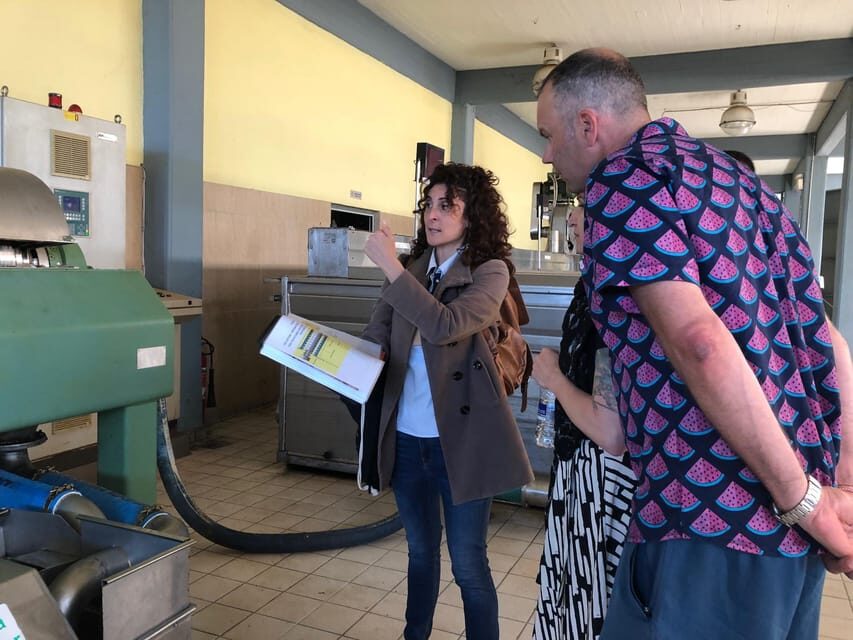
Next comes the mill visit. It’s described as a certified olive oil mill that is open to the public. That’s a good sign for you as a visitor: it usually means a clear process, consistent explanations, and a place that’s used to educating visitors.
Here, you learn the extraction process—how olives go from the grove to the mill and ultimately to bottling. The tour also flags a seasonal bonus: if you’re there during the harvesting period, you can taste fresh extra virgin olive oil.
Why this step is valuable: tasting without context can turn into a guessing game. But when you’ve watched or understood the processing steps, you start to notice things in the flavor profile that make sense—like why one oil feels more peppery and another feels fruitier.
Also, timing-wise, a mill visit is often where tours either feel rushed or feel thoughtful. In this one, the structure is built to connect the grove to the workshop, so you’re not left wondering how you got from tree to tasting cups.
Part 3: the olive oil tasting workshop in Kalamata’s historic center
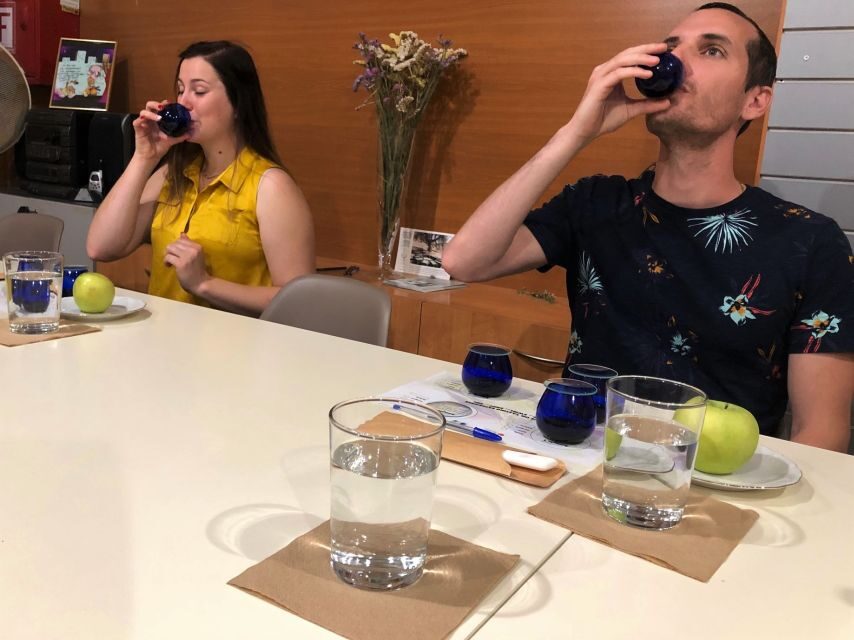
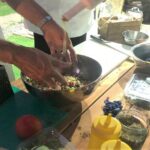
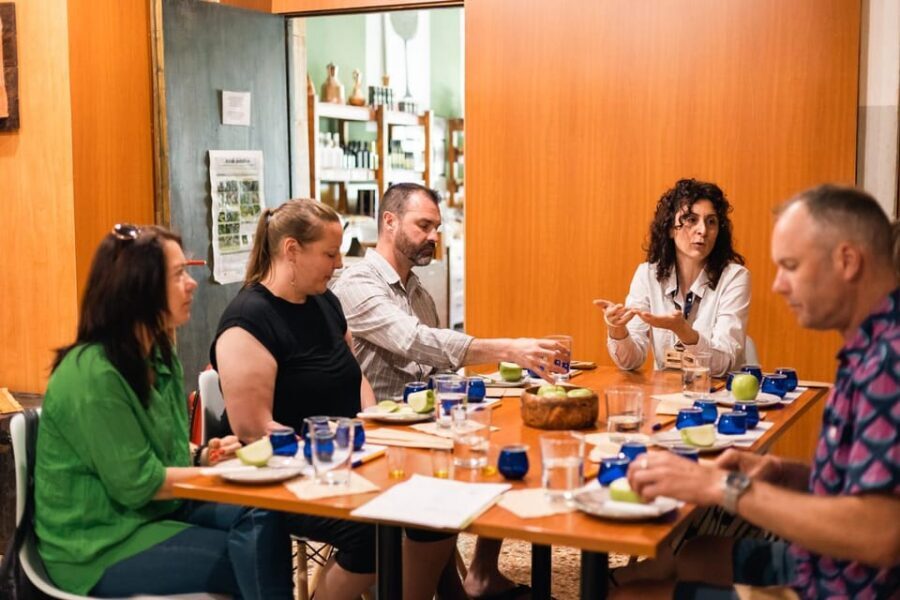
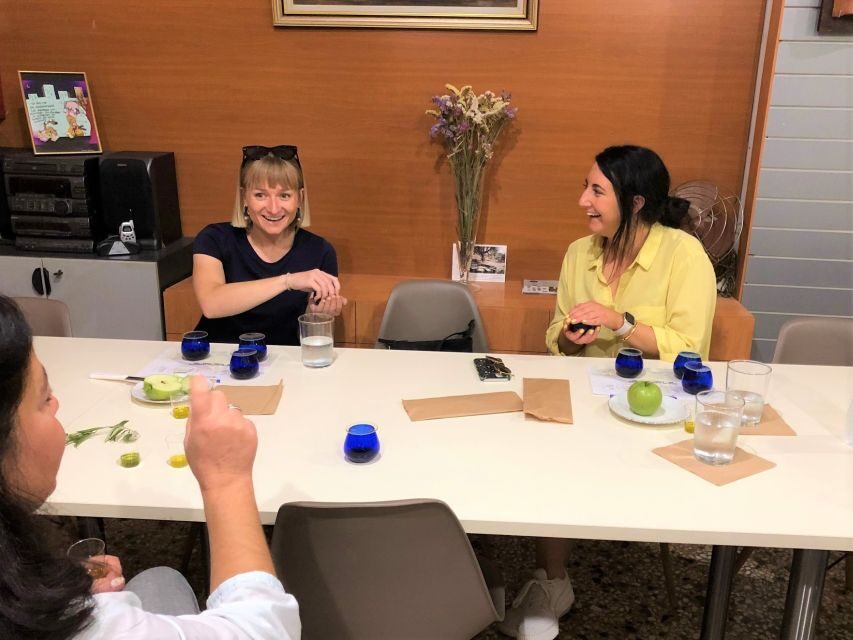
This is the part most people remember: the tasting in Kalamata’s historic center in an old-school olive oil shop. The tour moves you from the working world of trees and extraction into the human world of aromas, taste, and food pairing.
You’ll taste 3–4 different varieties of extra virgin olive oil, and the tasting is set up around Greek options with a focus on Koroneiki—described as the queen of Greek olive-oil varieties—plus other superb Greek EVOOs.
The tasting is guided by a professional, certified olive oil expert—George. That matters because a tasting needs someone who can explain what you’re smelling and why. You’ll learn:
- key aromas and flavours,
- how to describe what you notice,
- and which olive-oil variety can pair with your favorite foods.
I like that the pairing element is included. Many tastings stop at flavor. This one pushes you toward practical use: what goes with bread, what feels right with salads or dishes, and how to think about an oil’s personality instead of treating it like one universal condiment.
If you’re intimidated by olive oil vocabulary, don’t be. The tour’s design is meant to answer what you want to know about olive oil and its benefits, not just present facts at you.

Part 4: lunch in the historic center, Messinian style (optional)
After the tasting workshop, you can continue with food. Lunch is optional and arranged upon request at an extra charge.
The idea is simple: finish in the heart of Kalamata’s historic center at a welcoming family restaurant. The meal is described as Messinian-flavored, and it can be either light or full depending on what you choose.
This is worth considering for your day planning. If you’re arriving on an afternoon start, adding lunch can help the evening feel complete. If you’re more of a sampler type, go lighter—olive oil tastings can already take your taste buds on a tour.
Also, food here ties into the tasting. When you pair an oil you tasted with local dishes, you start to “get it” in a way a chart never will.
Price and value: is $147 per person fair?
At $147 per person for about 3 hours, this tour sits in the premium category. Here’s why it may still feel worth it.
You’re paying for:
- a private experience where no other guests are added once booked,
- visits that go beyond a single tasting counter (grove walk + certified mill),
- guided interpretation throughout,
- and a tasting led by a certified taster (George) plus Maria’s hosting and history context.
Value comes from the whole chain. If it were only a tasting in a shop, you could probably find something cheaper. The grove and mill are what justify the time and price, because they add real “how it happens” learning.
Two practical value notes:
- You’re also getting flexibility with timing: morning or afternoon, year-round, Greek official holidays excluded.
- If you add lunch, you’ll likely feel you stretched the day into a full cultural experience, not just a snack-and-learn stop.
The main “hidden cost” to factor in is transport. The tour requires driving since the grove and mill are outside the immediate port area. If you don’t have a car and you need pickup, that can add cost.
Who this tour fits best
This experience is a great match if you:
- love food culture and want something more authentic than a restaurant meal alone,
- enjoy nature walks that are educational (not just scenic),
- want to learn the olive oil story from tree to mill to cup,
- are interested in Greek varieties—especially Koroneiki—and how to use them.
It’s also ideal for couples and small groups because the privacy is built in. A private setup makes it easier to ask questions without worrying about keeping a schedule for a larger crowd.
If you’re short on time in Kalamata and mostly want a quick tasting, this might feel long. But if you want understanding and not just sampling, the pacing works.
Should you book this Kalamata organic olive grove and tasting tour?
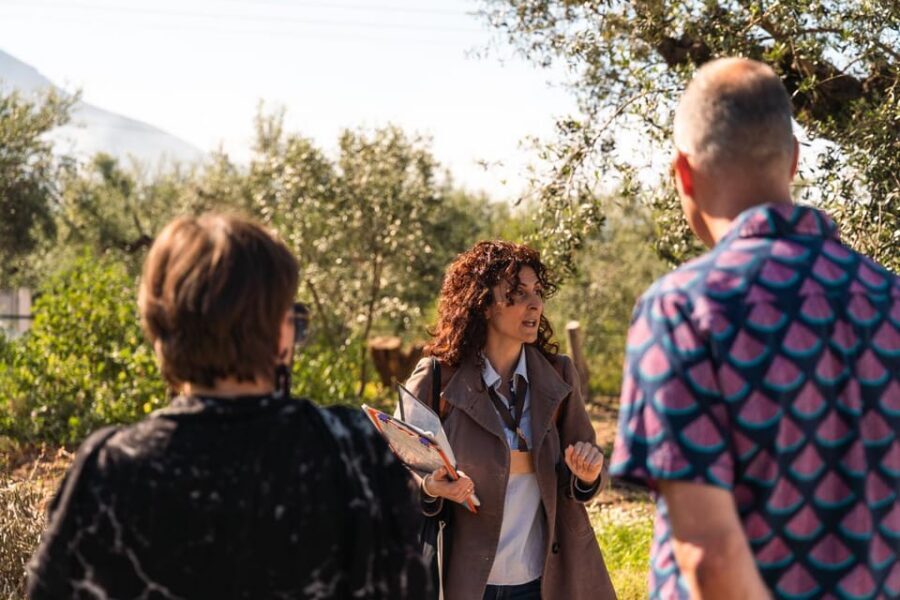
If you’re the type who likes to connect a product to its origin, I’d book it. The combination of an organic grove walk, a certified mill visit, and a guided tasting led by Maria and George is the sort of structure that turns olive oil from a background ingredient into a story you can taste.
Book it especially if you want a private day in Kalamata that feels local and calm. Bring sun protection, plan for transport, and consider adding lunch if you’ll enjoy the Messinian-food finish.
FAQ
FAQ
Where do we meet for the tour?
You meet Maria in front of the Port Authority Offices in Kalamata (Λιμεναρχείο Καλαμάτας) at either 09:30 a.m. or 17:30 p.m.
Is this tour private?
Yes. It is a private group, and once you book for the day, no other guests are added to the experience.
How long does the olive oil tour last?
The duration is about 3 hours.
What time options are available?
The tour is offered at 09:30 a.m. and also at 17:30 p.m. in the afternoons.
Is it available all year round?
Yes. The olive oil tour and tasting experience is available all year round, with Greek official holidays excluded.
What will we do in the organic olive grove?
You’ll enjoy a guided, relaxing stroll through a traditional organic olive grove and learn about olive tree varieties, harvesting, and the history of olives and olive oil.
Do we visit an olive oil mill?
Yes. You visit a certified olive oil mill to learn the extraction process from the olive grove to bottling. Availability can depend on season, and you may taste fresh extra virgin olive oil if it’s harvesting time.
How many olive oils do we taste?
You taste 3–4 different varieties of extra virgin olive oil, centered on Greek varieties including Koroneiki.
Is lunch included?
Lunch is not included by default. A light or full local lunch in the historic center can be arranged upon request for an extra charge.
How do we handle transportation to the grove and mill?
Transportation is necessary because the grove and mill are about 10 minutes away from Kalamata city center and the meeting point. If you don’t have a vehicle, transportation and pick-up from accommodation can be arranged for an extra cost after coordination.