REVIEW · KALAMATA
Tasting Kalamata an Introduction to Local Greek Food
Book on Viator →Operated by Kalamata Food Tours-Food Philosophy · Bookable on Viator
Food tasting in Kalamata starts with story, not shopping. This 3-hour introduction-style tour threads together local flavors and the city’s oldest streets, so you’re not just eating—you’re learning how Greeks think about food. I like that it begins at the Metropolitan church of Ypapanti, where you get a quick primer on ancient food culture and everyday Greek eating habits before you head into the center.
Two things I especially like: you get a proper market-based tasting (not just a random restaurant stop), and the tour ends with a light traditional lunch after time in the main square. One possible drawback: this experience runs on good weather, and it’s timed around walking between stops, so if you’re prone to getting cold or you hate crowds in outdoor areas, plan accordingly.
In This Review
- Key highlights you should know before you go
- Ypapanti Church: your food lesson starts in Kalamata’s oldest part
- Kalamata Farmer’s Market: olives, dairy, and the weekly grocery vibe
- Plateia 23is Martiou: family shop tastings and the end-of-tour lunch
- What you’ll actually eat (and how to time your day)
- Price and small-group value: is $86.74 worth it?
- Guide energy: why personal explanations change how food lands
- Practical tips for a smooth 10:00 am start
- Should you book this Kalamata food tour?
- FAQ
- How long is the tour?
- Where does the tour start and end?
- What time does it begin?
- Is the tour in English?
- What’s included in the price?
- Are bottled water and alcoholic beverages included?
- How many people are in the group?
- Is it okay to skip breakfast?
- What if the weather is bad?
- Can I cancel and get a full refund?
- Are service animals allowed?
Key highlights you should know before you go
- Metropolitan Church of Ypapanti as your starting point, with a food-culture briefing right in Kalamata’s oldest area
- Kalamata Farmer’s Market sampling, focused on staples like dairy, olives, and olive oil
- Plateia 23is Martiou family shops, where you can mix pastry, savory bites, and aromatic herbs
- Light traditional lunch included, plus snacks so you won’t feel like you’re only nibbling
- Small group cap (up to 12), which makes it easier to ask questions and keep the pace comfortable
Ypapanti Church: your food lesson starts in Kalamata’s oldest part
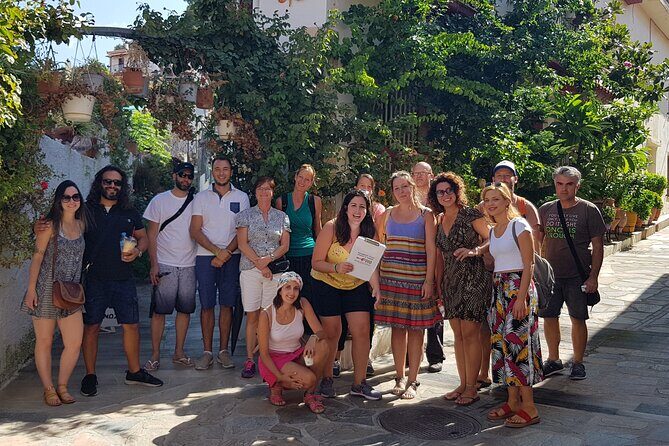
The tour kicks off at the Metropolitan Church of Ypapanti (Ipapantis), near the oldest streets of Kalamata. It’s a good move, because you begin with context instead of jumping straight into tasting mode. You’ll get an introduction to ancient food culture and Greek food habits, then you’ll start exploring the historical center right after.
This first stop is also short—about 30 minutes—so it works well even if you don’t want a long lecture. The church setting gives you an immediate sense of place, and it helps you connect what you’re about to eat with why those foods matter in local life. Think of it as your mental map: olives, olive oil, dairy, pastry, herbs—now you know what to pay attention to as you walk.
Practical tip: wear shoes that can handle a historic-center stroll. You’ll be on your feet while you connect each tasting to the surrounding streets.
You can also read our reviews of more food & drink experiences in Kalamata

Kalamata Farmer’s Market: olives, dairy, and the weekly grocery vibe
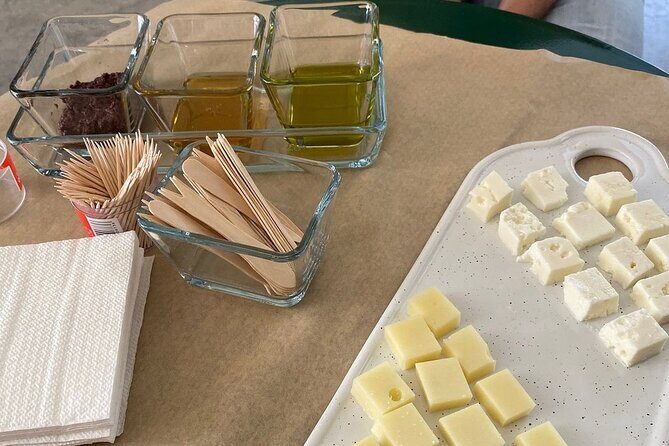
Next comes the Kalamata Farmer’s Market, and this is where the tour gets its real momentum. You’ll spend about 1.5 hours at the market—long enough to slow down, smell things, and compare flavors instead of rushing from bite to bite. This is also the spot where locals do weekly grocery shopping, so the energy feels practical and lived-in rather than staged.
You’ll taste a wide variety of traditional products. The focus here is on core Greek favorites: olives, olive oil, and dairy products are specifically called out. That’s exactly what I’d want on a first food tour. These are the flavors that show up again and again in Greek cooking, from simple plates to more elaborate meals.
Because it’s a market, you’ll likely notice that tastings work best when you let your senses lead. Don’t try to judge everything like a blind tasting contest. Instead, pay attention to the differences between products that seem similar. Olive oil, for example, can shift in aroma and feel from one provider to another, and it’s the kind of detail you only catch when you’re tasting it in context.
One more useful note from the tour’s style: it’s built for “try a bit, then understand.” If you like learning through food, this stop is the payoff.
Plateia 23is Martiou: family shop tastings and the end-of-tour lunch
The final portion brings you to Plateia 23is Martiou, Kalamata’s main square in the historical part of the city. Here, the focus shifts from the market to small family shops. You’ll taste traditional delicacies in several places, ranging from pastry and savory products to aromatic herbs.
This is a smart structure, because it covers two different sides of local eating:
- market staples you can recognize and remember
- shop-made treats that show Kalamata’s everyday baking and cooking style
The tour closes with a light traditional lunch at the end of the walk. That matters because the tastings alone can leave you thinking about food for hours, and lunch helps you land the experience with something more satisfying. It also makes the tour feel complete as a standalone activity, not just a snack crawl.
If you’re picky, don’t panic. The tour is designed as an introduction with variety, and it’s been described as accommodating even for people who don’t eat meat. Still, for any dietary needs, you’ll want to confirm details in advance with the operator so the shop choices match your situation.
What you’ll actually eat (and how to time your day)
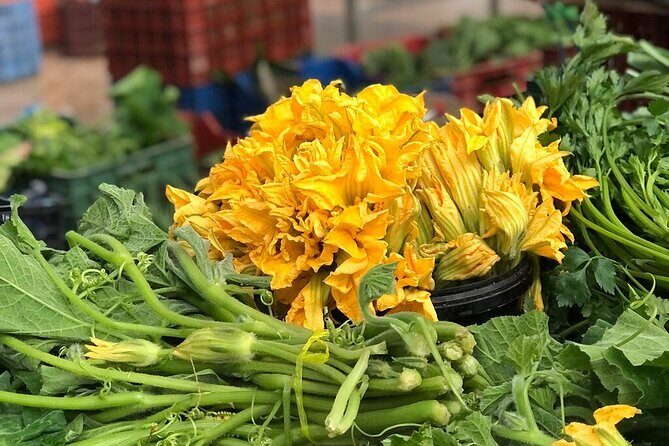
This is not a “sit down and order” tour. You’ll get snacks plus a light traditional lunch, and you’ll be tasting multiple items across the stops. The operator also advises you to avoid breakfast at home or your hotel because they offer a great variety of traditional products.
That advice is practical. If you eat a full breakfast first, you may end up with the emotional equivalent of walking through an art museum with a full stomach—you can enjoy it, but you won’t get the best experience. I recommend planning a light morning so you’re hungry enough to taste thoughtfully.
Also watch what you bring in terms of expectations:
- Included: snacks and a light traditional lunch
- Not included: bottled water and alcoholic beverages (alcohol is specifically noted as not included at the last stop)
So if you want water, buy it as you go, and if you’re curious about any alcoholic options at shops, treat it as optional and pay-as-you-go.
One more tip: since you’ll be tasting in several places, pace yourself. It’s tempting to take big bites to “finish faster,” but the best value is slowing down and noticing what’s different from one shop or product to the next.
Price and small-group value: is $86.74 worth it?

At $86.74 per person for about 3 hours, this tour isn’t the cheapest snack deal. But it’s also not just paying for food. You’re paying for guided selection and context—plus the structure that strings together church briefing, market sampling, and square-area shop tastings.
Here’s why the math can work in your favor:
- You get snacks plus a light traditional lunch, so you’re not covering every meal yourself.
- The tastings are spread across different types of stops, which gives you more variety than a single restaurant.
- The group is capped at 12 travelers, which usually means you’re less likely to get stuck behind people while the group moves.
If you’re in Kalamata for a short time and you want a “taste-first” introduction without building an itinerary yourself, this price can be reasonable. If you’re already deep into Greek cooking or you know Kalamata’s market scene well, you might find it expensive for what is essentially guided sampling. But for most first-timers, the combination of food variety and place-based context makes it a strong value.
You can also read our reviews of more tours and experiences in Kalamata

Guide energy: why personal explanations change how food lands
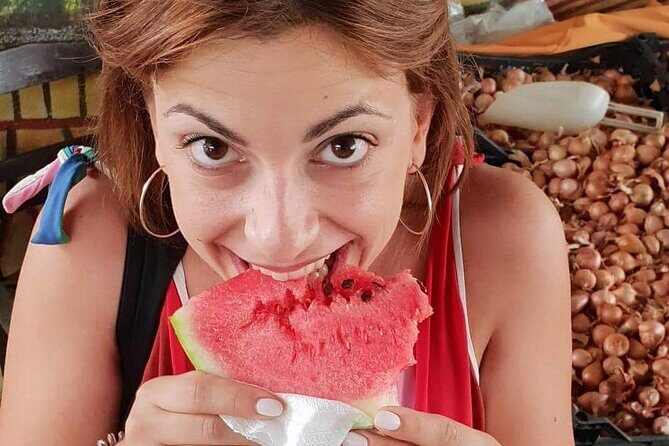
This tour is built around explanation, not just handing you small bites and sending you on your way. The guides are part of the charm. Names that show up in feedback include Sara and Sofia, and the consistent theme is that they connect food to the people and the family shops behind it.
I like this approach because it keeps the tastings grounded. When someone links what you’re eating to local habits and regional food culture, you remember more than flavor. You remember the story of how those choices make sense in everyday life.
In particular, the feedback highlights guides who bring warmth and patience, plus a sense of humor. One guide was praised for laughter and a playful moment during the tour, and another for strong connections with vendors and artisans. That matters because market tastings go best when the guide can smooth the flow—who to ask, how to taste, when to move on.
The bottom line: if you enjoy asking questions and learning while you walk, this format fits you.
Practical tips for a smooth 10:00 am start
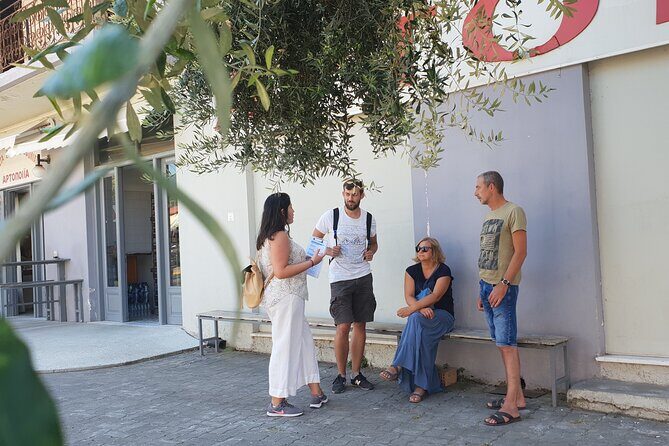
The tour starts at 10:00 am at the Metropolitan church of Ypapanti (Ipapantis) in Kalamata. It ends back near the same area, at Ipapantis 3. That makes it easy to plan your day afterward—especially if you want a later lunch or a slower wander through town after you’ve built your food map.
A few practical things to keep in mind:
- Bring an appetite and skip breakfast as advised.
- Plan for walking between stops across the historic center.
- If you want water, budget for it since bottled water isn’t included.
- Alcohol is not included at the last stop, so any drinks beyond the tastings are optional and extra.
- It runs in English and uses a mobile ticket.
- The group size is up to 12, so you’ll be moving with a small cluster.
Weather is also a real factor. The experience requires good weather, and if conditions are poor it may be adjusted or refunded, depending on what happens locally. So, before you commit, check the forecast for Kalamata on the day you’re going.
Should you book this Kalamata food tour?
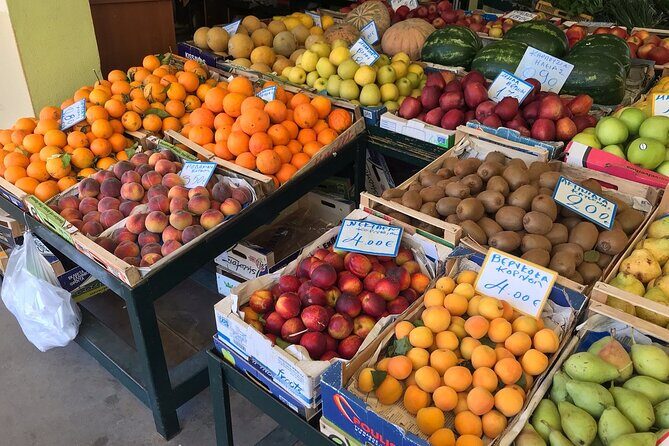
Book it if you want an easy, structured way to taste Kalamata’s core foods—especially olives, olive oil, and dairy—and you like learning as you eat. It’s also a smart choice if you’re short on time and don’t want to design a market-and-shop route yourself.
Skip it (or at least temper expectations) if you already know the market scene, if you hate walking in historic centers, or if you strongly prefer full-service meals over multiple small tastings. The tour is designed as an introduction, not a long restaurant crawl.
If you match the vibe—curious, hungry, and open to local shops—this is a strong way to turn a few hours in Kalamata into real food memories.
FAQ
How long is the tour?
It lasts about 3 hours.
Where does the tour start and end?
It starts at the Metropolitan Church of Ypapanti (Ipapantis), Kalamata 241 00, Greece. It ends at Ipapantis 3, Kalamata 241 00, Greece.
What time does it begin?
The start time is 10:00 am.
Is the tour in English?
Yes, it’s offered in English.
What’s included in the price?
Lunch (light traditional lunch), snacks, and breakfast guidance is provided (you’re advised to avoid breakfast before the tour). The tour also includes the tastings at the stops.
Are bottled water and alcoholic beverages included?
Bottled water is not included. Alcoholic beverages are not included.
How many people are in the group?
The tour has a maximum of 12 travelers.
Is it okay to skip breakfast?
The operator advises you to avoid breakfast at home or your hotel because the tour provides a variety of traditional foods.
What if the weather is bad?
The experience requires good weather. If it’s canceled due to poor weather, you’ll be offered a different date or a full refund.
Can I cancel and get a full refund?
Yes. You can cancel up to 24 hours in advance for a full refund. If you cancel less than 24 hours before the start time, the amount you paid won’t be refunded.
Are service animals allowed?
Yes, service animals are allowed.