REVIEW · KALAMBAKA
Meteora Rocks and Religious Sites Tour with Photo Stops
Book on GetYourGuide →Operated by I love Meteora · Bookable on GetYourGuide
Some tours just rush. This one teaches you to look.
On this 4-hour Meteora minibus loop, I like how the stops connect the faith story to the rock formations you see in front of you. You’ll get guided context for places like the caves and monasteries, plus real photo time at the best viewpoints.
One thing to keep in mind: monastery entrance fees aren’t included, and you should expect some walking on uneven ground. It also isn’t suitable for wheelchair users or people with mobility impairments.
In This Review
- Key highlights you can plan around
- Getting started from Kalabaka’s train station (and keeping it easy)
- Saint Antonios: where the first hermits aimed for isolation
- St. George the Mandilas cave: faith built into the rock
- Three monastery stops: best views, photo time, and real constraints
- The Byzantine church to the Virgin Mary (built before the monks)
- Price and what you’re really paying for ($41 for 4 hours)
- What to wear and bring (so the day stays fun)
- Who should book this tour (and who should skip it)
- Should you book this Meteora Rocks and Religious Sites Photo Stop tour?
- FAQ
- How long is the Meteora rocks and religious sites tour?
- Where do I meet the guide?
- What language is the tour guide?
- What sites are included in the tour?
- Are monastery entrance fees included in the price?
- Is the tour good for someone who uses a wheelchair?
- What should I wear or bring?
- What is the cancellation policy?
Key highlights you can plan around
- Kalabaka Train Station pickup right outside, so you’re not hunting for the van
- Saint Antonios stop tied to the first hermits and the idea of isolation in Meteora
- St. George the Mandilas cave visit for a faith story built into the rock
- 3 monastery stops focused on views and time for photos (plus visits where allowed)
- Byzantine church to the Virgin Mary built 300 years before the first monks arrived
- Small-group minibus feel in practice, which helps you hear the guide over the roar of big buses
Getting started from Kalabaka’s train station (and keeping it easy)
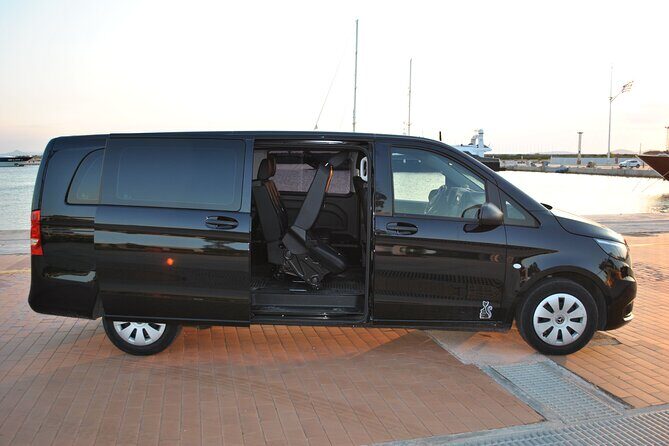
This tour is built for people staying in the Kalabaka area. You meet outside Kalampaka’s Train Station, then climb into a comfortable, air-conditioned mini-bus. That matters in Meteora, because weather can swing fast and the drives are long enough to feel tiring if you’re doing it solo.
The route is also designed around minimizing backtracking. You leave Kalabaka, head toward the hermit sites, then work your way through the religious points and viewpoint stops before returning to the station. In a place like Meteora, that flow helps you keep your bearings without spending your energy on logistics.
If you’re the type who likes to ask questions, you’ll probably appreciate that the guide is available in English and Greek. Guides such as Johanna (and drivers like Kostas, when listed on past departures) are praised for explaining everything clearly, from monastic life to the way the rock shapes the story.
You can also read our reviews of more tours and experiences in Kalambaka.

Saint Antonios: where the first hermits aimed for isolation
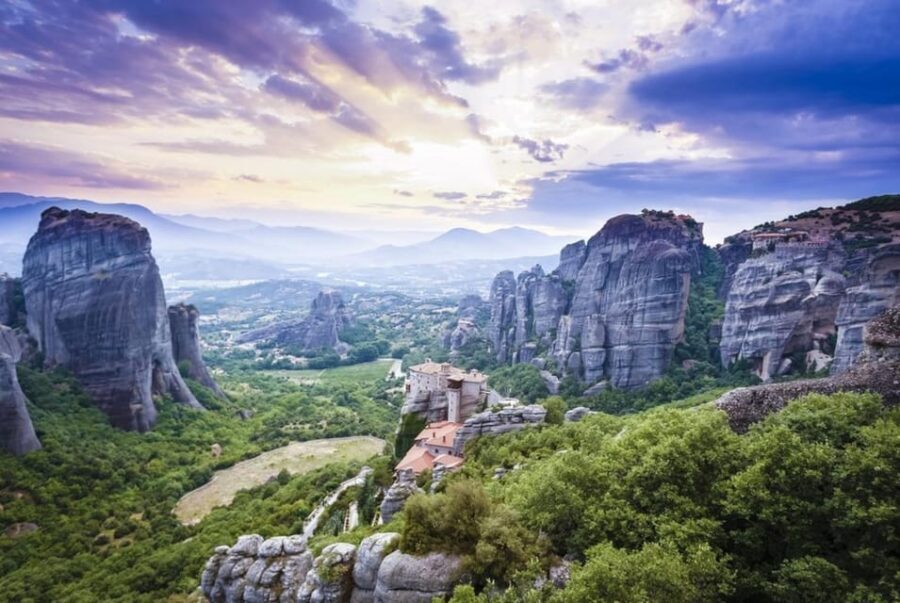
The first major stop centers on Saint Antonios, tied to when the first hermit monks arrived in Meteora. This isn’t just a name on a sign. The point of the stop is to understand the mindset: people came here to be alone, to retreat from society, and to build a life around prayer in places that were hard to reach.
You’ll get a guided explanation of the 10th-century setting and how the caves around Meteora shaped monastic life. The guide also points out that the caves in the area were filled with older hermitages—evidence of how many people tried this form of seclusion before monasteries became the bigger, more organized sites you see today.
Practical tip: even when the main walking is modest, you may still need to manage short uphill bits or uneven footing. Comfortable shoes aren’t optional here; they’re the difference between enjoying the story and constantly watching your step.
St. George the Mandilas cave: faith built into the rock
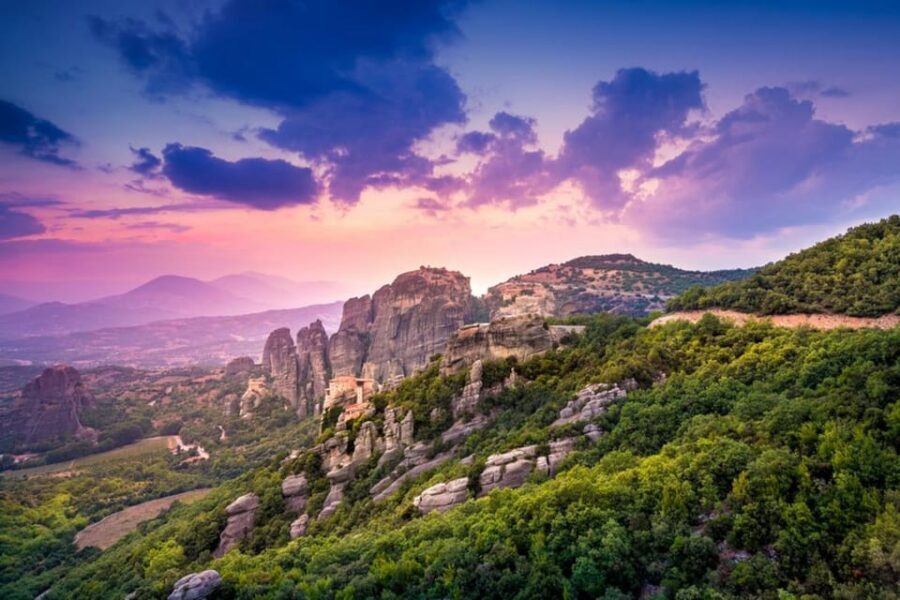
Next comes one of the most “Meteora” stops you can make: the cave of St. George the Mandilas. Caves are part of the identity of Meteora, and this visit helps you connect the modern monastery look with the earlier phase—people living in rock before they built the bigger complexes.
What makes this stop worth your attention is how it reinforces the theme you heard at Saint Antonios. Meteora isn’t only impressive architecture. It’s a spiritual geography, where the physical setting (the caves, the isolation, the sheer cliffs) is part of the message.
Expect this to feel more intimate than the monastery viewpoints. You’re closer to the walls and the atmosphere is quieter. Bring your camera, but also take a few minutes to just look. In Meteora, it’s easy to become a photographer first and a listener second. Try to balance both.
Three monastery stops: best views, photo time, and real constraints
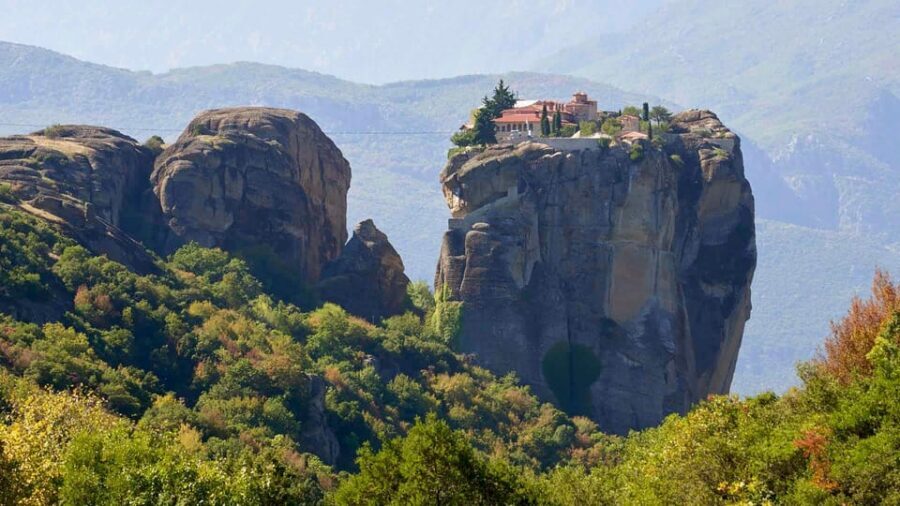
The heart of the tour is three local monastery stops. You’re not just driving past big names from a window. The mini-bus makes photo stops and then positions you to visit where you’re allowed, depending on the monastery.
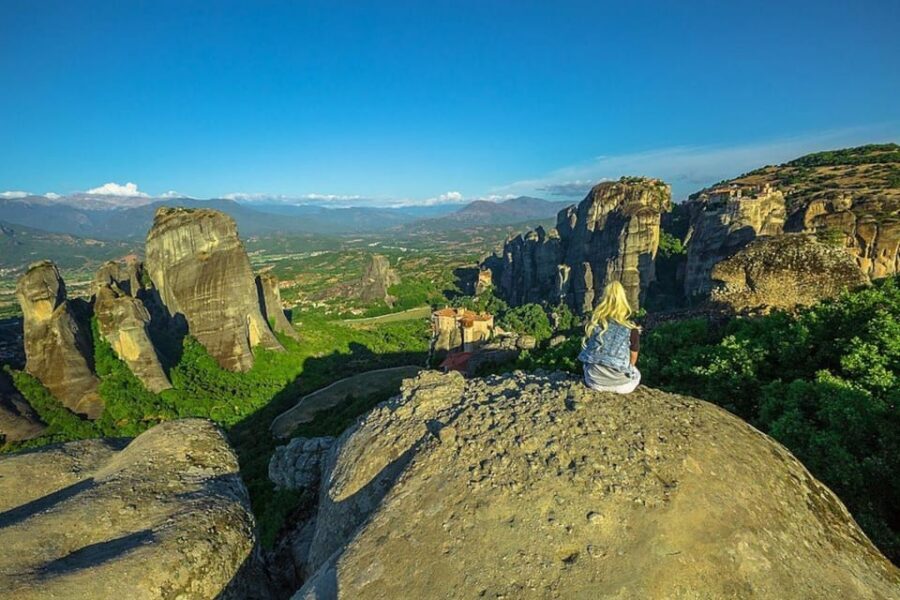
A key detail: monastery time is often about angles. You’ll want to capture the famous rock-and-cliff perspective that makes Meteora look unreal, and this tour is set up to get you to strong viewpoints without turning the day into a scramble.
Here’s the trade-off: the tour lasts 4 hours, so you won’t have unlimited time in any one place. You’ll get the highlights and the context, but this is a good “taste” tour rather than a slow, linger-all-day monastery marathon.
Also note the cost reality. Monastery entrance fees are not included, so plan for that in your budget. For value, this still makes sense because you’re getting more stops in a tight time frame with a guide explaining what you’re seeing.
The Byzantine church to the Virgin Mary (built before the monks)
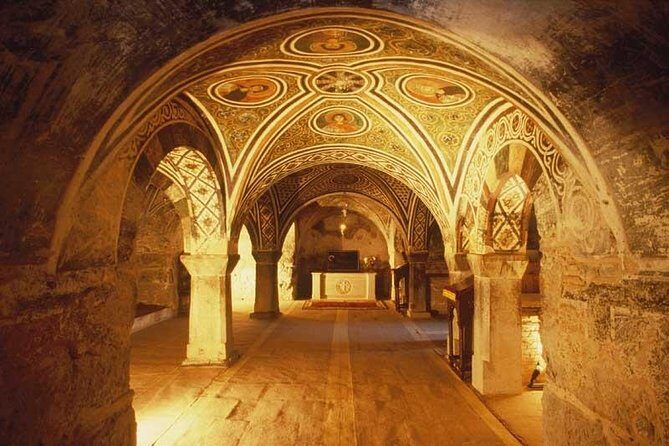
One of the most interesting “wait, what?” moments on the route is the visit to a Byzantine church dedicated to the Virgin Mary. The standout fact here is timing: it was built 300 years before the first monks arrived in Meteora.
That changes how you see the whole area. Meteora doesn’t start with monastery walls and cliff monasteries. There’s earlier Christian presence, and that older timeline helps you understand why certain sites and traditions feel layered rather than sudden.
When you visit a place with that kind of historical layering, your photos will make more sense too. Instead of thinking only about the dramatic present, you start seeing the continuity: faith, worship, and architecture spreading across centuries in the same rock country.
Price and what you’re really paying for ($41 for 4 hours)
At $41 per person for a 4-hour guided loop, you’re paying for three things: transportation, guided interpretation, and the ability to hit multiple major religious stops without arranging everything yourself.
If you’ve ever tried to do Meteora by yourself from Kalabaka, you know the time cost. You have to solve timing, parking, road legs, and then decide where to go first. This tour bundles those decisions for you, and that’s why the price feels reasonable even before you consider the guide’s explanation.
The one cost you should factor separately is monastery entrance fees, since those aren’t included. The other practical cost is your time and energy: you’ll want to show up with decent walking comfort because religious sites often include stairs and uneven surfaces.
Value verdict: for a short visit, this is a strong way to gain context fast and still collect the views that most people come for.
What to wear and bring (so the day stays fun)
Meteora sites have a simple rule: dress for respect and for movement.
Bring:
- Comfortable shoes for walking on uneven ground
- Water, because the drive and time outdoors add up
- A camera (you’ll have photo opportunities at monastery viewpoints and caves)
Expect modest dress may be required for monastery areas. That can mean covering shoulders and knees, so plan ahead. If you forget, you might find yourself needing to adapt on the spot.
Weather matters here. The tour notes that you should check conditions and dress appropriately, and in practice Meteora can go from crisp to cold quickly—especially outside the summer months. Pack like it’s a hill day with rocks, not a beach day.
Who should book this tour (and who should skip it)
I think this fits best if:
- You want the religious highlights of Meteora without turning your day into a transportation puzzle
- You like getting the “why” behind what you see, not only the “what”
- You want 3 monasteries plus cave and church visits in one run from Kalabaka
You may want to skip it if:
- You need wheelchair access or have mobility limitations. The tour is listed as not suitable for wheelchair users and not suitable for people with mobility impairments
- You’re the type who needs hours in one monastery. This format is more about coverage and viewpoints than deep, slow exploration of a single site
Should you book this Meteora Rocks and Religious Sites Photo Stop tour?
If you have limited time in Meteora, I’d book it. This is the kind of day trip that gives you structure: Saint Antonios for the hermit story, St. George the Mandilas cave for the rock-and-faith link, then three monastery stops for the visuals, plus a Byzantine Virgin Mary church that anchors the area in a longer timeline.
Skip it only if your mobility needs make walking difficult, or if you already plan to spend a full day on monastery visits without a guided route.
If you do book, show up ready to walk a bit, bring water, and take your time with the cave and church stops. The best photos come when you understand what you’re photographing.
FAQ
How long is the Meteora rocks and religious sites tour?
The tour lasts 4 hours.
Where do I meet the guide?
You meet outside of Kalampaka’s Train Station.
What language is the tour guide?
The live guide speaks English and Greek.
What sites are included in the tour?
You’ll visit three Meteora monasteries, the cave of St. George the Mandilas, a Byzantine church dedicated to the Virgin Mary, and you’ll have a scenic drive/stop connected with Saint Antonios.
Are monastery entrance fees included in the price?
No. Monastery entrance fees are not included.
Is the tour good for someone who uses a wheelchair?
No. The tour is not suitable for wheelchair users.
What should I wear or bring?
Wear comfortable shoes and bring water and a camera. Modest dress may be needed for monastery visits.
What is the cancellation policy?
There is free cancellation up to 24 hours in advance for a full refund.