REVIEW · ATHENS
Orange & Natural Wines Of Greece with Cheese & Olive Oils
Book on GetYourGuide →Operated by CRU BEE-HAVING Wine & Olive OIl Tastings · Bookable on GetYourGuide
Six wines. One focused hour. That is the fun. This Orange & Natural Wines Of Greece tasting is built around real, low-intervention styles and the way Greek terroir shows up in flavor. You sample six organic/biodynamic/natural/orange wines alongside small nibbles and Greek olive oil, with pairing ideas that go beyond the usual cheese-and-grapes routine.
What I like most is the hands-on pairing approach, especially the way herbs, spices, and condiments get used to explain why a wine works. I also like that the host is not just pouring; the tasting includes history and winemaking choices like amphorae, stainless steel, and long bottle ageing. A small consideration: it is only one hour, so if you want extra back-and-forth about specific bottles, you’ll need to ask early.
Key points to know before you go
- Six wines in one session: taste the range from organic to biodynamic to natural and orange styles.
- Orange wine gets center stage: it is a standout for many people, and you’ll learn what makes it different.
- Extra virgin olive oil is part of the lesson: you are not just drinking wine.
- Pairing uses herbs, spices, and condiments: flavor matching is explained, not guessed.
- Greek methods are practical, not abstract: amphorae, cement, and stainless steel come into the story.
- Small-batch bottles may be available: some wines are released in very limited numbers for shop purchase or shipping.
In This Review
- A 1-hour natural wine and olive oil lesson in Central Greece
- Six Organic, Biodynamic, Natural, and Orange Wines: what that really means
- The pairing system: nibbles, herbs, spices, and condiments
- Extra Virgin Olive Oil tasting: the Greece flavor you can use at home
- Winemaking choices: amphorae, stainless steel, cement, and oak influence
- Small-batch bottles and the 200-bottle reality
- Who this tasting suits best (and who should skip it)
- Price and value: is $41 per person a fair deal?
- Should you book Orange & Natural Wines Of Greece with Cheese & Olive Oils?
- FAQ
- FAQ
- What does the experience include?
- How long is the tasting?
- Where does it take place?
- What is the price per person?
- What language is the instructor?
- Are children allowed?
- Is it suitable for older adults?
- Can I reserve and pay later?
- Is free cancellation available?
A 1-hour natural wine and olive oil lesson in Central Greece
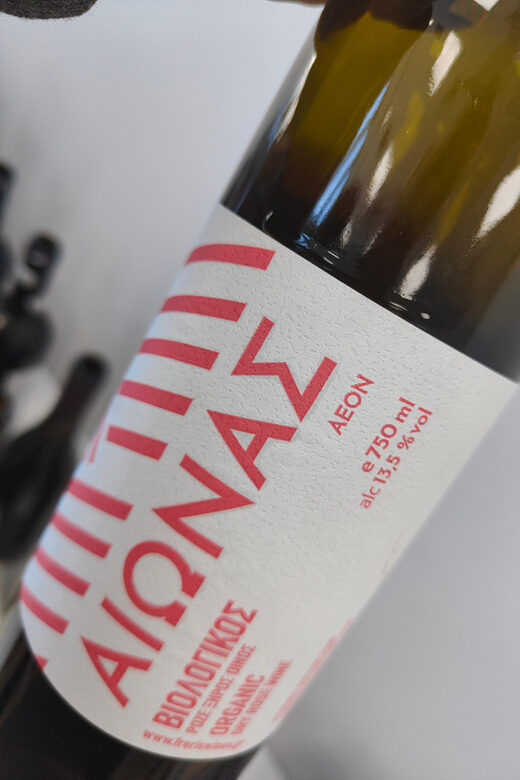
This is a one-hour tasting designed to make Greek wine feel more readable, not more complicated. In Central Greece, the setup is simple: you sit down, taste six wines, and you also learn how extra virgin olive oil and small bites interact with what is in the glass. That combination matters. Wine can taste confusing when it is only judged by acidity, sweetness, or tannins. Add olive oil plus nibbles, and suddenly you start picking up the real structure.
I like the pacing here because it is tight but not rushed in feel. A typical tasting can turn into a blur of sips. This one stays focused on what each wine is doing and why it pairs. That matters if you are new to natural or orange wine and want a clear mental model fast.
Six Organic, Biodynamic, Natural, and Orange Wines: what that really means
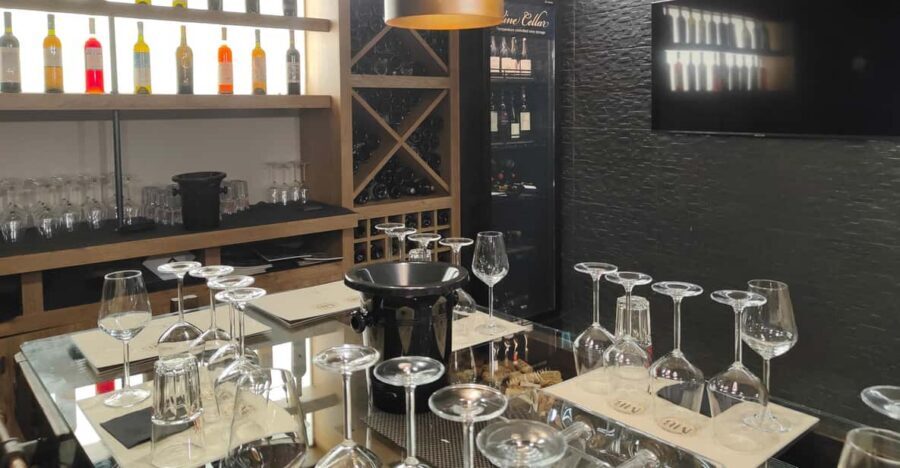
The title says it all, but the details are where the lightbulb goes on. You taste six wines selected from organic, biodynamic, natural, and orange categories. Even if you have heard these terms before, this kind of lineup helps you connect the labels to actual taste—what changes in the glass and what stays the same.
Here is the key idea you take away: Greek wine is not just about geography. It is also about methods. The tasting points to why Greece can produce these styles today and how ancient practice still influences modern decisions. The host explains that Greek indigenous grape varieties and the country’s weather pattern—dry winds and hot days—help create a strong foundation for high-quality wine.
You also get the context that many of these bottles are made with a mindset close to what people did thousands of years ago. The modern science and today’s know-how get used, but the goal is still to protect flavor character rather than cover it up. You might hear the recurring theme that natural wine is not a passing trend; it is a style that is finding its place worldwide because it tastes honest.
You can also read our reviews of more wine tours in Athens

The pairing system: nibbles, herbs, spices, and condiments
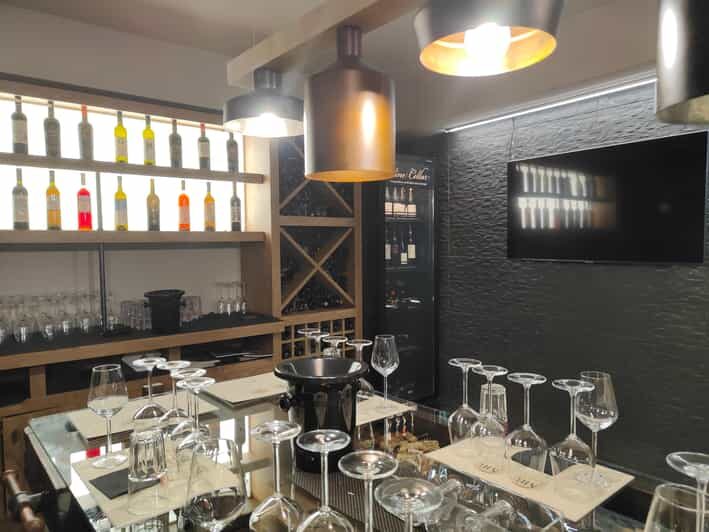
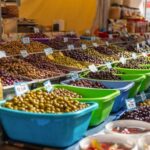
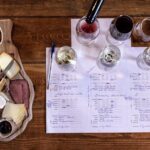
This tasting is not built on guesswork. The nibbles and pairings are part of the instruction, and that is a major value-add. You try the wines with the right small foods and with extra virgin olive oils, plus you explore how herbs, spices, and condiments can echo or challenge what you taste.
Why this matters for you: pairings are where most people learn to stop relying on rules like red wine with red meat. Instead, you start thinking in textures and flavor weight. With these wines, that means looking at how the olive oil’s fruitiness and peppery finish affects the wine’s bite, or how certain herbs and spices can pull out aromatics.
One detail from the experience that really sticks: people often highlight the host’s ability to connect wine and food in a way that feels logical and repeatable. If you like to cook or you order food based on flavor rather than tradition, you’ll get ideas you can test at home. You are essentially learning a pairing language, not collecting trivia.
Extra Virgin Olive Oil tasting: the Greece flavor you can use at home
The olive oil component is not tacked on. It is described as a way to discover the hidden secrets of extra virgin olive oil, and that changes the tone of the whole experience. Olive oil can feel like a background ingredient—until you taste it in a structured way next to wine.
In this tasting, you get olive oil that is meant to show up clearly in the flavor conversation. When olive oil meets wine, it can soften harsh edges, sharpen fruit impressions, or change how acidity feels on the palate. That makes the oil a practical tool for you. Afterward, you can use the same logic with your own meals: when a dish feels too sharp, adding well-chosen olive oil can shift the balance.
If you are the type who buys good olive oil but never really tastes it beyond flavor, this is the kind of experience that gives you a better “why.” Even if you do not become an olive oil expert by the end of an hour, you’ll walk away with a clearer sense of what to look for and how it changes wine.
Winemaking choices: amphorae, stainless steel, cement, and oak influence
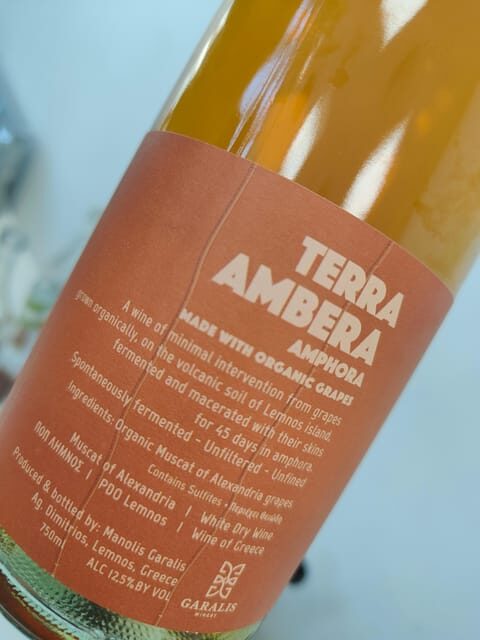
The tasting story includes how Greek producers make these wines. You learn that wines may be produced in amphorae (clay jars), in stainless steel, or in plain cement, and that some may have a small influence of oak barrels. You also hear about long ageing in a bottle, which affects how the wine develops over time.
Why should you care about this in a tasting that already has six pours? Because it helps you understand what you are tasting. For example, when winemaking uses different vessels, it often changes how the wine behaves on the palate—how aromatics show up, how texture feels, and how the finish lands. Without this context, natural and orange wines can feel unpredictable. With it, they feel like choices.
You also get a clear message about the bigger picture: Greece has a huge base of indigenous grape varieties, and with dry wind and hot days, the grapes can handle the styles that emphasize natural fermentation and preservation of character. That is the “science plus knowledge of today” angle the host frames: old technique used with modern understanding.
Small-batch bottles and the 200-bottle reality
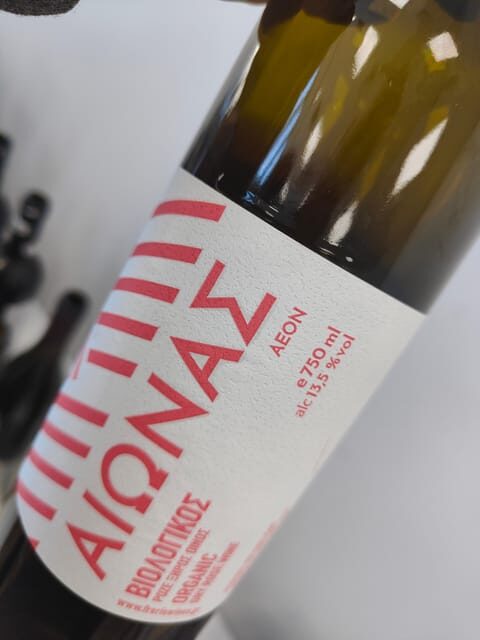
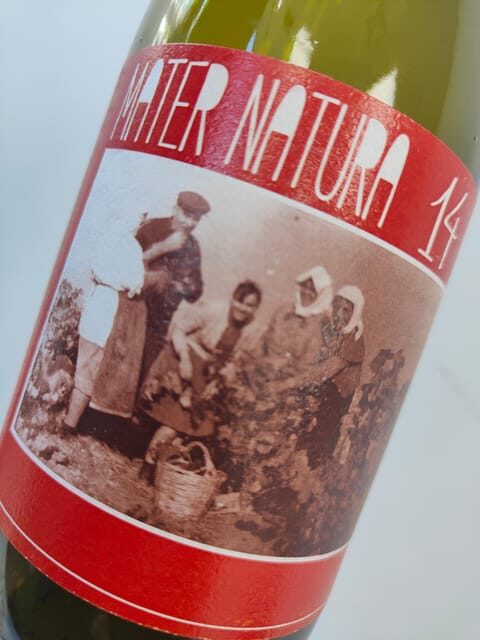
Another factor that makes this tasting feel more real: some of the wines have limited bottlings—down to as low as 200 bottles. That changes your relationship with the product. Instead of thinking of wine as mass-market entertainment, you start treating it like something made in small quantities with a point of view.
The experience also notes that these limited wines may be available exclusively in the shop to buy or ship. For you, that means two things. First, you can try a wine that might not be easy to find elsewhere. Second, you can take the tasting home in a way that matches what you learned in the glass.
If you like bringing back edible souvenirs you actually use, this is one of the better formats. A bottle is an experience you can repeat, and the pairing logic gives you a way to open it with confidence instead of hoping it works with dinner.
You can also read our reviews of more tours and experiences in Athens

Who this tasting suits best (and who should skip it)
This activity is built for adults and for people who want a focused education, not just casual sampling. It is in English, and the host can tailor the experience to your interests. That personalization matters because natural wine can mean different things to different people—some want the philosophy, others want the taste map, and some just want great pairings.
It also helps if you like food. Even if you’re not a foodie, the herbs, spices, and condiments component makes it easier to understand flavors without needing wine jargon.
Who might not love it: if you mainly want a classic wine tasting with familiar styles and simple pairing rules, orange and natural wines can feel unfamiliar fast. Also, because it is one hour, you will not get a deep technical seminar. You get guided tasting and context. If you want extensive discussion of fermentation schedules or vintage-by-vintage breakdown, you may want to follow up with a longer visit at the shop.
One more practical fit note: it is not suitable for children under 18 years, and it is also listed as not suitable for people over 95 years.
Price and value: is $41 per person a fair deal?
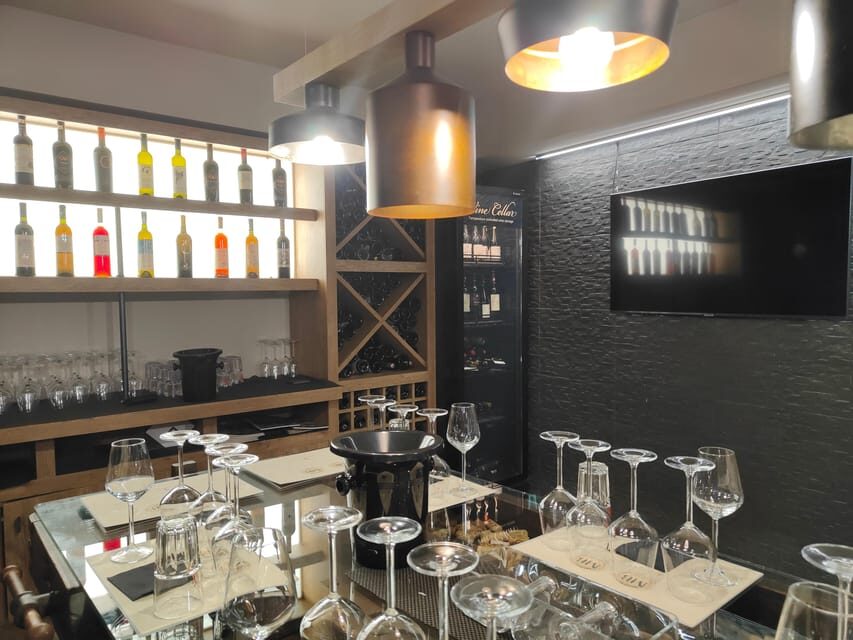
At $41 per person for a one-hour experience, the value depends on what you want out of the tasting. If you are paying mainly for alcohol, you might compare it to other tastings that cost similar amounts and include food only lightly. But this one includes multiple layers:
- Six wines in one session, covering several natural-adjacent categories.
- Nibbles and pairings that connect food to flavor in a structured way.
- Extra virgin olive oil with its own tasting angle, not just a side offering.
- History and winemaking choices explained in plain terms, tied to what you taste.
- The chance to learn about organic, biodynamic, natural approaches and why Greece produces these styles well.
That is a lot for a single hour. And the limited-bottling detail makes the experience feel connected to a real product world, not a generic sample flight.
If you enjoy learning and you want a Greek-focused take on natural wine, I’d consider it good value. If you want a long, slow tasting with heavy technical depth, the time limit might feel tight for the price.
Should you book Orange & Natural Wines Of Greece with Cheese & Olive Oils?
Book it if you want an efficient introduction that actually explains what you taste. This is a smart choice when you want natural and orange wine education paired with the food logic behind the pour. I also think it is a strong option if you are the kind of traveler who likes to come home with something usable—like a bottle you can buy or ship, guided by what the tasting taught you.
Skip it if you are chasing only mainstream wines and you don’t care much about orange wine styles, olive oil tasting, or pairing with herbs and spices. Also consider the one-hour duration. You’ll get a lot, but you won’t linger.
If you’re deciding on one short “Greek flavor” activity that blends wine, olive oil, and pairing education, this one has a clear focus and a friendly, English-led approach.
FAQ
FAQ
What does the experience include?
You’ll taste six organic, biodynamic, natural, or orange wines along with nibbles and extra virgin olive oils. The experience also includes history and the importance of organic wine-making.
How long is the tasting?
It lasts 1 hour.
Where does it take place?
It is located in Central Greece, Greece.
What is the price per person?
The price is $41 per person.
What language is the instructor?
The instructor is English.
Are children allowed?
No. It is not suitable for children under 18 years.
Is it suitable for older adults?
It is not suitable for people over 95 years.
Can I reserve and pay later?
Yes. You can reserve now and pay later, meaning you pay nothing today.
Is free cancellation available?
Yes. You can cancel up to 24 hours in advance for a full refund.


More Cheese in Athens
More Wine Tours in Athens



More Tour Reviews in Athens
- All Day Cruise -3 Islands to Agistri,Moni, Aegina with lunch and drinks included
★ 5.0 · 4,958 reviews