REVIEW · OLYMPIA
Private Olympia tour (4.5 hours)
Book on Viator →Operated by Niki Olympic Tours · Bookable on Viator
Olympia hits hard, even in half a day. I like that this is a true private tour with an officially licensed English guide, and I also love the mix of the site ruins plus the museum—so the story doesn’t stop at broken columns. One thing to plan for: admission to the Archaeological Site and Museum is not included (it’s €20 per person).
The payoff is big for first-timers because you see the full sweep of Olympia’s “sports-meets-religion” world. You’ll start with the gymnasium and palaestra area, the workshop tied to Phidias, the temples of Zeus and Hera, and even the spot where the Olympic torch is lit in modern times. Then you shift into the Archaeological Museum for the objects that explain what you just walked through.
This is a walking-heavy visit in an ancient setting, and the operator asks for a moderate physical fitness level. If you move slowly, bring your patience (and good shoes). The timing is tight but well thought out, around 1 hour 30 minutes at the site and 1 hour in the museum.
In This Review
- Key things that make this Olympia tour a smart use of your time
- Stepping into Olympia: gymnasium, temples, stadium, and the torch spot
- Watch-outs at the ruins
- The Olympia Museum: where the sculptures and everyday objects connect
- Museum time is short, so aim your attention
- Katakolon pickup and the drive that keeps your day on track
- If you care about audio, plan a workaround
- Price and value: what $494.80 per person really buys
- Who tends to get the best value
- Timing your cruise day: aim for a calmer Olympia
- Who should book this Olympia private tour
- A note on guides: archaeologist-style storytelling makes a difference
- Should you book this Olympia tour?
- FAQ
- How long is the private Olympia tour?
- Where do we meet in Katakolon?
- What’s included in the tour price?
- Are admission tickets included?
- Is this tour only for my group?
- Is there a fitness requirement?
Key things that make this Olympia tour a smart use of your time
- A licensed English guide leads the whole day, so you get context while you’re actually looking at the ruins
- Olympia’s main structures in one loop, including the gymnasium/palaestra, temples of Zeus and Hera, and the stadium area
- Phidias-linked details at the site plus his workshop tools and related objects in the museum
- Top-name museum highlights, including Hermes associated with Praxiteles and the Nike linked to Paeonios
- Port pickup from Katakolon, with a sign at the meeting point so you can relax and not hunt around
- Private-group pace, only your group rides in the car and gets the guide’s full attention
Stepping into Olympia: gymnasium, temples, stadium, and the torch spot
Olympia is one of those places where you can almost feel the routine of ancient days. You’re not just seeing ruins; you’re moving through the zones people used for training, ritual, and big-time competition.
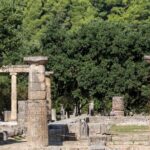
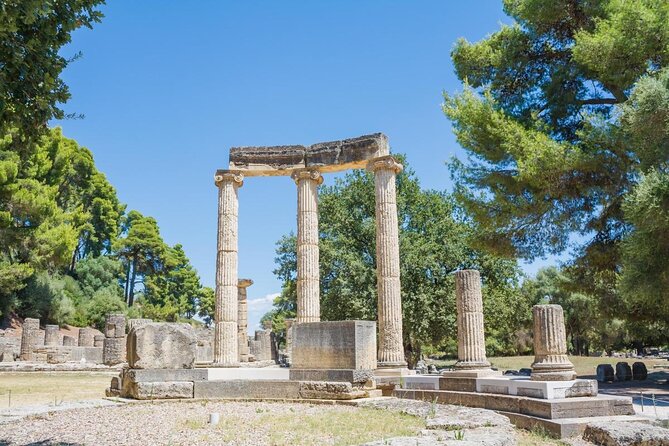
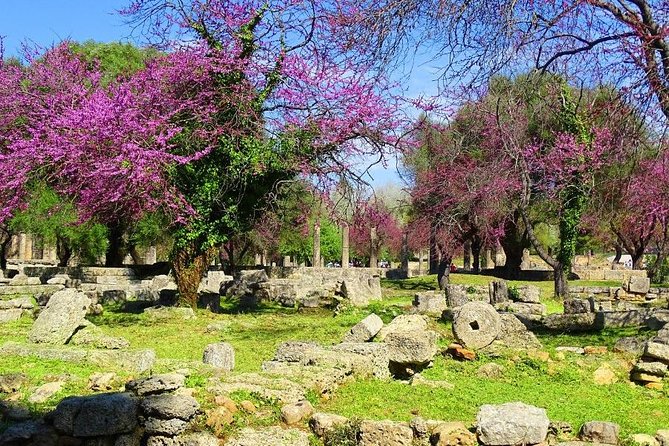
At the Archaeological Site of Olympia, you’ll get the kind of route that makes sense for a half-day: start with the training areas and then work toward the religious core. The gymnasium and palaestra help you picture the daily life of athletes, and they also explain why Olympia wasn’t only a one-day event. It was a place you prepared in, not just arrived at.
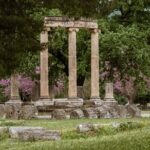
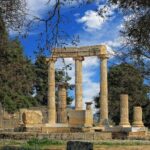
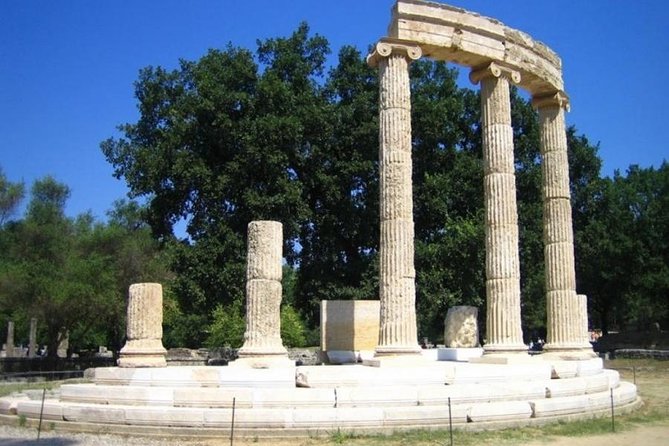
From there, you’ll walk past the round Phillipion. That building matters because it’s a reminder that Olympia attracted political attention too—not just athletes and spectators. Then comes one of the most intriguing segments: the workshop of Phidias, where the gold and ivory statue of Zeus was crafted. Even if you’ve seen pictures before, it’s different to stand in the area and connect the craftsmanship to what later generations remembered.
Next are the temples of Zeus and Hera. This is where the site becomes more than sports archaeology. The Olympics weren’t just contests; they were tied to worship and festival behavior. So when you see the temple spaces, you start understanding the “why” behind the competition.
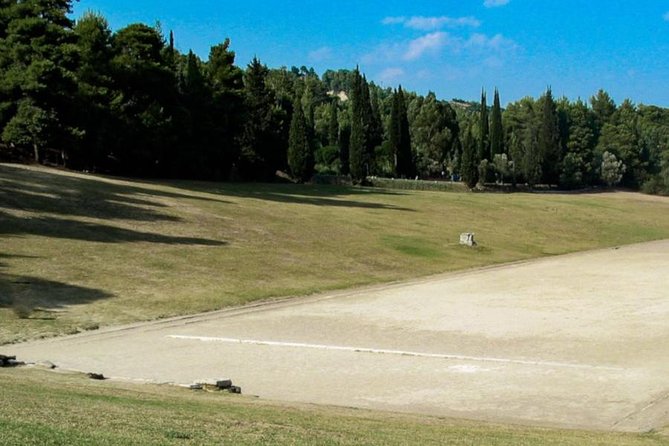
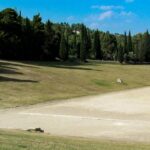
Finally, you’ll reach the ancient Olympic stadium area. Seeing the stadium in person gives you scale fast. It helps you understand how crowds were laid out and how the event would have sounded and felt on the day.
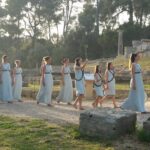
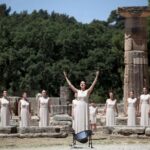
One modern detail is built into the same grounds: the altar where the Olympic torch is lit in modern times. Standing in that area is a quick way to connect ancient ritual to today’s ceremony, without turning it into a theme-park stop.
Time note: the site stop is about 1 hour 30 minutes. That’s enough to take in the major zones, but it’s not enough to wander slowly forever—so you’ll want to ask questions as you go instead of saving them all for the end.
You can also read our reviews of more tours and experiences in Olympia.

Watch-outs at the ruins
The operator lists moderate physical fitness, and that’s a fair warning. Expect uneven ground, lots of outdoor walking, and the kind of paths that aren’t designed for strollers or heavy mobility aids. Bring comfortable shoes, and plan to move at a steady pace.
The Olympia Museum: where the sculptures and everyday objects connect
After the ruins, the Archaeological Museum helps the whole visit “click.” At the museum, you stop trying to imagine what you saw outside. You get the objects that explain how people lived, what they valued, and how artists worked.
The collection includes bronze and clay offerings like tripods and figurines. These don’t just look decorative; they tell you what people brought for worship and dedication. You’ll also see armor and vases, which add texture to the idea that Olympia was connected to wider Greek life, not just athletic training.
One strong section is tied to Phidias. You’ll see tools and even a cup connected to his workshop. Those items are the sort of evidence that makes the workshop area at the site feel more real, because you’re no longer only working from imagination.
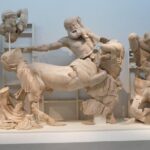
Then there are star-name sculptures. You can see Hermes associated with Praxiteles and the Nike linked to Paeonios. And the pediment sculptures from the Temple of Zeus are described as very impressive and very well preserved. That’s a big deal because pediments show stories and emotion in a tight space—and in a museum, you can actually view them carefully instead of catching them in passing from a distance.
If you’ve ever wondered why Greek sculpture looks both idealized and specific, the pediments and classical statuary are where that question becomes clearer.
Museum time is short, so aim your attention
The museum stop is about 1 hour. In that time, you’ll cover highlights rather than every room. If something matters most to you—sculpture, artifacts, or Phidias-related items—tell your guide early so you can spend your energy in the right spot.
Katakolon pickup and the drive that keeps your day on track
A private tour works best when it removes friction, and this one is designed to do that right from the start. You meet at the port of Katakolon at a designated spot with a sign with your name. That detail matters on cruise days, when the chaos level rises fast and it’s easy to waste time.
Round-trip transportation is included, and you’re picked up for the drive to Olympia and brought back afterward. The drive itself can be part of the learning, too. In past days, guides have explained how the gymnasium, stadium, temples, and baths fit together, so you’re not arriving already tired and confused—you arrive oriented.
Vehicles are practical: one comment mentioned a spacious, air-conditioned minibus in Katakolon. Another person noted the ride vehicle was fine but not as nice as some other tours. Translation: you should expect comfortable transport, but don’t treat it like a luxury transfer.



If you care about audio, plan a workaround
One issue came up: the guide was soft-spoken and it was hard to hear with air conditioning noise. Audio headsets weren’t provided for the smaller private group in that instance. If you think hearing might be an issue for you, ask the operator in advance whether headsets can be arranged for your group size. In small private tours, they may skip them, keeping the experience more personal.
Price and value: what $494.80 per person really buys
At $494.80 per person, this is not a budget stop. But it is paying for things that matter when you only have one shot: a licensed English guide, private transportation, and a structured half-day that covers the core of Olympia without wasting time.
The admission fees are the main extra cost: €20 per person for the Archaeological Site and Museum. So the real “all-in” cost is your tour price plus that entry fee.
Where the value shows up is in decision-making. You’re not choosing between a generic bus tour and a too-short private visit. You get a guided route through the ruins and then a museum stop that connects objects to the places you just walked. For many people, that’s the difference between seeing Olympia and actually understanding why it mattered.
Who tends to get the best value
- If you’re a couple or small group who wants a guided day without juggling bus schedules, private guiding often justifies the price.
- If you’re traveling with people who get tired quickly, a tight, guided structure can save energy and reduce decision fatigue.
- If you’re flying solo and want maximum learning, you’ll still pay a premium, but you’re buying focus.
If you’re on a strict budget, you might compare against non-private options. But if your priority is guided, time-efficient learning at Olympia, this price is aimed at that goal.
Timing your cruise day: aim for a calmer Olympia
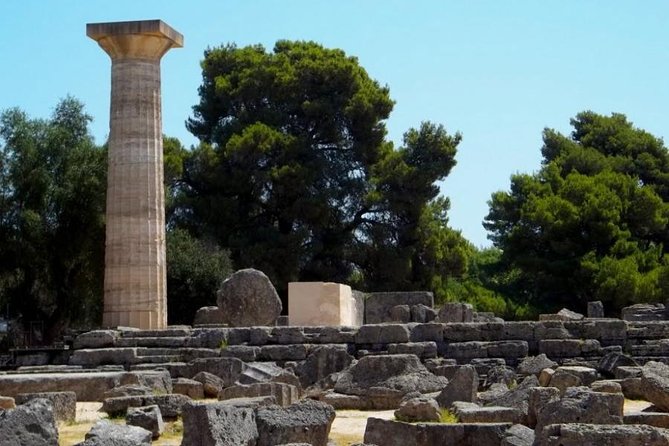
Olympia can get crowded, especially when multiple ship groups arrive around the same time. One practical tip that came up is to book a later start time—around 10:00—so you can avoid the biggest initial wave that leaves earlier. If your schedule offers multiple time slots, consider that strategy. It can mean fewer interruptions and a more relaxed pace at both the site and the museum.
Also plan to return with a cushion for port life. One helpful detail from people who did this kind of visit is that they had extra time back at the ship/port area for shopping afterward. That’s not just convenience; it reduces stress and keeps you from feeling like you’re sprinting all day.
Who should book this Olympia private tour
This is a great fit if:
- You want a guided visit through both the Archaeological Site of Olympia and the Archaeological Museum
- You prefer private attention over group announcements
- You care about understanding the connections: athletic training areas, temples, Phidias’s workshop area, and the museum objects that support it
- You’re comfortable with moderate walking on uneven ground
It may be less ideal if:
- You’re mainly looking for a quick photo stop and don’t want to spend time listening
- You rely on lots of built-in audio support and you’re sensitive to hearing challenges in a car environment (worth asking about headsets first)
A note on guides: archaeologist-style storytelling makes a difference
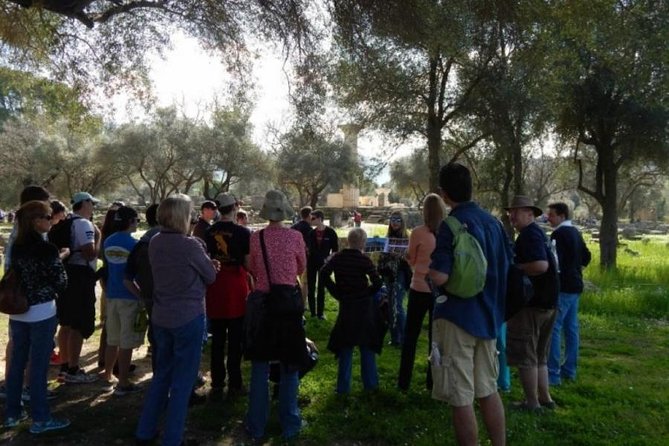
The guides can shape how much you take away, and the names that have shown up in this tour’s recent runs include Nikoleta, Stavros, Maria, Zoie, and Dmitris. Multiple comments stressed that the guiding style creates a clear picture of what Olympia felt like when the gymnasium, stadium, temple, and baths were active.
If you get one of those guides, you can expect strong teaching and a way of explaining that turns ruins into daily-life context. Even in a short time window, that matters.
Should you book this Olympia tour?
I’d book it if you want the most important Olympia parts in one compact plan, with an English guide who stays with you the whole time. The biggest reason to choose this is the pacing: you get both the key zones outside and the objects inside the museum, so you don’t leave with only vague impressions.
Skip it only if you’re chasing a low price, or if you know you want minimal walking and minimal listening. For most people doing a cruise stop or a first-time visit, this private format is a strong way to turn a few hours into real understanding.
FAQ
How long is the private Olympia tour?
It runs about 4 hours 30 minutes.
Where do we meet in Katakolon?
You meet at the designated meeting point at the port of Katakolon, and the guide or driver will be waiting with a sign showing your name.
What’s included in the tour price?
The tour includes private transportation and an officially licensed English-speaking tour guide throughout the experience.
Are admission tickets included?
No. Admission for the Archaeological Site and the Museum of Olympia is €20 per person and is not included.
Is this tour only for my group?
Yes. It’s a private tour/activity, so only your group participates.
Is there a fitness requirement?
The tour notes a moderate physical fitness level is recommended, since you’ll be walking around the archaeological areas.