REVIEW · ATHENS
Small Group Tour: Balkans & Central Europe from Athens to Vienna
Book on Viator →Operated by Choose Balkans · Bookable on Viator
Ten countries, one guided rhythm. This Athens-to-Vienna trip is interesting because you’re not just “passing through” the Balkans and Central Europe. You get a small group (max 10), a professional tour leader, and a plan that strings together ancient sites, fortress towns, and living local food moments, including UNESCO-listed stops like Delphi, Meteora, Ohrid, and Kotor.
Two things I especially like about how this tour is set up: you start with a hotel pickup in Athens and finish with a hotel drop-off in Vienna, and you don’t have to wrestle with tickets and logistics because admission fees for visited sites are handled. One drawback to consider: this is a packed 21-day run across many borders and towns, so expect a lot of time on the road and plenty of walking on cobblestones and uneven ground.
In This Review
- Key things that make this tour worth your attention
- Athens to Vienna: the logic behind a 21-day Balkans-to-Central-Europe route
- What you really get for the $7,734.19 price
- Your day-by-day route: the stops that make the trip click
- Day 1: Athens, Delphi, and the Meteora sunset factor
- Day 2: Ioannina’s layered old town and the drive toward Gjirokastër
- Day 3: Gjirokastër UNESCO mode—castle, bazaar, and a preserved house
- Day 4: Berat’s 1001 windows and what it means to live inside history
- Day 5: Border-crossing day with nature breaks and Lake Ohrid’s monastery start
- Day 6: Ohrid—UNESCO lake city with churches and viewpoints
- Day 7: Tirana food culture and Bunk’Art 2’s bunker history
- Day 8: Krujë fortress town and Prizren’s Ottoman-modern mix
- Day 9: Gjakovë bazaar rebuild story, Deçan frescoes, and wine country timing
- Day 10: slow-food agro-tourism farm and Shkodër’s Venetian-influenced layers
- Day 11: Budva and Kotor—old town mazes and UNESCO walls
- Day 12: Mostar’s Stari Most and Blagaj tekija’s cliffside water
- Day 13: Sarajevo’s WWI trigger setting and war-era reminders
- Day 14: Drina River stop and Belgrade Fortress views
- Day 15: Sremski Karlovci baroque town and wine-cellar culture
- Day 16: Novi Sad mix of Ottoman and Austro-Hungarian influences
- Day 17: Subotica’s City Hall-centered town plan, then Budapest arrives
- Day 18: Budapest highlights—Parliament area, Fisherman’s Bastion views, and Buda Castle
- Day 19: Győr’s baroque streets and Hungarian food stops
- Day 20: Bratislava’s Old Town coffee culture and castle viewpoints
- Day 21: Vienna drop-off day
- Hotels, walking, and meals: how to travel comfortably on this itinerary
- Who this tour fits best
- Should you book this Balkans & Central Europe tour from Athens to Vienna?
- FAQ
- How many days is the tour, and what route does it cover?
- How big is the group?
- What is included in the price?
- Are meals besides breakfast included?
- Are there hotel rooms for solo travelers?
- When does the tour start each day?
Key things that make this tour worth your attention
- Max 10 travelers keeps the group manageable and the pace more human than big-bus tours
- Hotel pickup in Athens and drop-off in Vienna removes two of the trickiest travel days
- UNESCO coverage that feels practical (Delphi, Meteora, Ohrid, Kotor, and more) rather than just checkmarks
- Entry tickets included for key stops means fewer lines and less guesswork
- Food moments built in (like byrek in Tirana and slow-food farm lunch time) so you sample culture, not just sights
- 3-star hotels with breakfast gives you consistency while you rotate through very different regions
Athens to Vienna: the logic behind a 21-day Balkans-to-Central-Europe route
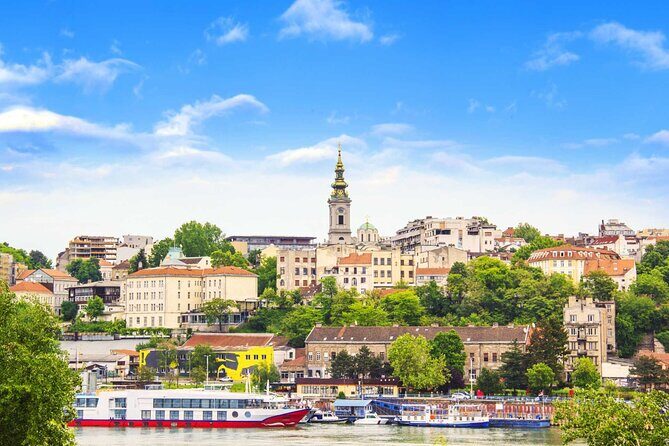
The main appeal here is flow. You begin in Athens, then work your way through Greece, Albania, North Macedonia, Kosovo, Montenegro, Bosnia & Herzegovina, Serbia, Hungary, Slovakia, and end in Austria. That’s a huge geographic sweep, but the itinerary avoids the most common beginner mistake: hopping randomly and spending half your time figuring out transportation.
Instead, you get private transportation and a guided schedule with multiple UNESCO hits spaced in with regional towns. That matters because the Balkans can feel like a patchwork at first—different alphabets, currencies, and histories. With a tour leader steering you, the places start to connect in your mind: empires, religion, trade routes, and the way towns rebuilt themselves after conflict.
The tour is also designed for people who want fewer decisions. Breakfast and accommodation are included on the nights you stay in 3-star hotels, and entry tickets for the listed sites are covered when marked. You still pay for lunches, dinners, drinks, and snacks on your own, but at least the heavy planning pieces are handled for you.
You can also read our reviews of more tours and experiences in Athens.

What you really get for the $7,734.19 price
At first glance, the price looks steep. But you’re paying for a long, guided, cross-border itinerary with private transport, lodging for 21 days (in 3-star hotels), and breakfast included each night. You’re also paying for professional guidance plus tickets for many of the major sights along the way.
Here’s what stands out in terms of value:
- Private transportation through multiple countries is expensive to replicate yourself, especially when you want reliable door-to-door timing.
- Entry tickets are included for the sites listed as Included on the itinerary. That’s not minor—fortresses, monasteries, churches, and museums add up fast when you buy them individually.
- Tour taxes and insurance/road costs are already covered, which reduces the “surprise” factor that can happen with DIY travel.
- Hotel transfers in key cities (pickup in Athens, drop-off in Vienna) eliminate two common headache days.
One practical consideration: this price assumes double/twin/treble/quad occupancy in a 3-star hotel. A single room is possible with a supplement of 45 Euros extra per night per person in a 3-star hotel. If you’re traveling solo, that can change the value math.
Your day-by-day route: the stops that make the trip click
Day 1: Athens, Delphi, and the Meteora sunset factor
You’ll start in Athens with a hotel pickup so you can drop straight into the journey instead of organizing transport immediately. Delphi is the first big historical anchor: you’ll drive there to see the ancient archaeological site linked with Temple of Apollo, the Castalian Fountain, the Treasury of the Athenians, and more, plus a museum stop featuring famous ancient sculptures.
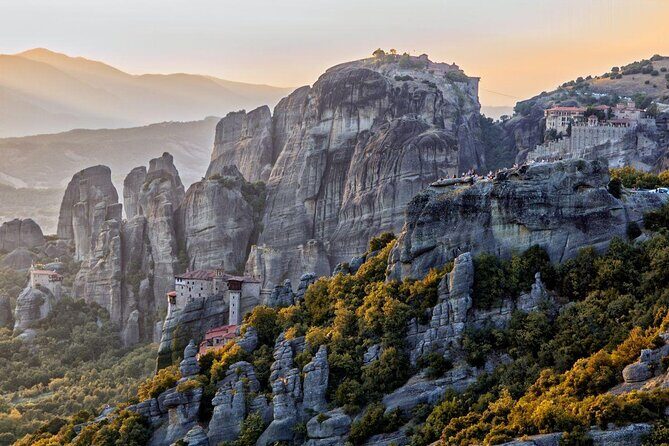
Then comes Meteora, where the monasteries sit on dramatic rock formations. The itinerary specifically sets you up for an unforgettable sunset moment. This is one of those “the photos don’t fully explain it” places, because the scale of the cliffs changes your sense of what’s possible in architecture and location choice.
Drawback to plan for: you’ll be moving from one major site to another, so keep your schedule mindset tight. This is not a slow wander day.
Day 2: Ioannina’s layered old town and the drive toward Gjirokastër
You begin in Ioannina and walk through the old town’s cobbled streets, where Byzantine and Ottoman-era traces show up in the architecture. Ioannina Castle adds structure to the day, with time inside the fortress walls and its network of narrow streets.
After that, you continue toward Gjirokastër—often nicknamed the Stone City. Even the driving day has a purpose here: you’re layering “old town atmosphere,” then fortress life, then a different fortress-town style as you head into Albania.
- All Day Cruise -3 Islands to Agistri,Moni, Aegina with lunch and drinks included
★ 5.0 · 4,958 reviews

Day 3: Gjirokastër UNESCO mode—castle, bazaar, and a preserved house
Gjirokastër isn’t just a view. You get the full set: the UNESCO-listed town, the medieval bazaar right before the castle, and Skenduli House, highlighted as one of the best-preserved original homes. This is valuable because it turns the town from scenery into context: how people lived, built, and defended.
If you like places that feel like living museums, this day is a strong match. If you’re not into interiors, you’ll still benefit from the castle-and-streets pairing.
Day 4: Berat’s 1001 windows and what it means to live inside history
Berat, known as the town of 1001 windows, is about visual rhythm: medieval houses built into steep terrain, with windows stacking down the hillside. You then visit Berat Castle, and this stop is unique because residents still live within the castle walls.
You’ll also see the Onufri museum (associated with the painter Onufri and his distinctive reddish color) and finish with Gorica neighborhood. The result is a day that feels like it explains a place from multiple angles: architecture, art, and neighborhood life.
Day 5: Border-crossing day with nature breaks and Lake Ohrid’s monastery start
This day mixes calm and switching gears. You stop at Drilon National Park for spring-fed water views and relaxing picnic-style time. Then you continue through the region toward St. Naum monastery at the source of the River Crni Drim, feeding Lake Ohrid.
That monastery stop is one of the tour’s natural “reset” points. You’re not just checking a building—you’re in a protected area with clear water views reflected in the surroundings.
Practical note: the day includes cross-border travel, so keep your patience for border timing. The payoff is that you arrive ready to appreciate Ohrid properly the next day.
Day 6: Ohrid—UNESCO lake city with churches and viewpoints
Ohrid is your UNESCO moment in North Macedonia. The city and Lake Ohrid have UNESCO status, and the tour frames it through layers: Illyrian settlement origins, Roman naming, and the city’s Orthodox importance.
You’ll visit key religious landmarks, including the viewpoint at the Church of St. John and stops at Church of St. Nicolas, plus the Halveti Hayati Tekke. The time allocation is generous enough that you don’t feel rushed every few minutes.
This is also a day where you’ll enjoy slowing down slightly: the town is made for walking and short pauses, not sprinting.
Day 7: Tirana food culture and Bunk’Art 2’s bunker history
You start in Tirana and meet a local companion for a city experience tied to culinary treasures. The tour then moves into neighborhood-style food stops:
- Byrek breakfast at a small local place you’d be unlikely to find alone
- A Çam bazaar stop linked to the Çam community
- The New Bazaar for a traditional Albanian lunch option with qofte and bread, plus raki tasting
Then comes BUNK’ART 2, a museum built from a Cold War nuclear bunker. It’s short, but memorable because it changes how you understand everyday life under the communist regime.
If you like history that affects daily behavior, this stop lands well.
Day 8: Krujë fortress town and Prizren’s Ottoman-modern mix
Krujë is first, tied to Albanian resistance against Ottoman expansion. You’ll visit the medieval Old Bazaar and Krujë Castle, with a guided walk that includes hidden paths used by locals during siege periods.
Then you cross to Prizren, described as Kosovo’s cultural capital. This is where the tour gives you both architecture and daily-life energy: the river running through the old town, bridges across it, and the chance to explore the streets at your own pace later. The itinerary also suggests that if you visit in August, Dokufest brings international film attention to the city.
You’ll also visit the Sinan Pasha Mosque and enjoy a fortress viewpoint over the city. That pairing helps you understand Prizren spatially: sacred architecture down in the town, then the strategic view from above.
Day 9: Gjakovë bazaar rebuild story, Deçan frescoes, and wine country timing
You begin in Gjakovë, known for its bazaar, including the note that it was destroyed in conflicts and rebuilt. That backstory matters because it explains why the bazaar feels like more than shopping—it’s a community recovery marker.
Then Deçan Monastery, UNESCO-listed for frescoes and the fact that Orthodox monks still inhabit the monastery and make organic food. You end the day in Rahovec Valley, tied to viticulture and a regional wine identity, with a note that a wine festival happens every September.
This day works if you care about how people rebuild culture through food, craft, and religious art.
Day 10: slow-food agro-tourism farm and Shkodër’s Venetian-influenced layers
You visit Mrizi i Zanave, a slow-food agro-tourism farm where you tour the property, learn about regional bio product work, and get time for traditional lunch or to buy fresh produce. The farm story includes job creation for people in the surrounding area, and you also see how older communist-era buildings were adapted for storage.
In the afternoon you continue to Shkodër, known for being near Lake Shkodra and associated with centuries of habitation. You’ll visit Rozafa castle for views of the meeting of three rivers and the Adriatic connection, then enjoy context on Venetian-influenced architecture. There’s also a seasonal hint: February carnival, with Venetian-style masks made in Shkodër.
Day 11: Budva and Kotor—old town mazes and UNESCO walls
You start with a viewpoint near Sveti Stefan, a former fishing town turned into an exclusive residential resort area, but the shoreline view still gives you a classic Adriatic photo moment.
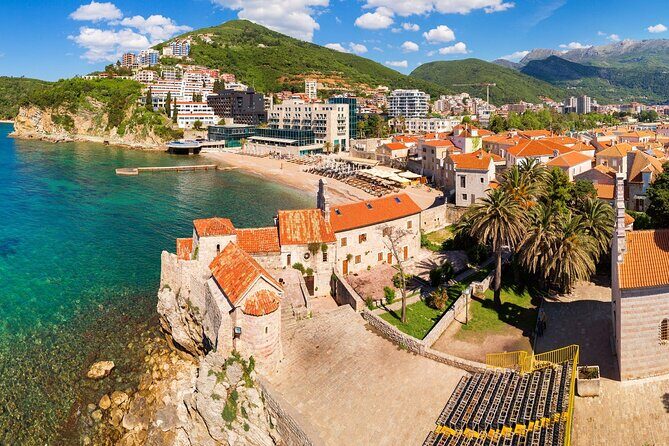
Then you visit Budva, split into Old Budva and New Budva. You’ll focus on the Old Budva medieval center, including churches and historic town streets.
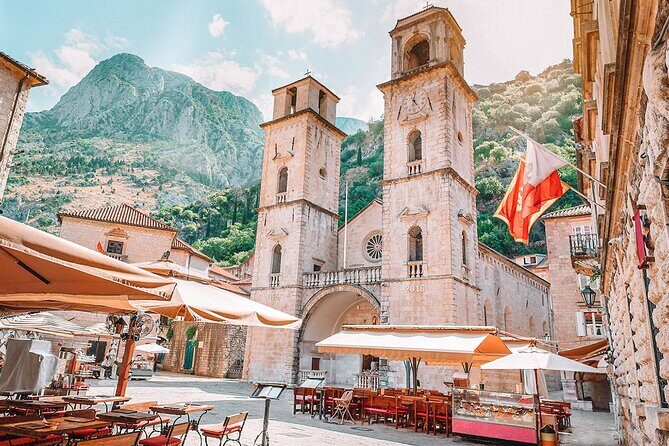
Kotor follows, UNESCO-listed. The old town is described as a maze of narrow cobblestone streets designed to confuse intruders. You’ll also visit Saint Luke’s church.
This day has a strong contrast: resort-edge scenery, then tight medieval street networks.
Day 12: Mostar’s Stari Most and Blagaj tekija’s cliffside water
You cross into Bosnia & Herzegovina and head to Mostar. The itinerary centers on Stari Most (Old Bridge) and the Old Bridge area in the old city, including the Old Bazaar.
You also visit Blagaj tekija, a monastery complex outside the city on a cliff foot with blue water views. This is another nature-meets-culture moment and one of the days that feels like it breathes.
Day 13: Sarajevo’s WWI trigger setting and war-era reminders
Sarajevo is split into two parts: walking through Ottoman and Austria-Hungarian quarters and learning the city’s story as a sort of European crossroads. The day includes visible reminders of the Yugoslav War, with bullet holes and cannon marks you can spot around town.
You’ll visit the Latin Bridge, and the itinerary ties it to how WWI was triggered. You then get time for Sarajevo food in the old town area.
Practical note: the walking is on uneven terrain, so plan for real footwear and short step-friendly pacing.
Day 14: Drina River stop and Belgrade Fortress views
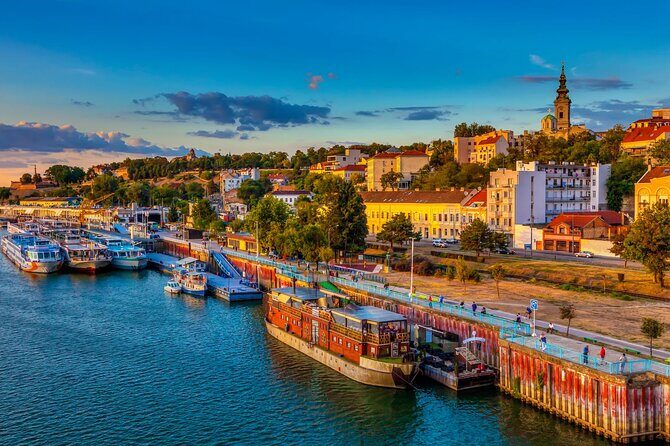
You pause in Zvornik along the Drina River for a lighter moment, then move to Belgrade. The tour focuses on Belgrade Fortress and Kalemegdan Park, built at the rivers’ confluence.
You’ll walk through Knez Mihailova toward Republic Square and see the Pobednik monument with its 1913 story. This is where the tour starts shifting from medieval and Ottoman eras into modern city identity.
Day 15: Sremski Karlovci baroque town and wine-cellar culture
You head to Sremski Karlovci, described as a museum-town feel with Baroque center and 18th-century culture. The highlight is a guided tour with time for wine tasting.
You’ll hear a local legend tied to the Four Lions fountain in the city center: drinking from it supposedly brings you back and even gets you married there. It’s a fun detail, and it gives the day a local-personality feel beyond calendar history.
Day 16: Novi Sad mix of Ottoman and Austro-Hungarian influences
Novi Sad is framed around its border history between former empires. You’ll notice Austro-Hungarian and Ottoman influences as you walk, with Baroque architecture in important buildings.
Petrovaradin Fortress is a key stop, described as the Gibraltar on the Danube, then you walk pedestrian streets in the old town and get free time to explore on your own.
This is a day where you can slow your pace a bit and just enjoy city walking.
Day 17: Subotica’s City Hall-centered town plan, then Budapest arrives
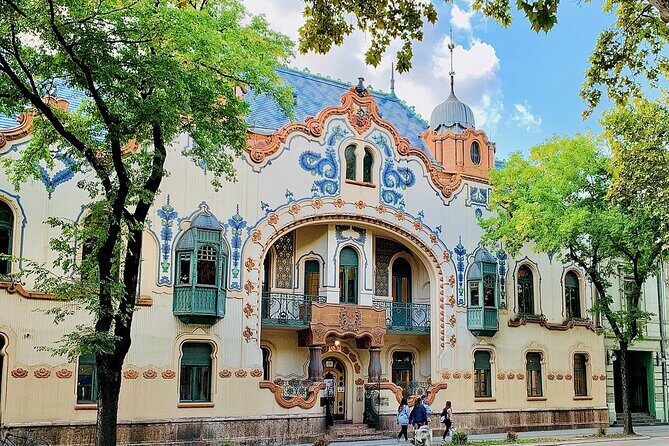
Subotica is known here for its decorated buildings, multicultural spirit, and the idea that the center isn’t dominated by a cathedral. Instead, the City Hall and surrounding park and fountains shape the square.
You then cross into Hungary and arrive in Budapest. It’s a travel-day handoff, but the structure works: you learn one city identity style, then get Big Budapest to close out the Central Europe half.
Day 18: Budapest highlights—Parliament area, Fisherman’s Bastion views, and Buda Castle
You explore Budapest’s neighborhoods and iconic sights: Saint Stephen’s Basilica, boulevards, and views from Fisherman’s Bastion. The tour also includes Buda Castle visit, a UNESCO World Heritage stop.
In the evening, you get free time to explore Budapest at night, which is ideal because Budapest is one of those cities where the streets and lighting do half the work for you.
Day 19: Győr’s baroque streets and Hungarian food stops
Győr is called the City of Rivers and you’ll see baroque architecture and a food focus. You’ll visit Győr Town Hall and its 59-meter tower, then stop for a view of the cathedral and Roman-style church roots.
You’ll also visit Győr Synagogue, with architecture noted as inspiration for other synagogues across Central Europe. The day ends with free time on a pedestrian-only street for cafes and tasting local specialties, including blueberry beer.
Day 20: Bratislava’s Old Town coffee culture and castle viewpoints
Bratislava comes with Danube-side charm. You’ll walk the medieval Old Town area, then visit Michael’s Gate and Bratislava Castle for a hilltop view over the city.
Later you return to the center with free time, including a specific suggestion to try coffee in traditional coffee shops. This is a lighter day in content compared to Sarajevo-level history, which helps before your final travel day.
Day 21: Vienna drop-off day
Your tour ends with Vienna, and your tour leader drops you at your hotel. This matters because it keeps the ending clean and lets you transition from guided days into your own Vienna pacing without stress.
Hotels, walking, and meals: how to travel comfortably on this itinerary
Accommodation is in 3-star hotels throughout, with breakfast included for all overnights. That means you can start each day fed and ready, and you don’t have to budget breakfast separately.
Lunches, dinners, drinks, and snacks are not included, so you’ll want a realistic daily spending plan. The good part is that the itinerary builds in food moments on several days, like Tirana byrek and the slow-food farm lunch time. Those are the days where you’ll feel like you ate with the places, not just in them.
Walking varies. Expect cobblestones in old towns, and plan for uneven terrain—especially on the Sarajevo portion. Wear shoes that you trust, not just shoes that look good in photos.
Who this tour fits best
This is a great match if you want:
- a first-time tour through the Balkans and Central Europe with a plan that makes connections between regions
- a history-and-UNESCO mix, but with real city walking and practical stops
- small-group pacing (max 10) and a tour leader who can handle logistics while you focus on experiencing
It’s also a strong honeymoon-style trip in spirit, based on what people highlight: hands-on guidance and helpful restaurant choices, plus personal storytelling about regional culture.
If you hate long days, frequent travel, or you want full control over your schedule every hour, you may find this pace tiring. But if you like structure and big sights handled for you, it’s built for that.
Should you book this Balkans & Central Europe tour from Athens to Vienna?
I’d book it if you want a big regional sweep without doing the heavy planning work yourself. The best reasons are simple: small group size, private transportation, many included entry tickets for major sites, and the Athens pickup plus Vienna hotel drop-off that makes the route feel effortless.
I’d think twice if you’re sensitive to travel days and don’t want to walk uneven old streets. Also, if you’re traveling solo, double-check the single-room supplement because it can change the value quickly.
If your ideal trip blends UNESCO highlights (Delphi, Meteora, Ohrid, Kotor, and more) with real town atmosphere and guided context across borders, this one makes sense.
FAQ
How many days is the tour, and what route does it cover?
The tour runs for about 21 days, starting in Athens, Greece, and ending in Vienna, Austria.
How big is the group?
The maximum group size is 10 travelers.
What is included in the price?
Accommodation and breakfast for all overnights, private transportation, a professional tour leader, hotel pickup in Athens and drop-off in Vienna, entry tickets for the sites marked as included, tourist taxes, and international car/road insurance and related travel costs.
Are meals besides breakfast included?
No. Lunches, dinners, drinks, and snacks are not included.
Are there hotel rooms for solo travelers?
Yes. Single room occupancy is possible with an extra charge of 45 Euros per night per person in a 3-star hotel.
When does the tour start each day?
The start time is listed as 9:00 am.


More Tours in Athens
More Tour Reviews in Athens
- All Day Cruise -3 Islands to Agistri,Moni, Aegina with lunch and drinks included
★ 5.0 · 4,958 reviews