REVIEW · SARONIC GULF ISLANDS
Traditional Greek Cooking Class and Organic Lunch on Poros
Book on Viator →Operated by Odyssey Activities · Bookable on Viator
Poros has a tasty way to slow you down. This small-group class at Odyssey Bistro is built around real cooking, using garden-to-table organic ingredients and classic dishes like tzatziki, spanakopita-style pastry, plaki, and bougatsa. What I like most is the family-owned bistro feel and the tight group size (max 10), so you actually get time at the counter and not just in the background.
One possible drawback: the experience can feel a bit lighter on hands-on cooking than you might expect, so it’s best if you’re happy learning techniques while still getting plenty to eat.
In This Review
- Key highlights to know before you go
- Odyssey Bistro on Poros: the setting and the vibe
- The 2.5-hour rhythm: what the timing really means
- Your menu in plain language: what you’ll cook and eat
- Tzatziki: the yogurt sauce lesson you’ll actually use later
- Spanakopita-style pastry and the savory pie payoff
- Plaki (fish, vegetarian, or meat): the tomato-forward comfort course
- Bougatsa: the dessert that feels like a warm hug
- The drinks: lemonade and a wine-inspired Greek-gods Nectar
- How much will you actually cook?
- Allergy needs and language support: how well this runs
- Value check: is $77.95 worth it?
- Who should book this Poros cooking class?
- Should you book this Odyssey Bistro cooking class?
- FAQ
- How long is the Traditional Greek Cooking Class and Organic Lunch on Poros?
- How many people are in the class?
- What’s included in the lunch?
- Is there an alcoholic drink included?
- Where do I meet for the class?
- What ticket format do I get?
- Does the class accommodate allergies?
- Is free cancellation available?
Key highlights to know before you go
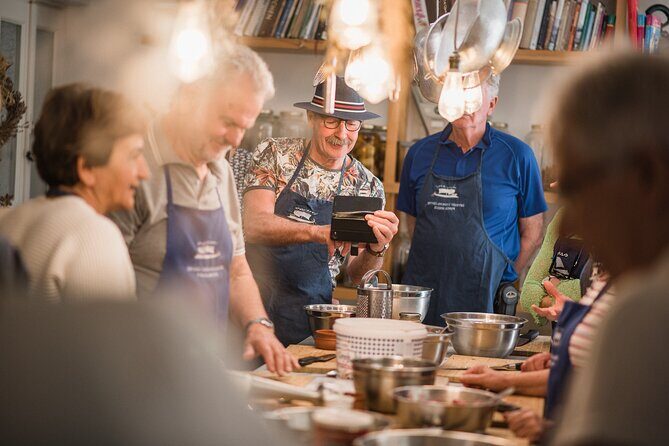
- Max 10 people means easier questions, more attention, and a calmer kitchen rhythm
- Organic, garden-to-table ingredients show up in the lunch you cook and eat right away
- 3-course Greek meal with tzatziki, Greek salad, beetroot salad, seasonal grilled vegetables, plaki, and bougatsa
- Greek-gods wine drink plus lemonade adds a fun Poros twist to the meal
- Family-led instruction (including chefs like Katerina, plus friendly staff) keeps the class relaxed and clear
- Allergy adjustments are possible when you need them, since the chef can modify the menu and certain dishes
Odyssey Bistro on Poros: the setting and the vibe
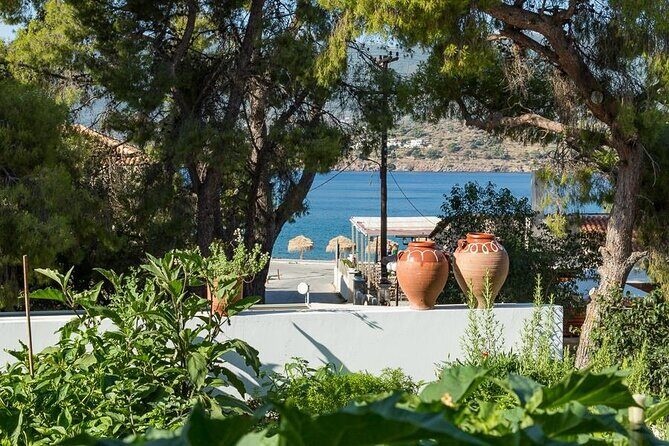
The whole point of this class is simple: you learn Greek comfort food in a real, family-run place on Poros, then you sit down and eat it. The cooking happens at Odyssey Bistro, at the start point on the main road in Poros, and it ends back there too. That makes timing easy. You’re not hopping around the island.
The vibe is laid-back in a way that matters. This isn’t a loud, rushed demo where you only watch and hope something sticks. With the group capped at 10, the kitchen energy stays friendly. In the classes like this, what usually makes or breaks it is attention: you want to be able to ask, correct, and taste as you go. Here, the small number helps you do that.
I also like that the restaurant is set up for this kind of work. One of the consistent themes is how clean and well-kept the kitchen is, and how welcoming the team feels. That matters if you’re a little nervous around cooking classes. You’ll feel more like a guest at a family meal than like you’re being graded.
You can also read our reviews of more tours and experiences in Saronic Gulf Islands.



The 2.5-hour rhythm: what the timing really means
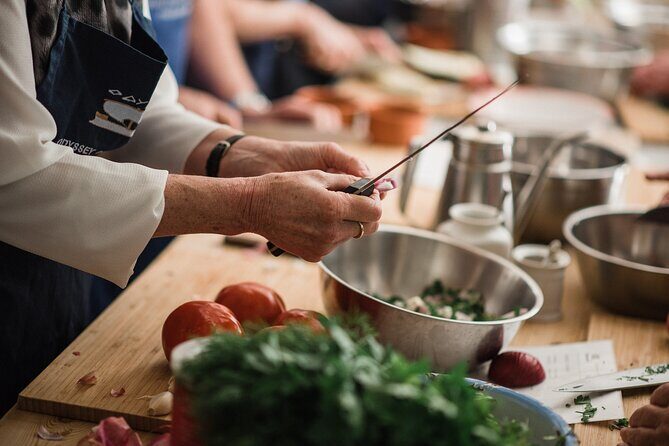
The class runs about 2 hours 30 minutes. On paper, that sounds like plenty of time to cook everything from scratch. In practice, it’s a shared pace: some tasks are led step-by-step, and some prep may be done in a way that keeps the class moving smoothly.
This is where that one drawback comes in. If you’re expecting to personally chop, mix, assemble, and finish every single dish with total control, you might find the hands-on portion lighter than you imagined. That doesn’t mean it’s short on eating or short on learning. It just means the teaching style is practical, and you’ll spend part of the time working alongside the chef rather than owning every minute.
So the best mindset for you is: come to learn technique, not to run the entire kitchen alone. Taste as you go. Ask about how each component should look and feel—especially with sauces and pastries where small details change the result.
Your menu in plain language: what you’ll cook and eat
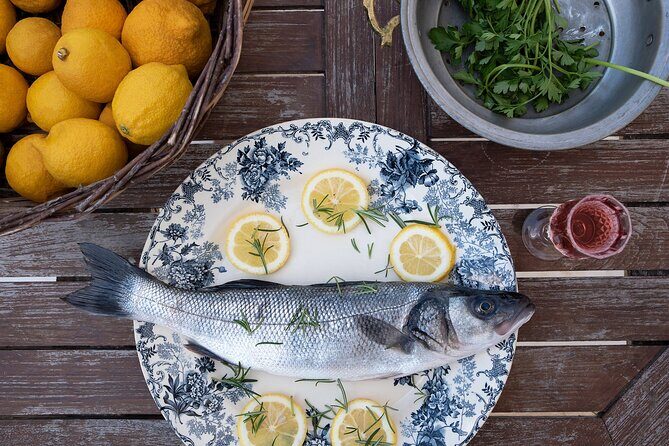
You’ll build a meal that feels like a proper Greek table, not a plate created just for tourists. The lunch includes:
- Tzatziki
- Greek salad
- Beetroot salad
- Seasonal grilled vegetables
- Plaki (fish, vegetarian, or meat—depending on what’s offered)
- Bougatsa (custard pastry dessert)
- Plus lemonade and an alcoholic drink made with local wine
That’s a lot of food for one sitting. And it’s balanced: creamy (tzatziki), fresh and crunchy (salads and grilled vegetables), savory and comforting (plaki), then sweet (bougatsa).
One smart thing about this setup is how it teaches the logic of Greek home cooking. Greek meals often rely on a few strong building blocks—herbs, yogurt, olive oil, wheat-based pastry, and slow, tomato-forward comfort. If you learn how these building blocks work together, you’ll be able to recreate the flavors later at home without needing a giant shopping list.
Tzatziki: the yogurt sauce lesson you’ll actually use later
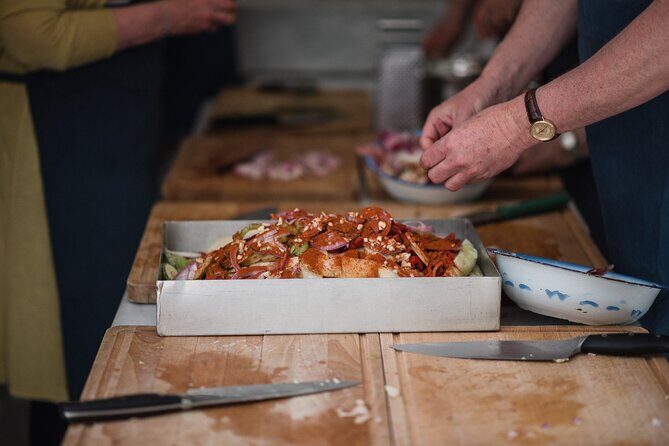
Let’s start with tzatziki, because it’s the Greek dish most people want to recreate later. The reason it works so well is the contrast: cool yogurt, tangy notes, and a punch of freshness. In a cooking class like this, you’re not only learning a recipe. You’re learning what to pay attention to.
You’ll focus on key texture details—like how the cucumber component should behave and how the overall mixture comes together. The goal isn’t just correct taste; it’s a sauce you can spread, dip, and serve without it turning watery.
What I’d tell you to watch for: how the chef approaches balancing flavors early rather than waiting until the end. In practical Greek cooking, small adjustments are part of the process. You’ll also learn how tzatziki fits into the meal. It’s not a side show. It’s one of the anchors for that whole table.
Spanakopita-style pastry and the savory pie payoff
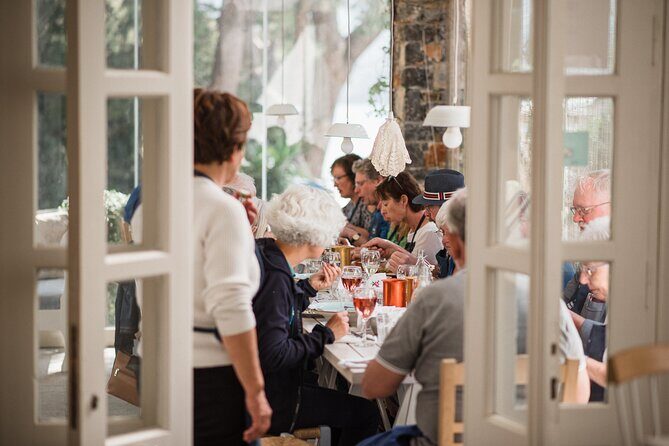
The class overview highlights traditional classics that include spanakopita pie. Even if your exact lunch plate is built from the included items, you can expect the teaching to connect to that wider menu idea: flaky, herb-forward Greek pastry and the comfort of baked fillings.
Why spanakopita belongs in the conversation is simple. It teaches you how Greek cooking handles flavor depth. Spinach isn’t just “spinach.” It becomes part of a larger set of flavors with herbs, seasoning, and structure from the pastry itself.
If you like food where technique shows up in the final bite, this part is worth paying attention to. Pastry is all about timing and handling. With a small group, you can usually get clearer instruction on how the pastry should look before it goes into the oven.


Plaki (fish, vegetarian, or meat): the tomato-forward comfort course
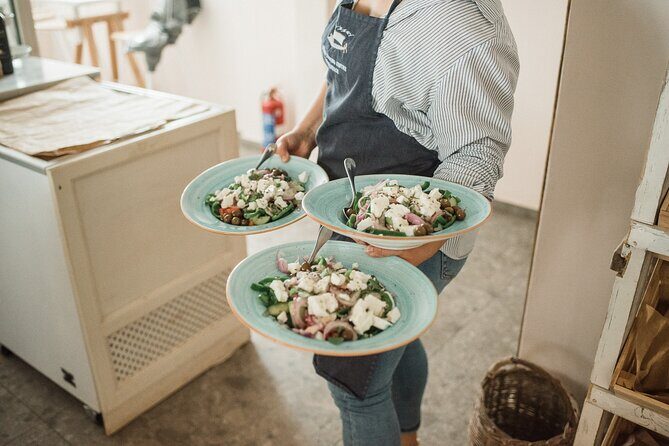
Plaki is where Greek home cooking turns into “I want this again tomorrow” food. The idea is tomato-based comfort with oven-baked reliability. You’ll learn to make plaki in a way that fits the menu offering—either fish, vegetarian, or meat.
Two things make plaki a great lesson for you:
- It’s forgiving enough to practice.
- It teaches you how to build sauce depth without turning it into a complicated project.
When tomato sauces are done well, they taste slow even when they’re quick. Plaki tends to hit that sweet spot. You’ll see how seasoning, baking time, and the balance of ingredients turns a simple base into something satisfying.
If you’re visiting Greece and you care about taking more home than photos, this is a strong pick. Plaki flavors are easier to recreate than the street-food chaos, and the method translates to what you’ll find in supermarkets back home.
Bougatsa: the dessert that feels like a warm hug
Bougatsa is the custard pastry that closes the deal. It’s not just sweet; it’s structured comfort. The class includes bougatsa as dessert, which is great because it means you’re not only learning savory skills. You’re getting a full Greek meal arc.
Custard pastries can feel intimidating if you’ve never made one, but the teaching focus here is on practical steps: how it should set, how it should be handled, and what the finished result should look like.
What you’ll love about bougatsa in a group class is the payoff. Everyone can share the same sweet moment at the end, and you’ll immediately know if the custard texture is right. That feedback loop is built into eating it together.
The drinks: lemonade and a wine-inspired Greek-gods Nectar
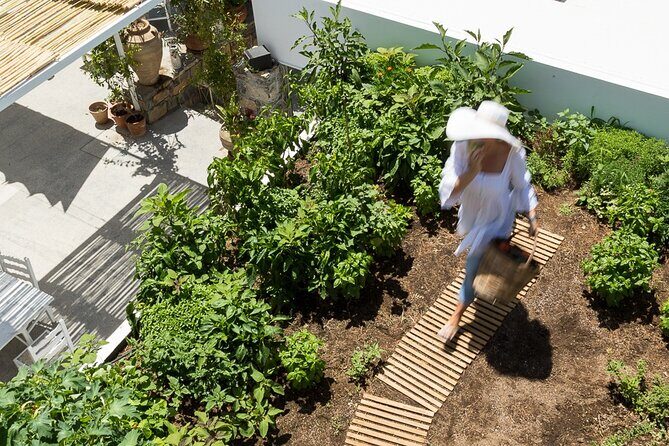
Food is the main event, but the drink program adds personality. You’ll start with Poros lemonade, and you’ll also get an alcoholic drink made with local wine inspired by the Greek gods, often referred to as a Nectar-style drink.
That detail matters because it turns the class into a Poros experience, not just a cooking lesson imported from elsewhere. It also pairs nicely with the menu. Lemonade cuts through the richness. Wine-based drinks tend to complement tomato flavors and baked savory dishes, then help finish with the sweet notes of dessert.
If you’re driving or prefer not to drink, you can simply stick with the non-alcoholic option. The class includes lemonade for a reason.
How much will you actually cook?
This is the question that keeps coming up with cooking classes, so I’ll be straight with you. This one is hands-on, but it’s not a full takeover of the kitchen. You’ll learn multiple dishes across a 3-course meal, and you’ll be part of the process, but some parts may be led by the chef or handled in a way that keeps timing on track.
That said, the small group size helps you stay involved. With a max of 10, it’s easier for the chef to guide you through technique without losing people to long waits. You’ll likely spend more time doing than watching, just not necessarily doing every single step alone.
If you want the highest chance of a very hands-on feel, go hungry, arrive on time, and come ready to ask questions about technique and texture. When you engage, the class becomes more than a meal. It becomes a set of cooking instructions you can repeat.
Allergy needs and language support: how well this runs
The class includes a local English-speaking guide/cook. That’s a big deal for you if you want to understand what you’re doing, not just copy steps blindly.
On top of that, the chef has shown the ability to accommodate allergies by adjusting the menu and certain dishes. That’s exactly what you want to hear if you’re traveling with dietary restrictions. Still, you should share needs clearly when you book so adjustments can be planned.
The atmosphere also helps. One of the strengths described is the patience of teachers like Katerina and the overall friendliness of the team. In a cooking class, a calm, supportive mood changes everything. You’re less likely to feel rushed, and you’re more likely to pick up the subtle technique details that make the difference.
Value check: is $77.95 worth it?
At $77.95 per person, this isn’t the cheapest thing on Poros. But it also isn’t a skimpy “light tasting.” You’re getting an organic, multi-course lunch you cook with guidance, plus drinks. The menu includes multiple salads and grilled vegetables, then plaki, then bougatsa. That’s a full meal, not snack-sized food.
Here’s how I think about value for you:
- You’re paying for instruction, not just ingredients.
- You’re paying for a small group, capped at 10.
- You’re paying for a complete lunch, including dessert and drinks.
If you like the idea of learning techniques you can repeat at home—tzatziki texture, tomato-based plaki comfort, and custard pastry structure—this price starts to look fair fast. If you only want to eat, you could probably find a meal for less. But if you want a memorable Poros cooking skill set, it’s a solid use of time.
Who should book this Poros cooking class?
This is a good match if you want a relaxed, family-led food experience with real teaching. It’s especially good for you if:
- You’re the kind of person who reads recipes and wants to understand the “why,” not just the “what”
- You want an authentic meal in Poros without jumping through a bunch of activities
- You like hands-on cooking and you also want to sit down and enjoy the results quickly
- You have dietary needs and want a chef who can adjust dishes when possible
It may be less ideal if:
- You expect a highly individual “cook everything yourself” experience
- You want a long, sightseeing-heavy day with lots of walking and separate stops
- You’re very sensitive to timing and prefer a strict, self-paced schedule
Should you book this Odyssey Bistro cooking class?
If your goal is a tasty souvenir you can recreate, I’d book it. The mix of organic ingredients, a 3-course lunch, and a small group limit is a strong recipe for a satisfying afternoon. Plus, the Poros lemonade and the Greek-gods wine drink make it feel like it belongs on the island.
Just go in with the right expectations about hands-on time. Think guided cooking and technique practice, not a solo kitchen takeover. If that sounds like your style, this is an excellent way to spend a couple hours on Poros—eating well, learning real dishes, and leaving with flavors you can bring home.
FAQ
How long is the Traditional Greek Cooking Class and Organic Lunch on Poros?
It lasts about 2 hours 30 minutes.
How many people are in the class?
The group is capped at a maximum of 10 travelers.
What’s included in the lunch?
Lunch includes tzatziki, Greek salad, beetroot salad, seasonal grilled vegetables, plaki (fish/vegetarian/meat), bougatsa dessert, plus lemonade and an alcoholic drink.
Is there an alcoholic drink included?
Yes. An alcoholic drink made with local wine is included, along with lemonade.
Where do I meet for the class?
You meet at Odyssey Bistro, located at ΑΣΚΕΛΙ ΠΟΡΟΣ, Λεωφόρος ολυμπιονίκου Δημήτριου, Μούγιου 180 20, Greece.
What ticket format do I get?
It’s a mobile ticket.
Does the class accommodate allergies?
The chef can accommodate allergies by adjusting both the menu and certain dishes.
Is free cancellation available?
Yes. You can cancel up to 24 hours in advance for a full refund. If you cancel less than 24 hours before the start time, the amount paid is not refunded.