Two days, two worlds.
This trip strings together Delphi and Meteora with one overnight stop in Kalambaka, so you can see the big-time sights without rushing back and forth from Athens. You get a guided look at Delphi’s oracle-era ruins, then you follow the road up into central Greece for the jaw-dropping UNESCO monasteries built on sandstone pillars.
I especially like the Kalambaka overnight, because it gives you real time to absorb the places instead of hopping on and off the bus every hour. I also like how the guide brings the history to life while you’re traveling, and some days include an audio setup where you can hear commentary clearly even in crowded spots, like the earbud system one guide used.
The main drawback is time: you’re scheduled for a 1.5-hour visit at Delphi, so if you want a slow walk through every corner (stadium, museum details, long photo stops), you’ll feel a little rushed.
In This Review
- Key takeaways before you go
- Delphi and Meteora as a 2-day plan from Athens
- Temple of Apollo and Delphi archaeological site: what to plan for
- The long road to Kalambaka: Lamia, Trikala, and real travel time
- Kalambaka overnight: hotel class, dinner reality, and money details
- Meteora monasteries: dress code, steps, and the two-monastery strategy
- Dress code checklist (don’t skip this)
- Entrance fee reality
- Thermopylae and Leonidas: a quick history stop on the way home
- Price and value: what $265.49 includes and what doesn’t
- Comfort and pacing: group size, buses, and bathroom breaks
- Who should book this tour (and who should think twice)
- Should you book the Delphi and Meteora 2-day tour?
- FAQ
- What time does the tour start and when do I get back to Athens?
- Is hotel pick-up included?
- Do I get a mobile ticket?
- What entrance fees do I need to pay myself?
- What should I wear for Meteora monasteries?
- Is transportation comfortable and does the bus have Wi-Fi?
Key takeaways before you go
- Delphi’s Temple of Apollo and oracle-era ruins are the core stop, with a tight but focused visit window
- Two rock-top Byzantine monasteries at Meteora with major views and a UNESCO setting that feels surreal
- Hotel in Kalambaka plus breakfast and dinner makes this more than a day trip
- A/C coach with free Wi-Fi helps on long driving days, and guides keep the day moving
- Dress code matters at Meteora (long sleeves for women, no shorts for men) and you’ll want good walking shoes
- Meteora entrance has an extra fee (and you’ll pay it yourself on the day)
Delphi and Meteora as a 2-day plan from Athens
If your Athens days are already packed, this is a smart way to add two of Greece’s most famous sites without doing the logistics yourself. Delphi gives you that oracle-and-ritual feeling, with mountainside ruins that were once the center of the classical Greek world. Meteora gives you something completely different: monastery communities perched above the plain on rock columns, accessed by stairways and routes that were difficult for centuries.
The value here is that the trip doesn’t treat Delphi and Meteora like two random photo stops. It builds a full day of travel and context on both routes, then backs it up with an overnight base in Kalambaka. That’s what makes the pacing feel manageable, even with plenty of driving.
You can also read our reviews of more tours and experiences in Athens
Temple of Apollo and Delphi archaeological site: what to plan for
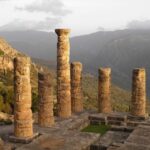
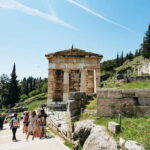
Delphi is usually where people start thinking in big-time Greek history terms. This tour’s Delphi visit is built around the Temple of Apollo, plus the broader archaeological area that includes a theater and other oracle-linked ruins. You arrive around noon, then you get about 90 minutes on site.
Here’s how to use that time well:
- Start with the viewpoints and main temple area first, so your photos are done before your legs start arguing.
- Expect some walking on uneven ground. One practical tip from past experiences: the “gravel” footing in parts of Delphi isn’t great for flimsy shoes.
- If you care about every detail, be strategic. With limited time, you may not see everything the site offers at a leisurely pace.
A useful nuance: the Delphi archaeological site and Delphi museum entries are included, but the museum guidance inside is not. In plain terms, you can visit the museum using your included ticket during the free time you have, but don’t expect a guided museum walkthrough as part of the plan.
If you’re the type who wants to linger with captions and compare columns, Delphi may feel like it’s speeding by. If you’re more of a highlights-and-photos person who loves a good guide-led route, the timeframe can work great.
The long road to Kalambaka: Lamia, Trikala, and real travel time
Day 1 isn’t just ruins. It’s also the drive through central Greece, and that’s part of the experience. After lunch on your own, you head through areas like Lamia and Trikala with short stops, then you cross the Thessalian Plain toward Kalambaka.
Two things to know so the bus day doesn’t catch you off guard:
- This route can involve windy roads and step hills. If you’re prone to motion sickness, plan for it. Many people take travel medicine like Dramamine on days like this because the ride can be bumpy.
- You’ll want to have your essentials ready before you settle in: water, a snack you can tolerate, and anything you need for comfort during long stretches.
Not everything is about comfort, though. Those road segments do a nice job of setting the stage for Meteora. You go from the ancient stone world of Delphi to the everyday towns and valleys of central Greece, and then you finally see Kalambaka’s setting at the base of the rock formations.
Kalambaka overnight: hotel class, dinner reality, and money details
Overnighting in Kalambaka is the smart move. It prevents the classic mistake of doing Delphi in the morning and rushing to Meteora without any real recovery time. After your Delphi visit, you continue to Kalambaka, with a short stop for souvenir shopping, then check in and unwind.
What you can count on:
- Breakfast and dinner are included
- You stay in a centrally located 3- or 4-star hotel (hotel options vary by the package you choose)
- The tour includes hotel pick-up and drop-off from selected Athens hotels earlier in the process
What to watch for in the budget:
- There is an accommodation tax you pay to the hotel. The cost is based on the hotel class, and the amounts can vary (one detail you’ll want to confirm with your voucher or the hotel on arrival).
- Because meals like dinner can be buffet-style, your expectations should be “good enough for a travel day,” not “award-winning dining.” Some people were very happy with the food; others found it plain. That’s common on large tour schedules.
Hotel tip that’s worth taking seriously: if you’re picky about beds and room basics, the 4-star option has a better chance of feeling comfortable for a short stay. If you choose the 3-star option, you may get a simpler room and fewer amenities, and dinner may not be a highlight.
Meteora monasteries: dress code, steps, and the two-monastery strategy
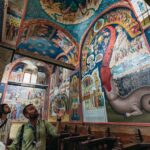
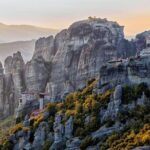
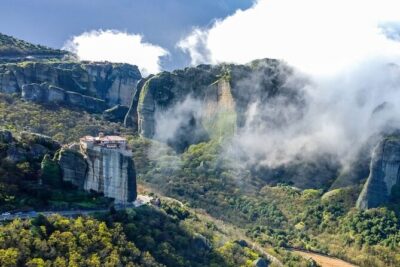
Meteora is the big moment. Even with modern roads and thousands of visitors, the place still feels otherworldly because the monastery settings look nearly impossible from ground level. This tour targets two different Byzantine rock-top monasteries, which is a nice balance: you get variety without spending the entire day hopping between many sites.
You’ll also get some of the best payoff from the time you spend walking. The monastery routes include steep stairways and inclines, and your photo opportunities depend on timing and crowd levels. Plan to move at a steady pace, and don’t treat every step as a sprint.
- All Day Cruise -3 Islands to Agistri,Moni, Aegina with lunch and drinks included
★ 5.0 · 4,958 reviews

Dress code checklist (don’t skip this)
To enter the monasteries, the rules are clear:
- Women should not wear short skirts and should have long sleeves
- Men are not allowed to wear shorts
In real life, this means you should pack a light long-sleeve layer or wear one you already brought. If you forget, you might find options for loan coverings depending on the day, but don’t count on it.
Entrance fee reality
The monasteries have an entrance fee on the day (listed as €10 per person). Even though the trip schedule includes admission for the Meteora stop, you should be ready to pay the stated monastery entry fee when required.
Thermopylae and Leonidas: a quick history stop on the way home
On Day 2, the tour turns back toward Athens in the late afternoon. Along the way you get a short optional stop at an icon workshop that makes Byzantine-style icons, where you can browse and see how the craft works.
Then comes Thermopylae: you stop for photos at the Leonidas monument tied to the legendary stand of the Spartans. It’s brief, but it’s a nice way to close the loop between ancient Greece you saw at Delphi and the warrior story people associate with this area.
By the time you’re back in Athens, the return time is around 6:30 pm. After a day of steps at Meteora plus driving, that timing works well for dinner plans afterward.
Price and value: what $265.49 includes and what doesn’t
Let’s talk value in plain terms. At $265.49 per person, you’re paying for a lot more than “bus to ruins.”
Included highlights:
- Luxury air-conditioned bus with free Wi-Fi
- Professional licensed guide
- Hotel pick-up and drop-off in Athens from selected centrally located hotels
- Round-trip transport for the full two days
- Entry tickets for the Delphi archaeological site and Delphi museum
- Breakfast and dinner plus hotel accommodation in Kalambaka
Not included highlights:
- Lunches and drinks (you pay these on your own)
- Meteora monastery entrance (listed as €10 per person)
- Accommodation tax paid directly to the hotel (amount depends on hotel class, and it can change)
The biggest value lever is that the price bakes in the overnight stay. If you try to DIY this with public transport, you often end up spending almost as much on lodging and transfers, plus you’re managing schedules and transfers yourself. Here, the guide handles the timing so you can focus on seeing.
Comfort and pacing: group size, buses, and bathroom breaks
This is a group tour with a maximum of 42 travelers, but the group size can be smaller depending on season. In quieter periods, the tour can feel more relaxed because you spread out more on the coach and at viewpoints.
Still, plan for the reality of tour pacing:
- There is a lot of bus time. The comfort helps, but it’s still sitting.
- Rest stops happen, and bathroom lines can get long depending on how many tour buses are sharing the same stop.
- Delphi is scheduled for a shorter visit, so you have to accept “highlights first” if you want to stay on time.
One practical note that comes up often: the itinerary can make you want to buy bottled water, because water may not be provided. Bring your own if you like control.
Who should book this tour (and who should think twice)
This tour fits best if you:
- Want a straightforward way to do Delphi + Meteora without building a transport plan
- Like guided context and want the “why” behind the sites, not just photos
- Are okay with a day that includes driving time and stair climbing
It’s less ideal if you:
- Need a slow, unhurried museum-style day at Delphi
- Struggle with steep steps and inclines. Meteora monasteries involve real climbing, and you’ll want supportive shoes
- Are very sensitive to car motion. The roads can be windy, and you may want to prepare with travel medicine
Should you book the Delphi and Meteora 2-day tour?
I think you should book this tour if your goal is simple: see two iconic Greek destinations from Athens in a way that doesn’t eat your whole vacation planning time. The overnight in Kalambaka, the included Delphi museum and archaeological site entry, and the A/C coach with Wi-Fi make it feel like a solid package.
I’d hesitate if you’re the kind of person who needs long blocks at Delphi for the museum and stadium details. This tour prioritizes Meteora’s rock-top experience and keeps Delphi focused and timed.
If you decide to go, pack for the monastery rules, bring good shoes, and plan to move fast for a few hours at Delphi. Do that, and you’ll end up with exactly what this tour is built for: a memorable mix of oracle-era ruins and monasteries hanging in the sky.
FAQ
What time does the tour start and when do I get back to Athens?
The start time is 8:15 am. The approximate return time to Athens is 6:30 pm.
Is hotel pick-up included?
Yes, hotel pick-up and drop-off are included from selected centrally located hotels in Athens. You’ll get details by email about the pickup location and time. If you’re not picked up, you’ll meet at Athanasiou Diakou 26, Athina 117 43, Greece.
Do I get a mobile ticket?
Yes. The tour uses a mobile ticket.
What entrance fees do I need to pay myself?
Meteora monastery entrance is listed as €10 per person. The hotel also charges an accommodation tax paid directly to the hotel. Lunches and drinks are not included.
What should I wear for Meteora monasteries?
Women should not wear short skirts and should have long sleeves. Men are not allowed to wear shorts.
Is transportation comfortable and does the bus have Wi-Fi?
Transport is by luxury air-conditioned bus, and it includes free Wi-Fi.

More 2-Day Experiences in Athens

More Tours in Athens


More Tour Reviews in Athens
- All Day Cruise -3 Islands to Agistri,Moni, Aegina with lunch and drinks included
★ 5.0 · 4,958 reviews