REVIEW · ATHENS
9-Day Ultimate Greek Experience: Peloponnese, Delphi, Zagori, Meteora, Vergina
Book on Viator →Operated by EUDAIMONIA Private Tours · Bookable on Viator
This route through Greece feels personal. You’ll move from ancient icons to cliff monasteries and stone mountain villages, with enough time in each place to actually enjoy the evening. The big difference is that it’s private and flexible, so the day isn’t only about ticking boxes.
Two things I like a lot are the included breakfast and lunches (so you’re not hunting food all day) and the relaxed, confident driving style people like Theo are known for. When I’m on a tight multi-day route, that combination matters. One possible drawback: it’s a full-on road trip across several regions, and entrance fees for many sites are not included, so budget for tickets.
In This Review
- Key points that make this tour work
- Price and value: where the money goes on this 9-day route
- How the drive connects the Peloponnese, Epirus, Zagori, and Meteora
- Day 1: Corinth Canal to Epidaurus theater acoustics in one day
- Day 2: cliff monasteries and Monemvasia’s sea-rock castle town
- Day 3: Mani’s wild coast, Diros boat caves, and Mystra above Sparta
- Day 4: Olympia ruins and the messiness of ancient wonders (in a good way)
- Day 5: rack railway to Delphi museum, with the Rio–Antirrio crossing
- Day 6: Ioannina’s lake-city feel, Ali Pasha’s castle lanes, and silversmith craft
- Day 7: Zagorohoria villages, rock pools, and Stone Forest stone shapes
- Day 8: Metsovo coffee, Vergina’s royal tomb museum, then Meteora time
- Day 9: Great Meteoron and Varlaam monasteries, Thermopylae, then back toward Athens
- Who should book this “Ultimate Greece” road trip
- Should you book? My honest take
- FAQ
- What time does the tour start?
- Where does the tour end in Athens?
- Is hotel pickup and drop-off included?
- What meals are included during the trip?
- Do entrance fees to archaeological sites and museums come with the tour?
- Is a professional licensed guide included?
- Is this tour private?
- What is the cancellation policy for a full refund?
Key points that make this tour work
- Private and flexible: you’re traveling as your group only, with hotel pickup and drop-off.
- Meals built in: breakfasts and lunches are included, which saves time and helps you keep a steady pace.
- A smart mix of Greece: major ancient stops plus real regional villages in the mountains.
- Boutique-style stays: top quality accommodation is part of the promise, not an afterthought.
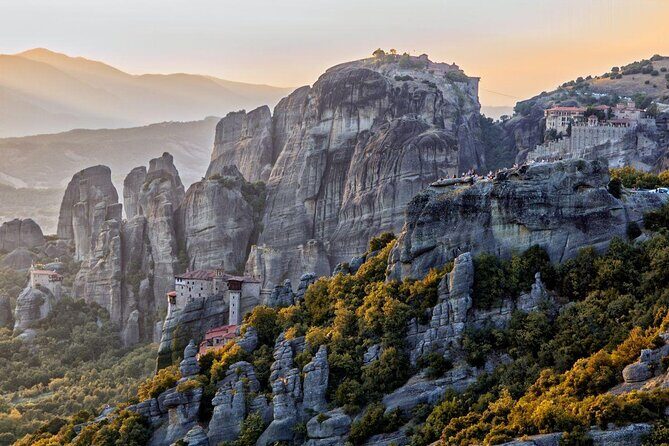
- Big-ticket finale: Meteora monasteries plus Vergina’s Royal Tombs, then Thermopylae.
Price and value: where the money goes on this 9-day route
At $6,466.93 per person for an approx. 9-day experience, this isn’t a budget tour. It’s priced like the kind of trip where you want (1) smooth logistics and (2) comfortable hotels after long drive days.
Here’s what you’re getting that helps justify the cost. You have new 2021–2023 vehicles, hotel pickup/drop-off, bottled water in the car, and an information booklet for the stops. Most importantly, you’re also getting top quality accommodation with breakfast, plus lunch on all days (9 lunches total). For a route spanning the Peloponnese, Delphi, Epirus, Zagori, and Meteora, that’s real value because meals and driving time can eat up a trip fast.
What you should plan for: entrance fees. The tour notes that dinners and personal expenses aren’t included, and many archaeological sites and museums charge tickets. Some stops are free, but plenty are not, so don’t assume you’ll have a low total ticket cost at the end.
You can also read our reviews of more tours and experiences in Athens.


How the drive connects the Peloponnese, Epirus, Zagori, and Meteora
This tour is designed like a chain: each region changes the scenery and the pace just enough to keep your interest. You start in the Peloponnese with the mix of Corinth, Mycenae, Nafplio, Epidaurus, and Monemvasia. Then you shift north and west into southern mountain Greece for Mani, Mystra, Olympia/Messene, and Dimitsana options. After that, the trip turns into Epirus and Zagori country around Ioannina.
Finally, you end in central Greece with the Meteora monasteries and wrap with Thermopylae before returning toward Athens.
The payoff for you is variety without chaos. Instead of jumping on and off public transport, you’re in a vehicle the whole time and only stepping out when it makes sense. For many people, that’s the difference between a trip that feels like a marathon and one that feels like a story you can actually follow.
Day 1: Corinth Canal to Epidaurus theater acoustics in one day
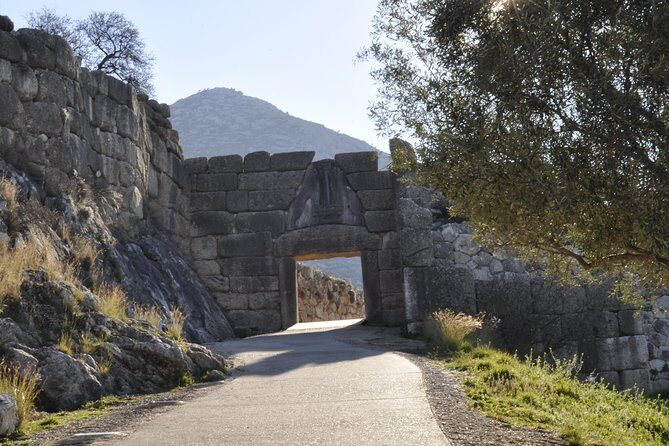
Day one gives you a strong “Greece greatest hits” opening without feeling too rushed. You start at the Corinth Canal, the narrow waterway that separates the Peloponnese from the mainland like a natural divider. It’s quick, but it sets the stage for the rest of the road trip.
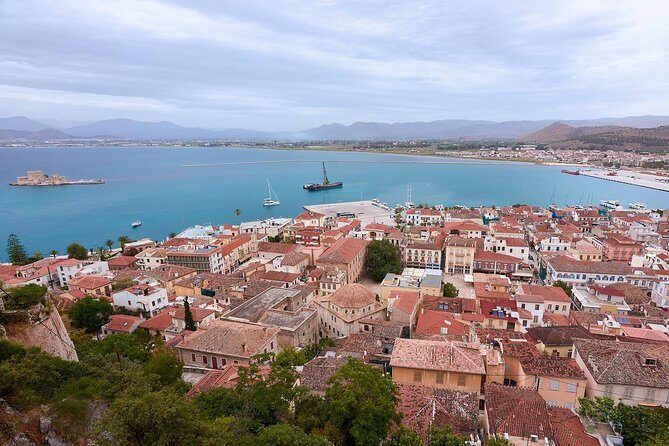
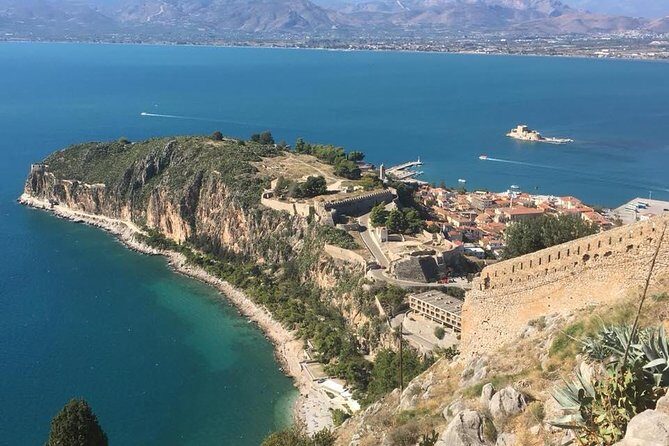
From there you go to Mycenae, closely tied to King Agamemnon and the Mycenean civilization. Then you head to Nafplio, one of the most attractive towns in the Argolis area—small enough to stroll, scenic enough to make you slow down.
After Nafplio, the options shape the day:
- Palamidi Castle is there if you want the full experience, including the famous walk down the 999 steps into the old town.
- Ancient Theatre of Epidaurus is the history stop you don’t want to rush. The big draw is its reputation for acoustics, plus the feeling of how ancient performance space was designed to carry sound.
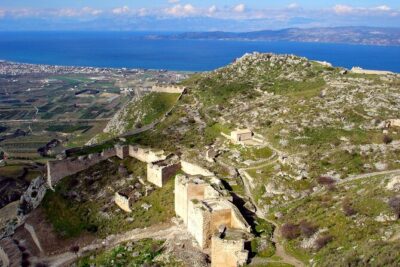
You also have an optional stop at Ancient Corinth (Archaia Korinthos). It’s shorter, but it adds another layer—this isn’t just a Roman or classical site. It’s a much deeper timeline, going back to the Neolithic period.
Practical note: since many of these are optional, you can often choose what fits your energy level. The tradeoff is that options can shift your timing, so if you care about a specific museum or a long evening walk, tell your driver early.
Day 2: cliff monasteries and Monemvasia’s sea-rock castle town
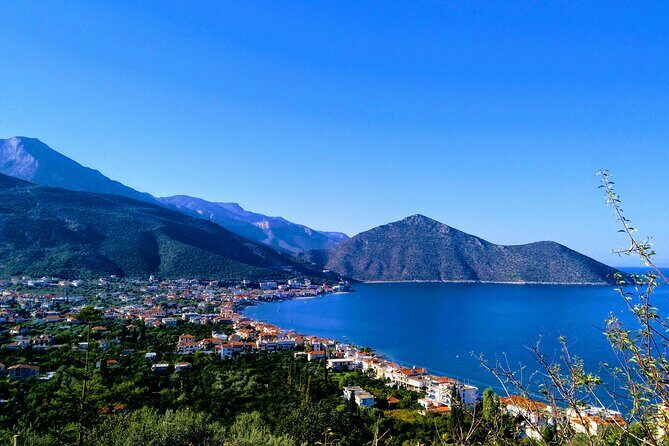
Day two is built for scenery and slower moments. You start around Tyros with coffee by the ocean, then climb the mountain range of Parnon. That climb is part of the point: you get the coast, then the higher views that change the whole color of the trip.
The Monastery of Panagia Elona is the kind of stop you remember. It’s described as cliff-hanging, and even a short visit feels like a dramatic change from the sea towns.
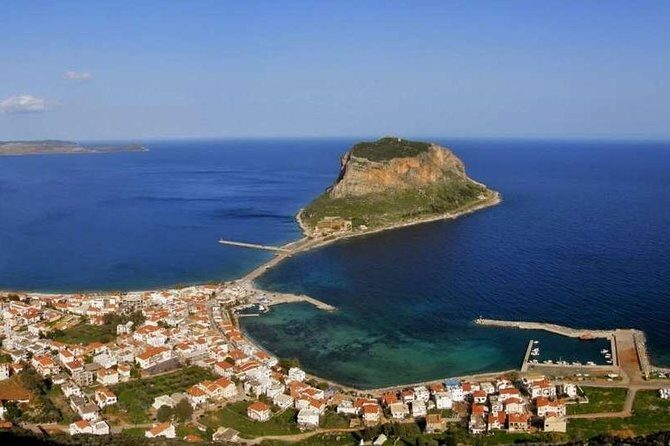
Then you head toward Monemvasia, after a coastal drive and coffee/lunch time in mountain villages. Monemvasia is famous for its castle town carved on the back side of a sea rock in medieval times. You don’t just visit it—you experience a place that looks like it was built to keep watch over the water.
One consideration: Monemvasia is a long stay day. That’s great if you want time to wander without pressure, but it means your day is more centered on one big place. If you want maximum site variety every day, you’ll still get it overall—Monemvasia just absorbs your attention more than some smaller stops.
Day 3: Mani’s wild coast, Diros boat caves, and Mystra above Sparta
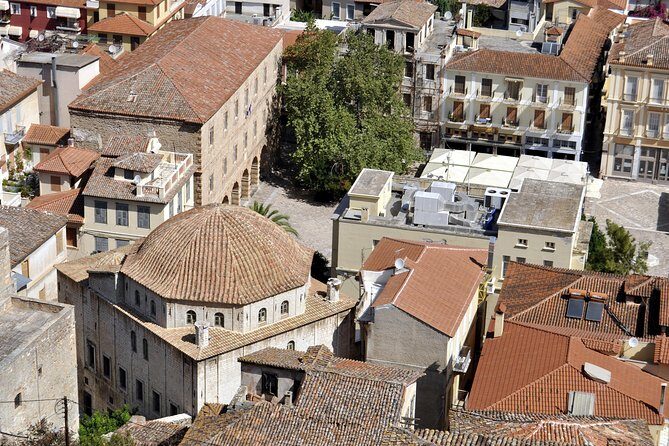
Day three turns wild and atmospheric. The Mani Peninsula is described as one of the most wild and beautiful areas of Greece, and the vibe matches: rugged scenery, stone towns, and a sense of history tied to survival.
Then you get the sensory adventure: Caves of Diros, visited from an expertly guided boat. This is one of those stops where the logistics are the experience—lighting and rock formations make it feel like time is moving differently underground. It’s also an activity where you’ll appreciate staying with an organized guide rather than winging it.
After that, you can stroll through Areopoli, a typical stone-built town where pirates were reportedly a constant threat. That framing adds meaning to the architecture. Then you climb back into history with Mystra, the Byzantine castletown known for views over Sparta and the Lakonic olive groves.
The drawback to keep in mind: Mystra can mean steep walks and lots of steps, and you’re already stacking days of driving and exploring. I’d treat it as a “choose comfortable shoes and keep your pace steady” kind of day.
- All Day Cruise -3 Islands to Agistri,Moni, Aegina with lunch and drinks included
★ 5.0 · 4,958 reviews



Day 4: Olympia ruins and the messiness of ancient wonders (in a good way)
Day four anchors you at Olympia, the ancient sanctuary associated with the original Olympic Games, founded in the 8th century BC. You’ll see ruins tied to athletic training areas, a stadium, and temples dedicated to Hera and Zeus.
Olympia is big. The feeling you want is not rushing through it but letting the scale land. This is also one of the moments where having breakfast already taken care of helps. The tour plan describes starting with a great breakfast in one of the best hotels of the trip.
You also have options that affect how you spend your time:
- Messene is a serious alternative/add-on. It’s described as one of the most important cities of antiquity, with imposing fortifications and a strong preservation level.
- Dimitsana appears as an option connected to Arcadia mountain villages, including the possibility of overnight time there halfway through the tour.
If you love archaeology, you’ll enjoy having those options rather than being forced into one route. If you’re the type who gets overwhelmed by choices mid-trip, you’ll likely want to pick one plan early so you don’t spend decision energy later.
Day 5: rack railway to Delphi museum, with the Rio–Antirrio crossing
Day five has a clever rhythm: cave, lunch, train, then bridge, then museum. That mix keeps you from feeling like it’s only “sit in bus, look at rocks, repeat.”
First is the Kastria Cave of the Lakes. It’s described as having unique galleries and strange stalactite formations, and it’s pitched as something you won’t find in other well-known caves. This is the kind of stop that works well with a guided visit because the experience is mostly about how you move through the space.
Then you ride the Odontotos Rack Railway from Diakopto to Kalavrita. The tour describes it as about 120 years old, climbing through bridges and tunnels. It also notes a key idea: the way it was built didn’t strain the ecosystem of the gorge, and the use of local stone and wood made the train feel like it belonged.
After that you cross the Rio–Antirrio Bridge, one of the world’s longest multi-span cable-stayed bridges. It’s a quick crossing, but it’s visually powerful because it connects the Peloponnese to the mainland by road.
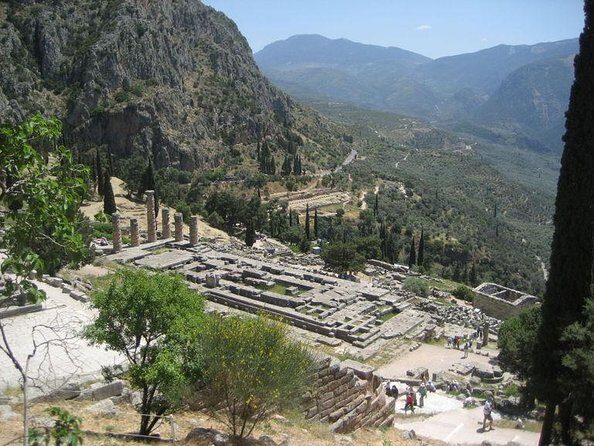
You finish with the Delphi Archaeological Museum, which is a strong move because museums help you understand what you’ll see out in the landscape later. The plan calls out specific pieces like the Charioteer and the Sphinx of the Naxians, plus architectural sculptures and donated statues and minor objects linked to the Delphic sanctuary.
Day 6: Ioannina’s lake-city feel, Ali Pasha’s castle lanes, and silversmith craft
Day six is a long transit day into northwestern Greece, but it doesn’t feel like a dead day. You’re moving toward Ioannina, described as the jewel of North/Western Greece with an elegant feel and a lake at the center of it all.
You stop in Ioannina Castle and get the Ali Pasha context, plus narrow streets and the lake backdrop. Even a shorter walk here makes the city feel layered.
Then you get a practical culture stop: the Silversmithing Museum. It focuses on pre-industrial silversmithing technology and the region’s history, with ornate objects like jewelry and arms, plus household silverware and personal effects. If you like seeing craft rather than only monuments, this is a smart break.
The day ends with Lake Pamvotis and its island Pamvotida, where you can spend a sunny afternoon or drive to viewpoints for the city-lake-mountain view.
Consideration: since this is a lake town day, weather changes how much you’ll enjoy the outdoors. If you’re the type who hates waiting around, you may want to ask your driver for the most time-efficient viewpoint spots.
Day 7: Zagorohoria villages, rock pools, and Stone Forest stone shapes
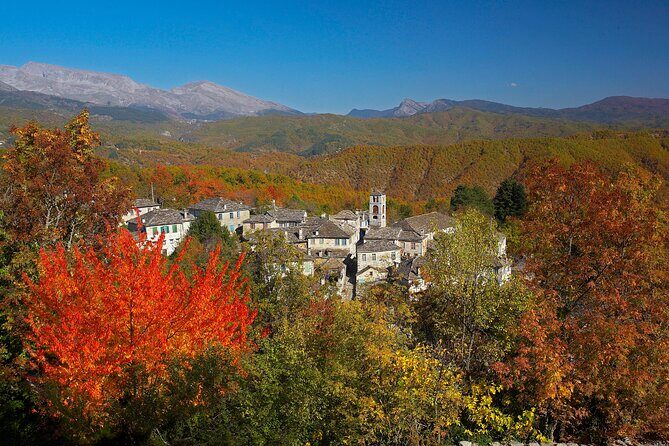
Day seven is the one that feels most like traveling through a postcard you can walk into. Zagorohoria is about villages built into dramatic cliffs and river gorges, and the drive in is part of the experience.
You’ll base yourself around Aristi, Megalo Papigo, and Mikro Papigo, with Astraka cliff views and time near the Voidomatis river banks. The plan also includes a visit to Kolymbithres (Papingo Rock Pools), a short hop from Papigo. The rock pools come from water carving a canyon cut by the river Rogovo, and some pools are deep enough that diving is possible—so keep in mind this is an activity stop, not just a photo stop.
Then you explore Monodendri, described as a traditional settlement at altitude 1,060 meters with stone houses and cobble roads. You can also visit the Rizario Centre of Handicrafts, which ties the village to embroidery and weaving.
The highlight stop for many people is the Stone Forest, where limestone is chiseled by nature into tree-like stone formations, with views back toward Vikos Gorge.
You also have optional additions like stone bridges in East Zagorochoria (including Kokkorou) and a look at Dilofo, described as one of the 46 villages of Zagorochoria.
Practical advice: this is the day to wear shoes you trust on uneven ground. Even short walks add up, and stone villages don’t always come with perfectly flat paths.
Day 8: Metsovo coffee, Vergina’s royal tomb museum, then Meteora time
Day eight is a satisfying transition day. Metsovo is your mountain break between Ioannina and Meteora. The town is described as tree-shaded and lively, centered around a square, and known for its cheeses. Even if you only stop for coffee, you get a sense of mountain town life rather than only ruins.
Then comes the big archaeology moment: the Museum of the Royal Tombs of Aigai (Vergina). The museum is built around the Great Tumulus and the royal tombs of Macedonia. You’ll see finds from the tomb of King Philip II, Alexander the Great’s father, and the tour frames the discovery as the greatest discovery of the 20th century.
After Vergina, you drive on to Meteora. Time permitting, you may get a first visit in the late afternoon, then a deeper morning exploration the next day. That’s a smart scheduling choice because it lets you see Meteora in different light and gives you a calmer start.
Day 9: Great Meteoron and Varlaam monasteries, Thermopylae, then back toward Athens
Your Meteora morning is the main event. You visit monasteries that are open on the specific day of travel, including:
- Holy Monastery of the Great Meteoron – Transfiguration of the Saviour, described as the oldest, biggest, and most important among the preserved monasteries.
- Varlaam Monastery, tied to a daring ascetic named Varlaam who ascended to the rock in 1350.
- Monastery of the Holy Trinity at Meteora, noted as the most photographed monastery, with a build timeframe given between 1458 and 1476.
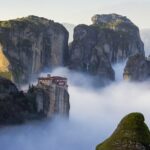
Meteora is dramatic because the monasteries aren’t just on a hill. They’re on massive rock formations. The experience works best when you slow down and let the scale sink in, even if your schedule is busy.
Then you shift from monastic cliffs to ancient warfare at the Battlefield of Thermopylae, with the King Leonidas statue. The plan focuses on the Battle of Thermopylae fought in 480 BC over three days between Greek city-states led by Leonidas and the Persian Empire of Xerxes I.
The tour returns you to Athens around 5 pm, with a stop at Syntagma Square. You can optionally be dropped off at your cruise ship or even the airport.
There’s also an optional add-on for people who can spare extra time: Pelion. It’s described as a lush, mountainous peninsula with streams and rivers, orchards, and a climb of 1,500 meters over a few kilometers, plus the idea of a balcony view to the Aegean Sea. If Meteora leaves you craving more mountain scenery, Pelion is the kind of extension that makes sense.
Who should book this “Ultimate Greece” road trip
This tour fits you if you want:
- A private, driver-led experience with hotel pickup and drop-off.
- The ability to make choices between optional stops without wasting time planning on your own.
- A route that balances iconic sites (Olympia, Delphi’s museum, Epidaurus, Meteora) with regional places like Monemvasia, Mani, Ioannina, and Zagorohoria.
It’s also a good match for couples celebrating something special. One theme from past travelers is that the trip can be tailored in a personal way, with responsive communication before departure and a calm, flexible driving approach during the days.
If you’re the type who hates long drives, this might feel like too much. But if you treat the road as part of the experience—watching scenery change from coast to cliffs to mountain villages—you’ll probably love it.
Should you book? My honest take
I’d book it if you want mainland Greece that feels planned, not improvised. The combination of private logistics, high-quality accommodation, and daily breakfast/lunch coverage is what makes the whole thing smoother than DIY travel. Add in the fact that you’re covering Peloponnese, Delphi, Zagori, Meteora, and Vergina in one coherent sweep, and you get a lot of variety without the stress of constant re-planning.
I’d hesitate only if entrance fees, site tickets, and a pace of nonstop movement are things you’d rather avoid. If that’s you, consider trimming optional stops or extending your trip by a day so you can breathe between the big moments.
FAQ
What time does the tour start?
The experience start time is 8:00 am.
Where does the tour end in Athens?
You are expected to be back in Athens around 5 pm, with a stop at Syntagma Square. You can also be optionally dropped off at your cruise ship or the airport.
Is hotel pickup and drop-off included?
Yes. The tour includes hotel pickup and drop-off.
What meals are included during the trip?
Breakfast is included for 8 mornings and lunch is included for 9 days. Dinners and personal expenses are not included.
Do entrance fees to archaeological sites and museums come with the tour?
No. Entrance fees to all sites are not included, and dinners are not included either. Some specific stops are marked as admission ticket free, but many others are not.
Is a professional licensed guide included?
A professional/licensed guide is optional, not included.
Is this tour private?
Yes. It is a private tour/activity, and only your group participates.
What is the cancellation policy for a full refund?
You can cancel up to 6 days in advance of the experience for a full refund. The policy specifies that for a full refund, you must cancel at least 6 full days before the experience’s start time.
More Tour Reviews in Athens
- All Day Cruise -3 Islands to Agistri,Moni, Aegina with lunch and drinks included
★ 5.0 · 4,958 reviews