REVIEW · PELOPONNESE
Ancient Olympia: Archaeological Site and Museum Entry Ticket
Book on GetYourGuide →Operated by Key Tours · Bookable on GetYourGuide
Ancient Olympia is quieter than you expect. This pre-booked ticket lets you move through one of the world’s most important sports sanctuaries without wrestling the ticket lines. I especially love the way the ruins let you get close to Temple of Zeus and Temple of Hera, not just stare from far away. And the pairing of the site with two museums makes the whole story click, from excavated finds to how the games worked. One thing to consider: the Archaeological Museum entry needs a specific time slot, and you must stick to it (or within 15 minutes).
The good news is that once you’re through, it’s a self-paced day. I like that the experience is largely self-guided with an English audio setup, so you can linger when something grabs you. The main downside is that clear directions aren’t guaranteed once you arrive, so I’d come with a plan and be ready to use the on-site signage.
In This Review
- Key points before you go
- Why Ancient Olympia still hits hard
- Ticket value: what you pay for (and what you don’t)
- Museum vs site timing: don’t let the time slot trip you up
- Entering the UNESCO ruins: Zeus, Hera, and that “you’re here” feeling
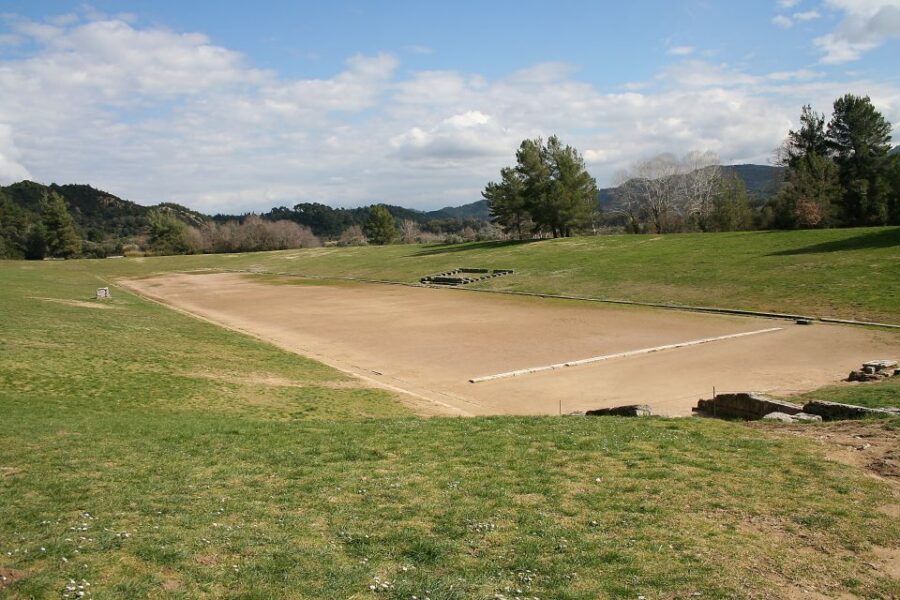
- Stadium, hippodrome, and training spaces where the games took shape
- Archaeological Museum of Ancient Olympia: prehistoric finds and sacred precinct context
- Olympic Games Museum: turning artifacts into how the games worked
- Self-guided audio without the frustration
- Practical tips for a hot, walk-heavy day at Olympia
- Who should book this Ancient Olympia ticket
- Should you book this pre-booked Ancient Olympia entry?
- FAQ
- What’s included with the ticket?
- Do I need to book a time slot?
- How close can I arrive to my museum time slot?
- Can I change my travel date or time slot?
- Is the ticket refundable?
- Are earphones or a physical audio device included?
- Is this suitable for wheelchair users?
- Is there a reduced admission option?
- Are tickets free for young visitors?
- What happens if I arrive late to the Archaeological Museum?
Key points before you go
- Skip ticket-office waiting: pre-booked entry helps you get straight in, which matters in hot seasons.
- UNESCO-level ruins up close: you’re walking among the remains of Zeus and Hera, plus training-area spaces.
- Two museum layers: archaeological objects from the sacred precinct and then the broader story of the Olympics.
- Time-slot discipline for the Archaeological Museum: arrive for your chosen entry window.
- Self-guided audio is useful, but not always perfectly ordered: bring a simple map mindset.
- Plan for heat and walking: water, sun protection, and comfortable shoes pay off fast.
Why Ancient Olympia still hits hard
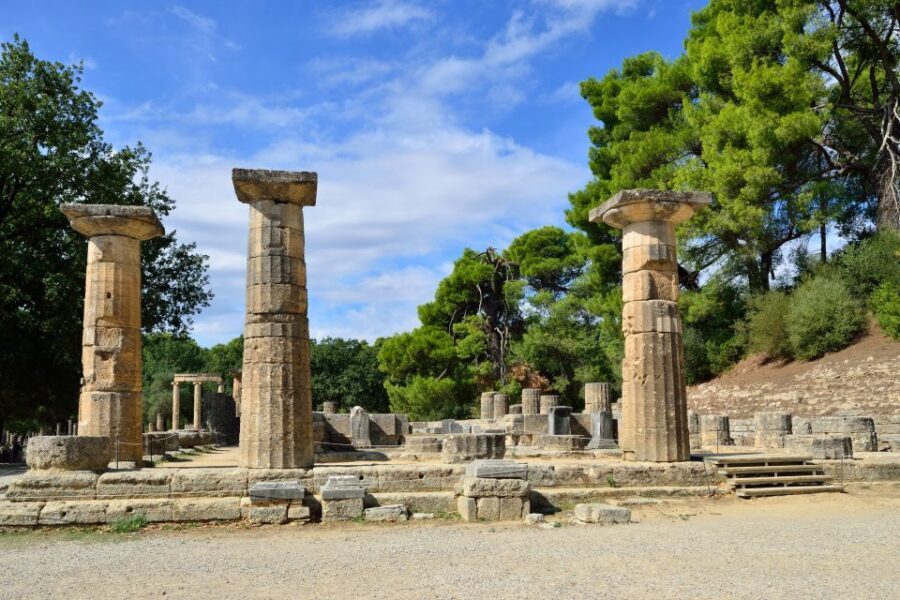
Ancient Olympia feels big in a very physical way. It’s not just a set of ruins behind ropes. You’re in the same kind of sacred precinct where people came, competed, and watched—so the scale lands differently than it does at many “ancient sites.”
I also love that this place gives you more than one kind of moment. You’ll get the wow factor when you see the temple remains and the stadium/training areas. Then you’ll get the brainy factor when you’re in the museum(s) and can connect what you’re seeing outside to objects pulled from the ground.
And since the ticket covers both the archaeology side and the Olympic-games side, you don’t need a guide to understand why these stones matter. You can just follow the site and let the museums do the heavy storytelling.
You can also read our reviews of more tours and experiences in Peloponnese.

Ticket value: what you pay for (and what you don’t)
At about $30 per person for a 1-day entry, this can be good value if your goal is efficiency. The big reason: you’re pre-booking entry so you’re not stuck in the worst parts of waiting in peak season.
Here’s what you’re actually getting:
- Archaeological site entry on your selected date (anytime that day).
- Archaeological Museum of Ancient Olympia entry on your selected date and time slot.
- Olympic Games Museum entry anytime on your selected date.
- English self-guided audio for the Olympic Games Museum.
- Optional English self-guided audio for the Archaeological site (only if you selected that option).
What you’re not getting: a live guide, physical audio device, or earphones. So if you want to hear the audio comfortably, bring your own earbuds. If you want a more interpretive experience, you may find yourself leaning on the audio and museum labels.
Also note the ticket is described as a regular adult-price ticket for people of all ages, with specific free-admission rules for certain age groups (EU under 25; non-EU under 18) from April 1, 2025. You’ll need ID at the ticket booth for those cases.
Museum vs site timing: don’t let the time slot trip you up
This is the one part you should treat like a checkpoint. The Archaeological Museum requires a specific day and time. Entry is permitted at your chosen slot, plus or minus 15 minutes. If you miss it, that’s on you—plan your day so the museum window is protected.
The archaeology site and the Museum of the History of the Olympic Games are more flexible: you can enter anytime on your selected date for those. That flexibility is great because you can pace your ruins visit first, then make the museum time feel manageable.
My practical advice: arrive early enough that you won’t feel rushed when you’re making your way to the Archaeological Museum. One review noted the museum may have a time-related expectation, and when the queue looked big, they made the choice to adjust rather than force it. You’ll avoid that kind of stress by building in buffer.
Entering the UNESCO ruins: Zeus, Hera, and that “you’re here” feeling
Once you’re inside the archaeological site, you’re basically walking through the sacred heart of ancient Olympia. The ticket is focused on the core highlights, and it really shows.
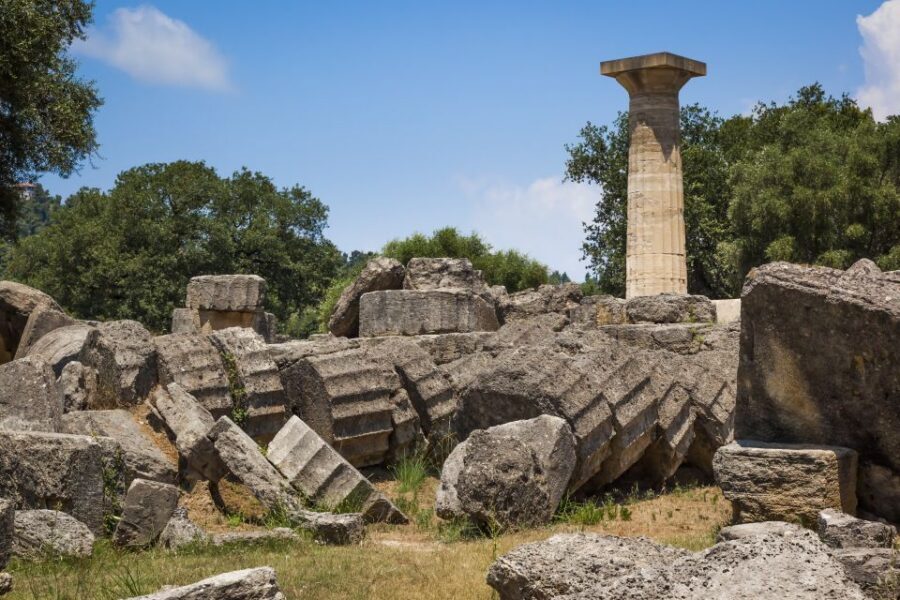
Temple of Zeus is the first big impression. It’s described as the largest temple in the Peloponnese and often cited as a strong example of Doric architecture. Even when parts are missing, the proportions still read as monumental. Stand still for a moment and you’ll start to see why it would have dominated the precinct.
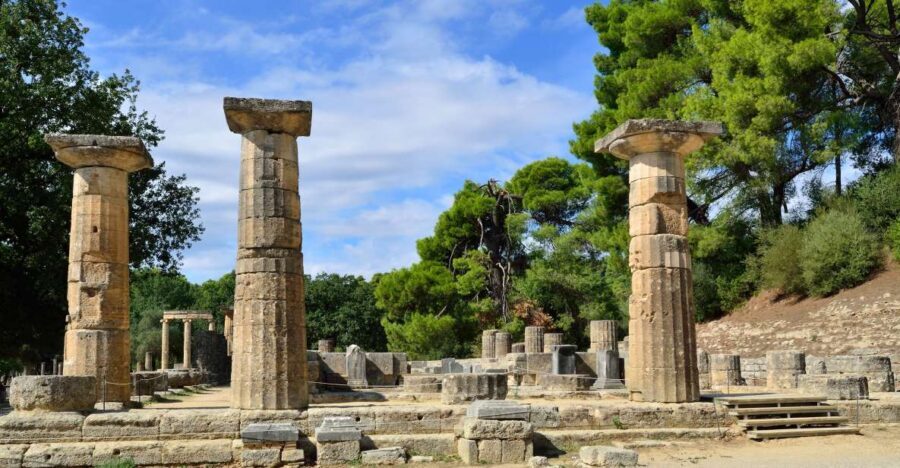
Then comes Temple of Hera, one of the oldest monumental temples in Greece. This is where I love slowing down a touch. The remains help you picture how people moved through the sanctuary and why certain areas would have carried heavy symbolism.
A useful way to enjoy this part: alternate between looking at architectural details and stepping back to take in the layout. Reviews repeatedly praised the chance to see the monuments closely and appreciate the quiet setting. You’ll get more out of it if you give yourself those short “reset” moments instead of sprinting from one photo angle to the next.
Stadium, hippodrome, and training spaces where the games took shape
Olympia isn’t only temples. The ticket also points you to the athletic infrastructure—spaces tied to how athletes trained and competed.
You’ll have time to explore the stadium, the hippodrome, and training facilities like the wrestling school and gymnasium. Even if you’re not a lifelong sports fan, it helps to remember that the ancient Olympics were a full system: practice, competition, and prestige all connected.
This is also where the “scale + quiet” effect can really land. One review described the setting as quiet and noted it felt close enough to see the monuments and temples with clarity. The athletics areas can feel less dramatic than a temple façade, but that’s often the point—you’re seeing the working parts of a major event.
If you care about sports history, this part will feel extra satisfying. One visitor who’s a former gymnast loved the bucket-list angle of the Olympic birthplace, but also admitted the excitement depends on your interest in sports broadly. If you’re lukewarm on athletics, lean into the training spaces as a way to understand how ancient culture treated bodies, discipline, and fame.





Archaeological Museum of Ancient Olympia: prehistoric finds and sacred precinct context
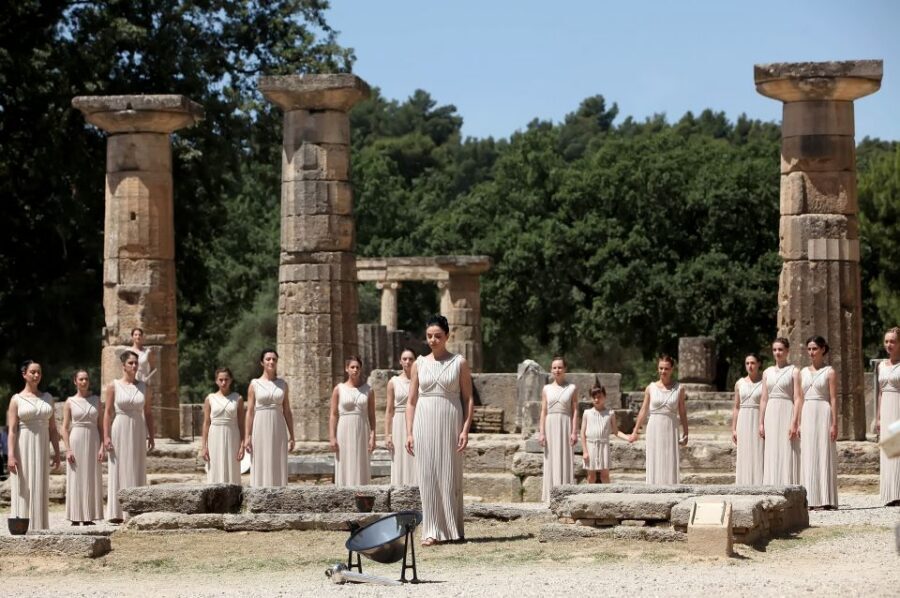
The Archaeological Museum is where Olympia stops being just an impressive place and starts becoming a readable story.
The museum houses key archaeological finds connected to the sanctuary—especially objects from excavations in the sacred precinct known as the Altis. That matters because it links the ruins you’re seeing outside to the actual materials that archaeologists uncovered.
I like this museum for a simple reason: it gives your eyes a reference point. Without it, ruins can feel like “cool stones.” With it, they become evidence—things people made, used, honored, and left behind.
One review highlighted how cool the museum was, while another praised it for covering something like 2,800 years of history. The big takeaway for you: don’t rush this section. Even if you only read the essentials, the object-focused approach helps you interpret what you’re walking among.
Timing-wise, this is also your slot-driven stop. So pick a museum time that matches your energy level and heat tolerance. If you’re visiting in peak sun, earlier often feels smarter, because walking the site in the afternoon can be brutal.
Olympic Games Museum: turning artifacts into how the games worked
After the archaeological layer, the Museum of the History of the Olympic Games adds the “how it all worked” piece. The ticket includes admission here anytime on your selected date, plus an English self-guided audio tour with all options.
This is the part that helps you connect the dots between:
- what the sanctuary looked like,
- what people practiced,
- and why the games became such a lasting symbol.
If you’re curious about rules, traditions, or the broader arc of the Olympics, this museum tends to pay off. Even if you just want a strong overview, the audio format can keep you moving without feeling locked to a group schedule.
One small caution: a review mentioned that the audio tour stops felt out of order, requiring extra map navigation. That doesn’t mean the audio is bad, but it does mean you should be okay with a little DIY navigation. I’d grab a site map when you can and plan to follow the physical signage if anything feels confusing.
Self-guided audio without the frustration
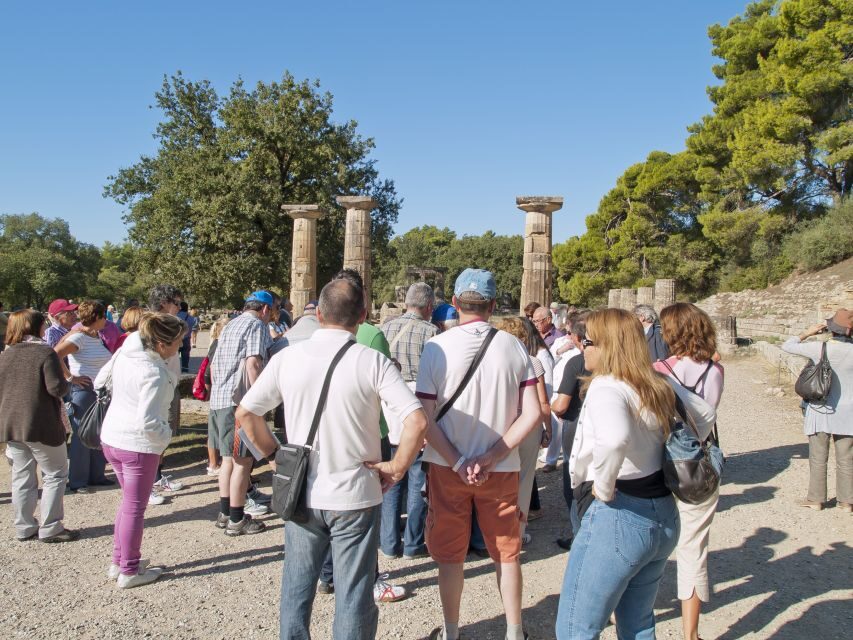
This ticket is designed for self-paced discovery. That’s great—until you hit the reality of audio that may not perfectly match what you see in your exact walking order.
My approach: use the audio as a guide, not a rigid route. If the stops don’t line up neatly, follow the map and the on-site signs. At least one review pointed out that the audio stop order could feel random, so plan for flexibility.
Also remember: the audio guide language is English, but you won’t get a physical audio device or earphones. Bring earbuds you already trust. If you rely on your phone for audio, make sure you have enough battery and that you’re okay with limited reception depending on where you are.
If you selected the Archaeological site audio option, you’ll also get a self-guided audio route for that part (only if that option was selected). If you didn’t, you’ll still be fine—labels and your own eyes can carry you—but the experience will feel more “wander and look” than “wander and learn-by-audio.”
Practical tips for a hot, walk-heavy day at Olympia
Olympia is famous for its heat in summer, and it’s not subtle. One visitor specifically recommended bringing water, an umbrella, and even a facecloth you can wet to cool your neck. That advice is worth treating like a checklist.
Here’s what I’d do before you go:
- Wear shoes that handle uneven ancient stone and museum floors.
- Bring water, because you’ll be walking between temples and museum buildings.
- Add sun protection—hat, sunscreen, and either an umbrella or a light layer you can re-wet.
- Start early if crowds are a concern. One review advised being there at opening time to avoid huge crowds.
Navigation is the other practical factor. Another review said directions to the museum and site could have been clearer. So, I suggest you arrive with your key stops in mind and expect to use on-site signage.
Finally, give yourself time to pause. It’s tempting to keep moving for photos, but Olympia rewards stillness. If you take two or three short pauses—especially near the temple remains—you’ll understand the scale far better.
Who should book this Ancient Olympia ticket
This ticket makes the most sense if you want:
- a self-guided experience (no live guide pacing you),
- both the ruins and museums in one structured day,
- and a smoother entry process than relying on queues at the ticket office.
I think it’s a strong fit for history lovers who like facts and objects, not just scenery. The Archaeological Museum and the Olympic Games Museum together help you build a timeline feeling. It’s also a good choice for sports fans—especially if the Olympics story is the reason you’re here.
If you’re not a big sports person, you can still enjoy it, but you may need to lean on the architecture and excavation context. One review noted that excitement for the archaeological remains may be lower if you aren’t into sports in general. To keep it fun, focus on the buildings, construction style, and the museum artifacts.
Families can work well with self-guided audio too, because you can stop when kids need a break. One review with two children said the place was super easy to learn from and that it worked nicely as a family day—though they also mentioned optional rentals like VR headsets, which aren’t part of this ticket.
Should you book this pre-booked Ancient Olympia entry?
Yes, if you care about saving time and you want a flexible, self-paced day that still covers the essentials. The pre-booked entry is the biggest practical win, especially when heat and lines are part of the equation. The combination of UNESCO ruins + two museums is also strong value for a single day.
Book it if:
- you want the Temple of Zeus and Temple of Hera experience with time to wander,
- you like learning through museums rather than relying on a live guide,
- and you’re comfortable managing your own route using audio and signage.
Maybe skip or reconsider if:
- you hate time-slot constraints, since the Archaeological Museum needs a specific entry window,
- you’re expecting a guided narration throughout (this is mostly self-led),
- or you don’t want to bring your own earphones for the included audio.
In short: for most people, this is the right kind of ticket—structured enough to protect your key entries, flexible enough to let you enjoy the ruins at your own pace.
FAQ
What’s included with the ticket?
You get admission to the Archaeological Museum of Ancient Olympia for your selected date and time slot, admission to the archaeological site anytime on the selected date, admission to the Olympic Games Museum anytime on the selected date, and an English self-guided audio tour for the Olympic Games Museum. A self-guided audio tour of the archaeological site is included only if you selected that option.
Do I need to book a time slot?
Yes for the Archaeological Museum of Ancient Olympia entry. The archaeological site and the Museum of the History of the Olympic Games can be entered anytime on your selected date.
How close can I arrive to my museum time slot?
Entrance is permitted only at the selected time slot or 15 minutes before or after.
Can I change my travel date or time slot?
No. The travel date and/or entry time slot cannot be amended.
Is the ticket refundable?
No. The activity is non-refundable.
Are earphones or a physical audio device included?
No. Physical audio device or earphones are not included.
Is this suitable for wheelchair users?
Yes. The experience is wheelchair accessible.
Is there a reduced admission option?
No reduced admission option is included.
Are tickets free for young visitors?
From April 1, 2025, EU citizens under 25 and non-EU citizens under 18 receive free admission with ID at the ticket booth (and people with disabilities receive free admission with a Disability Certificate).
What happens if I arrive late to the Archaeological Museum?
Entry is permitted only during your selected time slot or within 15 minutes before or after, so arriving outside that window may cause you to miss your slot.
You Might Also Enjoy
 Ancient Athens Corinth Biblical Tour Following Paul 51.A.D
 Katakolon 7hour tour : Olympia-Honey Farm-Winery-Beach
 Private Walking Tour: Ancient Agora, Plaka and Monastiraki monuments
 6 Day Religious & Classical Tour of Thermopylae, Meteora, Delphi, Olympia, Mycenae, Nafplio, Epidaurus, ancient Corinth From Athens