REVIEW · PELOPONNESE
Beekeeper for a Day close to Nafplio
Book on Viator →Operated by Landlife Travel · Bookable on Viator
Bees have a serious job. This close-to-Nafplio tour turns that reality into a hands-on, 2-hour lesson at a traditional Greek beekeeping unit, with hive viewing, honey production basics, and a guided tasting at the end. I like that it’s not just a talk. You actually see the colony in action and get an up-close explanation of how the hive works.
What I like most is the hands-on hive inspection with a real beekeeper, plus the fact that the tasting is built in. You’ll get to sample several honeys and traditional honey sweets made with Greek honey, so you leave with something tasty in mind for dinner back in town. It’s also capped at 15 people, so you’re not stuck watching from the back.
One thing to consider: it’s not recommended if you’re allergic to bees, and kids under 9 aren’t a good fit for this kind of close-up activity. Also, you’ll want closed shoes and long cotton pants because you’ll be suiting up and moving around the farm.
In This Review
- Key highlights you’ll feel right away
- From Nafplio to a working hive: why this outing is worth 2 hours
- A quick note on the “where do I meet?” part
- Meeting your beekeeper and getting the tour in plain words
- What to ask right away
- Hive inspection: the hands-on part most people remember
- The “queen orders, workers follow” moment
- Pollen to honey: the simple version that actually helps
- The countryside honey production unit: what you’re really learning
- Why the short duration works
- Honey tasting and Greek honey sweets: the reward that makes it stick
- How to taste like you mean it
- What to wear, who it suits, and who should skip it
- Not recommended for
- Who this fits best
- Price and value: what $46.30 covers and why it feels fair
- The smooth way to plan your day around it
- Should you book Beekeeper for a Day near Nafplio?
- FAQ
- How long is Beekeeper for a Day close to Nafplio?
- What’s included in the experience?
- Do I get picked up from Nafplio?
- Where does the experience start and end?
- What should I wear?
- Is the tour suitable for kids?
- Can I cancel for a full refund?
Key highlights you’ll feel right away
- Suiting up in protective gear so you can get close without guessing
- Seeing a queen bee and learning how workers follow her
- Watching honey production explained simply from pollen to stored honey
- Greek honey tasting plus honey sweets made on site
- Small group size (max 15) for a better look and more questions
From Nafplio to a working hive: why this outing is worth 2 hours
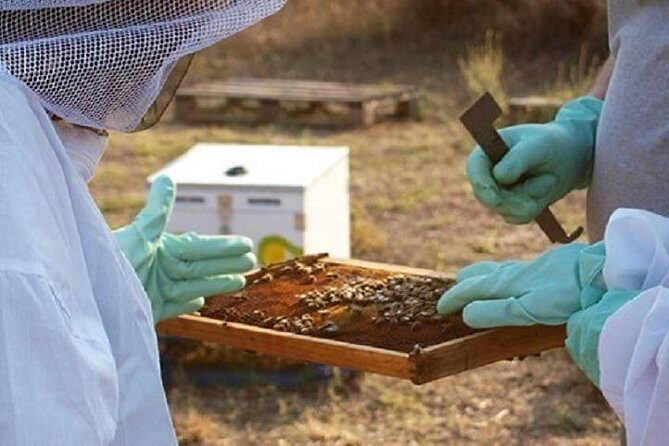
If you only have a short window and you still want something memorable, this is a strong pick. The whole experience is designed around bees as living neighbors, not museum labels. In about two hours, you go from curiosity to real understanding of how a colony runs.
You start near Nafplio and head to a traditional setup in the countryside. That matters because honey and bees are tied to local plants and seasonal cycles. Even if you’re not a “nature person,” the honey-making logic makes sense fast once you can see the hive and the beekeeper’s methods in context.
The tour also keeps things friendly. It’s family-friendly in tone, and the guide is an expert English-speaking beekeeper. You’ll be able to ask basic questions and still get clear answers without feeling like you need a science degree.
You can also read our reviews of more tours and experiences in Peloponnese.


A quick note on the “where do I meet?” part
Depending on your pickup option, you’ll either be picked up from Nafplio or meet directly at a small traditional beekeeping unit just outside town. The official starting point listed is AXION ESTI – Organic Apiculture-Museum of Beekeeping Art in Argos, so I’d treat that as your reference point if you want to confirm details ahead of time. In any case, the key is to have your confirmation message ready so you know which meet location applies to your day.
Meeting your beekeeper and getting the tour in plain words
The first real moment is the welcome at the beekeeping unit area, where you meet the local English-speaking beekeeper. On this tour, that person is Aria, and she’s part of what makes the start feel personal rather than scripted.
This opening briefing is where you get the rules of the hive in human terms. You’ll learn what to expect when you’re close to frames and what you’re about to see. That’s one reason this tour feels calmer than some “look at the animals” experiences. You understand the purpose, not just the spectacle.
Then you gear up. You’ll put on a beekeeper uniform so you can participate in the hands-on portion with confidence. If you’ve ever wondered how people safely inspect hives, this is where the answer starts: it’s part equipment, part technique, and part knowing what bees react to.
What to ask right away
If you want the most value, ask one question early, before you suit up. For example, ask how the beekeeper knows when a hive inspection is needed or what the colony is doing at that time. Since you’re also seeing the queen bee and learning pollen collection, a quick question on those topics will help you connect the visuals to the explanation.
Hive inspection: the hands-on part most people remember
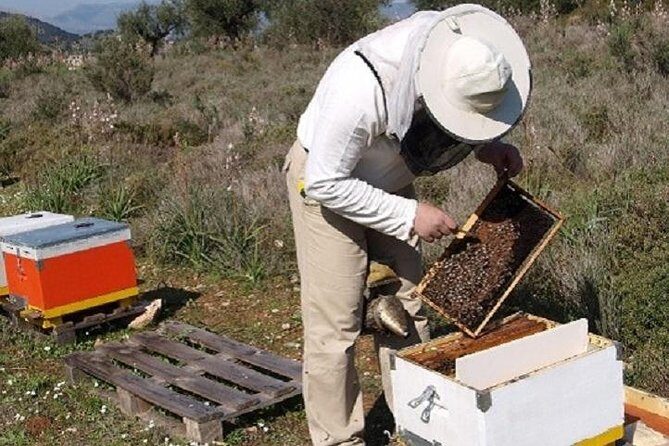
After the briefing, you join a seasoned beekeeper for a hands-on experience. The core activity is learning hive inspection basics and seeing how beekeeping works up close. You’re not just standing there while someone points. You’re in the workflow of the visit, understanding what matters and why.
The guide walks you through what you’re looking at, and you learn how beekeeper technique helps you view the colony without turning it into chaos. That is exactly what you want on a short tour. You get the learning, but you also avoid feeling lost.



The “queen orders, workers follow” moment
One of the most compelling parts is seeing the queen bee and learning how the colony organizes around her. The queen bee is not just a “big bee” on display. You’ll get the explanation that worker bees follow her orders, and you’ll connect that to what you see in the hive.
Once you understand that, other pieces fall into place faster. When you’re later told about pollen-collecting and honey storage, it clicks as a system, not a trick. Bees aren’t random. They’re doing assigned work for the colony.
Pollen to honey: the simple version that actually helps
You’ll also see how bees gather pollen from flowers and convert it into fresh honey. The tour then explains how honey gets stored inside the beehive. That step-by-step chain is the difference between tasting honey and knowing where it comes from.
Even if you’ve read about bees before, it’s different when you’re standing near the hive and hearing the explanation in context. You leave thinking about a jar of honey as “processed colony effort,” not a sweet product that appears by magic.
The countryside honey production unit: what you’re really learning
This isn’t a sterile “look only” stop. You’re visiting a traditional beekeeping setup with honey production. That means you’re learning as part of how the operation works day to day.
The tour’s structure also helps you learn in a sensible order: first the briefing, then the hive viewing and inspection, then the tasting. By the time you sample the honey at the end, you’re already equipped to recognize what the guide has been talking about, like pollen source and how honey is prepared and stored.
Why the short duration works
Two hours can sound too quick for something “bee-related,” but in practice it’s a benefit. You get enough time for a real inspection moment and a tasting without dragging on. For families especially, it’s a workable length. You also avoid the tiredness that can flatten a hands-on experience.
Plus, the tour size maxes out at 15. That keeps the pace human. You can still see what’s happening and hear the guide clearly.
Honey tasting and Greek honey sweets: the reward that makes it stick
The final part is the payoff: honey tasting and traditional honey sweets made on site. If you like food, this is the part you’ll carry around in your head as a memory of the day.
The honey tasting is more than a sample swipe. You’ll taste delicious varieties of honey, and the guide explains what you’re tasting as you go. In one write-up of the experience, the tasting included over 12 honeys, which tells me they’re not stingy with variety when it’s available.
Then comes the sweet course. You’ll try Greek traditional sweets with pure Greek honey as a main ingredient. It’s a smart pairing because it connects honey production to Greek culinary tradition, not just “this tastes good.”
How to taste like you mean it
When you get the samples, take a second before each one. Smell first, then taste. If you’ve ever wondered why different honeys seem like different flavors rather than one flavor turned up, this kind of guided tasting is the fastest way to train your palate. And it’s also a great way to ask questions like which honey is milder or stronger and why.
What to wear, who it suits, and who should skip it
For a hands-on hive experience, the details of clothing matter. You’ll want comfortable closed-type shoes (no sandals) and light-colored clothes with long cotton pants. The “light-colored” guidance isn’t about fashion. It’s practical for getting through farm activities and minimizing distractions around the hive.
Also, plan for movement. Even if the group is small, you’ll likely walk around the unit area and stand near the hive during explanation. Closed shoes help you stay steady and comfortable.
Not recommended for
- People allergic to bees
- Children under 9 (the tour notes it’s not recommended for younger kids)
- Anyone who doesn’t want close, careful contact with a live bee environment
Who this fits best
This works well for families, wildlife lovers, and nature enthusiasts. If you’re a curious adult, it’s also a solid choice because it gives a real-world look at bee society: the queen, worker role, pollen collection, honey production, and storage. You’ll finish with a story that sounds better than most “I saw a thing” trips.
Price and value: what $46.30 covers and why it feels fair
At $46.30 per person for about 2 hours, the price is reasonable when you look at what’s included. You get entrance to the beekeeping workshop, an expert English-speaking beekeeper, honey tasting, liability insurance, and all taxes.
That combination is key. Many short tours only provide a guide and a quick stop. Here, the tasting is built in, the hive inspection portion is structured, and the safety approach (protective uniform plus insurance) is part of the package.
Pickup is also available, but it’s not the same as a full “door-to-door anywhere” service. Pickup or drop-off out of Nafplio is not included, though transfers can be arranged upon request for an additional cost. So if you’re staying outside the main Nafplio area, factor that into your planning.
One extra practical point: this experience is often booked in advance (on average about 68 days ahead). If you’re traveling in peak season or on a specific day you care about, book early so you’re not playing schedule roulette.
The smooth way to plan your day around it
Because the whole experience runs around two hours, it’s easy to slot into a Nafplio itinerary. I’d pair it with something slower right before or after, like a relaxed meal or an easy stroll, since you’ll spend time standing and listening during the hive portion.
Bring practical expectations. This is an educational, hands-on activity, not a long-walk nature hike. You’ll be focused on bees, honey, and the guide’s explanations, with tasting at the end.
Also, if you want the best learning, plan to arrive a few minutes early. When you’re about to suit up and get instructions, it’s helpful if you’re not rushing. That way you can enjoy the process instead of just surviving it.
Should you book Beekeeper for a Day near Nafplio?
I’d book this if you want an honest, hands-on way to understand bees without spending a whole day on it. The strongest reasons are the hive inspection with a real beekeeper, the chance to see the queen bee, and the honey tasting plus honey sweets that make the lesson delicious.
Skip it if bee contact is a concern for you, especially if you have allergies. And if you’re bringing very young kids, note that it’s not recommended for children under 9, so you may need a different family-friendly activity.
If you’re looking for value, the math works: a short, guided, protected, insured workshop with tasting is hard to beat for the price. For a memorable Nafplio-area day, this is a smart bet.
FAQ
How long is Beekeeper for a Day close to Nafplio?
The tour lasts about 2 hours.
What’s included in the experience?
It includes entrance to the beekeeping workshop, honey tasting, an expert English-speaking beekeeper, liability insurance, and all taxes.
Do I get picked up from Nafplio?
Pickup is offered. Pickup/drop-off out of Nafplio is not included, but road transfers can be requested for an additional cost.
Where does the experience start and end?
It ends back at the meeting point. The listed start location is AXION ESTI – Organic Apiculture-Museum of Beekeeping Art in Argos, and you may either be picked up from Nafplio or meet at a small traditional beekeeping unit just outside town.
What should I wear?
Wear comfortable closed-type shoes (not sandals), light-colored clothes, and long cotton pants.
Is the tour suitable for kids?
Children must be accompanied by an adult, and the activity is not recommended for children under 9 years old.
Can I cancel for a full refund?
Yes, it offers free cancellation. You can cancel up to 24 hours in advance for a full refund.