REVIEW · PELOPONNESE
Olive oil Mill Visit & Olive oil tasting Experience
Book on Viator →Operated by The Olive Routes · Bookable on Viator
This is one of those tours that feels like both education and food time. You begin at the 13th-century Castle of Androusa, learn about olive varieties from the region, then move into a traditional olive museum and a modern olive oil mill before an expert-led tasting. I especially like the combo of old-and-new olive culture and the hands-on tasting workshop where you learn how to read extra virgin olive oil. A small drawback to plan for: there’s no air-conditioned vehicle included, and part of the day can depend on good weather.
You’ll also get a lot of taste for your money. For around $54.31 and about 1 hour 30 minutes, you’re paying for guided mill access, an expert tasting, and paired local bites like Kalamata olives and olive tapenades—so it’s not just a quick look at machinery and off you go. Just keep your expectations aligned: lunch is not included, even though you’ll snack as part of the experience.
In This Review
- Quick hits you’ll care about
- Setting off from the Castle of Androusa (and why it works)
- Village olive museum in Androusa: 120+ years of local pride
- Olive trees, local varieties, and the stories behind the grove
- Modern olive oil mill visit: how extra virgin oil becomes real
- Traditional mill stop: old methods, same obsession
- The olive oil tasting workshop: what you’ll actually learn
- Pairing bread, cheese, vegetables, and extra virgin oil
- Guides who make the day feel personal
- Price and logistics: what your $54.31 really covers
- Who should book this olive oil and tasting experience
- A few planning notes before you go
- Should you book the Olive oil mill visit and tasting in Androusa?
- FAQ
- How long is the olive oil mill visit and tasting experience?
- Where does the tour start?
- Is lunch included?
- What’s included in the tasting?
- Is the tour conducted in English?
- How big is the group?
- Do I need to bring anything or worry about transport?
- What if the weather is bad?
- Can I get a refund if plans change?
- Is the ticket mobile?
Quick hits you’ll care about
- Androusa Castle start: A dramatic meeting point that kicks the day off with context for why olives matter here
- Traditional olive museum: A village museum in place for over 120 years
- Modern mill tour: See how extra virgin olive oil is made, not just how it’s talked about
- Expert olive oil tasting workshop: Learn organoleptic characteristics and what defines extra virgin
- Paired small bites: Bread, cheese, vegetables, plus Kalamata olives and tapenades with olive oil
- Small group feel: Maximum 16 travelers, in English, with a mobile ticket
Setting off from the Castle of Androusa (and why it works)
You start at the 13th-century Castle of Androusa, right in the heart of Messinia. It’s an easy anchor point if you’re using Kalamata as your base: the village is about a 20-minute drive from Kalamata, and around 10 minutes from Ancient Messene. That matters because an olive oil tour works best when the day doesn’t feel like a transit marathon.
This opening stop also gives you something many olive tours skip: context. Before anyone hands you a cup of oil, you get oriented to the place. Androusa isn’t just “where the tasting happens.” It’s a village where olive culture is part of the daily story, which is why the rest of the tour moves naturally from trees to production to taste.
You can also read our reviews of more food & drink experiences in Peloponnese
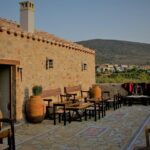
Village olive museum in Androusa: 120+ years of local pride
Right in the center of Androusa, you visit a traditional olive museum that’s been there for more than 120 years. This is the kind of stop that’s worth slowing down for, even if you normally skip museums.
Why? Because olives are a long game. The museum framing helps you understand why olive trees are treated like more than crops. They’re living landmarks in the region’s identity—stories passed down, cultivation habits refined, and family know-how kept alive through generations.
It also helps that the day isn’t only about consuming. You’re learning the background of what you’ll later smell and taste. If you care about food beyond the flavor (like how people built their routines around a harvest), this museum sets you up nicely.
Olive trees, local varieties, and the stories behind the grove
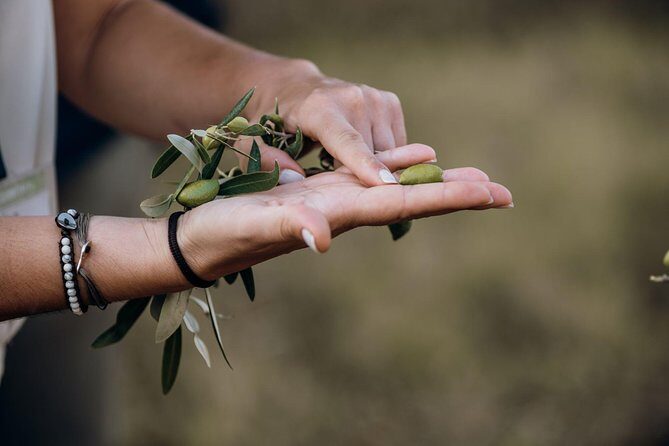
Next comes the olive tree side of the program—local olive tree varieties, perennial olive trees, and their stories. Even without getting lost in technical jargon, this part of the tour helps you connect the dots.
You’ll learn that olive oil flavor isn’t random. The variety of olive matters, and so do the trees themselves and how they’re grown. When you later taste oils from different varieties, you’ll have a mental map for what you’re noticing—bitterness, fruitiness, and those sharper peppery notes people associate with a greener, more “alive” oil.
Practical tip: wear shoes that handle uneven ground. And if the weather is mild, you’ll feel better during any walking or short outdoor stops.
Modern olive oil mill visit: how extra virgin oil becomes real

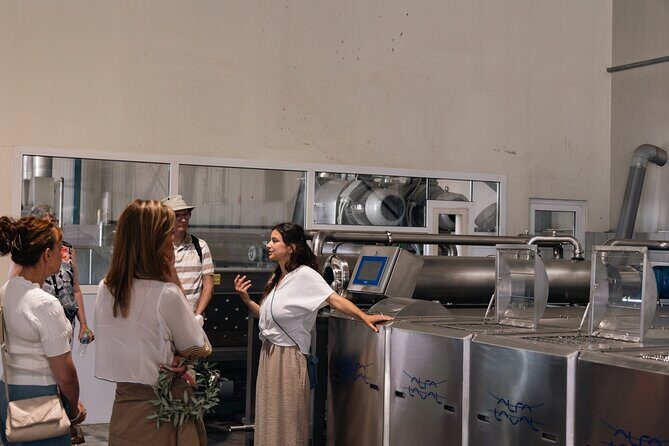
After the village and tree focus, you shift to production. You’ll visit a modern olive oil mill to see how extra virgin olive oil is produced and what makes it unique.
This is where the tour turns from “why olives matter” into “how it’s actually done.” Watching production steps matters because tasting means more when you understand the process that leads to what’s in your glass. Extra virgin isn’t just a label—it’s tied to careful handling and quality standards, and you’re not left guessing.
You also get the best kind of tour pacing: you’ve already built context (trees and local culture), so the mill visit doesn’t feel like a cold technical lecture. It feels like the next chapter.
One consideration: a few visitors wish they could see machines in full action at all times. The tour is still worthwhile, but the level of “in-the-moment” production you see can vary with timing and seasonal operations.
Traditional mill stop: old methods, same obsession
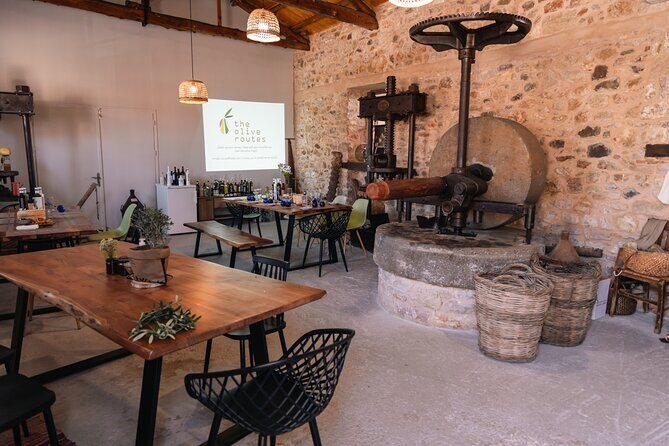
This experience also includes a tour of a traditional olive oil mill. Pairing a modern facility with an older-style setup is smart, because it shows you continuity: the process is the point, even as technology changes.
If you’re the type who likes to compare how tools shape outcomes, this is a good moment. You’ll likely notice differences in workflow and the feel of the spaces, which helps explain why olive oil knowledge kept being refined locally for decades.
Even if you don’t leave with mechanical details memorized, you’ll come away with the bigger idea: people here learned by doing—harvest after harvest—until the whole system became part of the region’s rhythm.


The olive oil tasting workshop: what you’ll actually learn
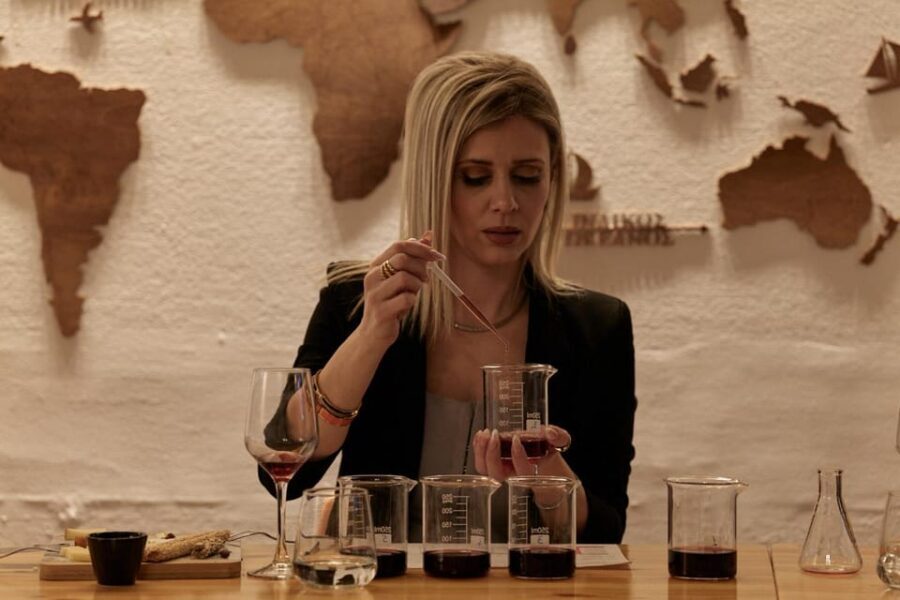
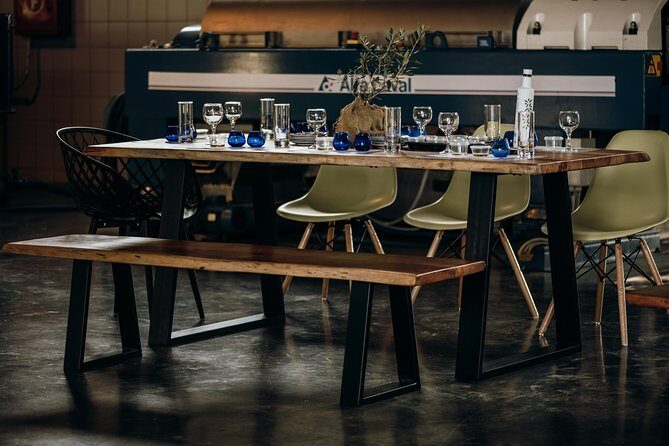
The tasting workshop is the star of the show. You’ll join a workshop guided by an olive oil expert who helps you taste different olive oil varieties and understand their organoleptic characteristics.
Translation to real-world value: this part teaches you how to pay attention. Instead of tasting and hoping it’s obvious, you learn what to look for in aroma and flavor. You also learn how to recognize the elements that define extra virgin olive oil.
This is the part that makes the tour more useful than a basic “try some samples and buy the bottles.” When you know what qualities matter, you can compare oils later at home, in stores, or when you travel again.
You also get the chance to taste Kalamata olives and enjoy olive tapenades. That’s not just filler. It reinforces the day’s theme: olive flavor lives in multiple forms—oil, table olives, spreads—each with its own personality.
Practical tip: during tastings, go slow. Take small sips, then step back and let the flavors settle. If you rush, you miss the contrasts the expert is guiding you toward.
Pairing bread, cheese, vegetables, and extra virgin oil
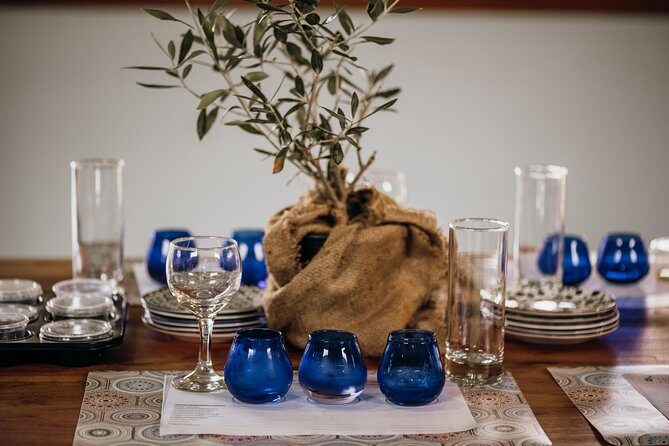
One smart detail here is the food pairing. You get small bites paired with extra virgin olive oils, including bread, cheese, and vegetables. This helps you understand how olive oil works with food, not just on its own.
Olive oil can act like a flavor carrier and a texture booster. Pairing it with simple regional basics shows you how the oil changes the overall bite. It’s also a practical way to learn because you’re not trying to interpret abstract notes. You taste the effect in context.
And yes, there’s more than one flavor source: Kalamata olives and olive tapenades appear in the mix too. Together, they build a picture of what “olive” means in Messinia, not just what extra virgin tastes like by itself.
Guides who make the day feel personal
The quality of this experience is heavily tied to the people running it. Names you might hear during your day include Athanasia, Dimitra, Calliope, Georgia, Stavroula, Kalliopi, and Demeter. The consistent thread: they’re clearly passionate, and they share olive knowledge in a way that feels approachable rather than lecture-heavy.
You’ll probably notice the same vibe across different tour guides: pride in the olive-growing heritage, plus hands-on explanations of the process and what to notice during tasting.
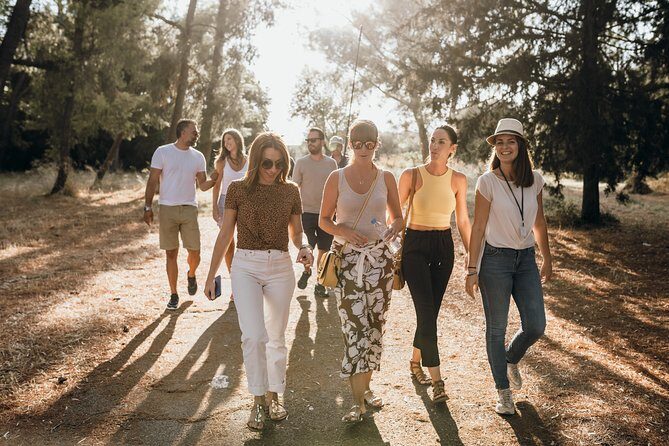
If you care about conversation while you travel, this tour is a good pick because the small group format (max 16 travelers) supports questions without turning into chaos.
Price and logistics: what your $54.31 really covers
At $54.31 per person for roughly 1 hour 30 minutes, this is priced like a focused tasting experience rather than a full-day outing. What you’re paying for is the combo: guided small group tour, modern and traditional mill access, an expert-led tasting workshop, and included tastings with local products and paired bites.
What’s not included is important to know. There’s no air-conditioned vehicle included, and lunch isn’t part of the package. So if you’re traveling on a hot day or you’re arriving late and hungry, plan ahead with water and a backup snack for afterward.
Also note: you get a mobile ticket. That’s practical in Greece where connections and paperwork can be easier when you have everything on your phone. Confirmation is received around booking time unless you book within a day of travel.
Who should book this olive oil and tasting experience
I think this tour fits best if:
- You want an olive oil tour that includes both production and tasting, not just one or the other
- You like food education that stays practical and sensory
- You’ll enjoy hearing how olive culture connects to local identity in Messinia
- You prefer small groups and guided attention
It might be less ideal if you’re chasing a long, deep walking tour through remote groves. A few people want more time outside in the plantation area, but this particular experience is structured around the village, museums, mills, and tasting workshop.
A few planning notes before you go
- Timing: Expect about 1 hour 30 minutes, so it’s a good add-on day activity if you’ve already got plans in Kalamata or around Ancient Messene
- Weather: The experience requires good weather, so if conditions are poor, you may be offered another date or a refund
- Comfort: Bring water and dress for sun if you’re visiting in warm months, since air-conditioning isn’t included in the transportation plan
- Pace: The format is structured and interactive, but it’s still compact. Don’t count on time for wandering off-script.
Should you book the Olive oil mill visit and tasting in Androusa?
If you want a high-value olive oil experience in Messinia, I’d book this. For the price, you get a well-rounded sequence: a meaningful start at a historic castle, a traditional museum stop that gives you context, production visits that explain how extra virgin oil is made, and a tasting workshop that teaches you how to evaluate what you’re tasting. Then you finish with paired local bites like Kalamata olives and tapenades, so the day closes on real flavor rather than theory.
Book it if you’re the type who likes to understand what’s behind the taste. Skip it only if you’re mainly interested in a long countryside grove walk or you need lunch included in the same ticket.
FAQ
How long is the olive oil mill visit and tasting experience?
It lasts about 1 hour 30 minutes (approx.).
Where does the tour start?
The meeting point is the 13th-century Castle of Androusa (address: Epar.Od. Ellinoklissias-Androusa 29, Androusa 240 13, Greece).
Is lunch included?
No. Lunch is not included. You do get small bites and pairing food during the experience.
What’s included in the tasting?
You’ll do an olive oil tasting workshop with an olive oil expert. You’ll also taste local products such as Kalamata olives and olive tapenades, plus paired bread, cheese, vegetables, and extra virgin olive oils.
Is the tour conducted in English?
Yes, it’s offered in English.
How big is the group?
The tour has a maximum of 16 travelers.
Do I need to bring anything or worry about transport?
Air-conditioned vehicle is not included, so plan for the comfort level of local transport. You’ll want to wear comfortable shoes for the parts of the visit that involve moving around.
What if the weather is bad?
This experience requires good weather. If it’s canceled due to poor weather, you’ll be offered a different date or a full refund.
Can I get a refund if plans change?
Free cancellation is available. You can cancel up to 24 hours in advance for a full refund.
Is the ticket mobile?
Yes, it uses a mobile ticket. Confirmation is received at booking time unless you book within 1 day of travel, in which case it comes as soon as possible subject to availability.