REVIEW · ATHENS
Aristotle’s Philosophy Experiential Workshop, Lyceum, Athens
Book on GetYourGuide →Operated by Hellas Revival · Bookable on GetYourGuide
Rethink virtue on ancient ground.
This Aristotle-focused workshop turns the Lyceum archaeological site into a real-life class on character. I like that it’s hands-on and social, not a lecture: you’ll play a card game about virtues while walking the ruins. I also like the setting and pacing, with a final discussion at the small amphitheater where you can see the excavations while talking about the Golden Mean and aiming for eudaimonia.
One heads-up: the Lyceum site entrance fee isn’t included, so you’ll want to budget an extra 5 EUR (full) or 3 EUR (half). Also, since the workshop is outdoors, rain can shift the lesson to a nearby café at the Byzantine Museum.
In This Review
- Key things I’d remember (and you’ll feel in your bones)
- Philosophy starts in Rizari Park, not in a classroom
- The Socrates–Plato–Aristotle thread you’ll actually use
- Walking the Lyceum ruins like a student
- Turning virtues into a card game along the way
- The Golden Mean: where daily choices get a philosophy name
- Price and value: what you pay $90 for (and what you still owe)
- Weather, timing, and the outdoor reality
- Who this is best for (and who might want something else)
- Should you book this Aristotle workshop at the Lyceum?
- FAQ
- How long is the Aristotle’s Philosophy Experiential Workshop?
- Where does the workshop start and end?
- Is the workshop in English?
- Is this a guided tour of the archaeological site?
- Do I have to pay an entrance fee for Lyceum?
- What happens if it rains?
- Is it suitable for children?
- What items are not allowed during the session?
Key things I’d remember (and you’ll feel in your bones)
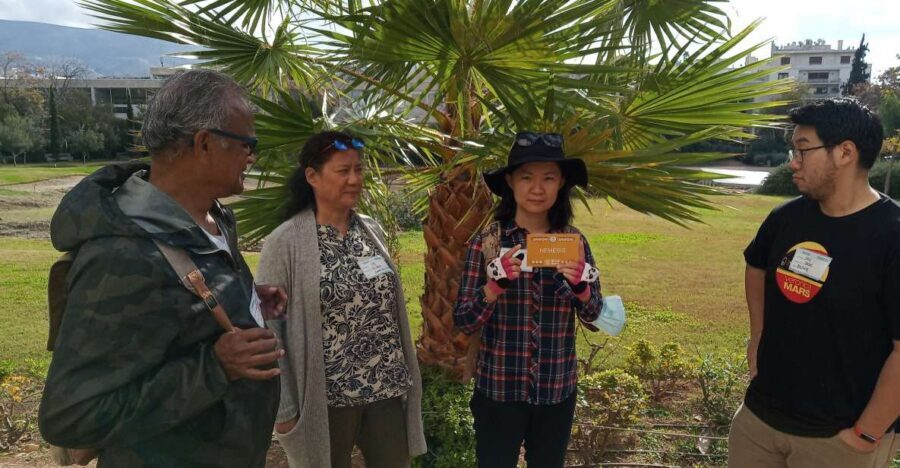
- Start under shaded trees in Rizari Park, with a warm intro and historical setup for Aristotle’s ideas
- Connect the teaching chain of Socrates → Plato → Aristotle before you even step into the ruins
- Read aloud ancient Greek phrases (optional participation feel, but you’ll be invited)
- Walk the Lyceum ruins where Aristotle taught and move through the site like a student would
- Use a card game to make Aristotelian ethics about virtues feel practical
- Finish in a small amphitheater, tying the Golden Mean to modern daily life and eudaimonia
Philosophy starts in Rizari Park, not in a classroom
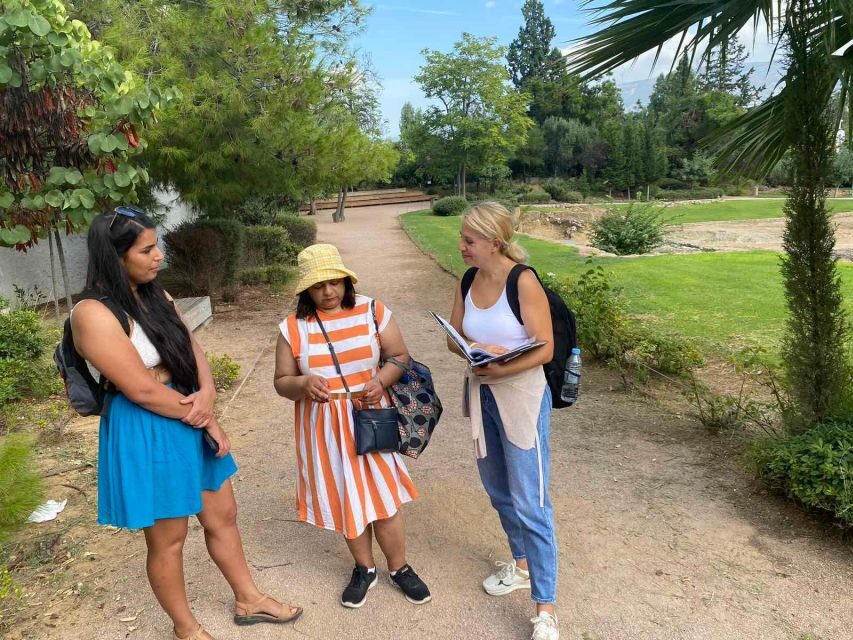
The experience begins in Rizari Park, under shaded trees. Before you do anything philosophical, you do the basic human stuff: introductions, a shared tone, and a quick orientation to what you’re about to try.
The facilitator kicks things off with the historical line that matters: Socrates taught Plato, who taught Aristotle. That context isn’t academic fluff. It helps you understand why Aristotle’s approach is about practicing a better way of living, not just winning arguments.
This is also where you get your first taste of the ancient material. You may read aloud some of Aristotle’s phrases in ancient Greek. Even if you’re not strong in languages, the point is to make the text feel alive instead of distant.
You can also read our reviews of more tours and experiences in Athens



The Socrates–Plato–Aristotle thread you’ll actually use
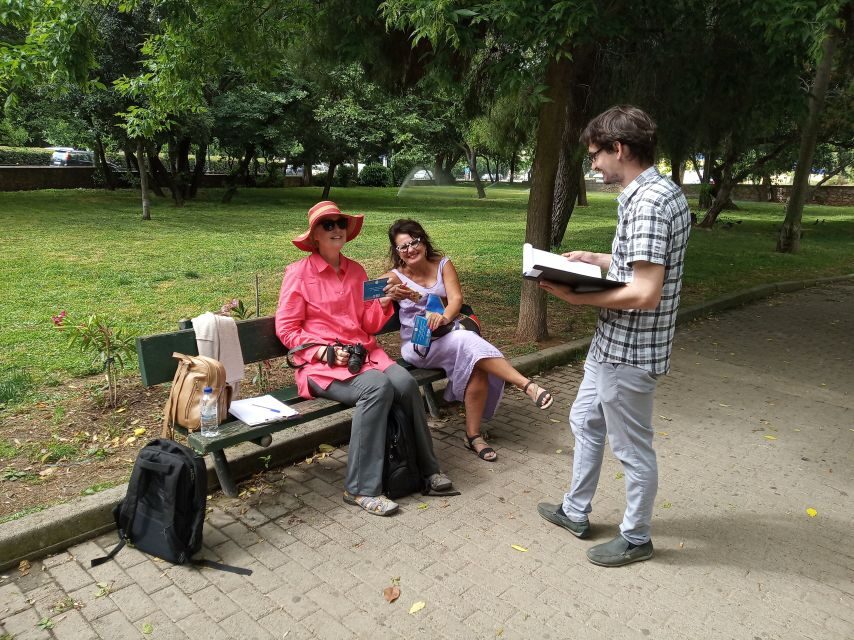
After the welcome, you’ll get a short discussion that anchors Aristotle’s workshop-style thinking. The facilitator frames Aristotle’s ethics like a system for self-improvement you can apply day by day.
For me, the practical value here is how quickly this sets a mental template. You’re not only learning vocabulary like virtues and the Golden Mean. You’re building a way to notice choices in real life: how you react, how you handle tension, and how you aim for the kind of person you want to become.
And because this is aimed at beginners, you won’t be expected to show up with prior philosophy background. It’s structured to bring you along, with interaction built in.
Walking the Lyceum ruins like a student
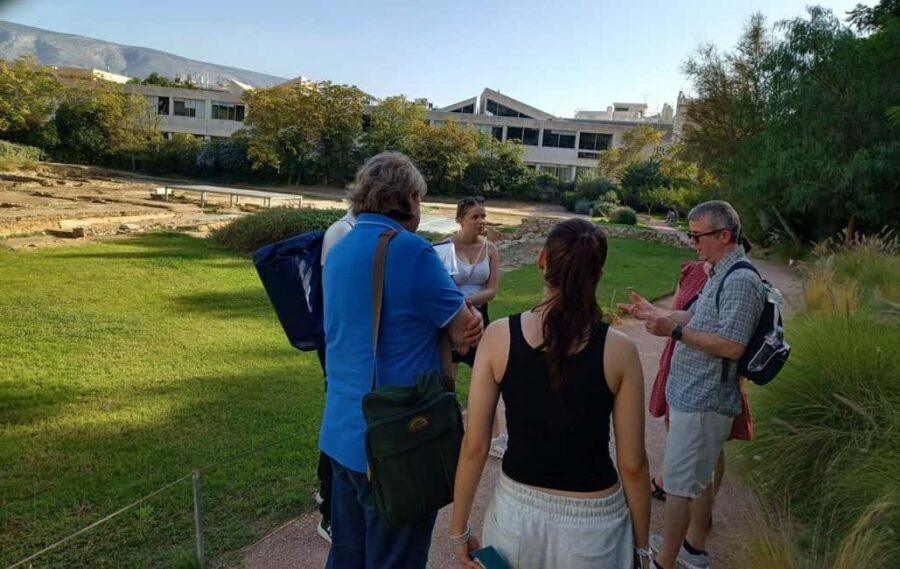
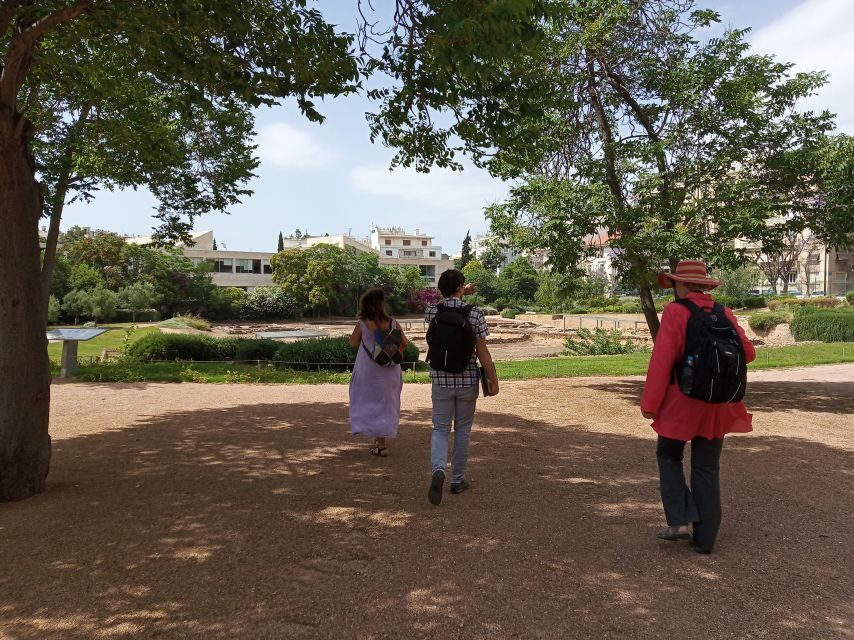
Then you shift from park to purpose: you visit the archaeological site of Lyceum, Aristotle’s school. You’ll walk around the ruins and move through the area where the teacher walked with his students.
This matters because the Lyceum isn’t just a backdrop. The point is to link place and idea. As you walk, the lesson stays connected to the physical environment, and the whole thing feels more like a guided experience than a standard sightseeing stop.
Do note one practical limit: you’re in an outdoor heritage setting, so you’ll need respectful behavior the whole time. That includes keeping noise down, being mindful with photos/video, and dressing appropriately. The facilitator has the right to end participation without refund if behavior becomes disrespectful.
Also, the rules are clear on what you can’t bring: no smoking, no food or drinks, and no luggage or large bags. If you’re traveling light, this is easy. If you’re carrying extra, plan ahead.
Turning virtues into a card game along the way
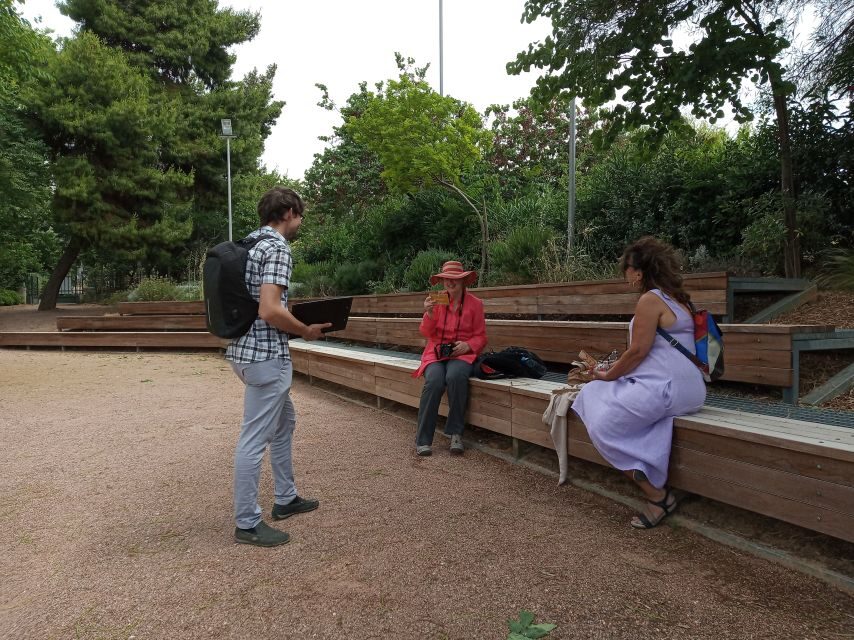
While you explore the ruins, you’ll play a card game designed to introduce Aristotelian ethics with a focus on virtues. This is the interactive part people tend to love most, because it turns abstract ethics into quick decisions you can discuss with others.
The format does two helpful things:
1) It forces you to connect virtues to situations, not definitions.
2) It gets you practicing social thinking, since you’re working with other participants and discussing what a “good” response might look like.
This is where you’ll feel the workshop’s real promise. It’s not only about understanding Aristotle. It’s about trying his method: practicing ways of being that build a better life over time.
The Golden Mean: where daily choices get a philosophy name
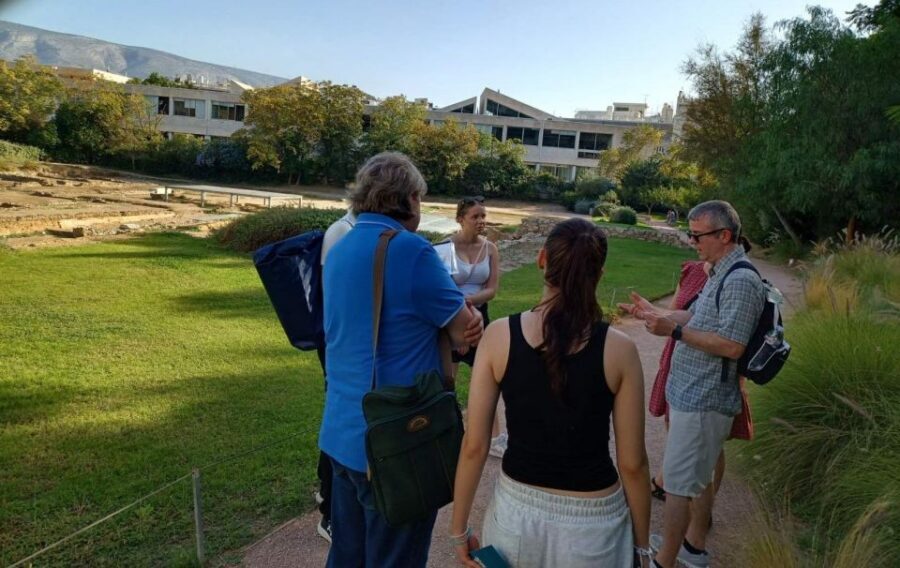
You end at a small amphitheater with a direct view of the excavations. That visual matters. It keeps the discussion from floating away into theory by reminding you that this is a real site tied to real teaching.
From there, you discuss the Aristotelian Golden Mean. The facilitator brings it to life with examples drawn from modern daily life, so you can recognize the idea in what you actually do and feel.
Here’s the key takeaway you should hold onto: the Golden Mean isn’t about being bland or perfectly average. It’s about aiming for the balanced response that fits the situation, rather than going to extremes.
And from that conversation you move toward the workshop’s final concept: eudaimonia, described as the ultimate human goal. The discussion ties ethics to flourishing, not just rules.
- All Day Cruise -3 Islands to Agistri,Moni, Aegina with lunch and drinks included
★ 5.0 · 4,958 reviews





Price and value: what you pay $90 for (and what you still owe)
The price listed is $90 per person, and it includes:
- An expert facilitator
- All materials
- Local taxes (24%)
What’s not included is the archaeological site entrance fee for Lyceum: 5 EUR full or 3 EUR half.
So is it good value? For me, the answer is yes if you want more than a history walk. You’re paying for a guided thinking session: hands-on interaction, a structure for beginners, materials for the card game, and a facilitator who leads the ancient-to-modern bridge.
If you’re the type who prefers silent self-guided ruins, you might feel like you’re paying for discussion time. If you want a more active experience at the site, this workshop is built exactly for that.
Weather, timing, and the outdoor reality
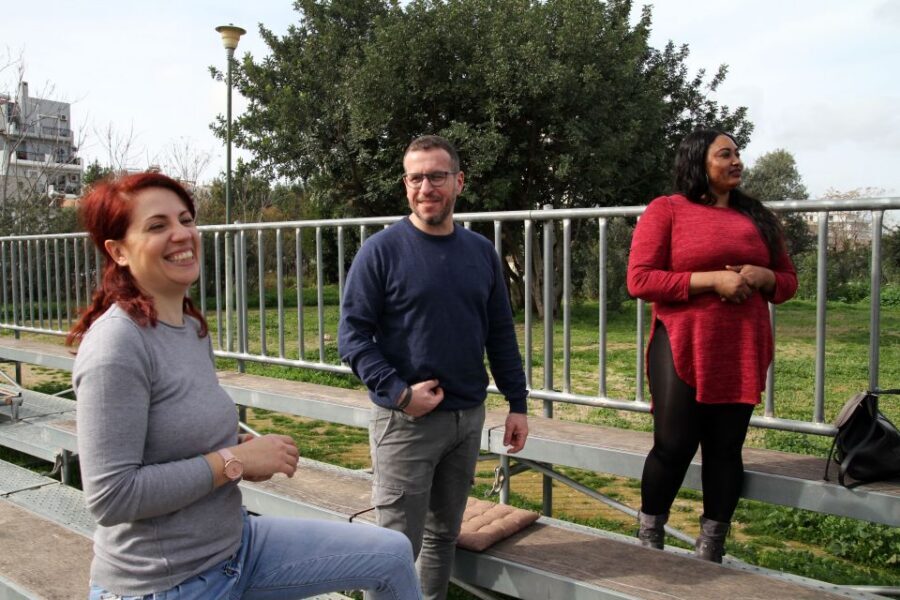
The total duration is about 100–101 minutes, so it’s short enough to fit into a packed day in Athens. Starting times depend on availability, so check the schedule before you commit.
Since it’s fully outdoors, rain is the main wildcard. If it rains, the workshop may continue in the café of the Byzantine Museum, which is literally next door. That’s a helpful backup plan, even if you end up with slightly different vibes than the open-air lesson.
One more practical note: the language is English, and the workshop is wheelchair accessible. Private or small groups are available, which can be a plus if you want a calmer pace or more direct interaction.
Who this is best for (and who might want something else)
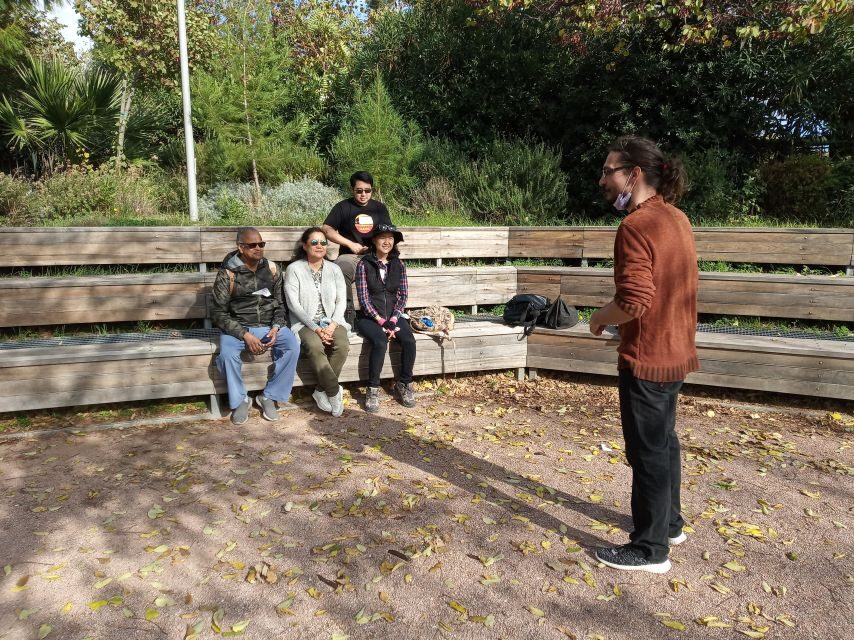
This workshop is designed for beginners. You don’t need prior philosophy knowledge. If you like your travel with an interactive twist—walking, discussion, and light exercises—you’ll probably enjoy the format.
It’s also not suitable for children under 15. If you’re traveling with younger kids, you’ll need another plan.
If you’re a hardcore philosophy nerd who wants heavy texts and long arguments, this may feel more accessible than you want. But if your goal is learning how Aristotle’s ethics connects to real choices you face, this is a friendly entry point.
Also, keep in mind it’s not positioned as a classic guided tour. You’re visiting the Lyceum ruins as part of a philosophy experience, not as a full explanation of every stone.
Should you book this Aristotle workshop at the Lyceum?
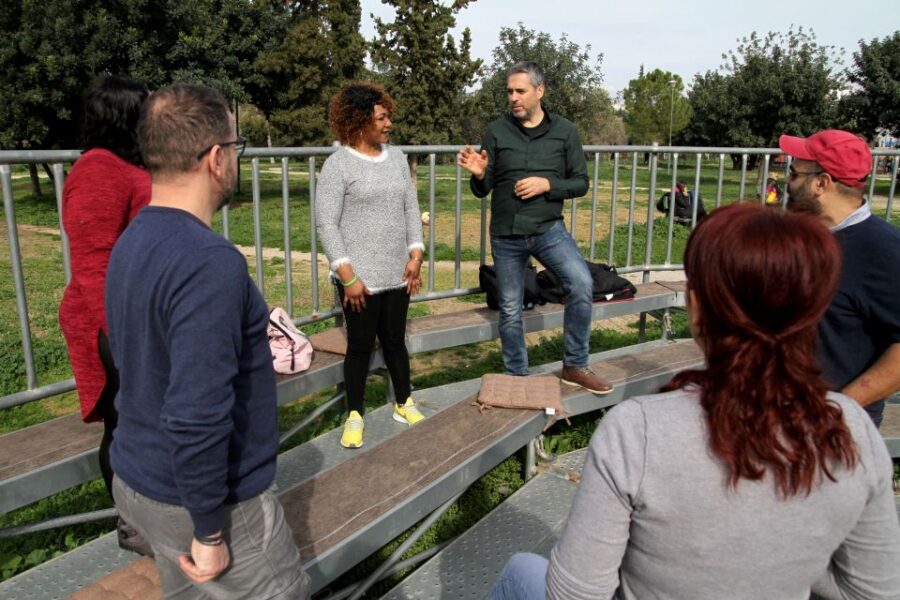
Book it if you want a memorable Athens experience that’s more than sightseeing—something that helps you practice ideas, not just memorize facts. The combination of Lyceum ruins, ancient Greek reading moments, and the virtues card game gives you multiple ways to learn.
Skip it if your priority is quiet, independent wandering, or if you’re not comfortable participating in group discussion activities. Also remember the extra site entrance fee, and the fact that it runs outdoors and can shift indoors during rain.
If you’re happy to treat philosophy like a practical tool for everyday life, this workshop is one of the smarter ways to spend a bit of time in central Athens.
FAQ
How long is the Aristotle’s Philosophy Experiential Workshop?
It lasts about 100–101 minutes.
Where does the workshop start and end?
It starts at a meeting point that may vary depending on the option booked, and it ends back at the meeting point.
Is the workshop in English?
Yes, the instruction is in English.
Is this a guided tour of the archaeological site?
No. It’s described as a philosophy experience suitable for people without previous knowledge, not a guided tour.
Do I have to pay an entrance fee for Lyceum?
Yes. The Lyceum archaeological site entrance fee is not included. It’s 5 EUR full or 3 EUR half.
What happens if it rains?
Since the workshop is outdoors, you might be moved to shelter and continue at the café of the Byzantine Museum, next door.
Is it suitable for children?
No, it is not suitable for children under 15.
What items are not allowed during the session?
Smoking is not allowed, and food and drinks are not allowed. Large bags or luggage are also not allowed.



More Workshops & Classes in Athens

More Tour Reviews in Athens
- All Day Cruise -3 Islands to Agistri,Moni, Aegina with lunch and drinks included
★ 5.0 · 4,958 reviews