
REVIEW · ATHENS
Athens Escape City Game “The Journey Through Time”
Book on GetYourGuide →Operated by Culture Hunters · Bookable on GetYourGuide
Athens gets better when you’re solving something, not just staring at stones. This city game, The Journey Through Time, turns a walk through Plaka, Syntagma Square, and the National Garden into a team challenge where every few minutes you’re handed a clue, a task, or a moment of story that links ancient Athens to modern milestones. One big plus is the puzzle variety: you’re not doing the same kind of riddle over and over. Another is how it nudges you off the usual “photo-and-go” path, including stops around the Acropolis area and Central Athens landmarks that many casual visits skim past.
One possible drawback to plan for: you’ll be moving between areas on foot with quick stops, and the game isn’t suitable for people with mobility impairments. Also, a small part of the story touches on war and violence, so if you’re traveling with minors, it’s smart to think about how sensitive your group is.
In This Review
- Key things to know before you play
- How The Journey Through Time turns Athens into a problem-solving walk
- Starting at Acropoli Metro (Leonidas chocolate) and getting your backpack
- Makrygianni and the quick early challenges near the Acropolis area
- Plaka’s old streets: longer puzzle time and story moments
- Passing by Temple of Olympian Zeus without losing your pace
- Syntagma Square and the Tomb/Parliament area: modern Athens with a clue in hand
- National Garden with Queen Amalia themes: a calmer section of the route
- The “secret stops” and side challenges: why they matter more than the labels
- Your Game Master, hints by message, and keeping the game fun
- What to bring (and what to skip) for a smooth play session
- Price and value: is $34 worth it?
- Who this Athens time-travel game fits best
- Quick itinerary walkthrough (so you know what the day feels like)
- Should you book The Journey Through Time?
- FAQ
- Where is the meeting point?
- How long is the experience?
- How many people are in a team?
- What languages are available?
- Do I need a smartphone?
- What should I bring?
- Is hotel pickup included?
- Is it accessible for people with mobility impairments?
- Does it include help if we get stuck?
Key things to know before you play
- Time travel through eras: you’ll connect ancient figures and later Greek milestones as you move around Athens
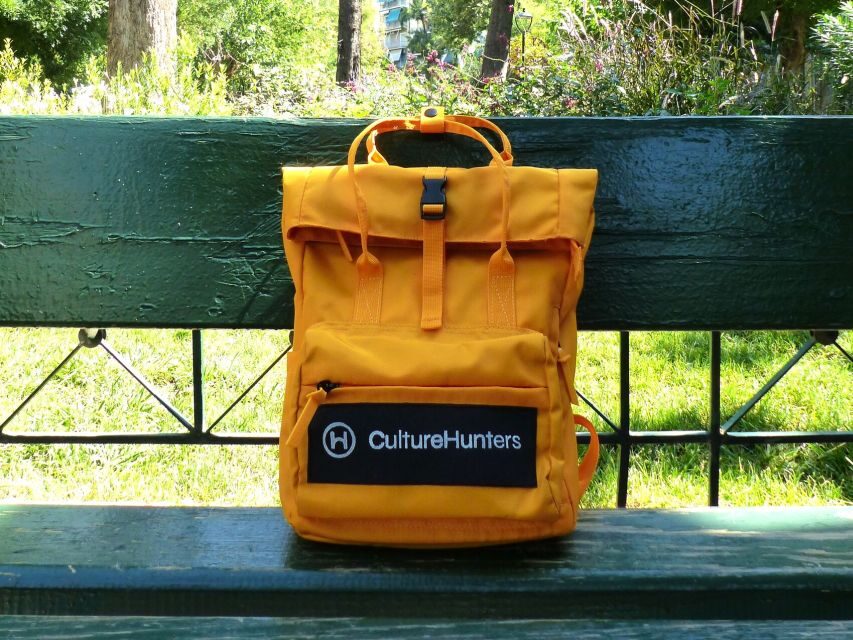
- Hands-on clues with a backpack: you get a kit with maps, games, and mysterious objects
- Smartphone required for hints: one charged phone with internet keeps the game moving if you get stuck
- Team size 2–6: ideal for friends, couples, and families who like working together
- Landmark mix, not a museum slog: iconic sites plus shorter side stops in between
- Back to the start: the game finishes where you begin, at the Acropoli Metro station area
How The Journey Through Time turns Athens into a problem-solving walk

If you like Athens best when it feels personal, this is a good match. Instead of treating the city like a checklist, you’re operating like a crew. You and your group get a backpack full of items, and you’re asked to use them along with city cues to move forward through different “eras” of the story.
The 150 minutes (about 2.5 hours) matters. It’s long enough to feel like an adventure, but short enough that you won’t feel like you spent the whole day trapped in a single activity. Since it’s a private group for 2–6 people, you also get a steadier pace than you would on a big walking tour.
And yes, you will still pass major sights. You just won’t only be observing. You’ll be answering questions and making choices, which is a different kind of learning. When the game works well, you start noticing details you’d normally miss—signs, building edges, street angles—because the next clue depends on it.
You can also read our reviews of more city tours in Athens



Starting at Acropoli Metro (Leonidas chocolate) and getting your backpack
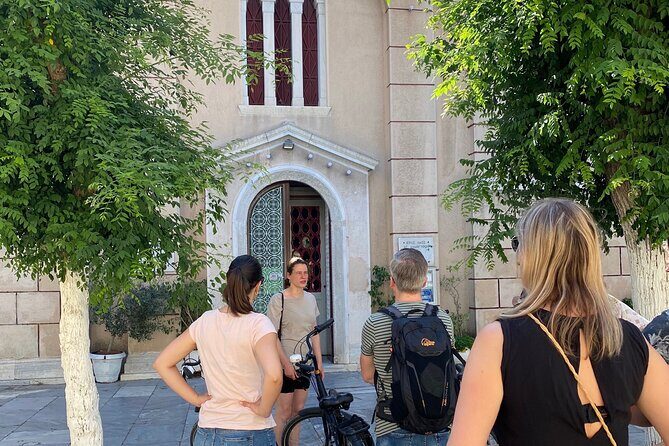
You meet at the Acropoli Metro Station area, in front of the chocolate shop Leonidas. Your Game Master holds a sign, greets your group, and sets the rules. After that, you head out into Athens with the backpack as your main toolkit.
In practice, this starting phase is what makes the whole thing click. You’ll get instructions and an immersive story framework, but you’re not left wondering how to play. You’re also told you can message for help if needed, which is a big deal if your group hits a tricky moment or you’re not sure how the clue chain is supposed to work.
What I like about this setup for real travel days: it’s not dependent on public-transport complexity. You simply show up at a clear, central meeting point near the metro, and the activity runs from there.
Practical tip: bring a charged smartphone with internet. Even if your group is good at puzzles, you want a full battery. The game is built to keep moving; you don’t want to be stuck because you can’t access hints.
Makrygianni and the quick early challenges near the Acropolis area
After you launch from Leonidas, you’ll start with Makrygianni and then a short “secret stop.” These early pieces are about getting you oriented—mentally and physically. You’re not being asked to memorize maps like an escape-room robot. You’re being trained to look for the kind of clues this game uses: small details connected to story eras.
Makrygianni sits close to the Acropolis zone, so even in a short segment you’ll likely get that “Athens is close and walkable” feeling. The game uses these first 10-minute blocks to set rhythm: stop, solve, move.
Possible downside: if your group is very tired or you hate time pressure, those early short segments can feel fast. But if you enjoy “one puzzle, then the next,” it’s actually the smart way to start. By the time the game lengthens later, you’ve already found your groove.
Plaka’s old streets: longer puzzle time and story moments
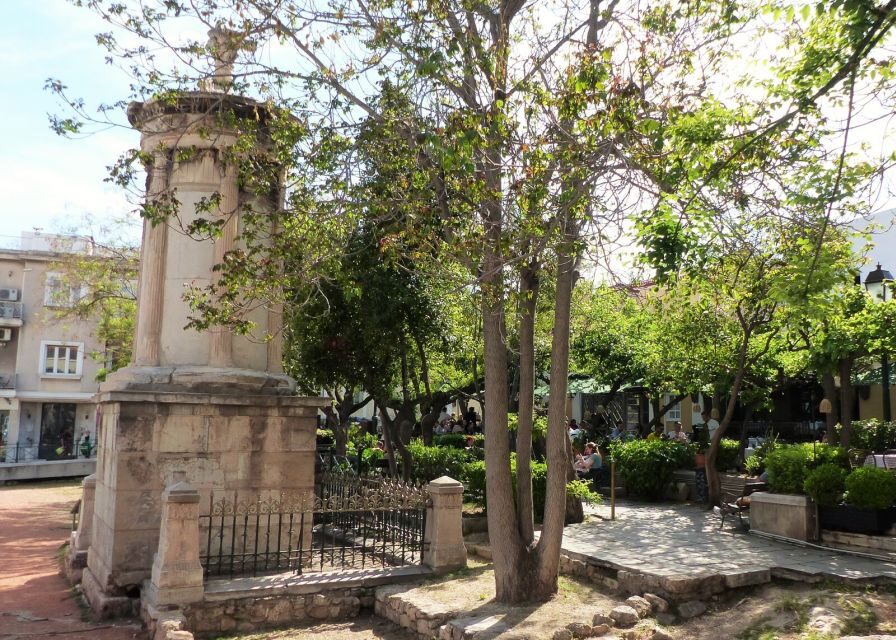
Next comes Plaka, with about 20 minutes dedicated to sightseeing and self-guided play. This is where the game’s “city-walk” side gets stronger, because Plaka is the area where wandering feels natural. The streets tend to invite slow looking, which fits puzzle solving well.
What makes this stop especially valuable for your visit is the mix of old Athens cues with the game’s timeline. The story connects themes like major cultural contributions in ancient Athens—such as the era of Phidias and the sculptural work associated with the Acropolis—with your physical movement through real streets.
In other words, you’re not just walking in a pretty zone. You’re building a mental timeline while you solve. That’s how a fun game ends up teaching you more than the usual “here’s a view” stops.
Small watch-out: this part is more about walking and thinking than sitting and reading. If your group includes someone who prefers quiet breaks, plan a stop outside the game at some point later.
Passing by Temple of Olympian Zeus without losing your pace
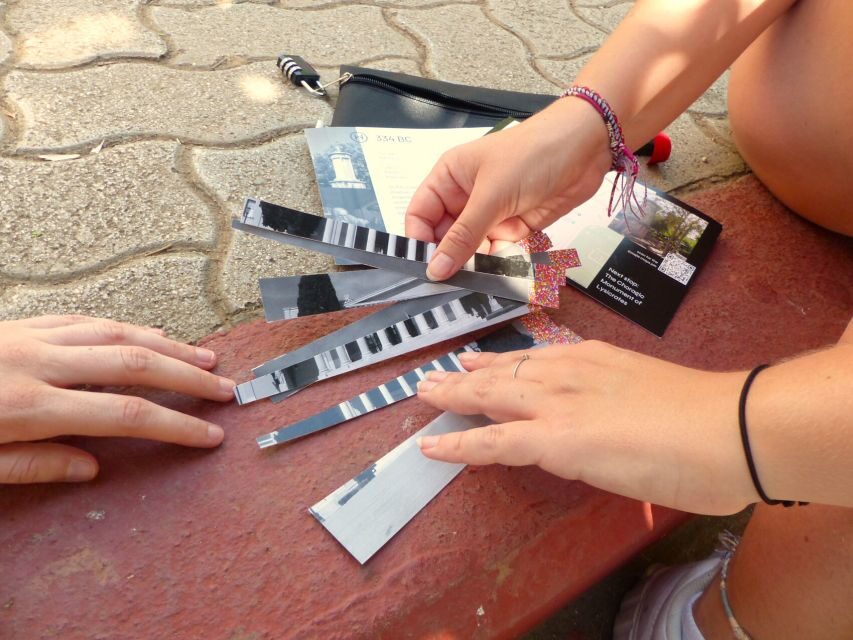
You’ll pass the Temple of Olympian Zeus for a few minutes. It’s not a long “stand and listen” moment, but it’s still a useful hit. Big monuments like this can swallow time on your own if you stop too long. Here, you get a brief encounter, keep the story moving, and still feel like you touched something famous.
The benefit is pacing. You keep the adventure energy instead of turning the day into a series of lectures. The drawback is that if you’re hoping for a full explanation of Zeus or the temple’s context, this game isn’t built to replace a deeper guided tour.
- All Day Cruise -3 Islands to Agistri,Moni, Aegina with lunch and drinks included
★ 5.0 · 4,958 reviews





Syntagma Square and the Tomb/Parliament area: modern Athens with a clue in hand
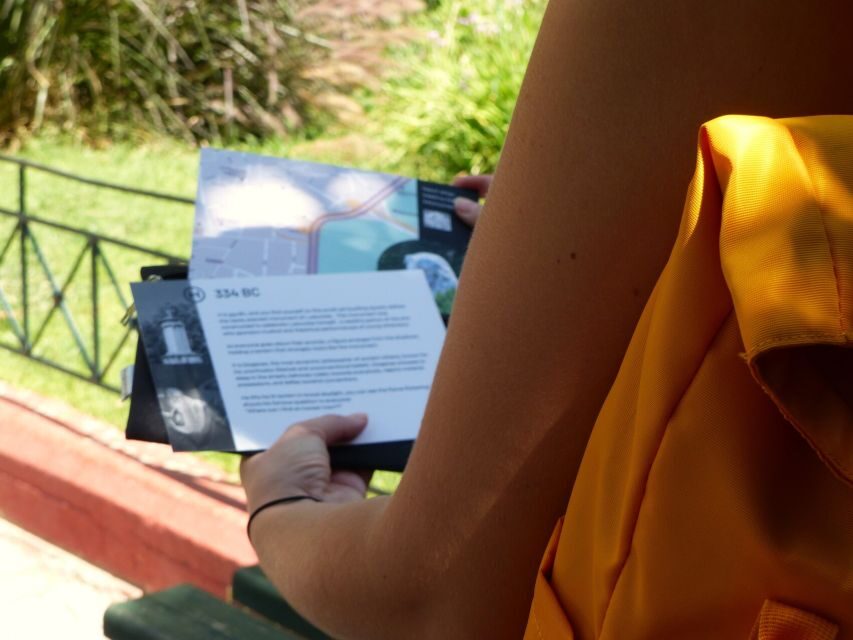
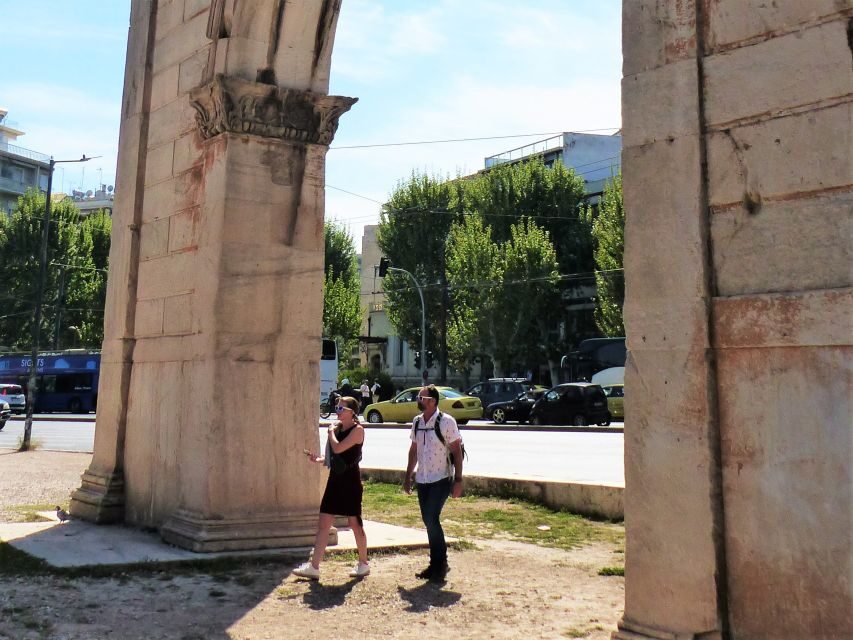
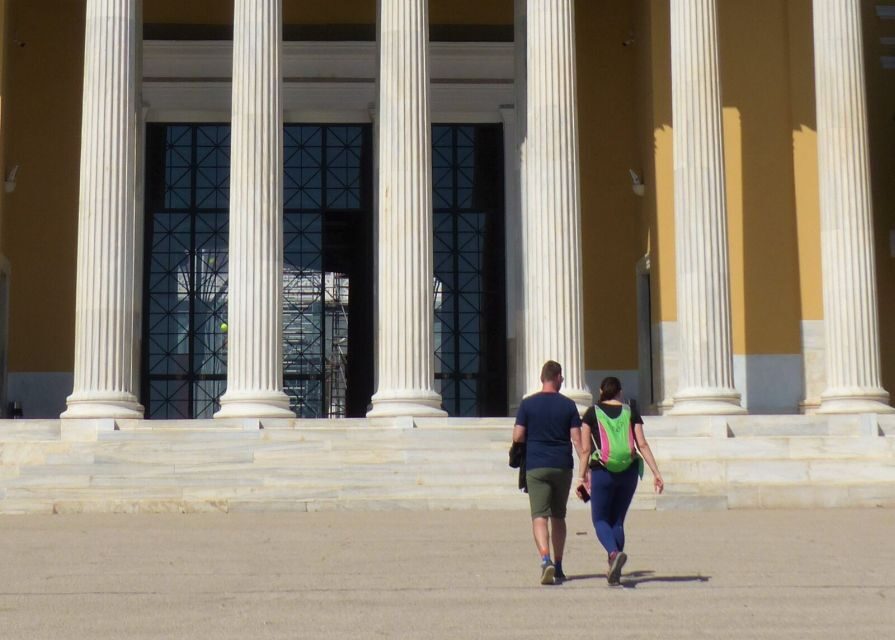
Then you reach Syntagma Square, where you’ll spend around 10 minutes sightseeing and playing. This is one of those Athens moments where the city’s present-day identity shows up fast—wide-open space, major government landmarks nearby, and that feeling of “you’re in the center of things.”
You’ll also pass key memorial and government sites: the Tomb of the Unknown Soldier and the Hellenic Parliament. In a normal visit, these are often “quick photos, then move on.” In this game, they’re part of your puzzle path, which makes you slow down just enough to notice the details that create atmosphere.
For families, this segment is often where the game feels like a real city adventure. It’s not only ancient ruins. It’s modern national identity in plain view—and the story helps you see the connection.
One consideration: because these are central, busy areas, you should keep an eye on your group spacing. Your team needs to stay together for the clue flow.
National Garden with Queen Amalia themes: a calmer section of the route

The National Garden segment is another 10-minute sightseeing stop. Here, the game shifts tone a bit. Gardens and pathways are easier to read and navigate than tight old streets, and they give you a moment to reset.
The story includes a stroll connected to Queen Amalia, and that adds a different flavor than the ancient-era material. Athens isn’t only classical. It also has a modern state story, and this part of the game helps that idea land without turning it into a lecture.
If you’re traveling with teens or mixed-age groups, I like this as a breather. You get a change of scenery, and puzzle-solving in a park tends to feel less stressful than puzzle-solving in high-traffic spots.
The “secret stops” and side challenges: why they matter more than the labels
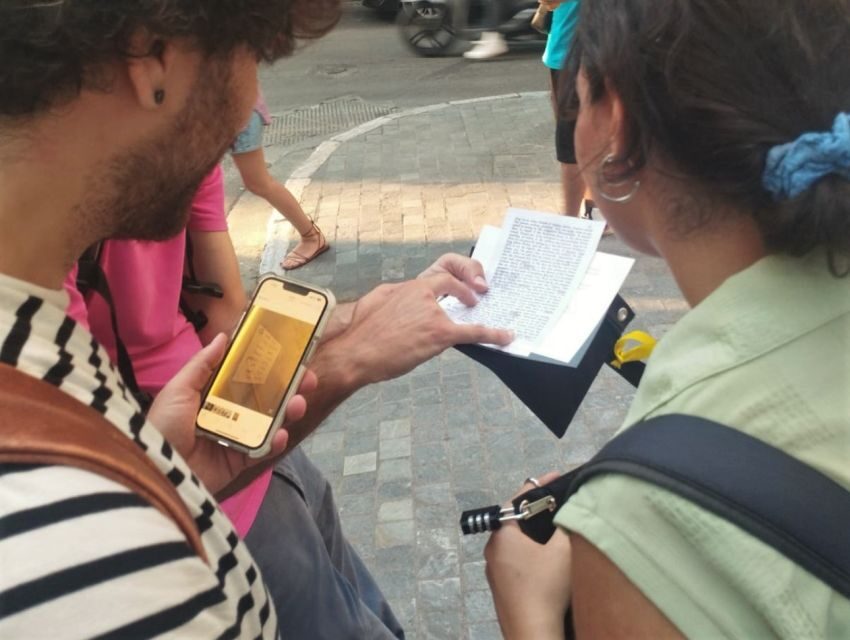
You’ll notice the route includes multiple secret stops and smaller side sections. The names don’t matter as much as how they function: these are short self-guided segments where you work through the next piece of the storyline using the backpack and your clue chain.
This is where the experience avoids turning into a standard sightseeing walk. The short segments keep you engaged, and the variety helps you avoid the “we’ve seen enough monuments” fatigue.
A smart way to play: don’t let one person hog the phone or the decisions. If your group has a designated “clue reader,” rotate roles. It keeps energy up and helps younger members stay involved.
Your Game Master, hints by message, and keeping the game fun
A big part of the value here is the Game Master. They greet you at the start with instructions and then meet you again at the end. Plus, you can request help by message any time if hints are needed. That makes the game friendly for different skill levels.
This design is great for mixed groups. One person might be better at reading story cues, another might notice street details, and someone else might interpret how the items in the backpack should be used. If the puzzle gets too tough, hints keep you from losing the whole afternoon to stubborn frustration.
Language is another practical benefit: the host/greeeter is available in English and French. So you can choose the language that matches your group and settle in.
What to bring (and what to skip) for a smooth play session
Here’s the essential checklist:
- Charged smartphone with internet (one for your team)
- Passport or ID card
- Wear shoes you can walk in for 2.5 hours
What you can skip: heavy tour books. The game gives you the tools via the backpack, and the story is delivered through the Game Master plus clue prompts.
Also note the age range: the game works for groups from 8 to 99. That wide range is a hint that the puzzles are intended to be flexible, not only for adults. Still, since there’s a small portion that touches on war and violence, use your judgment for minors.
Price and value: is $34 worth it?
At $34 per person for 150 minutes, you’re paying for more than a walk. You’re paying for:
- A Game Master who sets up the story and stays part of the experience
- A backpack full of game materials (maps, puzzles, and objects)
- Smartphone-based hint support
- A route that mixes major landmarks with shorter, problem-focused stops
If your travel style is “I want my sightseeing to mean something,” this is a good deal. A standard guided walking tour can cost similar money, but often doesn’t create the same hands-on involvement. Here, your team is doing the work. That’s why time can feel like it passes quickly.
The main cost risk is if your group dislikes puzzles or teamwork. If you’d rather have long explanations and sit breaks, this might not be the best use of your time. For everyone else who likes a challenge, it’s good value.
Who this Athens time-travel game fits best
This is ideal if you:
- Want a family-friendly activity that still feels like a real challenge
- Like exploring on foot but don’t want a totally unstructured day
- Enjoy story-driven puzzles and teamwork
- Have 2–6 people and want something more active than a museum
It’s less ideal if you:
- Need accessibility accommodations (it’s not suitable for people with mobility impairments)
- Want a slow, loungey sightseeing pace
- Prefer a purely historical lecture instead of a puzzle game format
Quick itinerary walkthrough (so you know what the day feels like)
To help you visualize the flow, here’s the walk pattern in plain terms:
- You start at Leonidas by Acropoli Metro with your Game Master and backpack
- You head into Makrygianni for a short orientation puzzle
- You hit a secret stop, then continue to Plaka with longer puzzle time
- You pass through another secret stop, then see Temple of Olympian Zeus briefly
- You move to a smaller side section, then spend time at Syntagma Square
- You pass by the Tomb of the Unknown Soldier and the Hellenic Parliament area
- You finish with National Garden themes tied to later eras
- The route closes with more short stops, then you return to Leonidas to hand back the backpack
That rhythm is the point: stop, solve, walk, repeat—without the game stretching into a whole day.
Should you book The Journey Through Time?
I’d book it if you’re the kind of traveler who remembers cities by how they felt in your body—streets under your feet, landmarks you actually walked through, and stories you had to figure out to move forward.
Skip it if your group wants long sit-down sightseeing, or if mobility/access needs make walking segments difficult. Also consider the war/violence theme if you’re traveling with children who might be sensitive.
If you’re trying to pack Athens into a day and still keep it playful, this is a smart choice.
FAQ
Where is the meeting point?
The meeting point is at Acropoli Metro Station, in front of the chocolate shop Leonidas. The Game Master will be holding a sign.
How long is the experience?
It lasts about 150 minutes.
How many people are in a team?
The game is played by a team of 2 to 6 people.
What languages are available?
The host or greeter is available in English and French.
Do I need a smartphone?
Yes. You need one charged smartphone with internet for your team to communicate with the Game Master for hints.
What should I bring?
Bring a charged smartphone, and passport or ID card.
Is hotel pickup included?
No. Hotel pickup and drop-off are not included.
Is it accessible for people with mobility impairments?
No. It is not suitable for people with mobility impairments.
Does it include help if we get stuck?
Yes. You get assistance by message at all times if you need hints.


More City Tours in Athens



More Tour Reviews in Athens
- All Day Cruise -3 Islands to Agistri,Moni, Aegina with lunch and drinks included
★ 5.0 · 4,958 reviews