REVIEW · ATHENS
Athens tour with electric bicycle
Book on GetYourGuide →Operated by Athens on bike · Bookable on GetYourGuide
Athens feels easier when you pedal less. This electric-bike tour is built to cover major landmarks fast and comfortably, so you can spend your energy on views instead of steep climbs. I like the speed and ease the e-bike brings, and I also like that the route is designed around big-picture highlights like the Acropolis area and Mt. Lycabettus. One catch: entry to sights isn’t included, so if you plan to go inside, expect extra costs and time.
You start near the train station at Thissio and end back at the same spot, which keeps things simple when your legs are fresh. You’ll ride with a helmet and you get water or refreshments, and the guide is there live in English or German.
The route circles through classic Athens landmarks such as the Acropolis area along Via Dionysiou Areopagitou Street, the Arch of Hadrian at Leoforos Amalias, and the lively area of Monastiraki. Just note the practical limits: no luggage or large bags, and it’s not for children under 14.
In This Review
- Key things I’d prioritize on this electric bike ride
- Why an Athens e-bike tour makes sense (especially for first-timers)
- Getting started near Thissio: what to expect before you ride
- The Acropolis approach: Via Dionysiou Areopagitou Street and the Temple of Olympian Zeus area
- New Acropolis Museum area and the Parthenon views: seeing big without rushing inside
- Plaka and Thissio old neighborhoods: character comes fast when you’re not stuck in traffic
- Monastiraki stop: where the city feels like itself
- Arch of Hadrian at Leoforos Amalias: a “connector” landmark you shouldn’t skip
- Parliament and the Tomb of the Unknown Soldier: a solemn pause on wheels
- Mt. Lycabettus viewpoint: why this stop matters more than you think
- Price and value: is $51 per person a good deal?
- Who this tour fits best (and who should rethink it)
- Practical tips so your ride goes smoothly
- Should you book the Athens electric bike tour?
- FAQ
- Where does the Athens electric bicycle tour start and end?
- How long is the tour?
- What’s included in the price?
- Are entry tickets to sights included?
- Is hotel pickup included?
- Are children allowed?
- What languages are the live guides available in?
Key things I’d prioritize on this electric bike ride
- E-bike help for uphill sections: you still pedal, but you’re not doing a full-on workout just to reach viewpoints
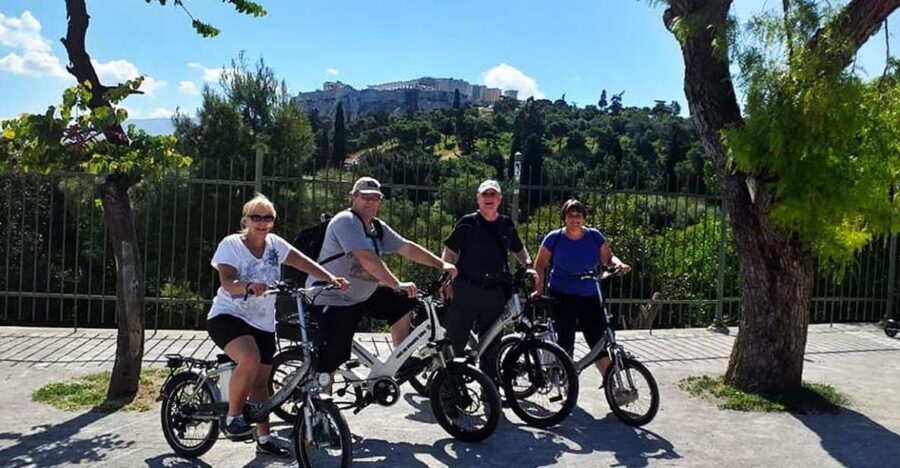
- Acropolis-focused route: you’ll see the Parthenon area and the newer Acropolis Museum area from the bike-friendly vantage points
- Big Athens variety in one loop: Temple of Olympian Zeus, Plaka/Thissio neighborhoods, Parliament, Tomb of the Unknown Soldier, and Monastiraki
- Mt. Lycabettus viewpoint payoff: one of the best “look down on Athens” moments built into the ride
- Well-run bike handling: clear e-bike explanations and good bike condition make the experience calmer than you might expect
Why an Athens e-bike tour makes sense (especially for first-timers)
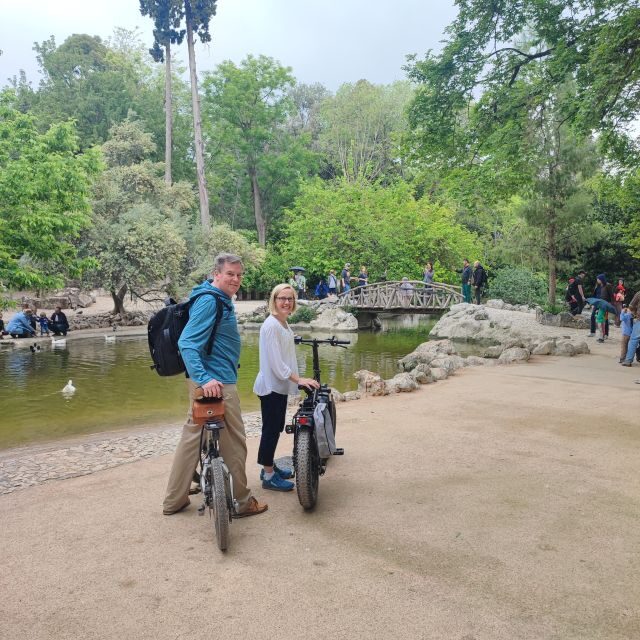
Athens is famous for its ruins, but it’s also famous for hills, stairs, and the kind of walking that turns your schedule into a cautious negotiation. This is where an electric bicycle earns its keep. You still get the freedom of moving under your own power, but the pedal assist helps you cover more ground without arriving at the next stop completely wrecked.
That matters because the tour is trying to do a lot in a short window—3 hours total—so you can see more than one “main thing.” On a normal walking day, you’d often pick one or two major clusters. Here, you can link several clusters together: the Acropolis zone, old neighborhoods, and the view up at Mt. Lycabettus.
You can also read our reviews of more tours and experiences in Athens.


Getting started near Thissio: what to expect before you ride
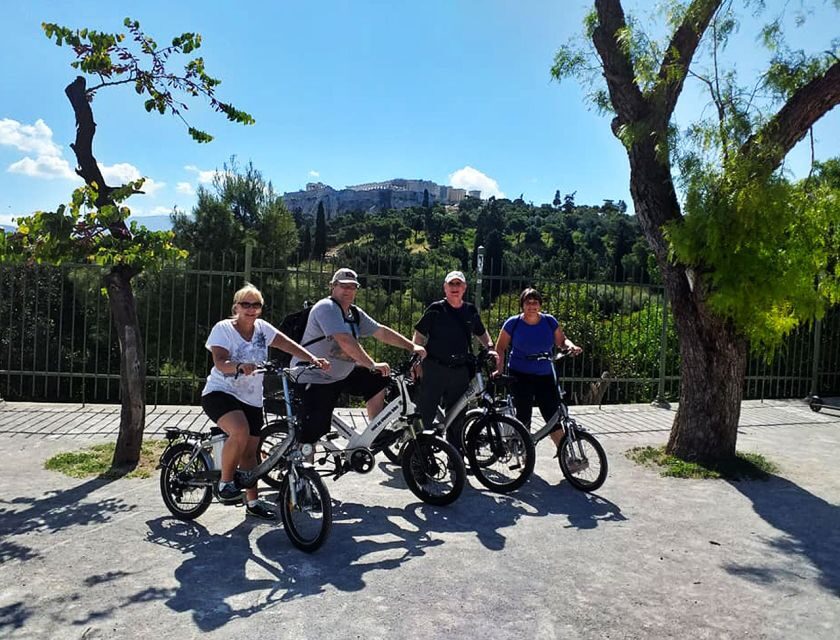
Your meeting point is near Thissio train station. That’s a smart choice because it’s easy to orient yourself in central Athens without needing a hotel pickup. You ride back to the same meeting point at the end, so there’s no awkward “now what?” moment with transit.
Before you roll, the most important thing is how confident you feel on the bike. The tour experience emphasizes clear bike explanations, and that’s exactly what you want on an e-bike: you need to understand how the pedal assist works and what the controls feel like. Add in helmets (included), and you’re set up to ride calmly rather than rushing out of the start area.
Practical note: don’t show up with luggage or large bags. If you’re traveling light, you’ll be fine. If you’re dragging a suitcase, you’ll feel that limit instantly.
The Acropolis approach: Via Dionysiou Areopagitou Street and the Temple of Olympian Zeus area
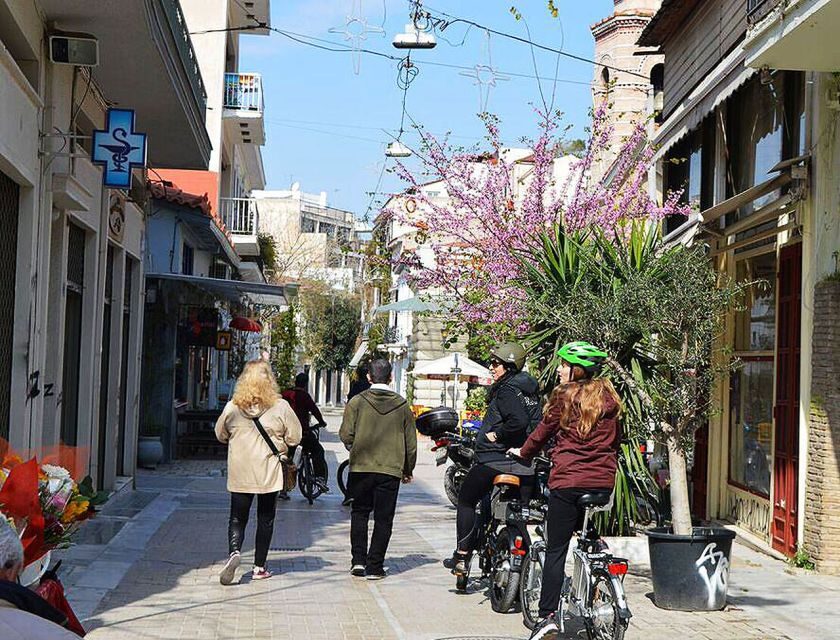
The highlight list points to the Acropolis area and Via Dionysiou Areopagitou Street, and the “what to expect” plan adds the Temple of Olympian Zeus. Together, these create a classic Athens arc: you start moving through the city toward one of its biggest visual magnets, while still seeing key landmarks along the way.
Here’s why this segment is worth caring about:
- Via Dionysiou Areopagitou Street gives you a recognizable corridor into the Acropolis zone, so the landmarks start to “connect” in your mind.
- The Temple of Olympian Zeus is a strong anchor point because it’s monumental in scale, even if you only get exterior views. It helps you understand why the Acropolis matters: this is the same Athens mindset of building grand religious and civic spaces.
Also, approaching by bike changes your perspective. You’re not just looking up at stone. You’re moving around the city’s structure, noticing sightlines and street geometry you’d miss if you were stuck on foot.
New Acropolis Museum area and the Parthenon views: seeing big without rushing inside
The plan specifically calls out the new museum of the Acropolis and the Parthenon, plus that you can enjoy an incredible view from Mt. Lycabettus. While entry to sights isn’t included, you can still get meaningful “I get it now” moments from viewpoints and the areas around the monuments.
What I’d look for as you move through this part of Athens:
- The way the Parthenon area sits in the landscape. From the right angles, it’s not just a single building—it becomes part of a whole composition.
- How the Acropolis Museum area adds context. Even without paid entry, being in the area helps you connect the ruins you’re seeing to the story people tell about them.
This is also a good reminder about pace. A bike tour won’t be the same as a slow museum day. You’re using the limited time to place yourself where you can see, orient, and understand—then decide later if you want to add deeper visits on your own.
Plaka and Thissio old neighborhoods: character comes fast when you’re not stuck in traffic
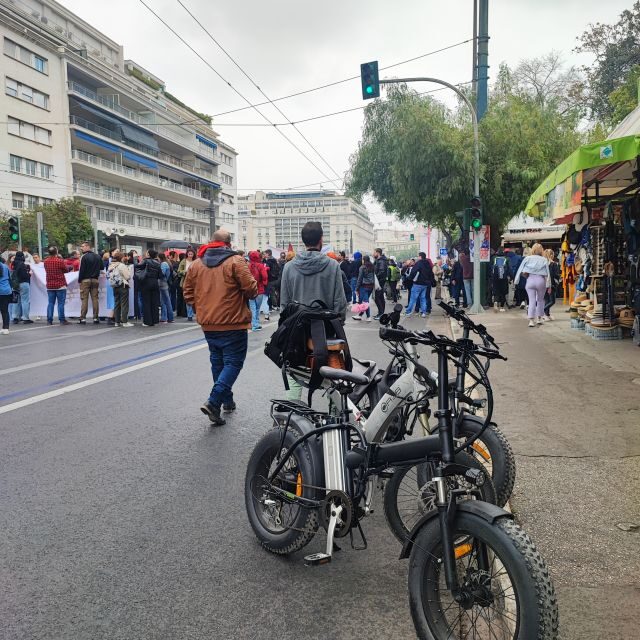
One of the best parts of any Athens day is the mix of “major landmark” plus “real neighborhood.” This tour includes Plaka and Thissio, and that’s a smart combo because they feel different in mood and texture.
- Plaka is the classic historic neighborhood vibe, where you can sense the tourist-friendly streets but still find traditional street patterns.
- Thissio is tied closely to the route logic because you’re meeting nearby and exploring the old-town feel without having to travel across town first.
On a bike, you can get that neighborhood flavor quickly. You glide through streets and turns, which helps you build mental maps. That’s useful because Athens is easier to navigate when you’ve already seen the neighborhoods from the inside.
- All Day Cruise -3 Islands to Agistri,Moni, Aegina with lunch and drinks included
★ 5.0 · 4,958 reviews
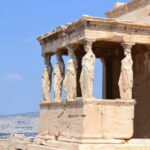





Monastiraki stop: where the city feels like itself
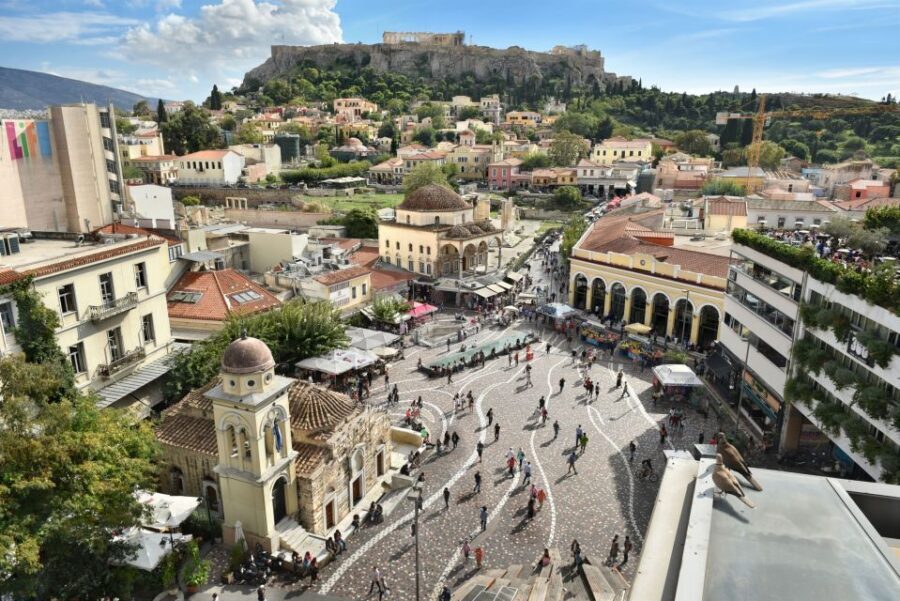
Monastiraki is one of the highlights, and it makes sense. It’s a place where Athens feels like it’s functioning at street level—not just on a postcard.
As part of the ride, Monastiraki works like a palate cleanser between big monuments. After the stone giants (Acropolis and Zeus), you get a more human-scale scene. You’ll likely notice how quickly the streets change from open landmark zones into older market streets and lively intersections.
What you’ll take away is simple: you’re seeing Athens as both an ancient capital and a lived-in modern city. A bike tour is good at delivering that contrast in a short time.
Arch of Hadrian at Leoforos Amalias: a “connector” landmark you shouldn’t skip
The highlights call out the Arch of Hadrian at Leoforos Amalias. Even if you’re not spending long there, this kind of landmark is a gift during a time-limited tour. It helps connect different eras of the city visually.
Think of it like a road sign for history—except the sign is stone. When you see it as a point along your route, it gives you a reference frame: you’re not just jumping between “random famous stops.” You’re moving through a shaped city.
If you like seeing how Athens layers itself (old to newer, landmark to neighborhood), this stop delivers.
Parliament and the Tomb of the Unknown Soldier: a solemn pause on wheels
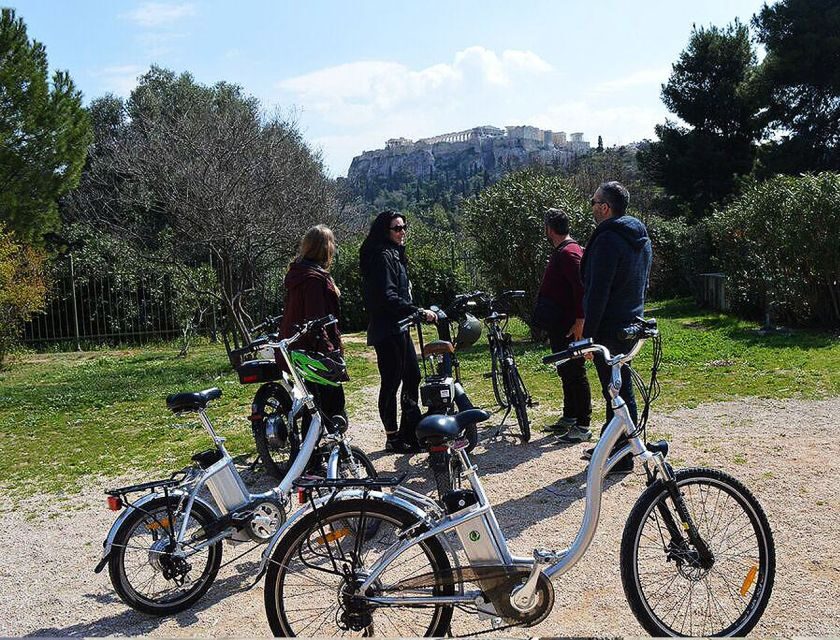
The “what to expect” list includes the Parliament and the Tomb of the Unknown Soldier. That’s an important balance point in the day. Ancient ruins can dominate the emotions of a trip, and then suddenly you’re at a site tied to modern national identity and remembrance.
On a bike tour, this stop is typically more about position and awareness than lingering for an extended ritual. Still, it’s a good moment to slow your pace internally: take in the setting, let the contrast land, and then you’re ready for the high-view payoff later.
Mt. Lycabettus viewpoint: why this stop matters more than you think
The tour description says you can enjoy an incredible view from Mt. Lycabettus. This is the moment that often justifies the whole day. From a height, Athens makes sense. Streets become lines, landmarks become anchors, and the scale of the city clicks into place.
Even if you’re not planning to spend ages taking photos, aim to take a few minutes to look slowly. The goal isn’t to “collect shots.” It’s to understand where things sit relative to each other—Acropolis area above, the city stretching out below, and the feeling of Athens as a landscape of history.
Price and value: is $51 per person a good deal?
At about $51 per person for a 3-hour experience, the value is mostly in one thing: transportation. You’re not paying for a car service or spending hours commuting between major sights. You’re getting an electric bicycle, a helmet, and water or refreshments, and the plan is built to hit many famous stops efficiently.
The main reason to consider it good value is that the tour is designed for a specific goal: maximum sight coverage in limited time. If your priority is deep museum time, you might prefer separate tickets and slower pacing. But if your priority is seeing the key clusters and getting your bearings fast, the pricing can feel fair.
Also remember: entry to sights isn’t included. That means you’re mainly paying for the ride and guided route experience, not for museum admissions. If you’re the type who enjoys hopping out for a few paid entries later, this kind of tour pairs well.
Who this tour fits best (and who should rethink it)
This tour makes sense if:
- You want a first-time Athens overview that links several landmark zones
- You’re okay with a shorter stop at each spot and prefer movement over long waiting
- You like the idea of using Mt. Lycabettus as a visual “capstone”
It may not fit as well if:
- You’re traveling with young kids. It’s not suitable for children under 14.
- You need to carry luggage or large bags. The tour doesn’t allow them.
- You want a heavily professional guiding format. The tour notes it’s not a professional guiding tour, so think of it as more practical and route-focused than lecture-heavy.
Practical tips so your ride goes smoothly
From the tour info, these are the things you’ll want to plan around:
- Bring a passport (or passport/ID card) as required by the tour’s information.
- Wear/bring something comfortable for a short ride and changing sidewalks.
- Use the water and refreshments during the ride; you’ll move a lot, and you’ll likely be out in the sun.
- Keep bags minimal. No luggage or large bags is the rule.
And one more sanity check: if you’re the kind of person who hates tight schedules, consider booking a day afterward with slower pacing. The e-bike tour sets you up for the rest of your trip, but it doesn’t replace longer visits.
Should you book the Athens electric bike tour?
If you want to see a lot of Athens landmarks without turning your vacation into a stair-only endurance test, I’d book this. It’s a great fit for people who want speed, comfort, and a route that links the Acropolis area, old neighborhoods like Plaka and Thissio, Monastiraki, and the big viewpoints like Mt. Lycabettus.
Skip it only if you’re expecting entry tickets to be included or if you need a professional, in-depth guiding style. The good news: for a practical, efficient Athens overview—especially when time is tight—this is one of the easiest ways to get your bearings.
FAQ
Where does the Athens electric bicycle tour start and end?
The tour starts at a meeting point near the train station Thissio and ends back at the same meeting point.
How long is the tour?
The tour duration is listed as 3 hours. Check availability to see the starting times.
What’s included in the price?
The price includes an electric bicycle, a helmet, and water or refreshments.
Are entry tickets to sights included?
No. Entry on sights is not included.
Is hotel pickup included?
No. Hotel pickup is not included.
Are children allowed?
This activity is not suitable for children under 14 years old.
What languages are the live guides available in?
The live tour guide is available in English and German.

More Tours in Athens

More Tour Reviews in Athens
- All Day Cruise -3 Islands to Agistri,Moni, Aegina with lunch and drinks included
★ 5.0 · 4,958 reviews