REVIEW · ATHENS
Cooking Class with Aspasia in the Heart of Athens
Book on Viator →Operated by IT IS GREEK · Bookable on Viator
Cooking in Athens shouldn’t feel like a classroom.
Aspasia’s class is a private cooking experience in a light-filled home in the center of the city, built around making (and then eating) a full spread of Greek favorites. I like that the menu isn’t generic: you’ll work through dishes tied to specific regions, from Cretan salad to a Mani-style egg dish.
Two things I really like: you’re not just watching—you’re set up to participate and learn as you go—and the meal you make is substantial. The seven dishes cover starters, mains, and dessert, so you leave fed (and not hungry for dinner plans).
One possible drawback to consider: if what you want is an intense, hands-on “cook every minute” workshop, this may feel more social than you expect. The format is friendly and conversation-driven, so it helps to know the menu ahead of time and come ready to cook and chat.
In This Review
- Key highlights that make this Athens cooking class special
- A brighter kind of Athens cooking class, in a real home
- The 3-hour rhythm: from bread and peppers to ravani
- Seven dishes from across Greece: what you’ll actually cook
- Paximadi bread with olives and graviera cheese
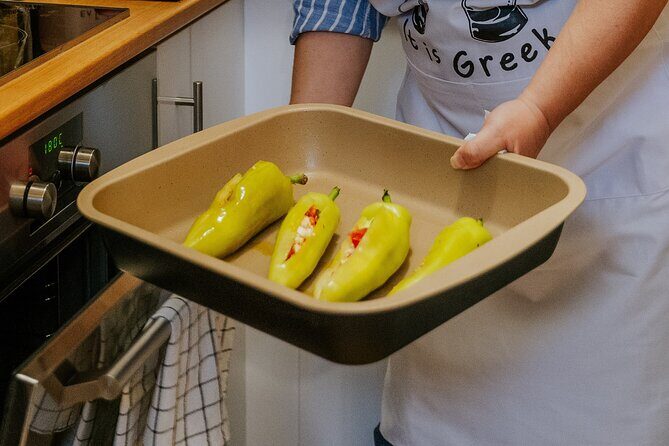
- Stuffed long sweet peppers (vegetarian and herb-rich)
- Greek eggs Kayanas with tomatoes and siglino
- Cretan Dakos salad with barley rusks, tomato, olive oil, and feta
- Greek meatballs with yogurt sauce
- Eggplants Imam (stuffed, savory, and herb-driven)
- Ravani for dessert: semolina cake soaked in syrup
- Aspasia’s personal attention (and the social side of cooking)
- Wine, meal size, and why this class is priced the way it is
- Where you meet and how to plan your evening
- Who this Athens cooking class suits best
- Should you book Aspasia’s Cooking Class in Athens?
- FAQ
- What is the duration of the cooking class?
- What dishes are included in the meal?
- Does the class offer wine?
- Is this a private experience?
- Where is the meeting point?
- Can I cancel, and is the class available in English?
Key highlights that make this Athens cooking class special
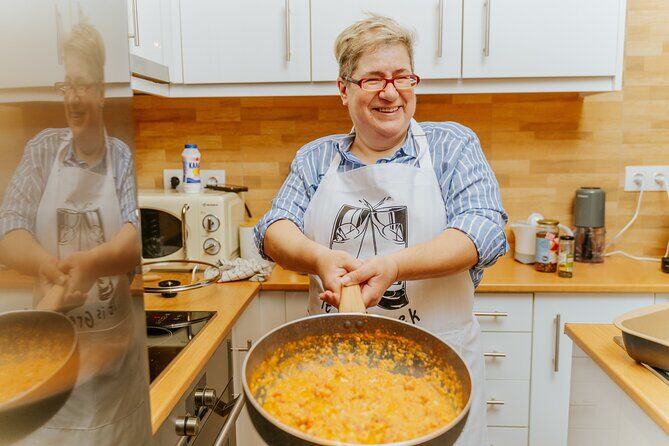
- Private home setting in central Athens, not a big group venue
- Seven Greek dishes spanning starters, mains, and dessert
- English instruction with personal attention from Aspasia
- Two glasses of white wine per person paired with the meal
- You’ll work through specific classics, including graviera, dakos, and ravani
A brighter kind of Athens cooking class, in a real home
This isn’t a commercial cooking studio. It’s in Aspasia’s apartment, where the vibe is calm, warm, and designed for conversation as much as technique. The location is in Athens, near public transportation, so it’s not a hassle to fit into an evening.
What makes this kind of experience valuable is the setting itself. When you cook in someone’s home, you get small, practical details that don’t show up in restaurant-style food tours—how ingredients are brought together, how long you wait, and what you should pay attention to as flavors build.
And yes, you’ll eat what you make. There’s something deeply satisfying about sitting down with a plate you helped put together—especially with Greek dishes where the ingredient quality matters a lot.
You can also read our reviews of more cooking classes in Athens

The 3-hour rhythm: from bread and peppers to ravani
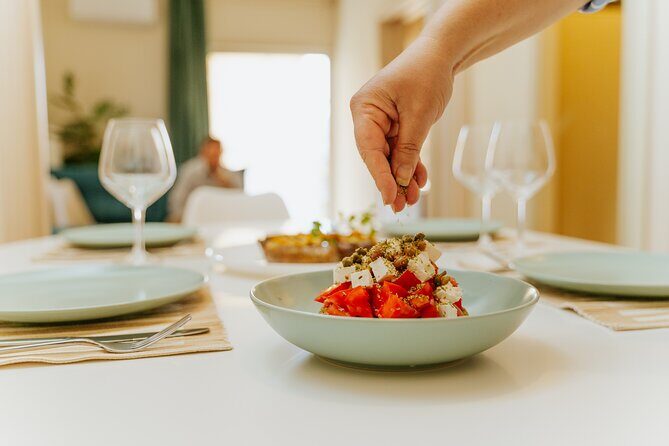
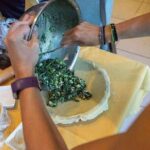
The class runs about 3 hours. You start by making several dishes that land you in that sweet spot of Greek comfort food: savory, tangy, herb-forward, and very “family table.”
The session builds like a meal, not a tasting parade. You’ll move from starters to mains, and then finish with dessert—while the host keeps things light and keeps the pace moving.
A key detail for planning: it ends back at the same meeting point, so you don’t have to figure out transport from a far-flung neighborhood after you’re full.
Seven dishes from across Greece: what you’ll actually cook
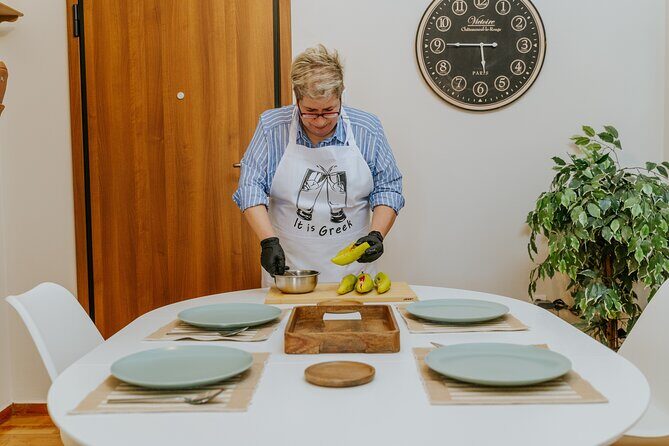
Here’s the menu you’ll prepare and eat, in a way that teaches you more than just “what it’s called.” Greek cooking often comes down to simple combinations done well, plus a few signature choices—and this menu hits those points.
Paximadi bread with olives and graviera cheese
You begin with paximadi bread paired with olives and graviera cheese. Graviera is a traditional Greek hard cheese, with a flavor that ranges from slightly sweet to a bit spicy. That one sentence tells you a lot: this cheese isn’t bland, so it stands up to the saltiness of olives.
This starter is a good warm-up because it’s straightforward. You’re not guessing at complexity—you’re learning how Greek flavors layer: bread texture, olive salt, cheese intensity.
Stuffed long sweet peppers (vegetarian and herb-rich)
Next come stuffed long sweet peppers. These are vegetarian and filled with feta cheese, herbs like spearmint, and tomatoes. The big lesson here is balancing herbs with dairy—spearmint adds a bright lift, while feta and tomatoes give you body.
If you’re thinking this class is only for meat lovers, this dish is your reminder that Greek cooking does vegetarian very seriously.
You can also read our reviews of more tours and experiences in Athens

Greek eggs Kayanas with tomatoes and siglino
Then you’ll make Greek Eggs Kayanas, a dish from Mani. It’s scrambled eggs with fresh tomatoes and cured pork called siglino.
Even if eggs sound simple, this is exactly the kind of “simple done right” cooking that teaches you what matters. The cured pork adds depth, while the fresh tomatoes keep it lively.
Cretan Dakos salad with barley rusks, tomato, olive oil, and feta
For a palate reset, you get Cretan Dakos salad. It combines crispy barley rusks with tomato, olive oil, and feta cheese—one of the most popular Greek dishes.
Dakos teaches texture. The barley rusks give crunch, but the tomato and olive oil bring moisture and flavor. It’s a reminder that Greek salads aren’t always just chopped vegetables with dressing—they can be built.
Greek meatballs with yogurt sauce
A class like this would be incomplete without Greek meatballs with yogurt sauce. These are ground beef meatballs with flour and Greek spices, served with yogurt.
This is one of the dishes that tends to stick with people. Meatballs are familiar, but Greek spices and the yogurt pairing change the whole feel, turning it from generic comfort food into something unmistakably Greek.
Eggplants Imam (stuffed, savory, and herb-driven)
Now for Eggplants Imam. It’s eggplant stuffed with a savory mixture of onions, tomatoes, garlic, and various herbs and spices.
Imam is a good learning dish because it’s all about how cooks build a filling. The aromatics do the work—onion and garlic bring sweetness and bite, tomatoes add sauce-like body, and the herbs give you that Greek “right at the table” aroma.
Ravani for dessert: semolina cake soaked in syrup
You finish with ravani, a sweet semolina cake soaked in an aromatic syrup, with origins in Northern Greece.
Semolina cake desserts can be dry if done poorly, but soaked syrup is the point. You get a tender bite and a sweet, fragrant finish that doesn’t feel heavy in the way some desserts can.
Aspasia’s personal attention (and the social side of cooking)
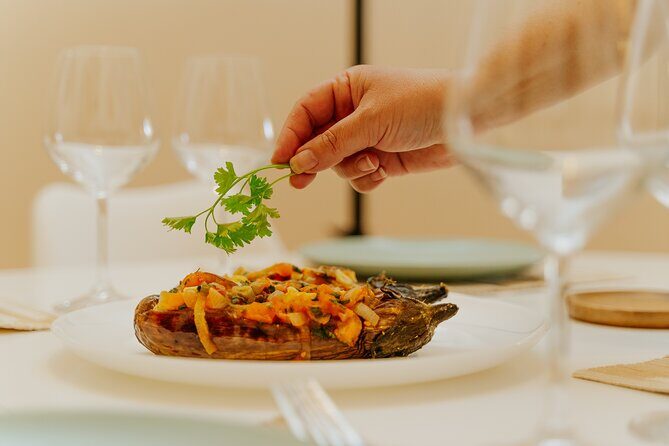
This is described as a private experience, so it’s only your group. That matters. In a one-on-one or small-group setting, the host can adjust pacing, explain what you’re looking for, and answer questions without rushing you.
The way the class is structured also supports conversation. You’re not just standing over a cutting board. You’ll socialize and interact while dishes come together, and you’ll clink glasses as you eat.
That said, here’s the honest caution: the experience can lean more “host-at-home” than “intensive workshop.” If your top goal is to do every prep task yourself with minimal chatting, I’d go in with clear expectations—and be ready to jump in when you’re invited to participate.
Wine, meal size, and why this class is priced the way it is
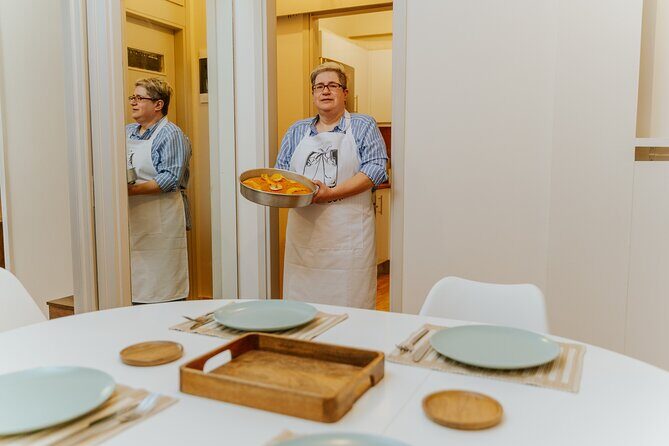
Price is $130.04 per person for about 3 hours, and that number comes with real inclusions: you get the meal, and you also get two glasses of white wine per person. You’re paying for ingredients, a private host, and the time it takes to teach and serve a full spread.
Is it cheaper than eating out? In most cases, no. But it can be a better value than you’d think if you were going to pay for dinner plus a guided food experience anyway. You’re not just tasting—you’re learning recipes and eating what you made.
Also, food classes like this are hardest to compare fairly. A fancy restaurant gives you the final plate; this gives you the process plus context, which is why it’s popular for people who love cooking at home.
Where you meet and how to plan your evening
You’ll meet at Tsocha 3, Athina 115 21, Greece and the activity ends back there. That’s helpful because after you’re done eating, you can focus on getting home rather than plotting your next stop.
It’s also noted that it’s near public transportation and service animals are allowed. If you’re traveling with a dog, this is the kind of small detail that can save headaches.
Since it’s offered in English and you’ll receive confirmation at booking, you can plan the timing without guessing.
Who this Athens cooking class suits best
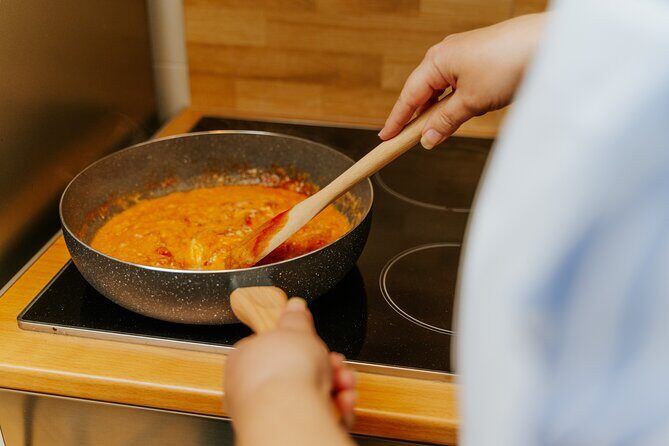
This works especially well if you want Athens through food you can re-create later. The dishes are classic Greek cooking with regional references, so you’ll understand the “why” behind the flavors, not just the names on a menu.
It’s also great for:
- Couples and small groups who want a calm, private night in the city
- People who like learning recipes in a home setting rather than a crowded tour space
- Anyone who enjoys both cooking and eating, because you do both in the same session
If you already know how to cook a lot and you crave very technical, heavy instruction, you might want to check that your expectations match the interactive, social pace. The experience is built to feel like a shared home meal, not a culinary boot camp.
Should you book Aspasia’s Cooking Class in Athens?
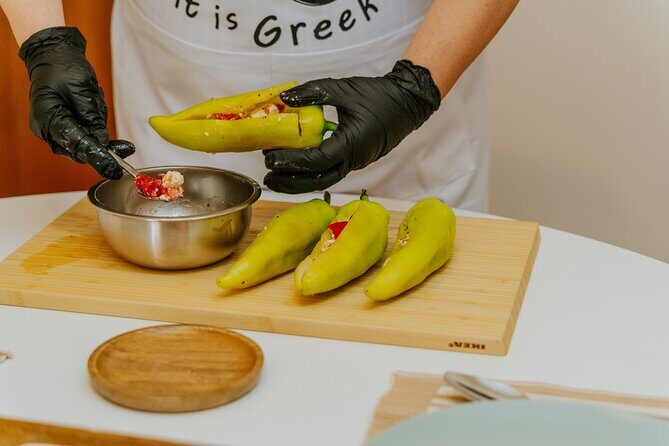
If you want a memorable Athens night with seven Greek dishes, a real home atmosphere, and a host who pays attention, I think this is a strong pick. The menu covers variety—cheese and olives, peppers with herbs, Mani-style eggs with siglino, Cretan dakos, meatballs with yogurt sauce, stuffed eggplant, and ravani—so it feels like a full meal, not a snack experience.
Book it if you like learning recipes you can actually cook later and you don’t mind that it’s friendly and conversation-friendly. Skip or compare if your main goal is intense step-by-step instruction with minimal social time, or if you want a different menu style than the one offered.
FAQ
What is the duration of the cooking class?
The class lasts about 3 hours.
What dishes are included in the meal?
You’ll cook and eat seven dishes: paximadi bread with olives and graviera cheese; stuffed long sweet peppers; Greek eggs Kayanas; Cretan Dakos salad; Greek meatballs with yogurt sauce; eggplants Imam; and ravani for dessert.
Does the class offer wine?
Yes. You’ll be served two glasses of white wine per person.
Is this a private experience?
Yes. It’s private, meaning only your group participates.
Where is the meeting point?
The meeting point is Tsocha 3, Athina 115 21, Greece, and the experience ends back at the same location.
Can I cancel, and is the class available in English?
Cancellation is free up to 24 hours in advance for a full refund. The experience is offered in English.



More Workshops & Classes in Athens
More Cooking Classes in Athens
More Tour Reviews in Athens
- All Day Cruise -3 Islands to Agistri,Moni, Aegina with lunch and drinks included
★ 5.0 · 4,958 reviews