Piraeus teaches you to look sideways. This 3 to 4 hour outing focuses on everyday corners of the port city, from the neoclassical Municipal Theatre to waterfront promenades, plus a museum stop that ties ships to Greek stories. I like that it feels local-first, not just photo stops, and you get to see how people live around the harbor.
Two things I really enjoy: the maritime-history angle at the Hellenic Maritime Museum, and the chance to stretch your legs along Mikrolimano and Pasalimani where the sea is right there. One drawback to keep in mind is timing and reliability—there have been cases where the guide did not show up, so you should plan a bit of backup freedom in your day.
In This Review
- Key highlights to know before you go
- Piraeus feels like its own city, not an Athens add-on
- The Municipal Theatre of Piraeus: short stop, strong first impression
- Sotiros Dios street: where street art meets everyday errands
- Mikrolimano: a small harbor walk with sea breeze built in
- Pasalimani marina: boats, views, and a lighthouse moment
- Hellenic Maritime Museum (Zea Marina): models, artifacts, and myth
- Piraiki: the calmer coastal finish with palm-lined views
- Price and value: why $44.14 can be fair (and when it’s not)
- Pacing, timing, and what to do with a 11:00 am start
- Group size, comfort, and getting the most from the stops
- One real risk to plan for: the rare no-show scenario
- Who I think this tour is best for
- Should you book this Piraeus tour?
- FAQ
- How long is the Piraeus tour?
- Where does the tour start?
- What time does the tour begin?
- Is this a private tour?
- Do I need cash or a printed ticket?
- Is the tour mainly outdoors?
- What’s the museum stop and how long is it?
- Is the tour suitable for most people?
- Are there any age rules?
- What happens if the weather is bad?
Key highlights to know before you go
- Neoclassical start at the Municipal Theatre with a chance to peek inside if it’s open
- Sotiros Dios street for shops, street art, and the kind of walking that locals do
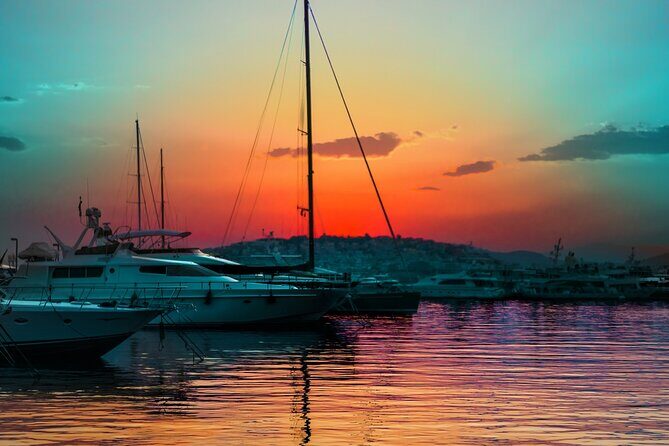
- Mikrolimano and Pasalimani harbors for sea air, boats, and easy promenade strolling
- Hellenic Maritime Museum in Zea Marina with models, artifacts, and a mix of history and myth
- Piraiki coastal quartier for a calmer finish with palm-lined views
Piraeus feels like its own city, not an Athens add-on
If you only see Athens from the main sites, you miss a huge part of Greece’s identity: the relationship with the sea. Piraeus is where that connection shows up in daily life—work, travel, restaurants, and neighborhood streets all orbit around the harbor.
This tour is designed for people who want to understand that orbit. You’re not just going from landmark to landmark; you’re moving through different moods of Piraeus. The itinerary mixes a quick cultural stop, street life, two waterfront walks, and then a museum that explains why all of this matters.
The other smart choice is pacing. You’re in the open air for a good chunk of the experience, but you also get indoor time at the museum. That balance helps on a hot day, and it also helps you absorb what you see. This is a private tour for your group, and the duration includes travel time and free time, so you’re not constantly racing.
You can also read our reviews of more tours and experiences in Athens.
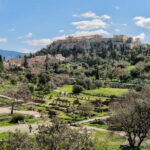


The Municipal Theatre of Piraeus: short stop, strong first impression
You begin at the Municipal Theatre of Piraeus (Leof. Ir. Politechniou 32, Pireas 185 35). Even if you just do the outside walk, it’s worth it. It’s a neoclassical building from the early 20th century, and it gives you a quick sense of how seriously Piraeus treats culture.
If the theater is open, you may be able to step inside and see the grand foyer and the main auditorium. The auditorium is listed as seating up to 1,300 people, which is a striking scale for a city area that many people overlook. There may also be historical artifacts you can spot while you’re there.
The “gotcha” here is simple: opening times are not guaranteed. The tour time is short—about 15 minutes—so you’re not stuck waiting around. But it’s still a stop where good luck with access can make it feel extra special.
Sotiros Dios street: where street art meets everyday errands
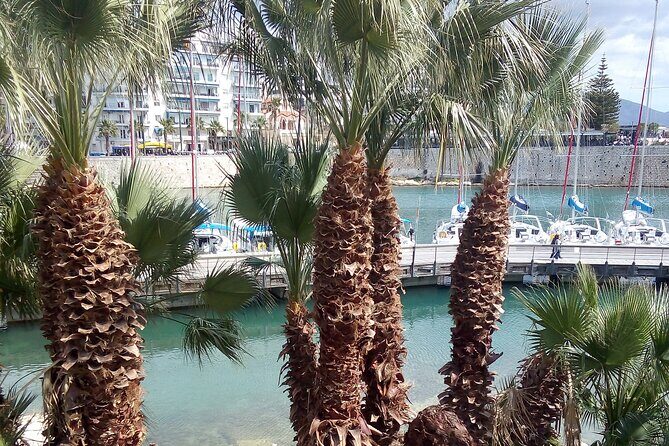
Next comes Sotiros Dios, a lively pedestrian-friendly street in the heart of Piraeus. This is where you slow down and watch real life. It’s lined with shops, restaurants, cafes, and bars, and the sidewalks are wide enough to stroll without turning it into an endurance test.
What I like about this stop is that it’s not staged. You’ll notice a mix of modern and older buildings, and the street is known for street art—colorful murals and graffiti. That street art detail matters because it reflects what’s current in the neighborhoods, not just what’s preserved for tourists.
The scheduled time is about 20 minutes, which is perfect. It’s enough to walk, look, and grab a quick taste of the area, but not long enough to feel like a shopping detour. If you enjoy photos with a sense of place, this is one of the better spots for it.
Mikrolimano: a small harbor walk with sea breeze built in
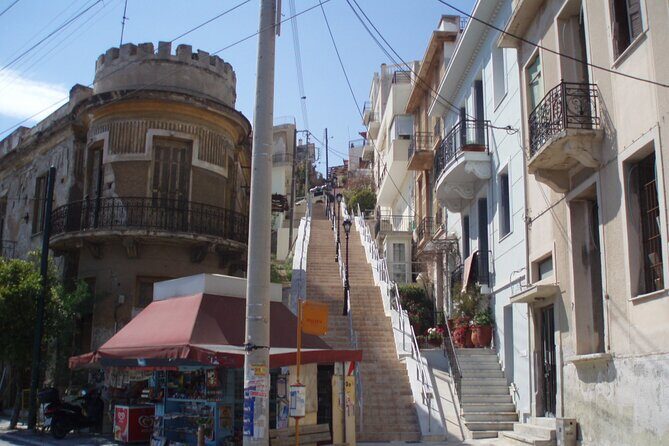
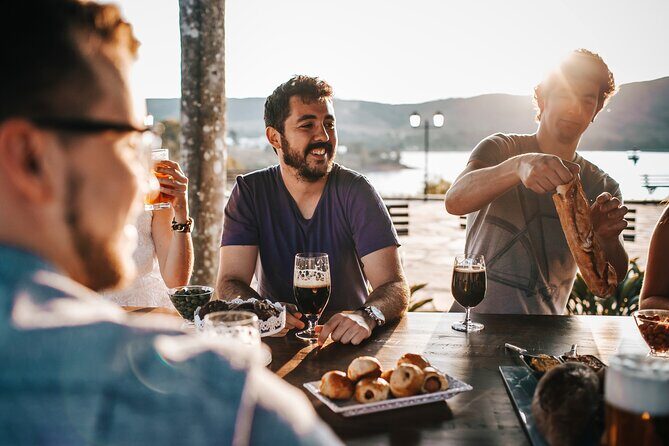
From Sotiros Dios, you shift to the water at Mikrolimano, a smaller port area that feels more intimate than the big marina vibes. You start near the port entrance where you can see small fishing boats and yachts moored at the docks.
The main experience here is the promenade walk. It’s lined with traditional tavernas, seafood restaurants, cafes, and bars, so the environment keeps nudging you toward snack decisions. Even if you don’t stop for food, the rhythm is the point: walk, look at the boats, breathe in the sea air, then move on.
The time you’ll spend is about 1 hour, which gives you breathing room for photos and slow wandering. The view angle also tends to be forgiving—there’s open sky and water nearby, so you’re not fighting for viewpoints.
A practical thought: harbor areas can get breezy, and sometimes that means cooler temperatures than you expect. Bring a light layer if you’re going in shoulder season.
Pasalimani marina: boats, views, and a lighthouse moment
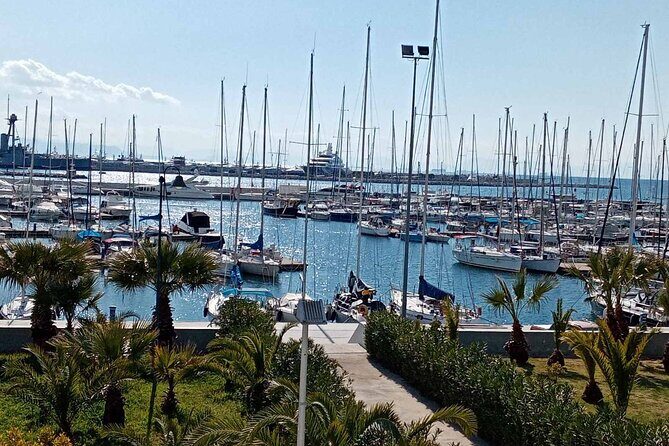
Next is Pasalimani, described as the main marina of Piraeus. If Mikrolimano feels small and cozy, Pasalimani feels a touch more “official” because it’s the larger marina area. You’ll start by admiring the boats and yachts docked along the marina.
From there you walk the promenade, and the surrounding scene does a few things at once: cafes and restaurants along the way, sea breeze, harbor views, and a sense of the hills rising in the background. You may also spot two notable anchors in the story of the area—a historic lighthouse and a statue of Themistocles, the Athenian general.
That Themistocles connection is a reminder that Piraeus’s maritime role isn’t random. The city’s identity is tied to Greek naval history and strategy, not just commerce. The tour time is about 35 minutes, so think of this as your “big-view” segment rather than a long sit-down moment.
If your group likes a bit of variety, this stop is a nice pivot before the museum. You go from boat scenery to the explanation of how all this fits into Greece’s naval and shipping legacy.
- All Day Cruise -3 Islands to Agistri,Moni, Aegina with lunch and drinks included
★ 5.0 · 4,958 reviews



Hellenic Maritime Museum (Zea Marina): models, artifacts, and myth
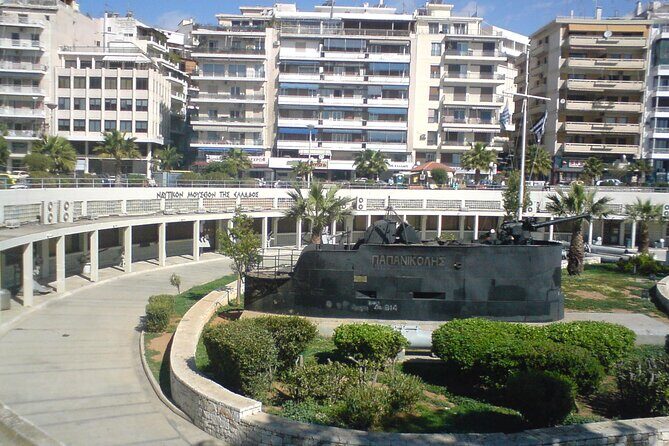
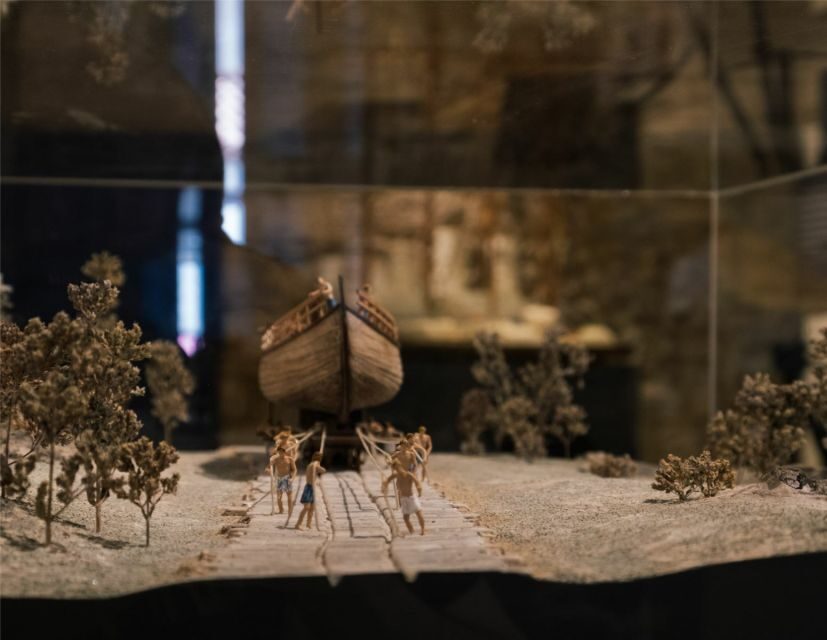
Now the tour turns more educational at the Hellenic Maritime Museum in the Zea Marina area. The museum sits in a historic building that used to be a naval storehouse, so you’re literally inside maritime infrastructure, not just reading about it.
Inside, you can expect exhibits covering Greece’s relationship with the sea across different angles. The collection includes ship models, paintings, sculptures, and other artifacts. You’ll also get context on naval battles, exploration, and the shipping industry—things that shaped trade, power, and travel.
One of the most interesting points for people who like stories is that the museum also ties the sea to cultural meaning, including Greek mythology and literature. That’s a valuable change of pace. Instead of treating ships only as technology or warfare, you see how the sea became a language for Greek imagination.
Plan for about 40 minutes here. That’s enough time to walk the main rooms, take in a few exhibits in depth, and still keep energy for the last coastal segment.
Piraiki: the calmer coastal finish with palm-lined views
To close, you head to Piraiki, a coastal quartier in the southern part of Piraeus. This is a “take a breath” stop after marinas and museums. The promenade is lined with palm trees, and the views focus on the Aegean Sea, along with small fishing boats and yachts near the pier.
The time is about 30 minutes. That’s just right for watching the water, snapping a few final photos, and letting the whole experience click into place: culture, street life, ports, and then—finally—the coastline as a daily backdrop.
If your day in Athens is packed, this ending can feel like a gift. You’re not ending with a stressful run back to a crowded transit hub. The tour ends back at the meeting point, so you keep things simple.
Price and value: why $44.14 can be fair (and when it’s not)

At $44.14 per person for roughly 3 to 4 hours, the price is in the “mid-range” zone for a private Piraeus-focused walk. The value depends on two things: what you want from the time, and whether your schedule can flex with the weather.
You’re paying for:
- A private group experience, not just a large shared bus-style tour
- A mix of street viewing and waterfront walking, which many tours skip
- A museum stop that adds explanation to what you’re seeing outside
- A mobile ticket, which cuts down on paperwork stress
Also, the average booking is around 55 days in advance, which hints at steady demand. If you’re traveling high season, booking earlier can reduce the odds of schedule friction.
When it might not feel worth it: if you mainly want the headline attractions from Athens proper, Piraeus will feel slower. This is for people who want local texture and maritime context. If that’s you, the price starts to make sense fast.
Pacing, timing, and what to do with a 11:00 am start
The tour starts at 11:00 am. That’s helpful because daylight will be strong for outdoor harbor segments. It’s also late enough to avoid an early-morning rush, especially if you’re already moving around Athens earlier in the day.
You’ll spend short blocks at some stops and longer time at others:
- Theater: about 15 minutes
- Sotiros Dios: about 20 minutes
- Mikrolimano: about 1 hour
- Pasalimani: about 35 minutes
- Maritime Museum: about 40 minutes
- Piraiki: about 30 minutes
Because travel time and free time are included in the total, you’re not just counting minutes at each location. Still, think of this as an active half-day. Comfortable walking shoes help, and if you’re sensitive to sun, consider bringing a hat or something similar.
Group size, comfort, and getting the most from the stops
You’ll be in a private setting, meaning only your group participates. That usually matters because you can ask questions without fighting through a crowd. It also tends to help the tour feel more connected to your pace—especially on the street and harbor segments where you might want a few extra seconds for a photo or a closer look at details.
It also helps that the stops vary. If your group is mixed—someone who likes architecture, someone who likes views, someone who wants museum time—this itinerary gives each person something to latch onto.
One real risk to plan for: the rare no-show scenario
A balanced review has to mention logistics risk. There have been reported cases where the tour operator’s guide did not show up at the meeting point, including one situation where the guide was delayed due to a motorcycle accident. In those cases, money was refunded, but you still lose the day’s time and momentum.
What you can do:
- Keep your day flexible and avoid booking a second must-do activity right after the tour.
- Stay reachable on the day of the tour so the operator can contact you quickly.
- If weather looks questionable, remember this experience requires good weather, and it may be rescheduled or refunded.
This isn’t meant to scare you away—it’s meant to help you travel smart.
Who I think this tour is best for
This is a great fit if:
- You want a port-city view of Greece, not just museum-only Athens
- You like walking through neighborhoods and spotting street art and local street life
- You’re curious about how Greek maritime history connects to culture and storytelling
- You like the idea of a private, guided route with breathing room for questions
It may feel less ideal if your trip is ultra-short and you only want the most famous Athens monuments. Piraeus has its own identity, and this tour leans into that.
Should you book this Piraeus tour?
Yes, I’d book it if you have even a half-day to spare and you want to understand Piraeus the way locals do: streets first, ports second, then the story behind it at the museum. The combination of waterfront walks, the Maritime Museum, and the neighborhood feel is exactly the kind of Athens-adjacent experience that gives you depth without exhausting you.
I’d book with eyes open. Factor in the weather requirement and keep your schedule flexible in case of last-minute changes. If your idea of a perfect day is lots of sitting or only the biggest headline sites, look elsewhere. If your idea of a good day includes sea air, boats, and real city texture, this one earns its spot.
FAQ
How long is the Piraeus tour?
It runs about 3 to 4 hours total, and that total includes travel time and free time.
Where does the tour start?
It starts at the Municipal Theatre of Piraeus at Leof. Ir. Politechniou 32, Pireas 185 35, Greece.
What time does the tour begin?
The start time listed is 11:00 am.
Is this a private tour?
Yes. Only your group participates.
Do I need cash or a printed ticket?
You’ll receive a mobile ticket.
Is the tour mainly outdoors?
A lot of the tour includes walking through streets and waterfront areas, plus a museum visit indoors.
What’s the museum stop and how long is it?
You visit the Hellenic Maritime Museum in the Zea Marina area, with about 40 minutes scheduled.
Is the tour suitable for most people?
Most travelers can participate. Service animals are allowed.
Are there any age rules?
There’s a minimum age requirement of 18 for alcohol consumption.
What happens if the weather is bad?
This experience requires good weather. If it’s canceled due to poor weather, you’ll be offered a different date or a full refund.

More Tour Reviews in Athens
- All Day Cruise -3 Islands to Agistri,Moni, Aegina with lunch and drinks included
★ 5.0 · 4,958 reviews