REVIEW · ATHENS
Greek dance lessons
Book on GetYourGuide →Operated by GOGO ELECTRIC · Bookable on GetYourGuide
Greek dance hits different when you stop watching and start moving.
This class is built to help you get the steps down without feeling judged, and you also learn what the dances mean in different parts of Greece. I like the focus on easy, fun instruction and the way the lesson weaves in regional culture through costumes and the jewelry that go with them. One thing to consider: this is still a dance lesson, so if you freeze when music starts, you may need a little extra patience with yourself at the beginning.
The setting adds charm fast. You meet near the Acropolis Metro Station, then walk through Plaka’s old lanes to a preserved four-floor building tied to George Finlay (a British historian of the Greek Revolution), with a flowery yard for the lesson. I also like that you get practical context about how Greek costumes are put together, not just a quick costume look-and-tell. A possible drawback is that expectations can vary: you’ll learn dances and their cultural background, but it’s not a long multi-session course.
Key takeaways before you go
- Plaka meeting, 3 minutes from Acropolis Metro: you start with a short walk that puts you in the right mood.
- Dance first, culture alongside it: the steps and the meaning go together.
- Beginner-friendly pace: the tone is easy enough that first-timers can keep up.
- Costumes and jewelry context: you learn what you’re seeing on Greek traditional outfits.
- English or Spanish instruction: helpful if you want clarity and cues you can follow.
- 1.5 hours total: enough time to learn something real without taking over your whole day.
In This Review
- A fun way to understand Greek folk dance, not just copy steps
- Where you’ll start: Acropolis Metro to Plaka lanes to the George Finlay building
- The 1.5-hour class flow: what you’ll do once you arrive
- What dances and regions you’ll learn through
- Greek costumes and jewelry: why this part is more than decoration
- Pricing and value: what $73 buys you in real terms
- Who this tour works best for (and who should adjust expectations)
- Practical tips for enjoying the class more
- FAQ
- FAQ
- How long is the Greek dance lesson?
- Where do I meet the group?
- What will I learn during the lesson?
- What languages are offered?
- Is the class suitable for beginners?
- Is it wheelchair accessible?
- What is the cancellation policy?
- Should you book this Greek dance lesson?
A fun way to understand Greek folk dance, not just copy steps
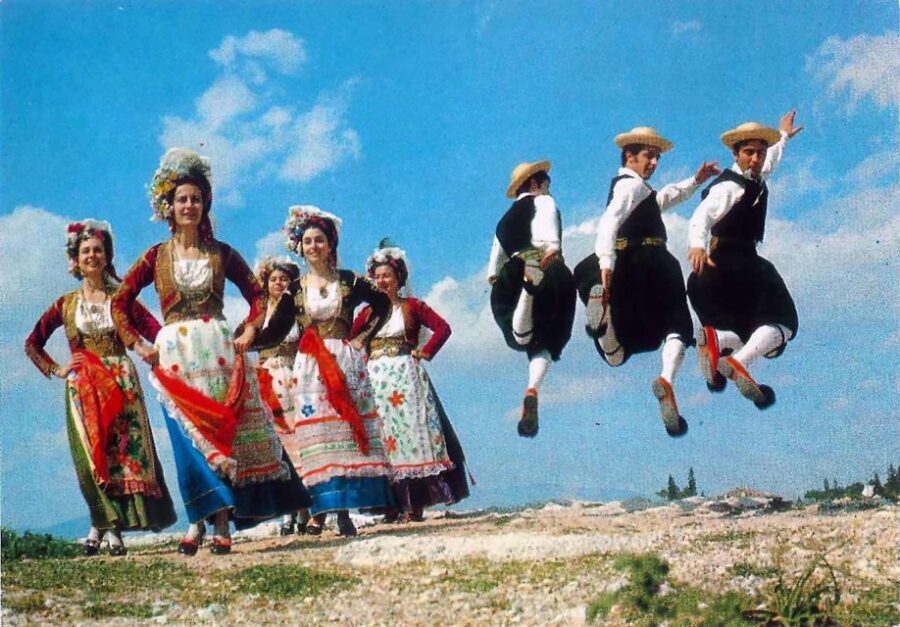
Greek folk dance has a role beyond entertainment. In Greece, people connect dance to seasons, celebrations, and everyday feelings, and the ancient Greeks even linked dance to religious life and cult events through stories that it came from the gods. In this class, that bigger picture matters because you’re not just counting beats. You’re learning why certain movements feel like celebration, welcome, or shared emotion.
The lesson is designed to feel light and encouraging while still giving you structure. You’ll focus on well-known folk dances drawn from the islands of the Aegean and Ionian Seas plus mainland Greece, so you get a sense of variety without getting lost in deep theory. That balance is exactly what makes this kind of experience work for most visitors: it’s hands-on and understandable.
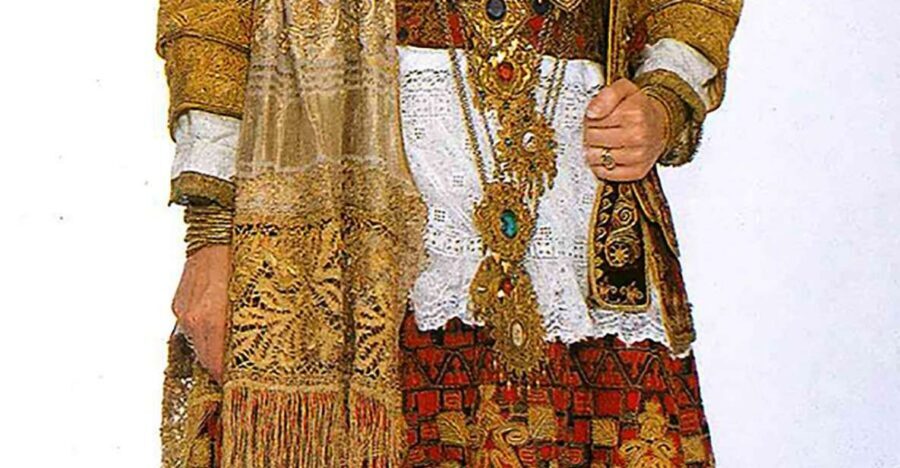
I also like that the class doesn’t treat costumes as decoration only. Greek traditional clothing includes specific details, and the instructor covers general clothing information plus the special jewels that adorn outfits. That helps you leave with better pattern recognition when you later see dance performances, photos, or museum displays.
Where you’ll start: Acropolis Metro to Plaka lanes to the George Finlay building
You begin at an 18th century building very close to Acropolis Metro Station, about a three-minute walk. This matters because you avoid a long, confusing trek right at the start of the activity. If you’re spending your day in central Athens, it’s also a simple add-on: you can plan it before or after sightseeing without major logistics stress.
From there, the group walks through the picturesque alleys of Plaka, the old town area right by the Acropolis. It’s not a long stroll, but it’s a smart warm-up. Plaka’s lanes naturally slow you down, and that makes it easier to arrive relaxed instead of stressed and late.
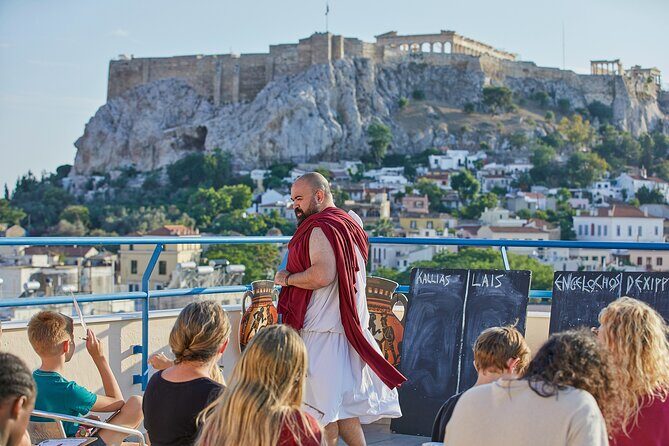
You’ll then head to the property of George Finlay, a well preserved four-floor building with a flowery yard where the dance lesson takes place. That detail matters more than it sounds: a historic building with outdoor/yard space tends to make the session feel more human, less like a studio you’ll rush through. You also get a sense of place, because the whole activity is happening in Athens, not in a generic dance hall tucked away from the city.
You can also read our reviews of more tours and experiences in Athens



The 1.5-hour class flow: what you’ll do once you arrive
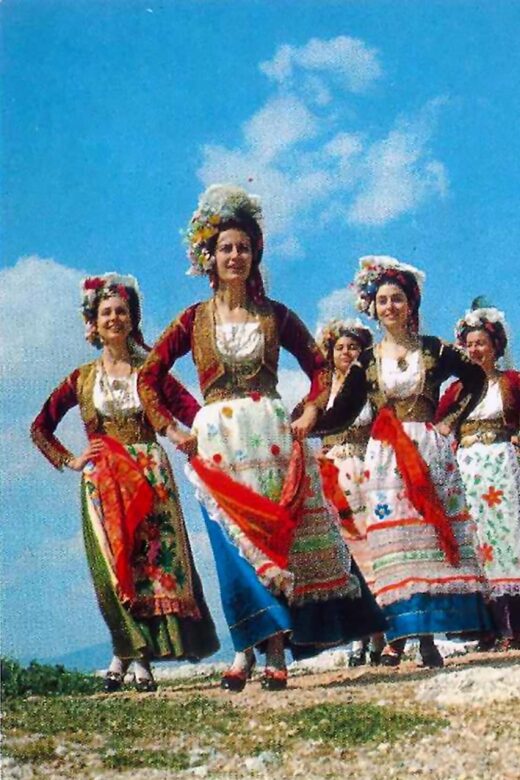
Once you reach the lesson space, an experienced dance teacher introduces you to Greek folk and traditional dances. The total duration is 1.5 hours, so the pace is built for momentum. You’re likely to start with basics and then move into learning specific dances, with repeats so you can improve during the session rather than just watch.
The big promise here is that you’ll learn well-known dances from the Greek islands and the mainland. That means you don’t leave with only one style. Instead, you get a small, practical sampling of how Greek dance can shift by region, rhythm, and vibe.
This is where the class earns its rating. One reviewer described the experience as very professional and noted that they learned many dances, with an ideal setup for beginners. Another review called it fun and informative. In plain terms, the format seems to balance structure (so you know what to do) and energy (so you actually want to try).
A small warning from real life: one person mentioned they discovered they have no rhythm in their body. That doesn’t mean the class is unfair. It means you should bring patience. Greek dancing is physical and musical, and your first attempt may feel awkward. The good news is you’re in a lesson, not a performance audition.
What dances and regions you’ll learn through
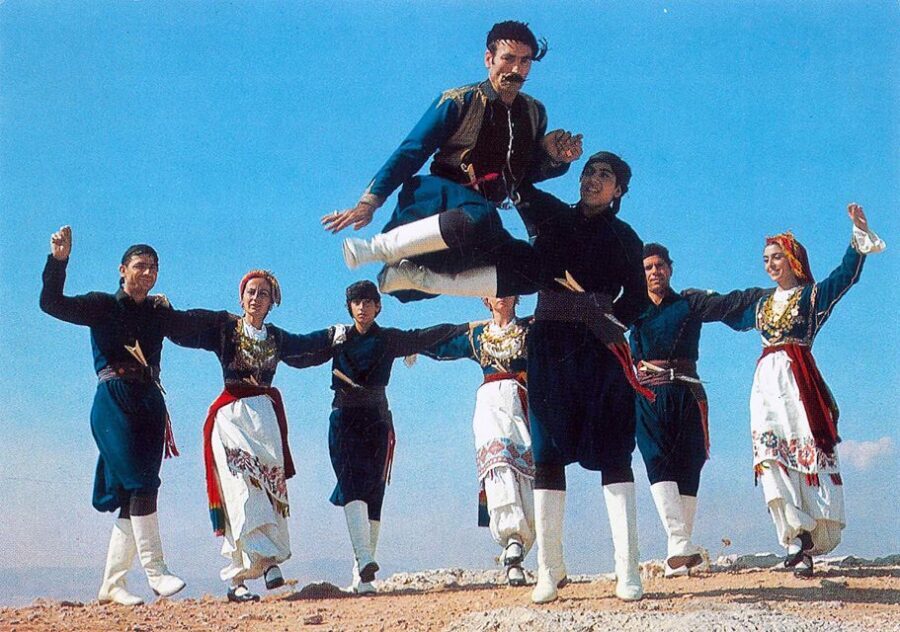
The class focuses on well-known Greek folk dances from the Aegean and Ionian islands plus mainland Greece. That matters because Greece isn’t one single dance culture. Different regions develop their own rhythms, step patterns, and social meanings, shaped by local traditions and community life.
In this lesson, you’ll connect those regional ideas to what you’re doing with your feet and body. The goal isn’t to memorize a textbook map of Greece. It’s to understand that dance carries regional identity, and that identity shows up in movement choices.
You’ll also learn about the role of singing, the shared expression of feelings, and how dance ties into welcoming seasons and community moments. Even if you don’t speak Greek, the meaning makes the steps feel less random. When you know what the dance is trying to communicate, you can follow it better and enjoy it more.
Greek costumes and jewelry: why this part is more than decoration
A standout feature is the costume and jewelry component. You’ll get to know some Greek costumes and learn about the special jewels that adorn them, plus general clothing information about Greek traditional attire.
Here’s why that’s valuable. When you watch Greek dance performances later, you’ll notice more than color and fabric. You’ll start to recognize that clothing details often relate to region, occasion, and tradition. Jewels, accessories, and costume structure can act like a visual language. This class gives you a small dictionary for that language.
Also, costumes are part of why this experience feels more immersive than a basic dance class. Instead of only learning steps, you’re learning the cultural context that gives the dance its atmosphere. You get a reason to pay attention to the whole outfit, not just the footwork.
One practical note: since the class includes costume-related information, you might enjoy it more if you’re curious about what you see in Greek culture. If your goal is strictly fitness or movement, the costume segment might feel like a short break from dancing. If your goal is cultural understanding, this is one of the best parts to lean into.
Pricing and value: what $73 buys you in real terms
The price is $73 per person for 1.5 hours. That’s not a bargain-matinee price, but it also isn’t an ultra-luxury private-session cost. For central Athens, you’re paying for three things at once: instruction from an experienced teacher, hands-on learning of multiple well-known folk dances, and the added cultural content about costumes and jewelry.
The value becomes clearer if you think about typical alternatives. You could watch a show where you pay for entertainment only. This class gives you participation plus context. You also avoid the sunk cost of signing up for a generic dance workshop that covers one style with little cultural background.
Based on how reviews describe it, the lesson seems to hit the sweet spot: fun and informative, and enough content that beginners feel like they learned real dances within the timeframe. If you want a hands-on activity that’s not just a photo stop, this price is easier to justify.
- All Day Cruise -3 Islands to Agistri,Moni, Aegina with lunch and drinks included
★ 5.0 · 4,958 reviews






Who this tour works best for (and who should adjust expectations)
This experience is a strong match if you want an active way to learn Greek culture. It suits beginners because the instruction is described as ideal for people starting from scratch. It’s also good if you like variety, since you’re learning dances associated with both islands and mainland Greece.
You’ll likely enjoy it if you:
- Want a short, single-session activity (1.5 hours) that doesn’t swallow your entire day
- Prefer learning by doing instead of only sightseeing
- Enjoy cultural details, especially costumes and traditional clothing
You might want to think twice if:
- You need a fully silent, low-energy activity
- You expect a deep multi-day course rather than a focused introduction
- You’re going to be overly hard on yourself on your first try at coordination and rhythm
And yes, if you tell yourself you have no rhythm, you’re not alone. Just treat that as part of the learning curve.
Practical tips for enjoying the class more
Greek dance lessons can feel intimidating if you arrive stiff. The best move is to go in ready to be a beginner.
Wear comfortable clothes and shoes that let you move. You’ll want to be able to shift weight and follow the teacher’s cues without worrying about slipping or snagging fabric. Also, arrive a bit early so the Plaka walk doesn’t turn into a rushed scramble.
If you get lost during the step practice, don’t interpret it as failure. In a group lesson, the instructor’s job is to help you catch up. Your job is to keep trying the next version, even if it’s not perfect.
Finally, pay attention during the costume and jewelry explanation. The information gives meaning to what you may see later in Greece. Even a short cultural segment can change how you notice details on your next museum stop or performance.
FAQ
FAQ
How long is the Greek dance lesson?
It lasts 1.5 hours.
Where do I meet the group?
You meet at an 18th century building near the Acropolis Metro Station, about a 3-minute walk away.
What will I learn during the lesson?
You’ll learn well-known Greek folk dances, plus you’ll get information about Greek costumes and the jewels that adorn them, and culture from different Greek regions.
What languages are offered?
Instruction is available in English and Spanish.
Is the class suitable for beginners?
Yes. The lesson is described as ideal for beginners, with an easy and fun approach.
Is it wheelchair accessible?
The information includes wheelchair accessibility, but it also lists that it is not suitable for wheelchair users. Since that’s conflicting, you should check directly with the provider before booking.
What is the cancellation policy?
Free cancellation is available up to 24 hours in advance for a full refund, and you must reserve at least 48 hours before the activity.
Should you book this Greek dance lesson?
I’d book it if you want a hands-on Athens experience that mixes movement with real cultural context. The best part is the combination: you learn Greek folk dances from across the Aegean, Ionian, and mainland, then you get costumes and jewelry meaning that helps you understand what you’re seeing elsewhere.
Skip it only if you’re looking for a passive activity or you don’t want to be challenged to coordinate music and steps. If you can be a little brave for 1.5 hours, this is the kind of class that turns travel photos into memories you actually feel.



More Workshops & Classes in Athens


More Tour Reviews in Athens
- All Day Cruise -3 Islands to Agistri,Moni, Aegina with lunch and drinks included
★ 5.0 · 4,958 reviews