REVIEW · ATHENS
Meteora Monasteries & Caves DayTrip from Athens with Greek Lunch
Book on Viator →Operated by Meteora Thrones -Travel Center · Bookable on Viator
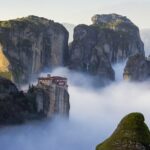
From Athens, you take an early coach and spend the afternoon on UNESCO rock towers, hopping between monasteries that look impossible from ground level. I love that you get three monastery interiors during your visit, not just exterior viewpoints. I also love the included stop for the Hermit Caves, which adds the human story beyond the big churches. One possible drawback: this is a long day, and any road delays can push you later than planned.
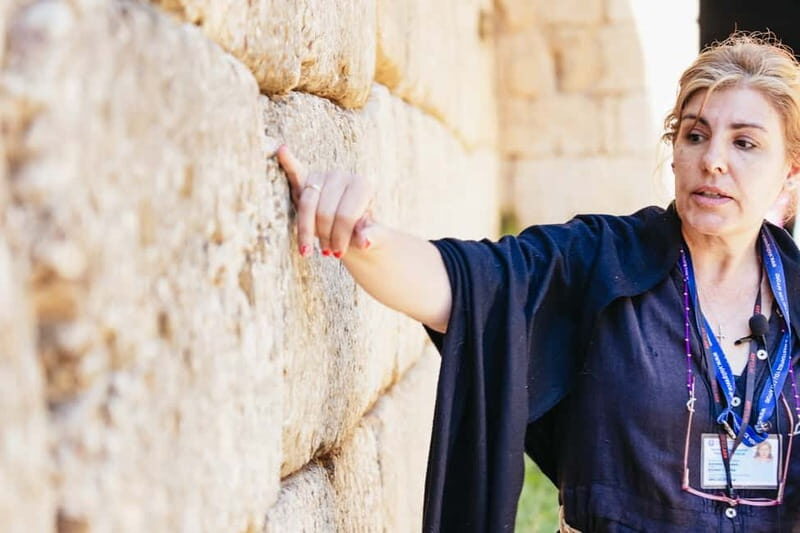
The whole thing is led by a local guide—often Maria or Clement—so you get context as you climb, look up, and move from site to site. Expect a rhythm of short photo breaks, then guided time inside the religious sites, then more views from the valley side.
One more note up front: you’ll need to follow the monastery dress rules and be ready for step-heavy paths. If that sounds like a hassle, Meteora at your own pace might feel better.
In This Review
- Key highlights worth planning around
- Athens to Kalabaka: the ride that shapes your day
- Kamena Vourla and Kastraki: two quick stops with real flavor
- Meteora panoramas: how you see six monasteries in limited time
- Inside the main monasteries: Great Meteoron and Varlaam first
- Hermit Caves at Saint Nicholas Anapafsas: the quieter side of Meteora
- The nuns’ monasteries and cliff-top views: what you’ll likely notice
- Lunch that you’ll actually appreciate during a long day
- What to wear: Meteora dress rules are real
- How the tour keeps you informed: live guide plus smart audio
- Price and value: what you’re really buying for €87-ish
- Who this tour fits best (and who should skip it)
- Should you book this Meteora day trip?
- FAQ
- What time does the tour depart Athens?
- How long is the Meteora visit?
- Will I visit monasteries inside or only from outside?
- Are monastery entrance fees included?
- Is lunch available, and what does it include?
- Is WiFi available on the coach?
- Who guides the tour, and is it offered in English?
- What should I wear for monastery visits?
- Is the tour suitable for people with mobility concerns?
Key highlights worth planning around
- 8:00am departure from Athens by air-conditioned coach with free WiFi and USB chargers
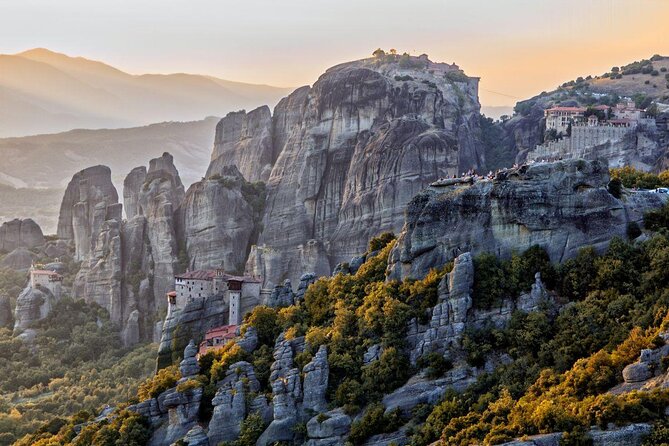
- All six monastery panoramas plus interior time at three most popular sites
- Hermit Caves and Badovas area, for early monastic life above the cliffs
- Optional lunch upgrade at a reserved local restaurant, plus a snack stop en route
- Small tour size (up to 35) and a guide who keeps the day moving
- Cash-needed monastery entrances (about €5 per monastery) with no ATM nearby
Athens to Kalabaka: the ride that shapes your day
This is one of those trips where timing matters. You depart Athens at 8:00am from Larissa Station (Larissis Station). The bus meets you outside the station across the street from the platform area, marked with a sign for Meteora Thrones – Travel Center. Plan to arrive 15 minutes early. If you miss the bus, nobody will track you down—this is a tight schedule kind of day.
The coach ride is part of the experience. You get air-conditioned comfort, free WiFi, and USB chargers, which helps because the day is long on purpose. You’ll also have that halfway break (about 30 minutes) at a top-rated bus stop restaurant by the sea in Kamena Vourla. If the weather is clear, you’ll get a view of Evia from the water.
Your arrival in Kalabaka around 12:30 is when the day really starts. That’s when you meet your guide (Maria or Clement) and switch from transit mode into monastery mode.
You can also read our reviews of more tours and experiences in Athens.


Kamena Vourla and Kastraki: two quick stops with real flavor
Between Athens and Meteora, you get a seashore reset at Kamena Vourla. It’s not a sightseeing stop that eats hours; it’s a “walk, stretch, snack, and breathe” kind of stop. The pay-off is you get glimpses of the central Greek coastline and the island of Evia across the water, which is a nice change of scenery before the rock towers.
Then you pass through Kastraki, the village under the Meteora rocks. Kastraki is small, calm, and practical for hikers—exactly the kind of place that feels like you could step off the bus and start walking trails to monasteries. Even if you only see it briefly, it helps you understand why Meteora isn’t just a single viewpoint. It’s a whole wall of cliffs with routes and communities at the base.
Meteora panoramas: how you see six monasteries in limited time
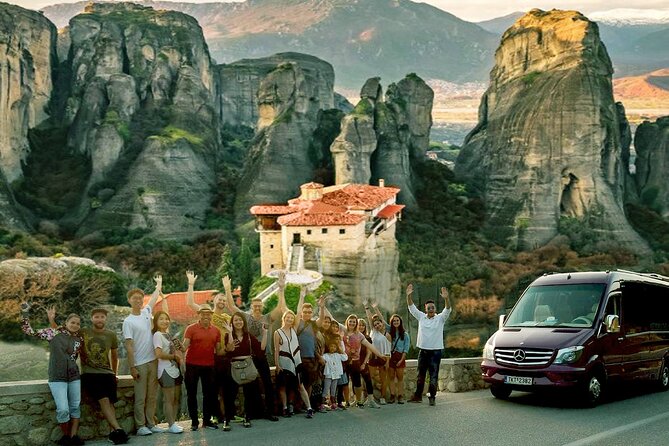
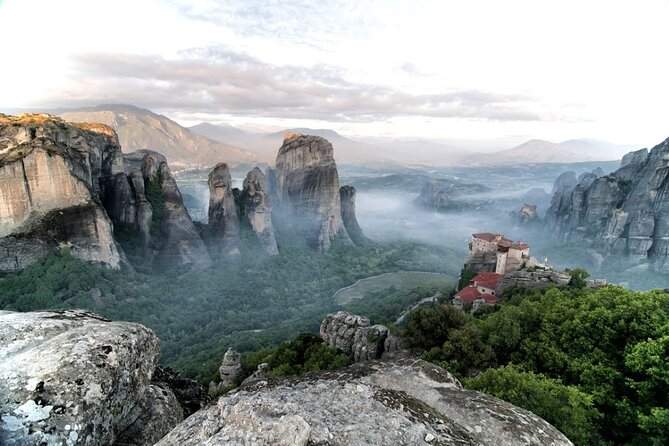
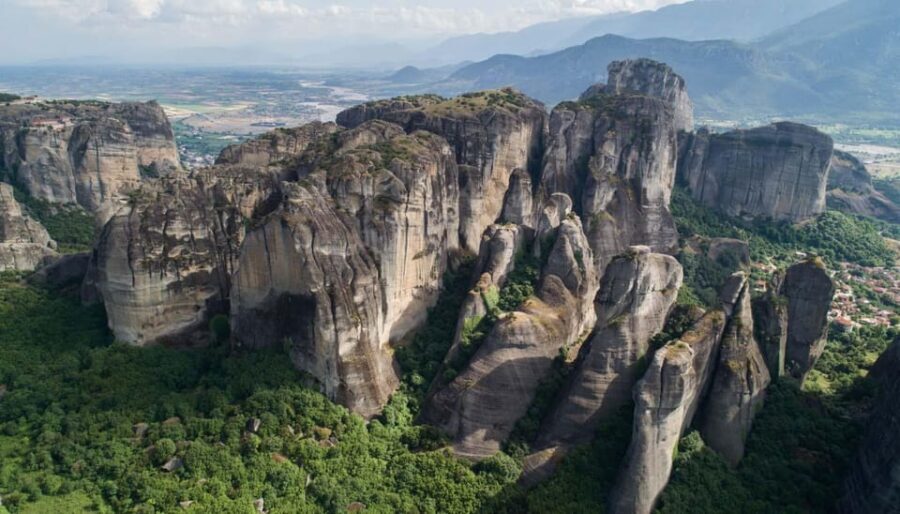
Once you’re in Kalabaka, you get the main event. The Meteora portion is built around panoramic photo stops that show you the big monasteries perched on the cliffs from multiple angles. This matters because Meteora can be hard to “get” in the first hour. From ground level, the rocks look like a single dramatic mass. From the right viewpoints, you start to see separate monasteries, different heights, and how the paths connect.
In your time up top, you’ll see all six monasteries from viewpoints, so even if you can’t enter every one (time and site rules), you still leave with a complete mental map of the place. And then you’ll have interior time in three of the most popular monasteries.
If you care about photos, this structure is a win. You’re not stuck at only one viewpoint waiting for the light. You get multiple angles during your guided circuit.
Inside the main monasteries: Great Meteoron and Varlaam first
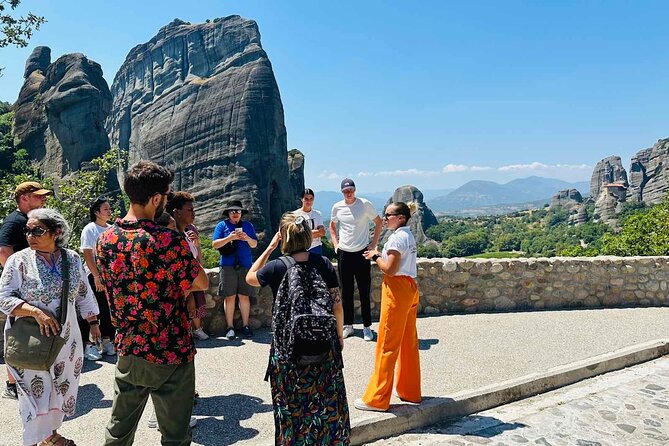
Your scheduled monastery interior visits start with Great Meteoron and Varlaam.
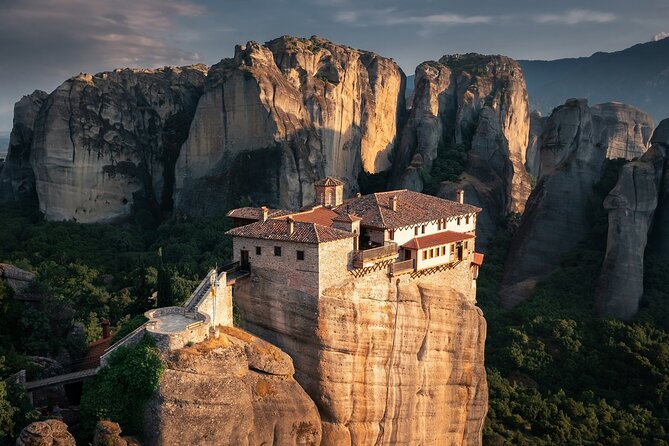
Great Meteoron is the biggest and oldest monastery in Meteora. It dates to the 14th century, founded by Saint Athanasios. In practical terms, the interior visit gives you a sense of why this site became a magnet for monastic life: chapels, historic frescoes, and even a small museum. Plus, the hilltop location gives broad views over the valleys and rock formations, so the monastery doesn’t feel shut in—you feel the height as you look out.
Varlaam is next on the classic circuit. It’s the second largest in Meteora and sits above the cliffs with a dramatic feel. The site is known for frescoes, a notable wooden barrel, and the calm courtyard atmosphere you don’t always get at the busiest attractions. The walk up involves stairs—normal for Meteora—but the reward is the view and the sense of quiet that still lingers up there.
From the way the day is paced, you’ll notice something: the tour doesn’t try to rush every detail inside each church. Instead, you get enough time to see what matters—frescoes, chapels, and the layout—then you move on while the views and light are still good.
Hermit Caves at Saint Nicholas Anapafsas: the quieter side of Meteora
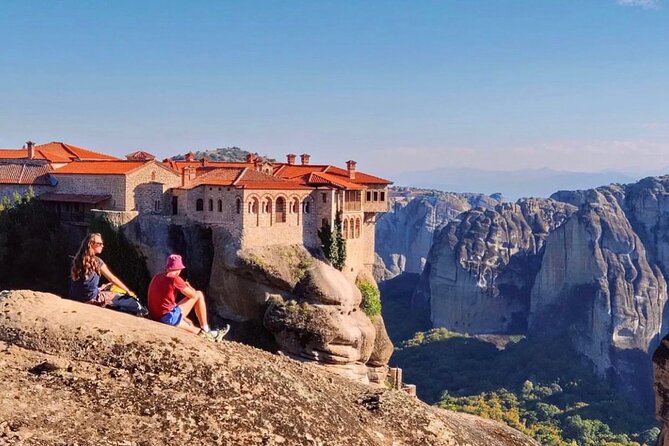
If you want a Meteora moment that feels less like a postcard and more like a story, this is it. The tour stops at the area of Holy Monastery of Saint Nicholas Anapafsas, where you also visit the hermit caves and the Badovas hermitage.
The hermit caves are carved high in the cliffs and reflect early monastic life: ascetics living in solitude in simple rock shelters. That contrast is powerful. After seeing the big monastic buildings, you suddenly understand that the spiritual “center” wasn’t just a church. It was isolation, discipline, and the choice to live near the sky with only rock and wind for company.
This is also where the “photo stops plus secret local places” promise starts to feel real. The caves aren’t just another viewpoint. You’re changing your scale of what Meteora means.
- All Day Cruise -3 Islands to Agistri,Moni, Aegina with lunch and drinks included
★ 5.0 · 4,958 reviews

The nuns’ monasteries and cliff-top views: what you’ll likely notice
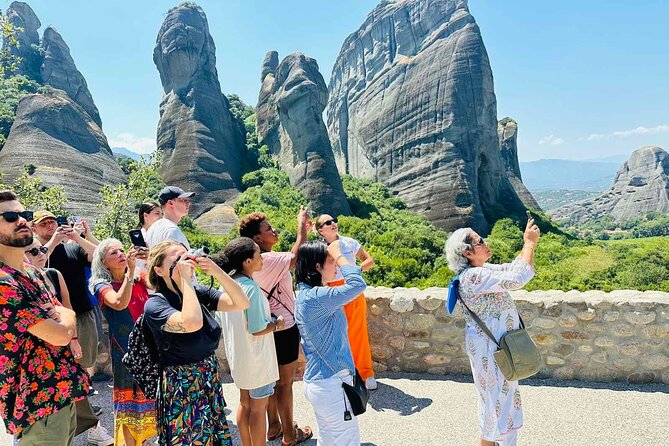
Your Meteora circuit also includes several monasteries that are especially accessible by comparison and good for views—most notably Agios Stefanos (St Stephen) with its bridge connection, plus additional cliff-top sites like Holy Trinity and Rousanos.
- Agios Stefanos is often the most reachable of the major sites because it connects by a small bridge rather than an extended stair climb. It also gives you time to see frescoes and a chapel, with fabulous views over Kalabaka.
- Holy Trinity is one of the most iconic monasteries perched high on a steep cliff. The ascent involves scenic paths and stairs carved into the rock, and the panorama from the top is the kind that makes you pause even if you’re not a big photo person.
- Rousanos is prized for its look—built on a narrow rock pillar—with frescoes and a calm, welcoming feeling. If you like “architecture you can’t believe was built there,” this stop delivers.
One practical reality: Meteora is weather and daylight dependent. If fog or sun timing doesn’t cooperate, you may have less comfort seeing everything as clearly as you hoped. When the day runs late (traffic delays can happen), your interior timing still usually works out, but the last viewpoints can be affected.
Lunch that you’ll actually appreciate during a long day
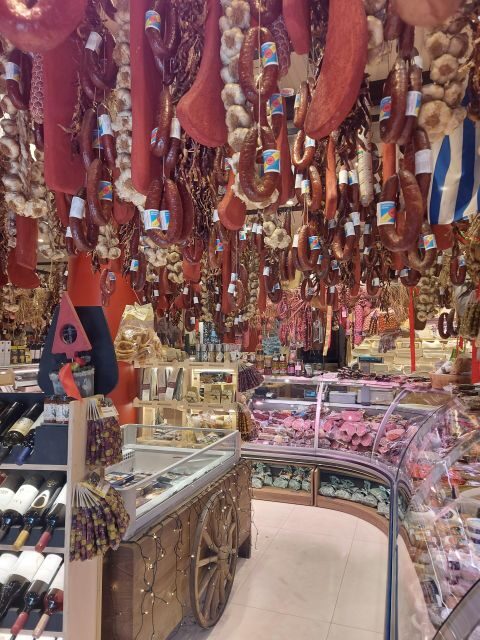
You can add lunch when you book. If you do, you get it at a reserved local restaurant in the Meteora/Kalabaka area, and it’s air-conditioned. En route, there’s also a 30-minute food stop where you choose a dish plus Greek salad from multiple flavors, with a vegetarian plate option.
The lunch package (when selected) is described as a main dish plus an atomic salad, plus bread and water. Vegetarian and vegan options are available. Translation: you’re not getting a gourmet meal, but you are getting a predictable, filling lunch when you need it.
This matters because Meteora doesn’t give you an easy “find food whenever” schedule. If you skip the lunch upgrade, you still get fed at the earlier stop, but you may have to manage timing yourself once you’re up on the rocks.
What to wear: Meteora dress rules are real
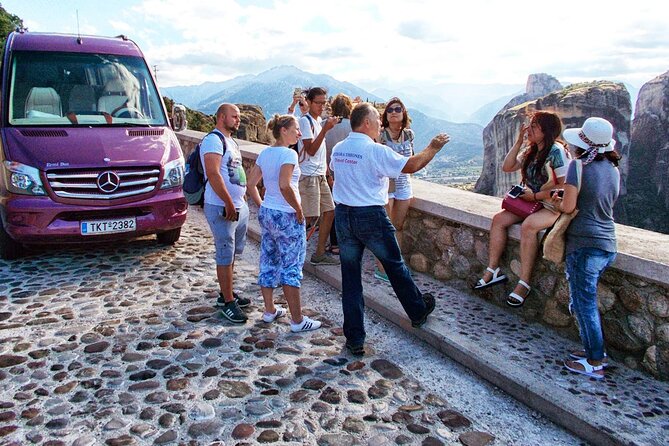
The tour includes very specific monastery clothing rules. Follow them and you avoid stress at the entrance.
For women, you’ll need a skirt that reaches knee or longer. No pants, no shorts, and no sleeveless shirts. For men, sleeveless clothing is prohibited, and shorts over the knee aren’t allowed.
Also remember: you’ll be climbing stairs. There are no elevators. Even if you’re comfortable with walking, the step count in Meteora adds up fast. If mobility is a concern, plan extra rest time and be honest with yourself about what you can handle.
How the tour keeps you informed: live guide plus smart audio
You’re not left wandering. You meet your local tour leader at Kalabaka, and the tour is guided in English or Spanish with a live guide.
On top of that, you get a smart audio guide in many languages, including English, French, Italian, Dutch, Spanish, Portuguese, Polish, Russian, Japanese, Korean, and Chinese. That’s useful when you’re moving between viewpoints and want a steady explanation without waiting for the whole group to catch up.
The tour also provides a free panoramic Meteora map. That helps you connect the places you’re seeing to a bigger picture while you still have the setting in front of you.
Price and value: what you’re really buying for €87-ish
At $87.07 per person, this isn’t cheap, but it’s not random either. You’re paying for the heavy logistics that can burn a day: roundtrip coach transfer from Athens, a guided Meteora circuit, and an organized schedule that targets multiple monasteries and the caves without you planning routes or timing on the fly.
You still have extra costs: monastery entrances are not included, and you’re told to have cash for the €5 per person entrance fee per monastery. There’s no ATM in the area, so don’t assume you can wing it.
In return, you get:
- interior time at three major monasteries
- panoramic viewing of all six
- Hermit Caves and the Badovas area
- optional lunch included if you select it at booking
- a guide who handles pacing and explanations
If you were thinking about renting a car, the main value here is not the drive itself—it’s the fact that you’re walking into a curated Meteora flow with fewer decisions.
Who this tour fits best (and who should skip it)
This works well if:
- you want a one-day overview of Meteora from Athens
- you’re okay with a long schedule and step-heavy sites
- you like photo viewpoints but also want actual interior time
- you prefer a guide-led explanation over reading signs alone
It might be the wrong choice if:
- you’re very sensitive to losing daylight due to any delays on the road
- you want a slow, flexible pace with lots of free time per monastery
- you have limited mobility and can’t manage stairs (this is step-heavy, and there are no elevators)
Should you book this Meteora day trip?
I’d book it if you’re short on time in Greece and you want Meteora done in a structured, guided way from Athens. The big selling point is the balance: panoramas of all six monasteries plus interior visits to three, and then the Hermit Caves stop that adds real depth.
I’d pause before booking if you hate long travel days or you know you can’t handle steps and strict dress rules. In those cases, Meteora with a night stay (so you aren’t fighting the clock and daylight) tends to feel less stressful.
If you do go, show up early, bring the right clothing, and bring cash for monastery entrances. Then you’re set for that classic Meteora feeling: sky-high monasteries, cliffs that look unreal, and just enough time in each place to remember why it’s famous.
FAQ
What time does the tour depart Athens?
The bus departs at 8:00am from Athens’ Larissa Station (Larissis Station). You should arrive at least 15 minutes early.
How long is the Meteora visit?
You get about 4 hours for the Meteora tour portion, plus travel time before and after.
Will I visit monasteries inside or only from outside?
You will visit inside three of the monasteries. In addition, you’ll get panoramic viewpoints of the six monasteries.
Are monastery entrance fees included?
No. Entrance fees are not included. You should have cash for about €5 per monastery entrance.
Is lunch available, and what does it include?
Lunch is available as an upgrade. When selected, lunch includes a main dish, atomic salad, bread, and water, with vegetarian and vegan options available.
Is WiFi available on the coach?
Yes. The coach includes free WiFi, along with USB chargers.
Who guides the tour, and is it offered in English?
The tour includes a live local tour leader and is offered in English or Spanish. A smart audio guide is also available in many languages including English.
What should I wear for monastery visits?
You’ll need to follow monastery dress rules: women should wear skirts knee-length or longer and avoid pants/shorts/sleeveless tops; men should avoid sleeveless clothing and shorts over the knee.
Is the tour suitable for people with mobility concerns?
Be prepared for lots of stairs. There are no elevators in the monasteries, so it may be difficult if you have limited mobility.
More Tour Reviews in Athens
- All Day Cruise -3 Islands to Agistri,Moni, Aegina with lunch and drinks included
★ 5.0 · 4,958 reviews