REVIEW · ATHENS
Meteora Monasteries: Full Day Tour from Athens
Book on GetYourGuide →Operated by GREECE ATHENS TRANSFERS & TOURS · Bookable on GetYourGuide
One drive. One cliff. Big wow factor.
This full-day outing to the UNESCO Meteora monasteries is interesting because it pairs dramatic scenery with a clear, structured clifftop route. I especially like the way the tour focuses on the monastery circuit itself (not just a long bus ride), and I also like the built-in Kalambaka free time that lets you reset, grab lunch, and walk at your own pace. One drawback to plan for: it is a long day, and monastery visits come with a modest dress code and small entrance fees.
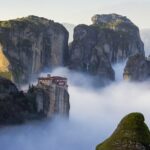
The best part is how the sites stack up: you start seeing the rock formations from below, then you move up through viewpoints and stops that show different monasteries and angles of the same sky-scraping landscape. The day stays family-friendly and history-friendly, but it’s still real walking and real steps, so I’d think twice if you have serious mobility limits or medical concerns.
In This Review
- Key highlights to know before you go
- A 12-hour Athens-to-Meteora Day Trip With Serious Cliff Views
- Getting to Kalambaka: Time for a Quick Walk and Better Photos
- First Look at Meteora: Rock Formations, Cave Views, and the “How Did They Build This?” Feeling
- Monastery of St. Stephen: A Solid Start to the Clifftop Circuit
- Monastery of Varlaam: More Time to Slow Down and Look Closely
- Great Meteor Monastery: The Big Stop You’ll Want to Give Your Full Attention
- Photo Stops at Holy Trinity, Rousanou, and St. Nicholas Anapavsa
- Kalambaka Free Time: Lunch on Your Terms
- Price and What You Actually Get for $282
- Practical Tips: Cash, Dress Code, and How to Pack for Steps
- Who This Tour Fits Best (And Who Might Want a Different Plan)
- Should You Book This Meteora Monasteries Tour?
- FAQ
- How many monasteries does the tour include?
- Are monastery entrance fees included?
- Is lunch included?
- Do I need cash for the monasteries?
- What’s the dress code for entering monasteries?
- Is there a licensed guide during the monastery visits?
Key highlights to know before you go
- Clifftop monasteries that feel like they’re floating above the plain
- Hermit caves and photo stops that help you capture the full Meteora look
- Driver-led storytelling in English during the long drive (expect jokes and legends)
- Enough free time in Kalambaka for lunch and a casual browse
- Cash needed for monastery entrances since there’s no ATM in the area
A 12-hour Athens-to-Meteora Day Trip With Serious Cliff Views
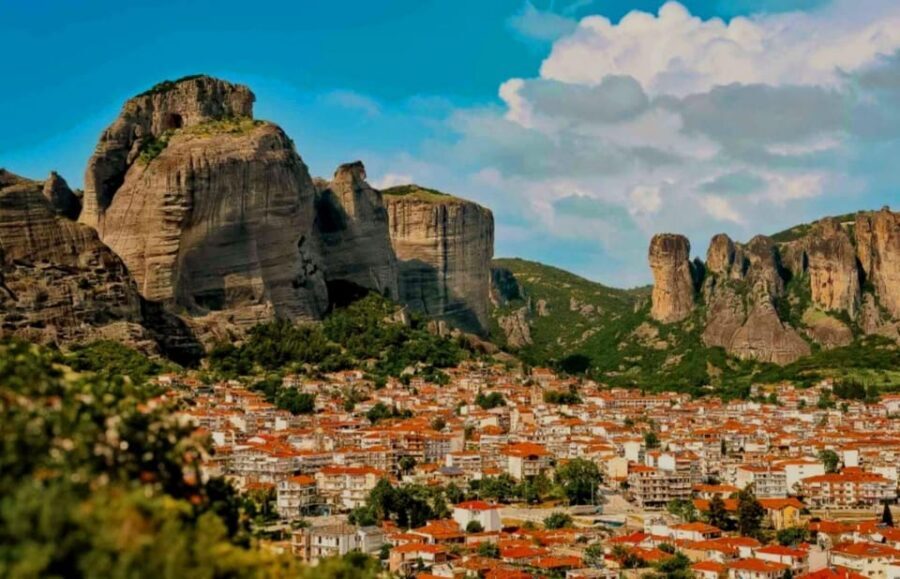
Meteora is one of those places where your photos don’t fully prepare you for the scale. The monasteries sit perched high on sandstone formations, and once you’re close enough, the rock itself becomes part of the story. You don’t just see a church or two. You see a whole system of living spaces built on cliffs—some reachable by time, effort, and faith.
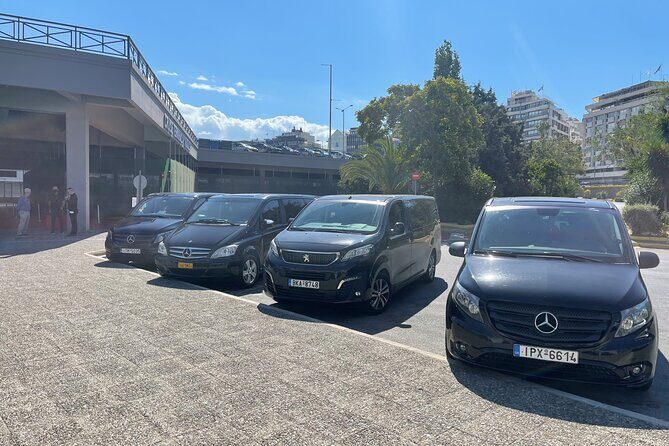
This tour runs about 12 hours, which matters because you’ll spend meaningful time on the road. Athens to Meteora is not a quick hop. The upside is that the long drive gives you a chance to settle in: the vehicle is air-conditioned, you get bottled water and a snack, and there’s WiFi on board.
The tour is also private group, with pickup options around Athens and nearby areas. That means fewer logistical headaches than a typical fixed-group bus. You still get a driver who knows the region and can explain what you’re seeing as you go.
You can also read our reviews of more tours and experiences in Athens
- All Day Cruise -3 Islands to Agistri,Moni, Aegina with lunch and drinks included
★ 5.0 · 4,958 reviews
Getting to Kalambaka: Time for a Quick Walk and Better Photos
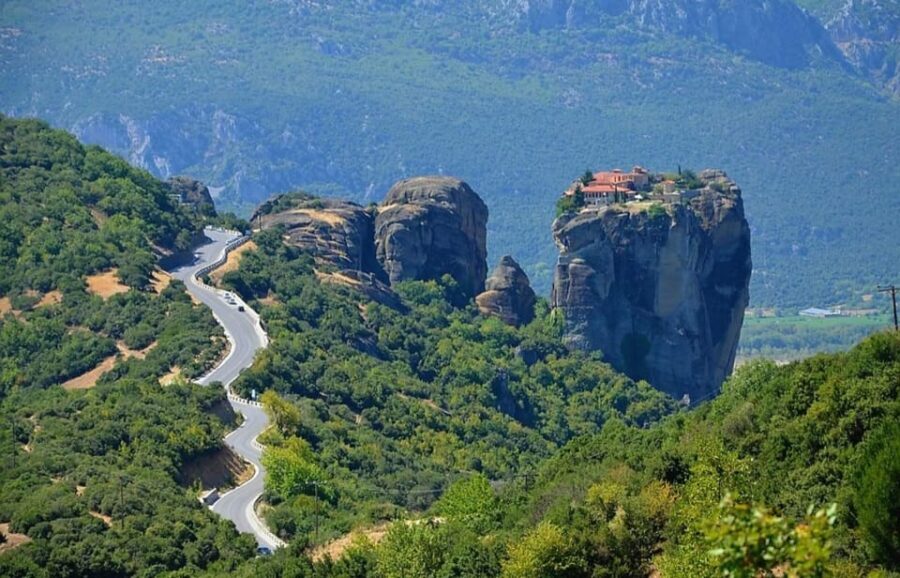
Your day starts with pickup from a set of locations (around Athens areas like Moschato, Piraeus, Alimos, Glyfada, and others). After pickup, the ride heads toward the Meteora area, with a few sightseeing passes along the way.
One stop that helps you ease into the day is Kastraki, a village in the Meteora orbit. You get a short window to walk around and take in viewpoints. It’s not a long break, but it’s enough time to get your bearings. There’s also a quick food tasting included in that brief stop, which is handy if you want something Greek and simple before the monastery climb-and-descend rhythm takes over.
Here’s the photo tip I’d follow: use this early break to grab wide shots of the rocks and monastery silhouettes. By the time you’re at the clifftop stops later, angles change, light changes, and you’ll be focused on getting inside and around each site.
First Look at Meteora: Rock Formations, Cave Views, and the “How Did They Build This?” Feeling
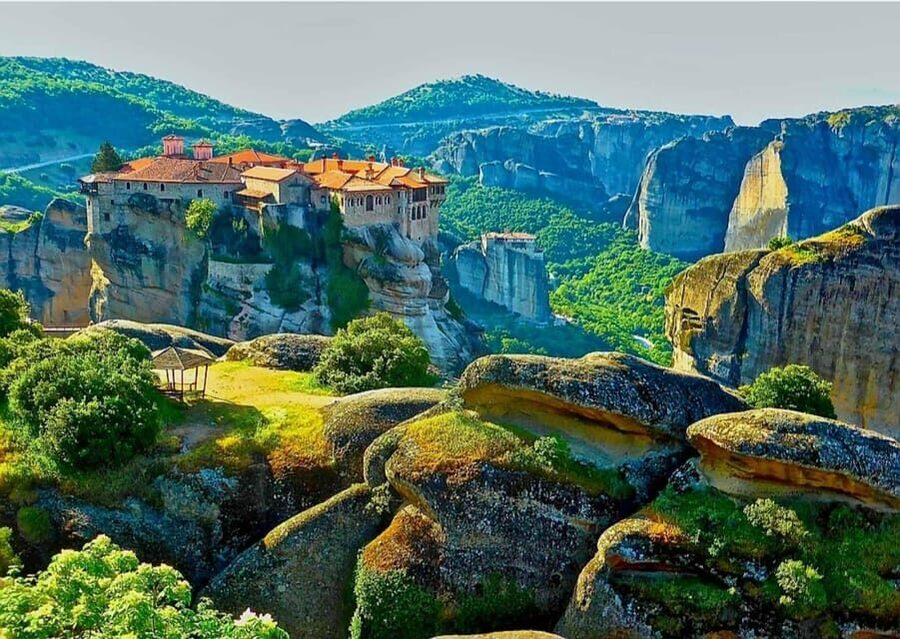
As you move into the Meteora area, the tour includes time for a first sightseeing/walk at Meteora. Even with limited time, the point here is to let you feel the terrain. The cliffs aren’t background. They’re the main character.
This is where the tour emphasizes the hermit caves as well as the monasteries. Meteora isn’t only about monasteries with visitors. It’s also about the idea of withdrawal—people living in small spaces in the rock while the wider world stayed far below.
One important practical note: the tour schedule is structured with time blocks, including photo stops later. That means you should show up ready to move. Comfortable shoes matter more than fancy shoes. You’ll thank yourself when you step from viewpoint to viewpoint.
Monastery of St. Stephen: A Solid Start to the Clifftop Circuit
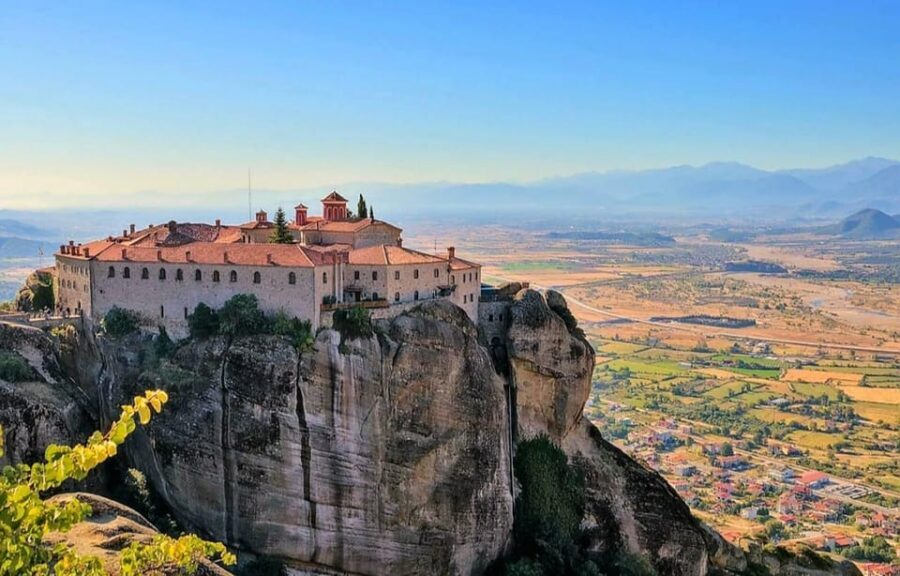
Your first named monastery stop is the Monastery of St. Stephen. You get time for visit and sightseeing. The best way to think about this stop is as an introduction. You’re learning how these places are laid out, how the paths connect, and what to look for as you compare each monastery’s setting and viewpoint.
Even if you’re not the type to read every plaque, you’ll still enjoy this stop because St. Stephen helps you understand the big visual pattern of Meteora: rock shelves, cliff edges, and monastic buildings that seem designed around limited space.
The only “watch out” here is time and energy management. This is early in the monastery sequence, so it’s easy to rush. I’d keep your pace calm, take a moment at the scenic points, then step in and out without sprinting. Your eyes adjust better when you move slow.
Monastery of Varlaam: More Time to Slow Down and Look Closely
Next comes Monastery of Varlaam, with a bit more time set aside (longer than St. Stephen). That extra window helps because Meteora is not a one-photo stop.
Varlaam is a place where you can spend real time noticing details: the way structures sit against the rock, the way light hits stone surfaces, and how viewpoints frame the valley. If you like architecture and old-world religious sites, you’ll find that extra minutes really matter.
This is also where the tour’s “driver as storyteller” approach shines on a practical level. You’re not stuck with silence during the long day. During route changes and waiting periods, you can get context about the sites and the culture around them.
And yes—on at least one recent departure, the driver handled a return traffic jam with humor and songs, plus stories of Greek gods and legends. That kind of energy makes the day feel less like travel and more like a rolling history lesson.
- All Day Cruise -3 Islands to Agistri,Moni, Aegina with lunch and drinks included
★ 5.0 · 4,958 reviews

Great Meteor Monastery: The Big Stop You’ll Want to Give Your Full Attention
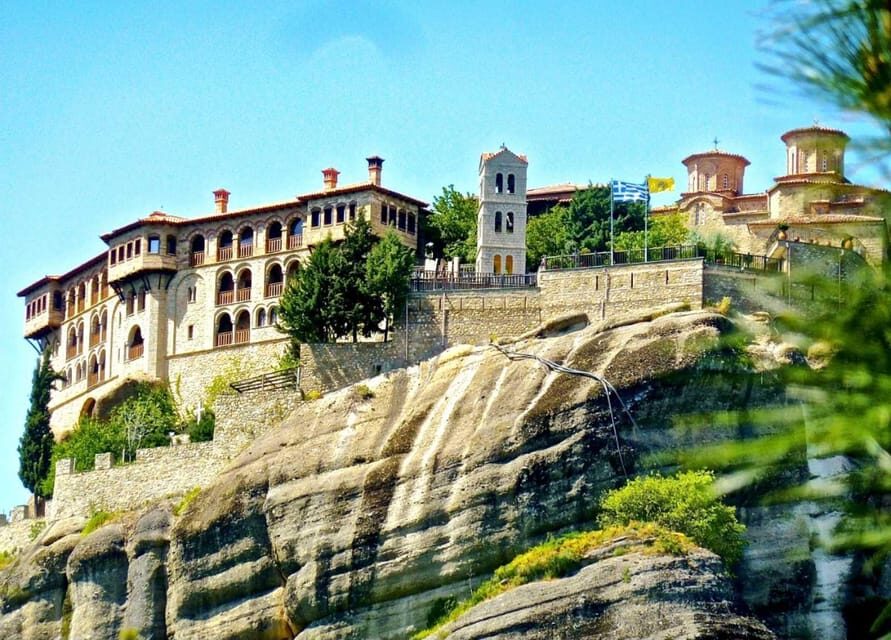
Then you reach Great Meteor Monastery, the longest monastery visit window on the route (about an hour). This matters, because the biggest stop should get your full attention. If you’re only willing to “skim,” save that for later places. Spend your serious focus here.
Great Meteor is a place where the scale clicks. The views feel bigger. The stone and the edges feel closer. And the whole site gives you that classic Meteora sense: you’re standing somewhere that was built as much for the environment as in spite of it.
If you like photos, plan to shoot from two or three angles instead of trying to get everything in one spot. Walk a little. Then pause. The best Meteora pictures often come from tiny shifts in position.
One more thing: you will probably feel the day physically now. You’ll have been in a car, walking in villages, and then doing monastery circuits. Keep water in mind and pace yourself inside the sites.
Photo Stops at Holy Trinity, Rousanou, and St. Nicholas Anapavsa
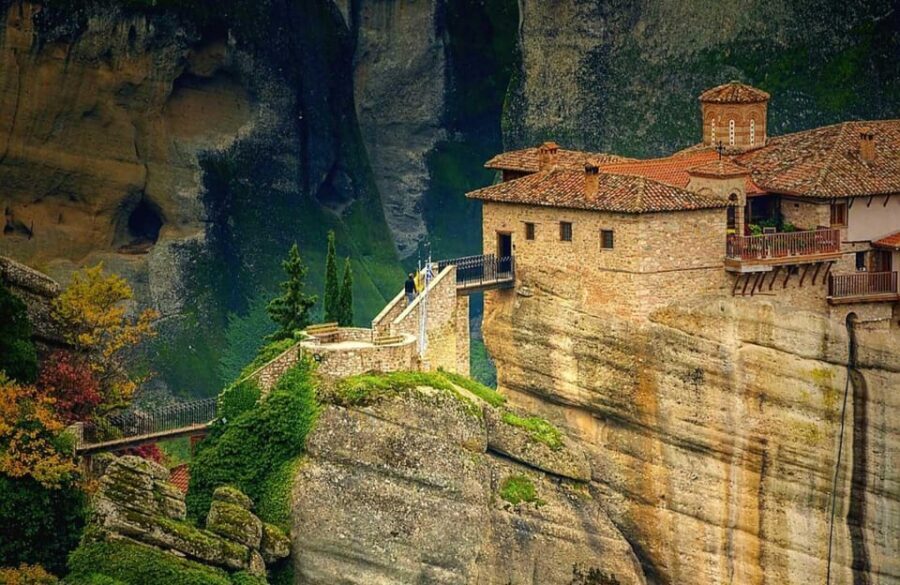
After the main stops, the tour includes photo stops at multiple monasteries:
- Holy Trinity Monastery at Meteora
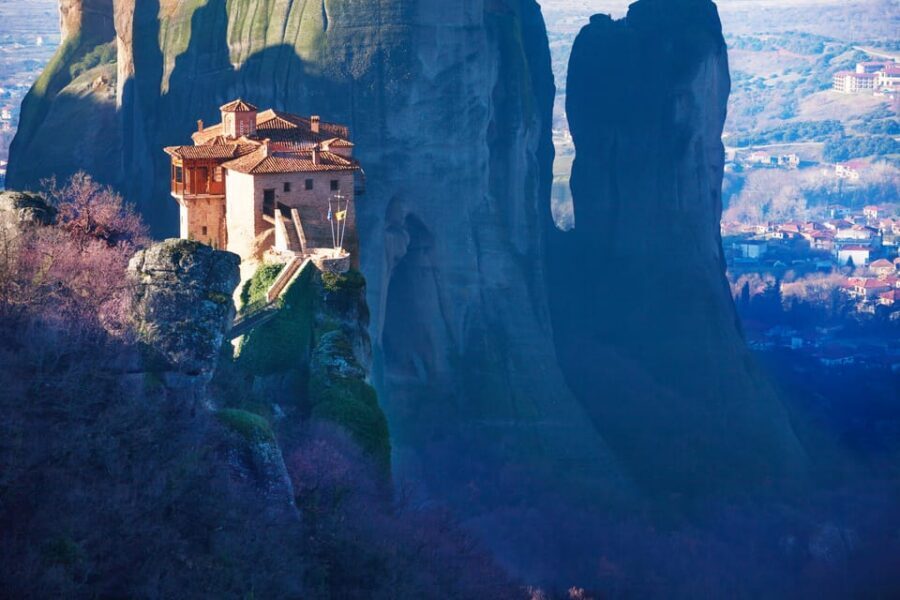
- Monastery of Rousanou
- Monastery of St. Nicholas Anapavsa
These stops are shorter, so the strategy is different. This is where you should let your eyes do the work quickly: get your angle, frame your rock-and-monastery composition, then move on.
The value of these photo stops is that they keep variety high. You’re not only visiting one or two monasteries and calling it a day. You’re seeing more of Meteora’s monastic map from different angles. Even with short timing, you’ll likely notice how each monastery’s position changes the view of the valley.
The main drawback here is that you won’t have the same time to wander as at the earlier monastery visits. So if you’re the type who loves slow interior exploration, you might focus more time on the longer stops (like Great Meteor) and treat these as quick scenic checkpoints.
Kalambaka Free Time: Lunch on Your Terms
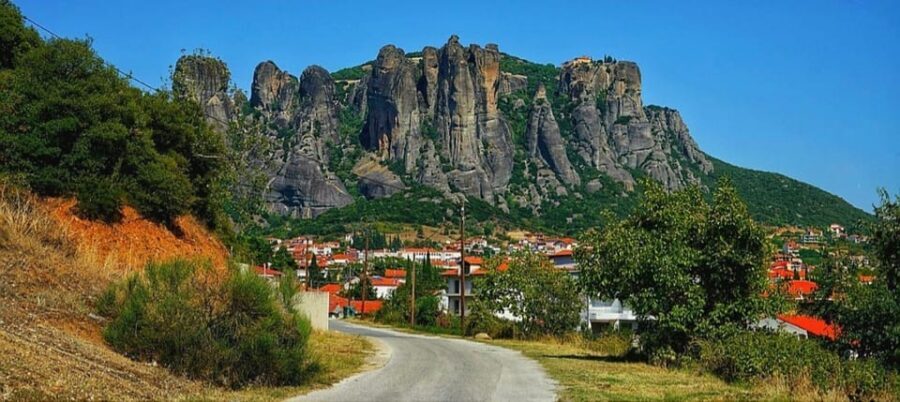
When you reach Kalambaka, you get a chunk of free time for sightseeing and downtime. You can use it for lunch and a casual wander.
Lunch is not included (you cover your own meal). That might sound like a minus, but it’s also what makes this part of the day feel real. You can choose what fits your tastes and your budget—something quick if you’re tired, or something longer if you want to stretch the day.
This is also the best moment to do the practical things you’ve been postponing: re-check your cash for monastery entrance fees, buy a drink if you want extra water, and take a slow walk through town.
A quick reality check: Meteora is popular, so some dining choices can be geared toward tourist schedules. I’d still treat Kalambaka free time as a chance to breathe rather than a must-see checklist.
Price and What You Actually Get for $282
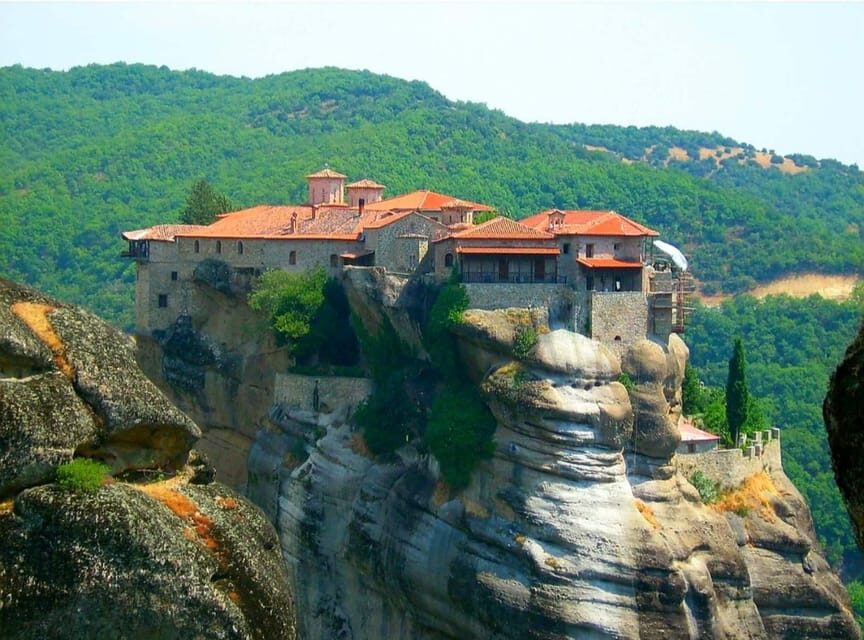
The price is listed at $282 per person, and it’s fair to ask if it adds up. Here’s the value breakdown that makes sense for this day trip.
You’re paying for:
- Transportation with pickup and drop-off from multiple Athens-area locations
- A private group setup
- Air-conditioned comfort, plus WiFi, bottled water, and a snack
- A professional English-speaking driver with deep local knowledge (though not a licensed guide inside each site)
- Structured monastery time and transfers between stops
- Visits to three monasteries plus time for the hermit caves/photos elements on the route
What’s not included:
- Entrance fees: 3 euros per person at each monastery
- A licensed guide for inside the sites
- Lunch (you pay your own restaurant bill)
So the decision is about style. If you want a smooth door-to-door day where you’re not handling logistics, parking, and route planning, the price can feel reasonable. If you’re the DIY type, you could spend less by planning a bus or rental and paying entrances yourself. But then you lose the convenience and the driver’s storytelling that keeps the long day from dragging.
In short: for a one-day Meteora experience from Athens, this tour buys you time, comfort, and a clear route.
Practical Tips: Cash, Dress Code, and How to Pack for Steps
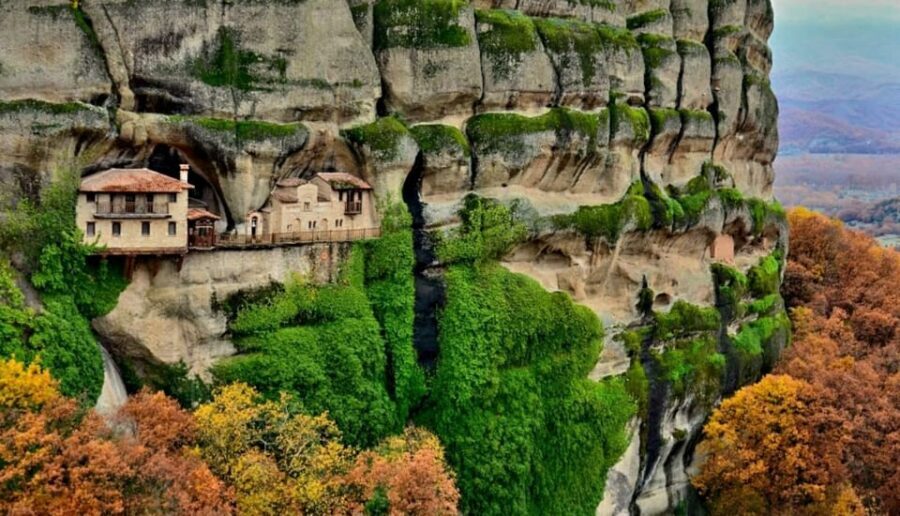
Before you go, read the rules and plan around them. Meteora monasteries enforce a modest dress code. It’s not optional.
For women:
- skirts below the knee or longer
- pants, shorts, or sleeveless shirts are not allowed
For men:
- sleeveless clothing and shorts above the knee are prohibited
If you show up with wrong clothing, you might be turned away from entering. So I’d pack with this in mind, even if it feels warm outside. A light layer that meets the dress code is usually the easiest fix.
Next: cash for entrance fees. The tour notes there’s 3 euros per person at each monastery, and no ATM machine in the area. That’s a big deal. Bring enough cash for your whole group, and don’t count on last-minute withdrawals.
Health and comfort also matter. The tour says to avoid if you have no heart problems or other serious medical conditions. And of course, you’ll be walking and climbing at monastery sites. Wear shoes you trust.
Finally, consider the timing. You’ll be in and out of viewpoints, then sitting back in the vehicle between stops. Pack something to keep yourself comfortable: sunglasses, a hat, and a small power bank if you prefer your own charger (the tour does include a phone charger on board).
Who This Tour Fits Best (And Who Might Want a Different Plan)
This is a strong match if you:
- want one full day that covers multiple monasteries without planning
- care about history and storytelling, not just a viewpoint drive
- like a route that works for families and couples
- prefer a private-group feel with door-to-door convenience
It may be less ideal if you:
- hate long road days and prefer slower travel
- need lots of time at each site (this route balances multiple monasteries, so some are short stops)
- expect a fully guided experience inside every monastery, since a licensed guide is not included
Also, think about your group’s preferences. If you have members who want quick photo stops and others who want longer wandering, this tour can still work, but you’ll need to manage expectations early.
Should You Book This Meteora Monasteries Tour?
I think you should book it if you want Meteora to feel organized, dramatic, and easy to execute in one day from Athens. The combination of clifftop monasteries, hermit cave elements, and the Kalambaka break makes this more than a quick photo outing. Add in the English driver who keeps things lively, and it’s a long day that usually feels like it moves.
Hold off if you want to spend hours at each interior space or you’re worried about weather, walking, and dress code compliance. Also, if you forget the cash rule, you’ll run into a real snag.
If you’re ready for a structured day with big scenery and a little effort on foot, this is a solid way to experience Meteora.
FAQ
How many monasteries does the tour include?
The tour includes visits to three monasteries and also includes time related to hermit caves and photography/photo stops at additional monastery viewpoints.
Are monastery entrance fees included?
No. Entrance fees are not included. You should plan for 3 euros per person at each monastery.
Is lunch included?
Lunch is not included. The tour mentions lunch in a local restaurant with your expenses, so you’ll pay for your own meal.
Do I need cash for the monasteries?
Yes. The tour notes you should have cash for the 3 euro entrance fees and that there is no ATM machine in the area.
What’s the dress code for entering monasteries?
You’ll need modest clothing. Women must have skirts below the knee or longer; pants/shorts and sleeveless shirts are not allowed. Men cannot wear sleeveless clothing or shorts above the knee.
Is there a licensed guide during the monastery visits?
A licensed guide is not included. The tour provides a professional English-speaking driver with deep knowledge, but they are not licensed to accompany you inside each site.
More Full-Day in Athens
- All Day Cruise -3 Islands to Agistri,Moni, Aegina with lunch and drinks included
★ 5.0 · 4,958 reviews

More Tours in Athens

More Tour Reviews in Athens
- All Day Cruise -3 Islands to Agistri,Moni, Aegina with lunch and drinks included
★ 5.0 · 4,958 reviews