
REVIEW · ATHENS
Athens: Acropolis Museum Ticket with optional Audio Guide
Book on GetYourGuide →Operated by Key Tours · Bookable on GetYourGuide
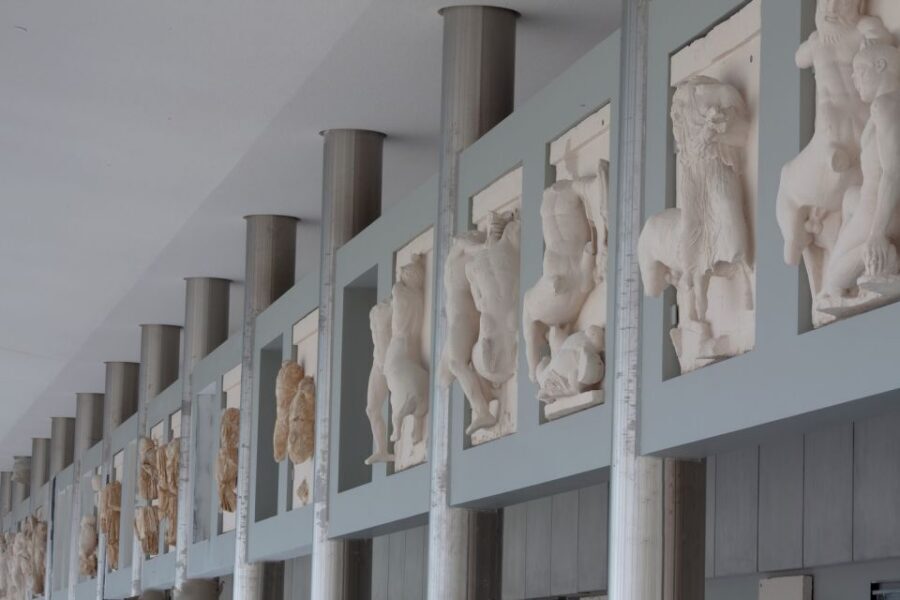
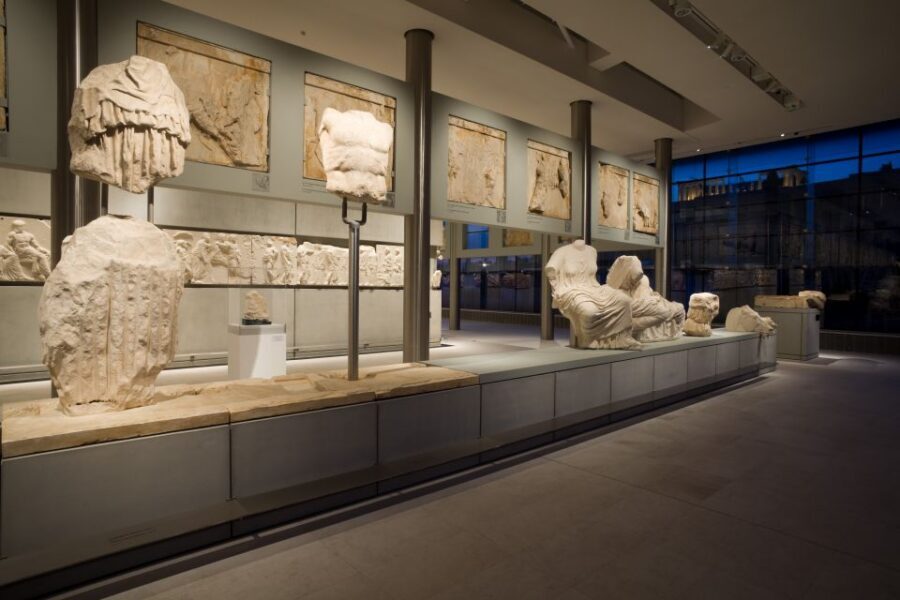
Skip the queue, then savor Athens slowly. The Acropolis Museum is one of the top museums in the world, and this ticket gets you in with less hassle while you connect ancient sculptures to real daily life. I especially like the way it puts famous works like the Parthenon Marbles and the Acropolis Caryatids into context, not just behind glass.
I also like the flexibility: you can roam through the galleries at your own pace, then use the optional app audio guide when you want the stories. One possible drawback: the audio comes through an app (no physical device), so you’ll need your phone and (ideally) your own headphones—and some people find recorded segments easier to skip than to follow.
If you’re pairing this with a visit to the Acropolis, this museum is the smarter start. You’ll see what you’re about to climb toward, without standing in outdoor lines first.
In This Review
- Key things to know before you go
- Entering the Acropolis Museum fast with a phone barcode
- What’s actually included (and what isn’t)
- The museum floors: how to plan your walk so you don’t miss the best stuff
- The show-stoppers you should prioritize
- Optional audio guide: when it helps, and when you might skip it
- The bonus Plaka audio guide: a useful extra after you exit
- How long you’ll need: plan for more than a quick pass
- Timing your visit with opening hours (so you don’t get cut off)
- Pairing it with the Acropolis: smart sequence beats last-minute scrambling
- Price and value: is $30 worth it?
- Practical tips that make the visit easier
- Should you book this Acropolis Museum ticket?
- FAQ
- What does this ticket include?
- Is there a live guide included?
- Do I get a physical audio device?
- Where do I go to use the ticket?
- Does this ticket help me avoid lines?
- How long should I plan for the museum?
- What languages are available for the audio guide?
- Are there age restrictions or reduced fares?
- What are the Acropolis Museum opening hours?
Key things to know before you go

- Skip-the-line entry with mobile barcode validation at the museum entrance
- Parthenon Marbles in context, plus major finds tied to the Acropolis
- Self-guided audio on your phone in English, Spanish, French, German, Italian
- Bonus Plaka (Old Town) audio included on the same mobile app
- Wheelchair accessible museum experience
Entering the Acropolis Museum fast with a phone barcode

This experience is built for convenience. You don’t meet up with a group or wait for a ticket desk. You go straight to the Acropolis Museum entrance, then scan the barcode from your voucher at the validating machines.
That matters in Athens because outdoor lines can eat up your sightseeing time, especially on rainy days or when you’re trying to beat the heat. Even with a self-guided visit, getting in smoothly helps you spend your energy on the exhibits instead of the queue.
It’s also practical that the ticket is valid for 1 day. You can pick a museum day that matches your energy level and weather, and then use your phone audio while you walk.
You can also read our reviews of more tours and experiences in Athens



What’s actually included (and what isn’t)
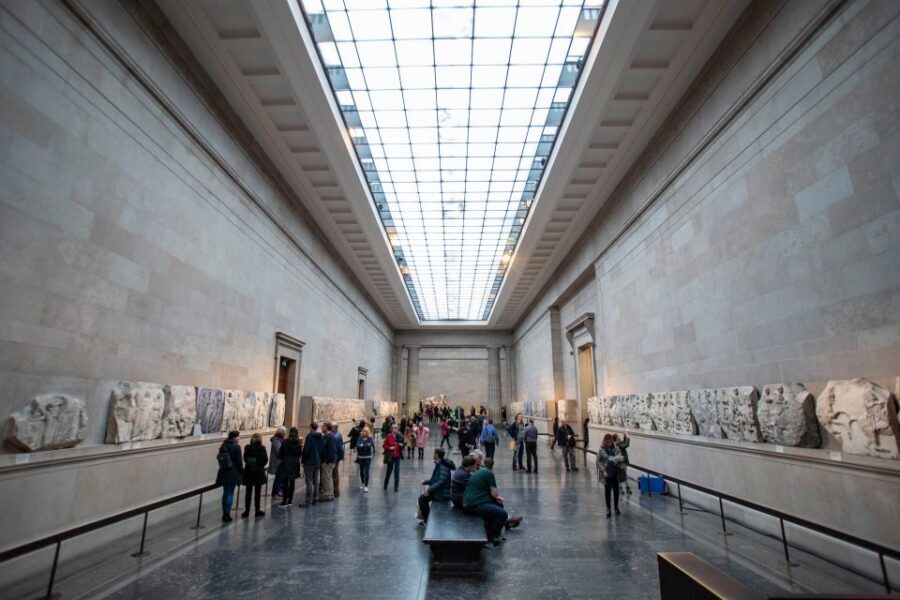
Let’s keep expectations clean:
Included with the ticket:
- Acropolis Museum entry
- Optional downloadable museum audio guide on your mobile phone
- Included downloadable Athens Old Town (Plaka) audio guide on your mobile phone
Not included:
- Entry to Acropolis Hill (you’ll need that separately)
- A mobile device and headphones (bring your own)
- A live guide (this is self-guided)
That combo—museum ticket plus optional audio—works well if you like control. You can stop when something catches your eye, then resume when you’re ready. It’s also a good fit for solo travelers who don’t want to match a pace set by someone else.
The museum floors: how to plan your walk so you don’t miss the best stuff
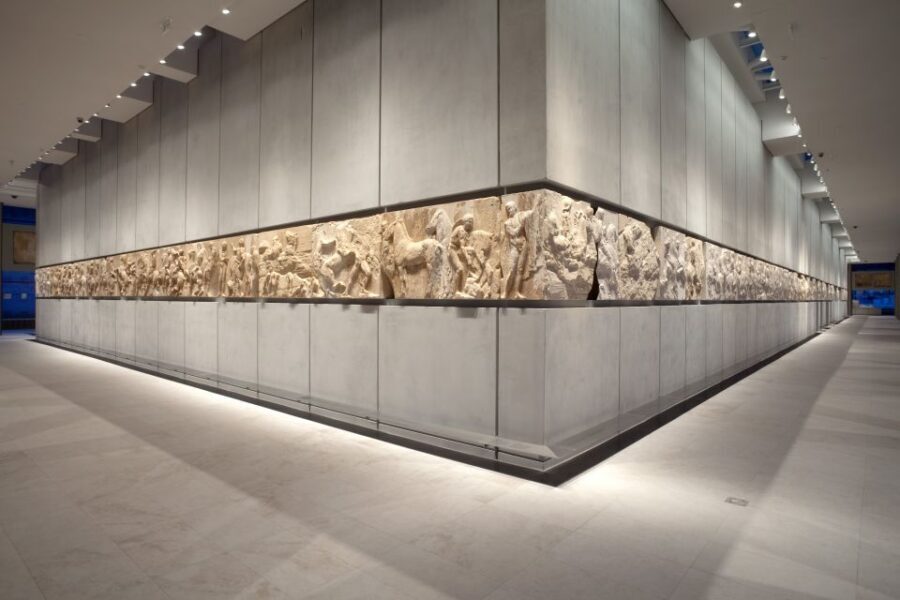
The Acropolis Museum is designed so you move through layers of meaning. Even if you don’t use the audio, the building helps you understand how the Acropolis connects to Athens.
Here’s a smart way to approach it:
- Start with the galleries that help you recognize the big “characters”: major sculptures and architectural pieces tied to the Acropolis.
- Move through the exhibits that explain what these objects meant in ancient Athenian life—where they came from, who made them, and how they were used.
- Finish with the areas that make the Acropolis feel close again, including the view-focused spaces where you can look back outward.
One reason people rate this museum so highly is that it doesn’t just show art. It shows the story of the Acropolis through the objects and the context around them.
And yes, there’s also something special about the museum’s underneath-exhibit feel: excavations are shown and preserved, which adds a grounded layer to the whole experience. It’s the kind of detail that makes the building feel less like a warehouse of relics and more like a place that remembers the past.
The show-stoppers you should prioritize
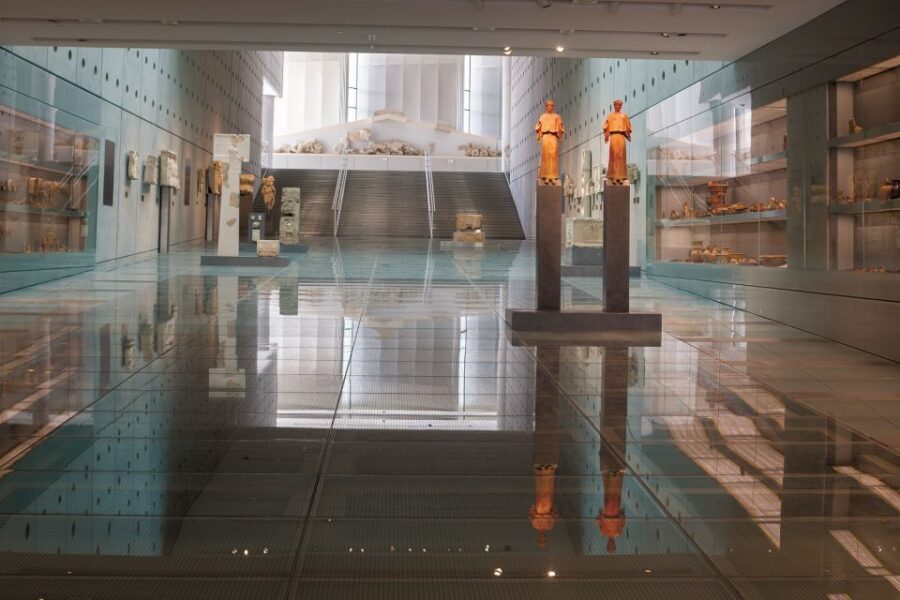
If you try to see everything, you’ll end up speed-walking and missing the point. I’d focus on the pieces that help you understand why the Acropolis mattered.
Here are the top targets to build your visit around:
- Parthenon Marbles (the headline pieces): This is the exhibit everyone talks about, and it’s easier to appreciate when you understand the sculptural and architectural language behind it.
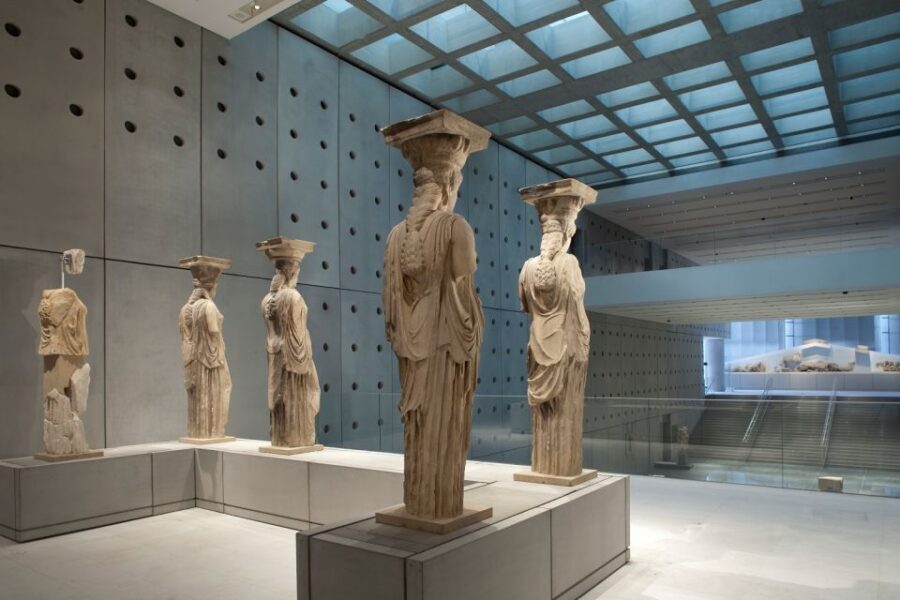
- Acropolis Caryatids: These iconic female figures are among the most recognizable works from the Acropolis world. Seeing them here helps you connect the art to its original setting.
- Major Acropolis-related finds across the collections: The museum’s strength is that it groups finds in a way that helps you see the bigger picture rather than isolated fragments.
One practical tip: take your time with the most important objects, then use the later rooms to expand. That keeps you from getting “exhibit fatigue” before you reach the pieces you’ll actually remember.
Optional audio guide: when it helps, and when you might skip it
The optional audio guide is self-guided through a mobile app. It’s available in multiple languages: English, Spanish, French, German, Italian.
Audio pros:
- It can put the spotlight on a few key pieces so you understand why they matter.
- You can pause, rewind, and move at your own speed.
- It’s helpful if you like a guided structure without a live group.
Audio considerations:
- There’s no physical device, so you’ll want your phone fully charged and comfortable using headphones.
- Some segments may not match your expectations. A few people found the recorded approach less useful than just walking and reading quietly.
- If the audio feels confusing, you can always treat it as optional background and switch it off.
My suggestion: start without audio for the first 20–30 minutes. Let your eyes get oriented. Then turn audio on for the “big objects” that you want to understand more deeply. That way you don’t end up chasing narration while trying to find your way.
You can also read our reviews of more guided tours in Athens




The bonus Plaka audio guide: a useful extra after you exit
Here’s a sneaky-smart inclusion: your ticket bundle includes an Athens Old Town (Plaka) audio guide for your phone.
Plaka is one of the best places to end your day because the streets are made for wandering. Having an audio track for that area means you can translate what you’re seeing—street layout, neighborhood vibe, and the sense of how Athens layers centuries—without needing to constantly stop and research.
It’s especially helpful if you’re visiting in a day or two and want your sightseeing to feel connected instead of random photo stops.
How long you’ll need: plan for more than a quick pass
The activity is described as a 1-day visit, but museums don’t work like a checklist. This place takes time because it’s packed with high-impact sculptures and lots of meaningful context.
A good planning target is:
- If you love learning and want to read carefully, plan for around 2.5 hours or more.
- If you’re more focused on the highlights and photos, you might move faster—but you’ll miss the gentle “aha” moments that make this museum special.
Also note that the museum can feel busy, but it generally has enough room to view exhibits without constant shoulder-to-shoulder pressure. Still, if you’re sensitive to crowds, go earlier in the day.
Timing your visit with opening hours (so you don’t get cut off)

Your entry timing depends on the season. The museum hours shift, and last entry times matter.
From November to March:
- Monday to Thursday: 9:00 AM to 5:00 PM (last entry 4:30 PM)
- Friday: 9:00 AM to 10:00 PM (last entry 9:30 PM)
- Saturday and Sunday: 9:00 AM to 8:00 PM (last entry 7:30 PM)
From April to October:
- Monday: 9:00 AM to 5:00 PM (last entry 4:30 PM)
- Tuesday to Thursday: 9:00 AM to 8:00 PM (last entry 7:30 PM)
- Friday: 9:00 AM to 10:00 PM (last entry 9:30 PM)
- Saturday and Sunday: 9:00 AM to 8:00 PM (last entry 7:30 PM)
If you want maximum comfort, aim for earlier slots. I also like the idea of pairing an early museum visit with later outdoor walking, because the museum’s indoor setup can be a relief during hotter parts of the day.
Pairing it with the Acropolis: smart sequence beats last-minute scrambling

This ticket covers the Acropolis Museum, not the Acropolis Hill entry. But the sequence is where you really win.
I’d do it like this:
- Visit the museum first so you understand the sculptures and architectural features before you see them in the open air.
- Then head to the Acropolis when you’re ready to connect the view with what you just learned.
People often feel a real payoff doing the museum before the hill because the museum turns the Acropolis from a set of ruins into something with purpose. You’ll also be less likely to treat the visit as pure sightseeing and more like a story with a beginning and an end.
Price and value: is $30 worth it?
At $30 per person, this can be good value—mainly because you’re buying two things that travel time usually steals: priority entry and a structured way to understand what you’re seeing.
What you’re getting for that price:
- Museum admission (it’s a major, world-class museum)
- A mobile audio guide option (plus the extra Plaka audio guide)
What could affect value for you:
- If you’re happy reading labels and you won’t use audio, you might feel the audio portion is unnecessary.
- You’ll still need a phone and headphones, so factor that into your “real cost.”
Overall, I’d call it a strong purchase if your priority is saving time and keeping your experience focused. If you hate lines and you like self-guided learning, it fits.
Practical tips that make the visit easier
A few details can make your day smoother:
- Bring headphones and make sure your phone battery is ready before you arrive.
- If the audio guide doesn’t feel right, it’s okay to treat it as optional and rely on the exhibit signage.
- Look for places to sit and recharge; there are areas to rest, though you might notice limited seating in some sections.
- If you’re photographing the city, check viewpoints—there are top-floor views that help you “place” Athens while you’re still inside.
And if you ever add a live guide on top of this experience, I’ve seen names like Natasha, Anna, Ayoub Fayez, Alexandra Kolia, and John highlighted for clear explanations. Even if you don’t book a live guide here, those names are a useful reminder of what “good guiding” feels like: clear, paced explanations that help you prioritize.
Should you book this Acropolis Museum ticket?
Book it if:
- You want skip-the-line entry and a calmer start to your Athens day.
- You like museum structure but don’t want to follow a group.
- You’ll use the audio guide (or at least you’re open to turning it on for the major pieces).
- You want an easy add-on afterward with the Plaka audio route.
Skip it or rethink if:
- You’re traveling with limited phone access or you don’t want to deal with apps and headphones.
- You prefer to fully rely on reading labels and you’ll never use audio.
FAQ
What does this ticket include?
It includes Acropolis Museum entry. You can also choose an optional downloadable museum audio guide for your mobile phone, and the bundle includes a downloadable Plaka audio guide for your mobile phone.
Is there a live guide included?
No. This experience is self-guided. A live guide is not included.
Do I get a physical audio device?
No. The audio guide is delivered through an app on your phone. You’ll need your own phone and headphones.
Where do I go to use the ticket?
Go directly to the Acropolis Museum entrance and scan the barcode on your voucher at the validating machines.
Does this ticket help me avoid lines?
Yes. The ticket is designed to help you skip the ticket line and reduce waiting.
How long should I plan for the museum?
The visit is a 1-day activity, but you’ll want more than a quick stop. A practical target is at least about 2.5 hours if you want to appreciate the exhibits.
What languages are available for the audio guide?
The audio guide is available in English, Spanish, French, German, and Italian.
Are there age restrictions or reduced fares?
This ticket is for travelers over age 25 for online pricing. Reduced-price entry is not available online for that age group. Non-EU citizens under 25 may get reduced-price entry (April to October) by showing ID at the ticket booth.
What are the Acropolis Museum opening hours?
Opening hours vary by season. From November to March, hours run Monday–Thursday 9:00 AM–5:00 PM, with later hours on Friday and weekend. From April to October, hours are later on Tuesday–Thursday and again on Friday, with last entry times listed for each day.
If you want, tell me your travel month and whether you’re visiting the Acropolis the same day—I can suggest an order that usually saves time and keeps the heat/crowds manageable.




More Guided Tours in Athens
More Tickets in Athens




More Tour Reviews in Athens
- All Day Cruise -3 Islands to Agistri,Moni, Aegina with lunch and drinks included
★ 5.0 · 4,958 reviews