REVIEW · ATHENS
Athens Social and Political Walk
Book on GetYourGuide →Operated by Planetwonk Experiences · Bookable on GetYourGuide
Greece can sound like a headline, but this walk turns it into something you can see. It follows the social and political threads of modern Greece—state building, religion, language, Europe, and the economy—then ties them to what Athens looks like on the ground. I love the documentary-style storytelling and the way the guide makes big political ideas land in real neighborhoods. One possible drawback: this is not a sit-and-stare sightseeing tour. If you want mostly landmarks with minimal context, you may find the conversation heavy.
You’ll cover the essentials in 2.5 hours without racing, and you get a slideshow with photos and extra info on the issues discussed. The guide runs live in Spanish or English, and the tone is interactive, with time for questions. If you’re the type who likes to ask why things work the way they do, this format fits.
The route focuses on central political sites and memory places, from the grand official buildings to WWII-era remembrance. Expect stops like the Hellenic Parliament area and the Korai 4 Memorial Site 1941–1944, plus a couple of quieter side stops that help the story feel less scripted. The tour ends at 28is Oktovriou 42, in central Athens.
In This Review
- Key highlights you’ll feel right away
- Why Athens turns into a political classroom in 2.5 hours
- Meet Isaac: political science with street-level humor
- The story thread: from independence to the modern crisis mindset
- Maximos Mansion: state power as a starting point
- Presidential Palace: what changes when systems wobble
- National Garden + Hellenic Parliament: democracy you can walk around
- National Historical Museum: why national narratives matter
- Korai 4 Memorial Site 1941–1944: when history has a physical address
- Panepistimiou: language, identity, and the city’s learning street
- Metsovio Polythechnic: students, pressure, and a turning point
- The quiet side stops: why lesser-known streets strengthen the argument
- Price and pacing: what you’re really buying
- Who should book this walk, and who might skip it
- Should you book the Athens Social and Political Walk?
- FAQ
- How long is the Athens Social and Political Walk?
- How much does the tour cost?
- What is the meeting point and where does the tour finish?
- Is this a walking tour?
- What languages are available?
- What’s included in the price?
- Who leads the tour?
- Is free cancellation available?
- Can I reserve now and pay later?
- Is it wheelchair accessible?
Key highlights you’ll feel right away

- A political-scientist guide explains modern Greece with an academic backbone and street-level examples
- Documentary-style slideshow support to keep the themes clear while you walk
- A timeline from 1821 to today, with the 2008 financial crisis treated as a turning point
- Social themes mixed with politics: religion, language, Europe, and the economy all connect
- Central Athens route that pairs famous sites with a couple of lesser-known stops
- Question-friendly pacing that keeps the tour from feeling like a lecture
Why Athens turns into a political classroom in 2.5 hours

This tour is built around one blunt question: how did the cradle of democracy become the basket case of Europe? The guide does not treat that as a debate headline. Instead, you get a guided path through the social and political forces that shaped Greece from the independence era to the present day.
For me, the value is in the structure. You don’t just hear facts; you learn how different pieces connect—political parties, public life, social identity, and economic shocks. With a duration of 2.5 hours, it’s long enough to build context, but short enough that you’re still free to explore the rest of Athens afterward with a sharper lens.
Price matters too. At $47 per person, you’re paying for a live specialist guide (a political scientist) plus the slideshow that adds background to the themes. That’s often where walking talks fall apart—half lecture, half wandering. Here, the information feels organized around the walk itself, so you’re not paying to be passively moved from one photo spot to the next.
You can also read our reviews of more walking tours in Athens


Meet Isaac: political science with street-level humor
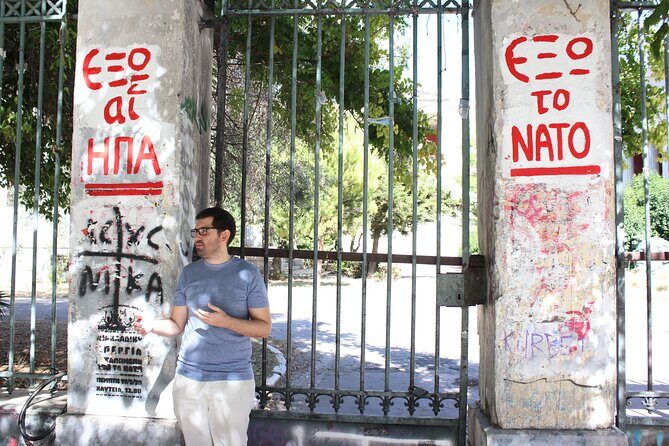
A big reason the experience works is the guide style. Isaac—the political scientist name that comes up again and again—brings context without talking down. The tone is described as funny and accessible, and the guide is open to questions. That matters because politics is personal. People hear different things in the same story, and Q&A gives you a way to steer your understanding.
You also get the advantage of cross-referencing. The tour doesn’t freeze Greece in a Greek-only bubble. The guide uses comparisons to help you understand what’s specific to Greece, and what’s part of wider patterns in Europe and beyond. It’s the kind of framing that helps when you later read news or have dinner conversations with locals.
Language options are practical. The tour runs in English and Spanish, and it’s designed as a live guided experience with interactive storytelling rather than audio-only wandering. If you’re comfortable asking questions in your tour language, you’ll likely get more out of it.
The story thread: from independence to the modern crisis mindset
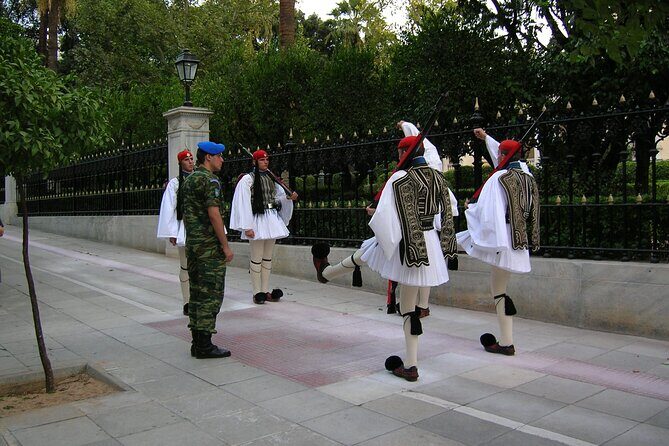
The walk’s core mission is to show how Greece’s modern social and political life formed, shifted, and then got stressed. You start with the evolution of the modern state, moving toward the present day. Along the way, the guide connects big themes such as religion, language, Europe, and the economy.
A useful way to think about it: you’re learning the country’s “operating system.” After the 2008 financial crisis, the way people explain politics changes. Economic pressure affects trust in institutions, shapes party politics, and turns public arguments into identity arguments. The guide’s job is to show you how that shift happened, not just when it happened.
The tour also covers periods that still echo in Athens. WWII-era memory matters here, as do post-war political tensions and the later wave of social debates around immigration and gentrification. Even if you don’t call yourself a politics person, you can still follow the story because it’s anchored to places you see every day.
Maximos Mansion: state power as a starting point
One of the first stops is Maximos Mansion. This is a place you pass while the guide sets the theme: how modern Greece formed, and how power is imagined in public space. Even without getting lost in architecture trivia, the stop works as a symbol for government life—who speaks for the state, and what the state claims to represent.
This early segment matters because it builds your expectations for the rest of the walk. You’re learning that Greek politics is not only about elections. It’s also about social legitimacy—who people think the country belongs to, and what authority feels like on the street.
A practical note: early on, the guide tends to move the timeline fast. If you like to process gradually, bring your questions early, not later. Ask what to watch for as the tour shifts from origins to modern tensions.
Presidential Palace: what changes when systems wobble
Next comes the Presidential Palace area. Here the guide connects the theme of the state to the lived reality of political change. The point is not that one building explains everything. The point is that buildings and institutions become symbols when political stability breaks—or when people believe it has.
This is where the tour’s “documentary” style starts to feel less like a presentation and more like a map. You’re being taught to read cues: who holds authority, how institutions look from the outside, and how the public response becomes part of the story.
If you’re sensitive to political discussion, this stop can feel intense—but in a useful way. It’s not meant to shame; it’s meant to clarify.
- All Day Cruise -3 Islands to Agistri,Moni, Aegina with lunch and drinks included
★ 5.0 · 4,958 reviews



National Garden + Hellenic Parliament: democracy you can walk around
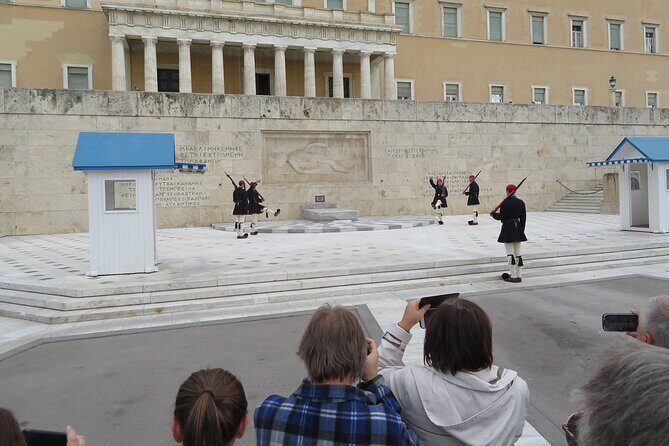
You then pass the National Garden and move toward Hellenic Parliament. This is one of the key emotional contrasts in the entire route. The guide uses the setting to connect the language of democracy to the reality of politics: public debate, institutional rules, and the constant friction between ideal and practice.
What I like here is that it’s not just theory. Parliament is a literal place where political arguments take formal shape, and the walk uses that to teach you how policy gets argued, negotiated, and—sometimes—contested.
The guide also folds in the international layer: Europe, economic pressures, and the way outside forces get translated into internal politics. It’s the kind of context that helps you understand why a global financial crisis can feel like a local identity crisis.
National Historical Museum: why national narratives matter
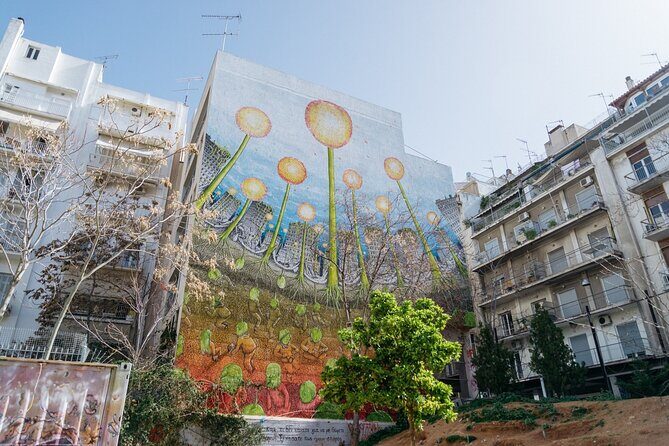
At the National Historical Museum, the focus shifts to how history is told—and why that matters for politics. Even if you’re not planning to enter a museum, this kind of stop teaches a valuable habit: pay attention to the story a country tells about itself.
Greece’s modern political life is shaped by memory. The guide connects that to how people understand religion, social belonging, and the meaning of national independence. You start seeing why economic arguments can turn into cultural arguments so quickly.
The drawback here is simple: if you’re exhausted from walking, you’ll want to stay alert. This is a thinking-heavy part of the tour. Pace yourself, take a breath, and let the guide’s timeline do its job.
Korai 4 Memorial Site 1941–1944: when history has a physical address
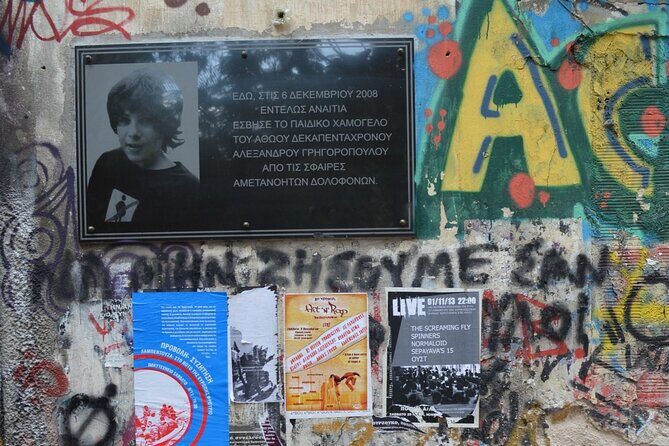
Then you reach Korai 4, a memorial site specifically identified for 1941–1944. This stop carries weight. It grounds the tour’s historical storyline in a concrete reminder that WWII-era events are not just chapters in a book—they shaped public memory and political attitudes long after.
The guide uses the memorial context to explain how periods of occupation and repression leave long shadows. You’ll connect that history to later social tensions and political reactions in the post-war era and beyond.
If you prefer light humor all the time, this segment may slow your mood. That’s normal. It also makes the overall tour more honest. Politics is partly about power, but it’s also about trauma and memory.
Panepistimiou: language, identity, and the city’s learning street

The route then includes Panepistimiou, one of Athens’ major university-centered corridors. This stop gives the guide room to talk about language and social identity without getting abstract. The way people speak, label themselves, and belong is political—and you feel that in a place tied to education and public debate.
This is also where the tour’s broader social lens becomes clearer. The guide links politics to everyday life: how people interpret Europe, how economic change changes public trust, and how social groups position themselves in a changing country.
If you’re hoping to take photos, this is a decent moment. You’ll have street views and architectural context that help you later picture what the guide described.
Metsovio Polythechnic: students, pressure, and a turning point
The walk ends with National Metsovio Polythechnic. This is where the story takes on a sharper edge: the guide connects political tension to social pressure from student activism, including the student massacre topic that appears in tour accounts.
This stop helps you understand why political change in Greece isn’t only about parties and elections. It’s also about public movements, youth activism, and the way major events can reorganize what people believe is possible.
From there, the tour concludes at 28is Oktovriou 42. By the end, you should feel like Athens has a second layer: not just the postcard city, but the political city underneath.
The quiet side stops: why lesser-known streets strengthen the argument
Along the way, there are two additional stops described as quieter points on the route. These aren’t just fillers. They help the guide keep the story grounded in the texture of Athens instead of orbiting only around famous landmarks.
This matters if you’re trying to understand modern issues like gentrification. The tour’s social angle includes how neighborhood change affects identity, housing, and public debate. When you stand in a place that’s not instantly famous, you can see how those pressures play out beyond newspaper headlines.
A small tip: when the guide shifts to these side locations, slow down and listen closely. It’s easy to focus on the next big site and miss how the quiet stops connect the final themes together.
Price and pacing: what you’re really buying
At $47 for 2.5 hours, this tour sits in the middle range for Athens walking experiences. What you’re paying for is not just a route. You’re paying for a political scientist-led explanation with a timeline structure and built-in visual support via the slideshow with photos and extra info.
The pacing feels designed for comprehension. Reviews emphasize that the guide explains complex issues in simple terms and keeps things funny and accessible. That combination is rare: humor without seriousness is easy, and seriousness without humor is exhausting. This strikes a workable balance.
What to plan for on your end:
- Comfortable shoes: you’ll be walking central Athens for the full duration.
- A “listen first” mindset: questions help, but the tour moves as a guided story.
- Weather awareness: like most Athens walking tours, sun and wind can shape how tiring the second half feels.
Who should book this walk, and who might skip it
This tour is ideal if you like politics but don’t want a textbook. It’s also a strong choice if you’re curious about why Greece feels different from how it’s often described abroad—especially in the wake of the 2008 financial crisis.
It’s also a good fit if you enjoy learning through places. The route uses major political and memory locations plus quieter stops, so you leave with context that helps you read Athens as you explore on your own.
You might consider skipping if you prefer lighter, art-focused city walks with minimal political framing. This one is built around social and political change. You can still enjoy the city, but you’ll feel the conversation steering you.
Should you book the Athens Social and Political Walk?
Yes, if you want a faster path to understanding modern Greece than museum labels or news scrolling. The combo of Isaac’s political-science approach, the documentary-style storytelling, and the slideshow support makes the $47 price feel like value for the amount of context you’re getting.
Book it early in your Athens time if you can. The tour gives you language for what you’ll see later: how institutions operate, how memory shapes politics, and how economic shocks become social narratives. If you already love Greek history, you’ll get extra structure. If you’re starting from scratch, you’ll still end with a clearer picture of how the past connects to the present.
If you’re in town for a short visit and want one guided experience that gives you an analytical lens without killing the fun, this is the kind of walk that pays off.
FAQ
How long is the Athens Social and Political Walk?
The tour lasts 2.5 hours.
How much does the tour cost?
It costs $47 per person.
What is the meeting point and where does the tour finish?
It starts at Athens Social and Political Walk – Planetwonk and finishes at 28is Oktovriou 42, Athina 106 82, Greece.
Is this a walking tour?
Yes, it is a walking experience through central Athens.
What languages are available?
The live tour guide offers Spanish and English.
What’s included in the price?
You get a slideshow with photos and extra information on the issues discussed during the experience.
Who leads the tour?
It is guided live, described as an interactive storytelling walk with a political scientist.
Is free cancellation available?
Yes. You can cancel up to 24 hours in advance for a full refund.
Can I reserve now and pay later?
Yes. The tour offers reserve now & pay later.
Is it wheelchair accessible?
Yes, it is wheelchair accessible.

More Walking Tours in Athens

More Tour Reviews in Athens
- All Day Cruise -3 Islands to Agistri,Moni, Aegina with lunch and drinks included
★ 5.0 · 4,958 reviews