REVIEW · ATHENS
Athens Highlights, Delphi & Meteora, 3-Days Private Tour
Book on Viator →Operated by CATTAXI · Bookable on Viator
Some days just line up perfectly.
This private Athens Highlights, Delphi & Meteora tour strings together the big icons plus the quieter stops between them. I like the way you get tight, guided time at the major ruins (Delphi and two Meteora monasteries are led by a professional guide), and I also like the classic Athens combo of Acropolis plus the Changing of the Guard. The main thing to think about is the long driving days: you’ll be in a vehicle a lot, and you’ll need to handle uneven walking in historical sites.
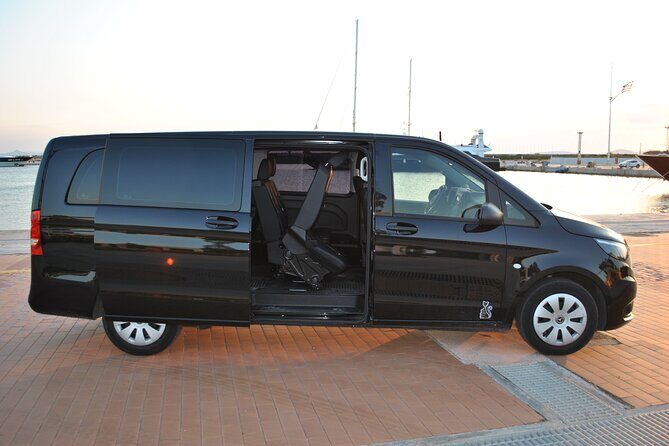
Because it’s fully private, your English-speaking driver (Terry, in at least one set of feedback) can adjust the pace around your group and add real context without turning it into a lecture. Your plan includes hotel nights in Kalampaka, breakfast both mornings, and comfortable transport with Wi‑Fi and air-conditioning. Just note that most museum and site entries are extra, so you’ll want to plan for tickets separately.
In This Review
- Key things to know before you go
- Why this Athens–Delphi–Meteora route feels efficient
- Athens in one day: Acropolis, Hadrian’s Arch, Olympian Zeus, and Syntagma
- Cape Sounion’s Temple of Poseidon: sea views you’ll remember
- Delphi Archaeological Museum and Apollo’s sanctuary with a pro guide
- Arachova break and Thermopylae Museum: mountain calm, Spartan stakes
- Kalampaka to Meteora: why the overnight makes the difference
- Meteora monasteries: see at least two, with two guided visits
- Price and logistics: what you’re really paying for
- Who should book this private Athens highlights itinerary
- Should you book CATTAXI for Athens Highlights, Delphi & Meteora?
- FAQ
- What’s the duration and how many nights does the tour include?
- Where will pickup and drop-off happen?
- Are admission fees included for all attractions?
- Is this tour private?
- Do we have a professional guide during the trip?
- What monasteries will we visit in Meteora?
- How early do we usually start each day?
- What if bad weather causes a cancellation?
- Do I need to be able to walk on uneven terrain?
Key things to know before you go
- Private vehicle, door-to-door pickup from Athens, Piraeus, or the airport.
- Guided Delphi and guided Meteora moments (two monasteries guided, at least two total visited).
- Acropolis + iconic Athens sights packed into Day 1 with smart stopping points.
- Cape Sounion at the southern edge of Attica for dramatic sea views.
- Thermopylae and Arachova give you a breather from city crowds.
- Two nights, one UNESCO-style journey: Delphi and Meteora are the headline events.
Why this Athens–Delphi–Meteora route feels efficient
This itinerary is built around geography. You start in Athens for the densest cluster of famous stops, then you work west/southwest to Delphi, and finish in Meteora after overnighting in Kalampaka. That means you’re not doing backtracking or burning time on messy transfers.
The private format matters here. You get a professional English-speaking driver who provides information and tips but doesn’t go into the sites. Then, when it’s most valuable to have a formal expert, the plan switches to a professional guide at Delphi and for two Meteora monasteries. That’s a smart split: guide time where it counts, driving time where it’s necessary.
One more practical note: the tour typically runs with an early departure window (often 6:00am to 9:00am, based on your preference). Early starts don’t magically remove all crowds, but they do help you get through the busiest sights with less pressure and more daylight for photos, especially for the Acropolis and the sea at Cape Sounion.
You can also read our reviews of more private tours in Athens

Athens in one day: Acropolis, Hadrian’s Arch, Olympian Zeus, and Syntagma
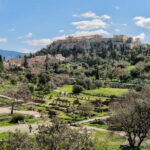
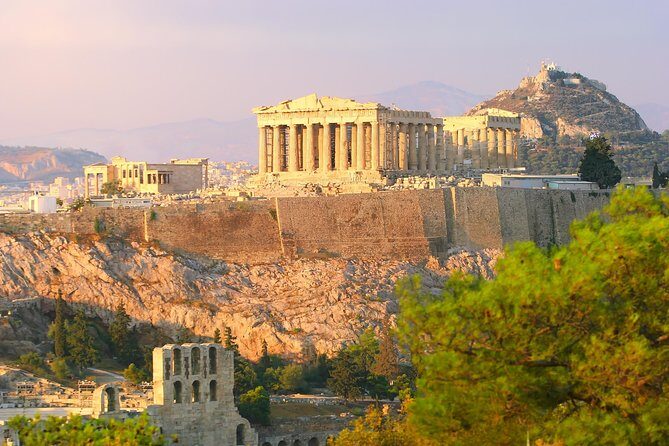
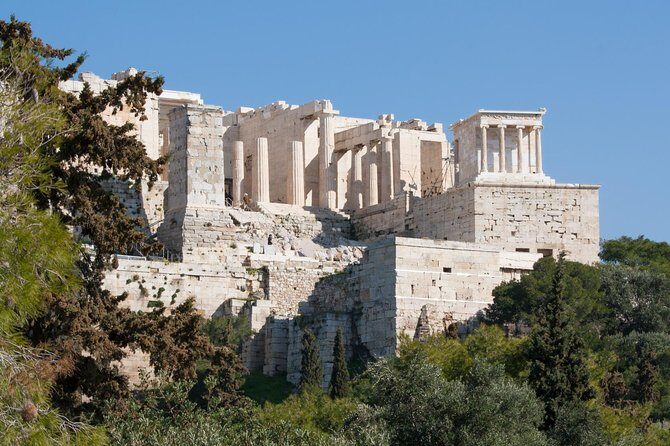
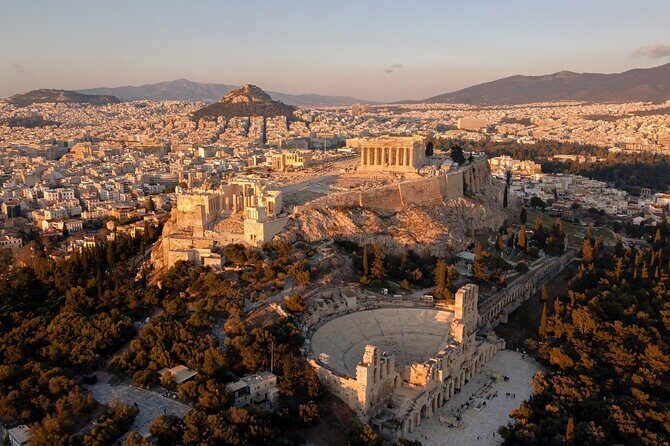
Day 1 is the big Athens sampler, and it’s structured so you see the most important landmarks without wasting time zigzagging across town. You start at the Acropolis, where the Parthenon sits on the hill dedicated to Athena. The plan gives you about 1 hour 30 minutes there. You’ll be standing in the same dramatic position that still defines Athens: high above the city center, with the surrounding old neighborhoods below you.
From there, you keep moving through Roman and Greek layers of Athens:
- Hadrian’s Arch (free): a quick stop, but a useful one. It’s a Roman monument tied to Theseus and Hadrian, and it helps you place the Acropolis story in a longer timeline.
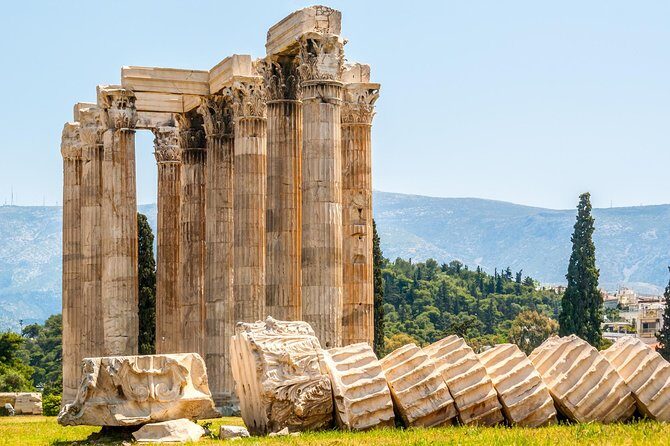
- Temple of Olympian Zeus (admission extra): only a few of the original 104 columns remain, but that’s part of the point. When you see how much is gone, you understand the scale of what once stood here.
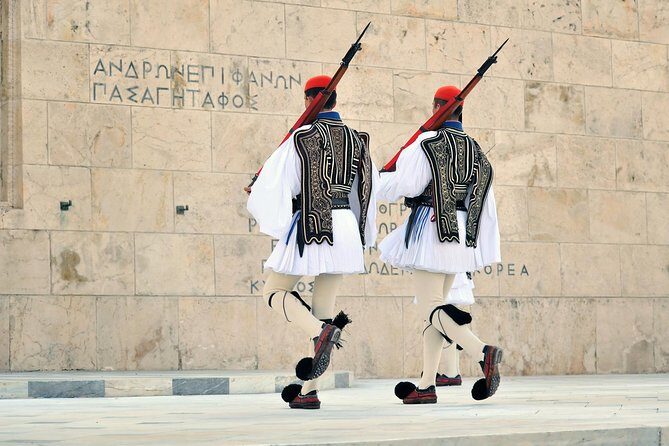
Then comes the moment many people remember most clearly: Syntagma Square and the Changing of the Guard at the Tomb of the Unknown Soldier. You get around 20 minutes there, which is enough to watch the ritual without feeling rushed. The guards are the Evzones, and their uniform was introduced by King Otto of Greece, inspired by traditional mountain warrior and resistance clothing from the Ottoman period. That specific detail is exactly the sort of context a good driver gives you on the way in and out.
Finally, you end Athens Day 1 at the Panathenaic Stadium, the venue for the first modern Olympics in 1896 (admission extra). It’s a great transition from myth and empire to the modern “we want to matter” story of Greece.
Cape Sounion’s Temple of Poseidon: sea views you’ll remember
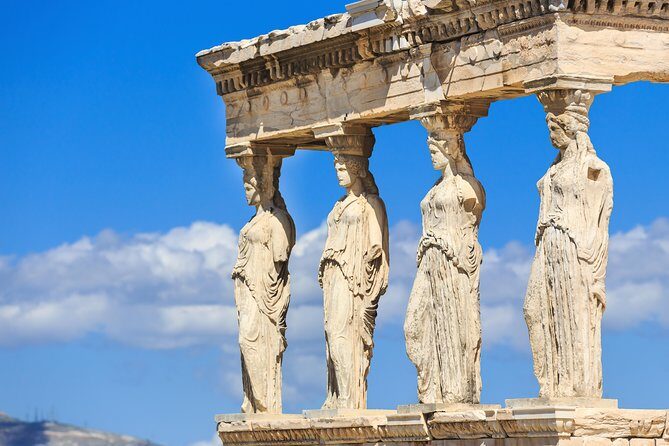
After Athens, you take the scenic drive along the coast toward Cape Sounion, where the Temple of Poseidon sits high above the Aegean Sea. The plan allows about 2 hours here, which is important because Sounion isn’t just a quick photo stop. You want time to look down over the water, read the mood of the coastline, and take your photos before the light shifts.
This isn’t random scenery. The temple is part of a trio of ancient sites that includes the Acropolis and the Temple of Aphaea on the nearby island of Aegina. On a clear day, you may be able to see the other monuments from the “equal distances” concept described for this area. Even if weather limits visibility, the viewpoint itself still does the heavy lifting.
There’s also a classic myth connected to the spot: Aegeus, waiting for his son, sees black sails and believes the worst, leading him to fall from the cliffs. I like tours that mention these stories because they help you see ruins as something more than stone. Here, the legend adds emotional weight to the sea and the distance.
Delphi Archaeological Museum and Apollo’s sanctuary with a pro guide
Day 2 turns from modern Athens to ancient decision-making. You start at Delphi, with a professional guide focusing on the archaeological complex and the Delphi Archaeological Museum area (the time on this stop is about 2 hours).
Delphi is famous because it functioned as the religious center of the ancient Greek world and the seat of Pythia, the oracle connected to Apollo. People traveled from across Greece to ask questions, and in some major historical moments, her answers were described as influencing outcomes. It’s also recognized by UNESCO, and that status fits what you’ll feel when you’re walking among the ruins: this place was meant to be taken seriously.
The best way to use your time here is to slow down for the big layout. Delphi isn’t just one temple you rush through. You’re moving along a sanctuary perched on the slopes of Mount Parnassus, with the ancient landscape shaping everything around you. Your guide is the difference between seeing “a lot of stones” and understanding why certain structures mattered.
You’ll also hear about the Temple of Apollo as the core of the site, and the surrounding elements like the Treasuries. The time is short enough that you can’t see everything in a casual way, but long enough to catch the main story beats—especially when a guide is pointing out what to notice.
Arachova break and Thermopylae Museum: mountain calm, Spartan stakes
After Delphi, you get a reset stop in Arachova, about 1 hour. This is known for stone houses and a classic mountain village feel. In winter it’s a ski area, and even when you’re not skiing, the town gives you a change of pace: you can enjoy views and grab coffee in one of the cafés. This stop is valuable because it breaks the day into two halves: ancient prophecy, then ancient conflict.
From Arachova you head to Thermopylae, visiting the site and Thermopylae Museum. You’ll have about 1 hour here. The story is the stand of King Leonidas and the 300 Spartans against Xerxes of Persia at the narrow pass between cliffs and the sea. Even if you know the headline, this stop helps you understand why the geography mattered—because the “Hot Gates” were never just a dramatic name.
Once that’s done, you ride onward to Kalampaka for your overnight stay. The driving time is long (the day lists about 10 hours reaching Kalabaka), but it’s also the logistical key to making Meteora realistic without rushed mornings. You’ll have dinner there and get views of the monasteries you’ll visit the next day.
- All Day Cruise -3 Islands to Agistri,Moni, Aegina with lunch and drinks included
★ 5.0 · 4,958 reviews


Kalampaka to Meteora: why the overnight makes the difference

Staying in Kalampaka is one of the best choices in the whole plan. Meteora’s monasteries are high up on rock formations, and timing matters. An overnight stay means you’re not doing an insane “arrive and immediately climb” schedule.
That dinner with monastery views is also practical. It gives you a mental map before you start climbing steps and crossing uneven terrain. Meteora can feel confusing at first glance because the rocks dominate and you see multiple monasteries at once. When you’ve already seen them once from below, the next day becomes way more understandable.
The plan also includes time on Day 3 that balances viewing and walking. Meteora isn’t a quick in-and-out for most people. You’ll want to wear shoes that can handle uneven ground, because the tour data notes that you must be able to walk on unpaved or uneven terrain, and the driver will do their best to see most sites if mobility is limited.
Meteora monasteries: see at least two, with two guided visits
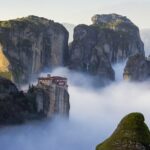
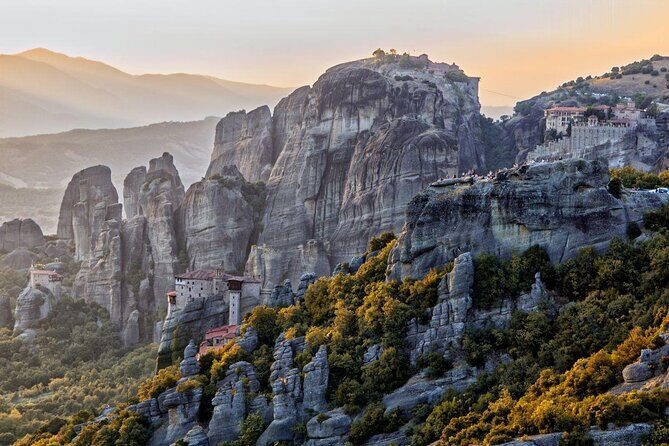
Day 3 is the fairytale part, in the literal sense: monasteries perched on towering rock pillars. You’ll spend about 5 hours at Meteora, visiting at least two monasteries (time permitting, more). Importantly, two of the visits are guided by a professional guide.
The monasteries you might see include:
- Great Meteoron
- Varlaam
- Holy Trinity (Agia Triada)
- Rousanou (listed as Holy Monastery of the Great Meteoron? No—Rousanou is its own stop)
The tour schedule calls out guided blocks at Great Meteoron and Varlaam, plus other monastery options like Holy Trinity and Rousanos depending on timing.
What I like about this structure is that it gives you both the awe and the meaning. You’re not just looking at monasteries from a distance. You’re inside (where allowed) with guidance that helps explain what you’re seeing. That matters a lot at Meteora because the buildings, icons, and placement all connect to the same centuries-old goal: spiritual life in extreme isolation.
Also, don’t underestimate the weather and light. Meteora’s rock surfaces change character as clouds move and the sun angles. With a half-day on site, you have a bit of flexibility to adjust your photo time around the conditions.
Price and logistics: what you’re really paying for
At $1,995.51 per person, this is not a budget tour. It’s a “buy back your time” tour, and you should judge it by what’s included.
What you do get included:
- A wholly private tour with your party only
- Hotel accommodation with breakfast for each passenger (two nights total)
- Transportation to and from your central hotel in Athens or Piraeus, plus airport option
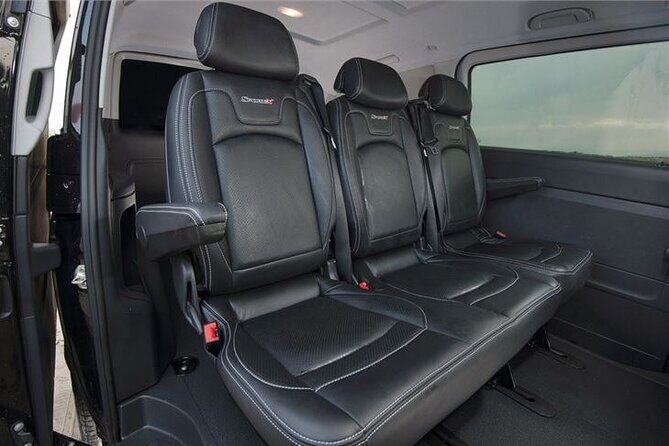
- Air-conditioned vehicle and Wi‑Fi
- Fuel surcharge and tolls
- Professional guide at Delphi and professional guide at two Meteora monasteries
- Your driver is English-speaking, gives information and tips, and stays with you rather than entering sites
What you don’t get included:
- Admission fees for archaeological sites and museums (Acropolis, Temple of Olympian Zeus, Panathenaic Stadium, Delphi site/museum, Thermopylae, and Meteora monastery entries are typically ticketed)
- Coffee, drinks, snacks, and meals
- Gratuity (left to your discretion)
So the value equation is this: the price covers private driving, lodging, and expert guidance where it’s most impactful. If you’re traveling solo or as a small group, the private vehicle cost per person can still feel steep. If you’re able to share within the private-vehicle setup (the tour notes pricing is per person but the vehicle size scales with your group), it starts to feel more reasonable.
One more practical consideration: the tour requires good walking ability on uneven ground. If your mobility is limited, you’ll want to double-check your needs early, because the driver can adjust their effort, but you still need to physically manage the terrain at sites like Meteora.
Who should book this private Athens highlights itinerary
This tour is a strong match if you:
- Want less planning and more “show me the right things” guidance
- Like history with context, not just photo stops
- Prefer private pacing over joining a large group
- Are comfortable with early starts and a lot of time in the vehicle
It’s also a great choice for people who care about guidance quality. The feedback points to Terry as exceptionally good with communication and a detail-oriented approach, and that matches what this tour is designed to do: connect the dots between places.
Who might think twice? If you hate driving days or you need very gentle walking, this may feel like too much movement. The stops are meaningful, but you’ll be stacking a lot of iconic sites across two full days and then Meteora.
Should you book CATTAXI for Athens Highlights, Delphi & Meteora?
I’d book it if you want a guided, private “best hits” path that still includes real experts at the two headline UNESCO-style stops: Delphi and Meteora. The included lodging in Kalampaka and the early-to-midday structure on key days make the whole plan feel doable.
Before you say yes, do two things:
- Budget separately for admission tickets at the major sites.
- Be honest about walking comfort on uneven terrain.
If those fit your style, this is the kind of trip where you’ll feel like you saw Greece’s big stories without turning it into a logistics project.
FAQ
What’s the duration and how many nights does the tour include?
The tour runs for about 3 days and includes 2 nights, with overnight in Kalampaka.
Where will pickup and drop-off happen?
Pickup and transportation are offered from central hotels in Athens or Piraeus, and also from Athens Intl. Airport (as an option). You’ll also be transported back after the tour.
Are admission fees included for all attractions?
No. Admission fees for archaeological sites and museums are not included. You’ll need tickets for places like Acropolis and other major stops.
Is this tour private?
Yes. It’s a private tour/activity, so only your group participates.
Do we have a professional guide during the trip?
You’ll have a professional guide at Delphi, and professional guides at two of the Meteora monasteries. Your driver provides information and tips but typically does not enter sites.
What monasteries will we visit in Meteora?
The itinerary lists Great Meteoron, Varlaam, Holy Trinity (Agia Triada), and Rousanou as options. The plan includes visiting at least two monasteries, with two guided visits, time permitting.
How early do we usually start each day?
Departure time is usually between 6:00am and 9:00am, based on your preference.
What if bad weather causes a cancellation?
The tour notes that it requires good weather. If it’s canceled due to poor weather, you’ll be offered a different date or a full refund.
Do I need to be able to walk on uneven terrain?
Yes. You must be able to walk on unpaved or uneven terrain. The driver will do their best to see most sites, but physical mobility is still required.
More Private Tours in Athens


More Tours in Athens
More Tour Reviews in Athens
- All Day Cruise -3 Islands to Agistri,Moni, Aegina with lunch and drinks included
★ 5.0 · 4,958 reviews