REVIEW · ATHENS
Athens: National Archaeological Museum Ticket w/ Opt. Audio
Book on GetYourGuide →Operated by Key Tours · Bookable on GetYourGuide
The National Archaeological Museum is a time machine. If you like big, important Greek objects in one place, this ticket does the job fast and lets you move at your pace. You scan your e-ticket at the gate and then spend your day walking through a world-class collection spread across themed rooms.
I like two things most: the easy, pre-booked entry that helps you avoid slowdowns, and the chance to see headline artifacts like the Gold Deathmask of Agamemnon without getting stuck on logistics. The museum itself is huge, so having a timed ticket and self-guided flow makes it feel manageable.
One drawback to plan around: the museum is so extensive that audio (and even the signage) won’t always save you from getting turned around, and some sound moments can be hard to hear in noisy areas. Also, a few rooms can run hot in summer, so comfort depends on your timing and your tolerance for less air-conditioned spaces.
In This Review
- Key points that make this ticket worth your time
- Why the National Archaeological Museum earns a spot on your Athens day
- Getting in fast at Omonoia: e-ticket scan and the lines to watch
- Mapping your route in a museum that’s almost too big
- The highlights you should build your day around
- Statue room cravings: Zeus, Poseidon, and friends
- Optional audio guide: how to use it without losing your way
- Timing your visit: heat, crowds, and comfort trade-offs
- How long should you plan for at this museum?
- Price and value: what $30 buys you in real time saved
- Who this self-guided museum ticket suits best
- Should you book this National Archaeological Museum ticket with optional audio?
- FAQ
- What does the ticket include?
- Do I need to bring anything for the audio?
- Where do I go to enter?
- Is the audio guide available in English?
- What are the basic opening hours?
- Can I get a refund after booking?
Key points that make this ticket worth your time
- Pre-booked e-ticket entry helps you get past the usual ticket chaos faster
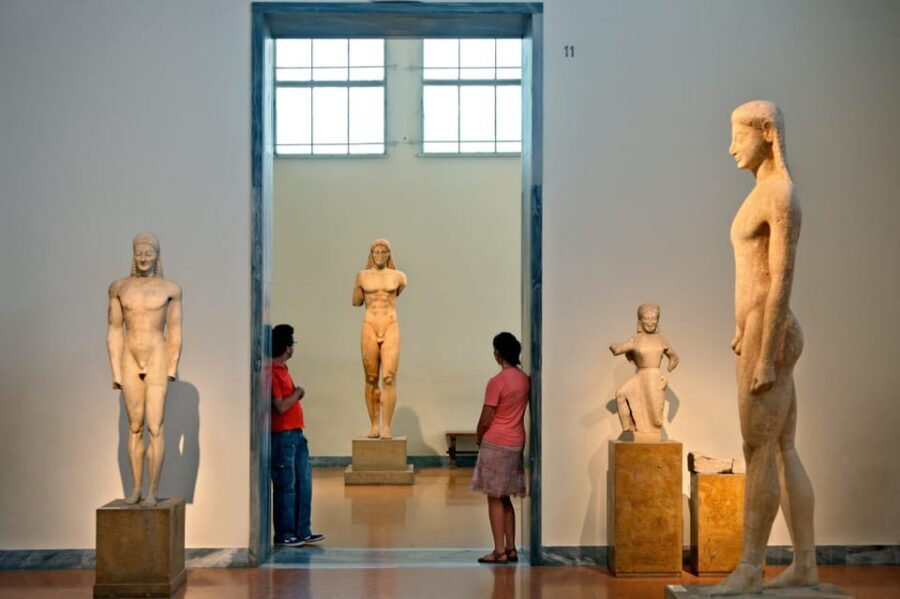
- World-class Greek antiquities in one of the most important collections devoted to ancient Greek art
- Standouts include the Deathmask of Agamemnon and the Antikythera mechanism
- Optional audio can add context, but you’ll want headphones and maybe backup battery
- The museum’s timeline-style layout is helpful, though not always perfectly intuitive
- You can pair the visit with self-guided audio for Athens Old Town and Plaka
Why the National Archaeological Museum earns a spot on your Athens day
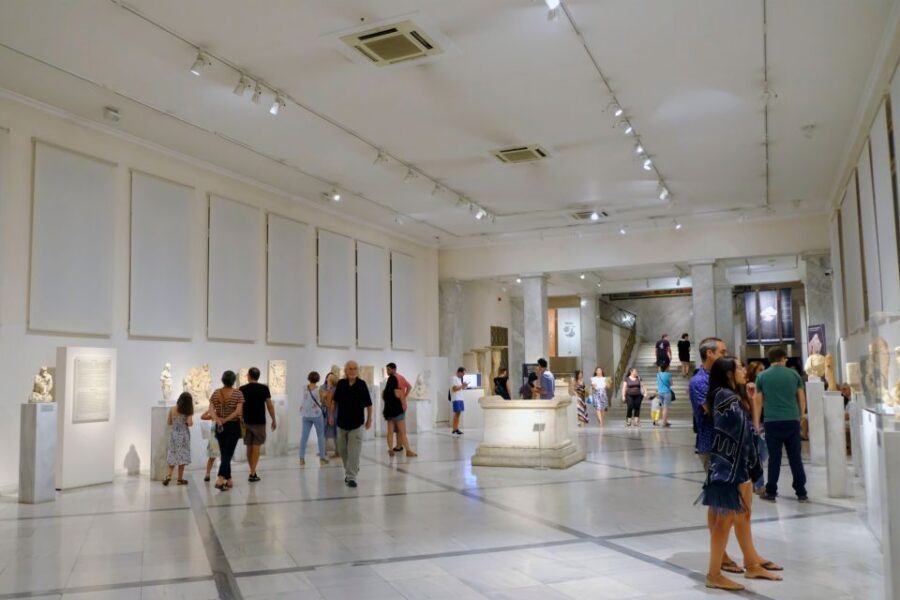
This is the museum that gives you the broad sweep of Greek history in one go. You’re not just looking at famous sculptures; you’re seeing how different periods of Greek life, art, and technology connect. It’s a lot to hold in one visit, but that’s also what makes it feel meaningful.
I especially like the way the museum turns famous names into real objects you can stand in front of. One ticket gets you access to a serious lineup: artifacts from across Greece, plus major sculpture highlights like statues of Zeus, Aphrodite, and Poseidon. If you want a single Athens museum day that feels worth the effort, this is one of the best bets.
The other practical win is control. With a self-guided plan, you can slow down where you care and speed through what doesn’t click. That’s useful in a museum this large, because one fixed tour schedule can easily leave you behind (or make you feel rushed).
You can also read our reviews of more tours and experiences in Athens


Getting in fast at Omonoia: e-ticket scan and the lines to watch
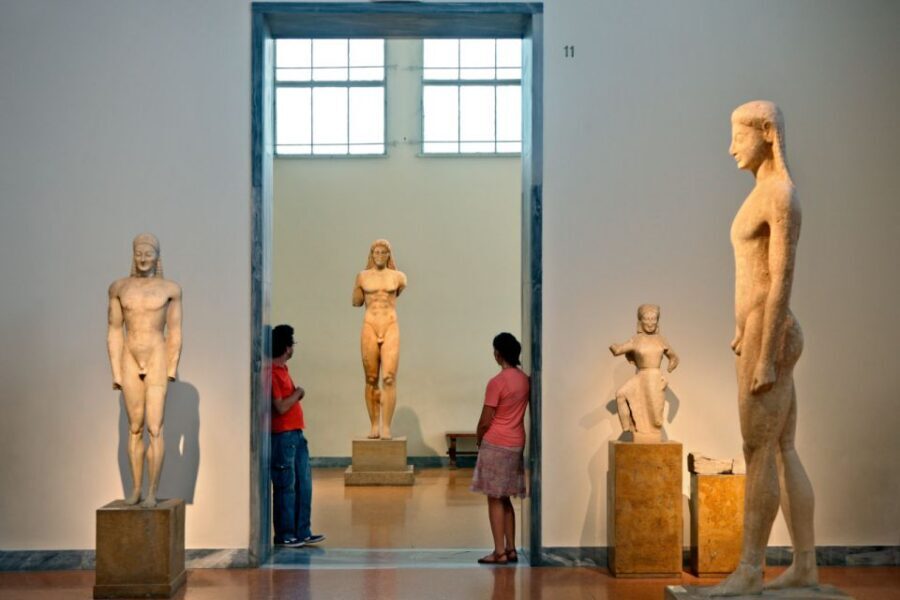
Your nearest metro stop is Omonoia, which is a solid landmark for planning your walk or transfer. The entry system is straightforward: your e-ticket is scanned at the gate for your selected date and time slot, then you’re in.
Here’s a detail that matters: there can be multiple lines for different needs. One line is for buying tickets, another is for people who already have tickets, and another is for people picking up electronic equipment tied to the audio experience. If you end up in the wrong one, you can lose time that the pre-booking is supposed to save you.
So do this: when you arrive, pause for a few seconds and confirm which line is for pre-booked ticket holders. This small move can turn an awkward wait into a quick entry.
Mapping your route in a museum that’s almost too big
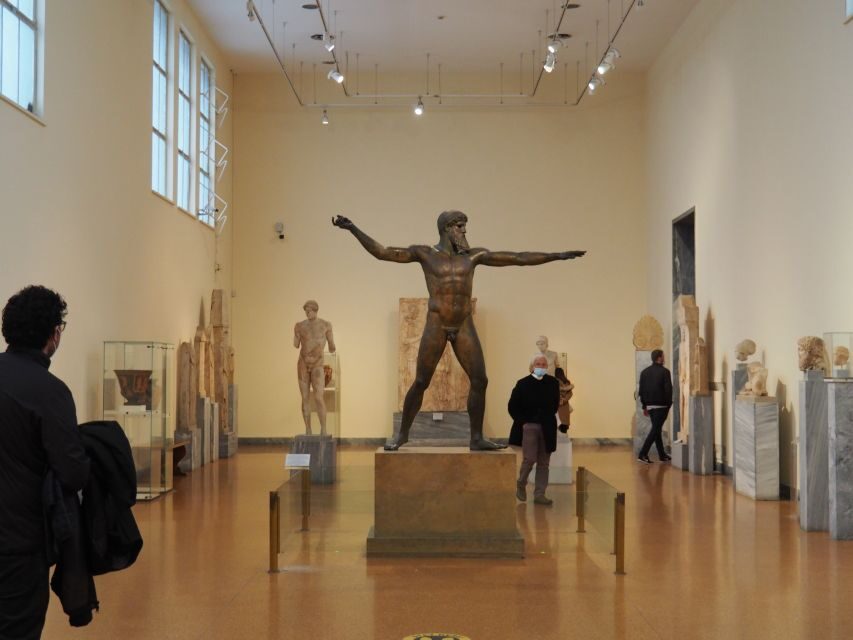
The museum is arranged in a way that supports a timeline approach. You move through rooms grouped by period, so your brain can start building a sequence instead of a random checklist. That structure is a real help for people who like context, not just objects.
Still, don’t expect it to be perfectly foolproof. Some visitors find that the flow can feel confusing in the middle of the museum, especially if signage or directional help doesn’t match where you are. If you’re the type who hates backtracking, it can pay to pick a main route before you start—then let yourself stray only to chase specific objects.
As you go, wear comfortable shoes and plan on lots of walking. The museum is famous for scale, and even if you only hit the major rooms, your feet will notice. One good strategy: pick a small number of anchors (say, 6 to 10 must-sees) and let everything else become bonus.
The highlights you should build your day around
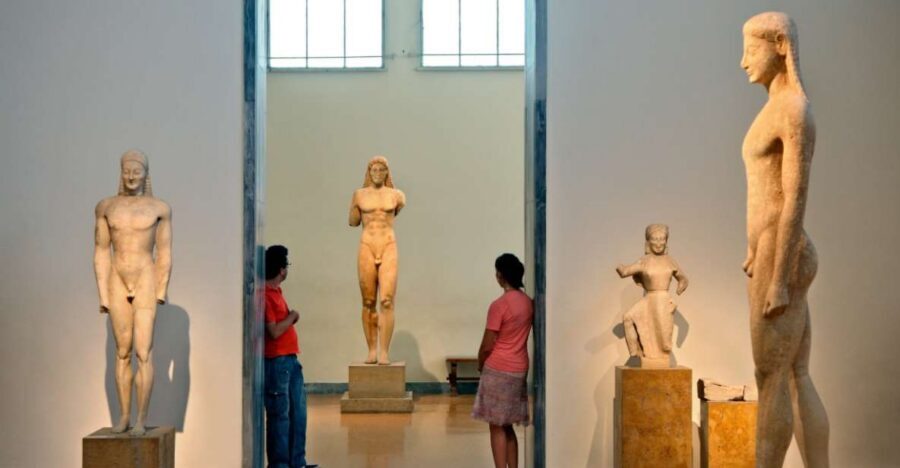
If you want a Greek antiquities greatest-hits list, this museum hands it to you. These are the objects people tend to travel for, and they connect to different parts of Greek life—myth, daily craft, science, and long-distance trade of ideas.
Gold Deathmask of Agamemnon
This is the one you’ll hear about, and it’s easy to see why. It turns the legend into something physical, and it helps you understand why some Greek stories stuck around for centuries.
Antikythera mechanism
This is a standout because it changes what you think technology in the ancient world looked like. It’s one of those “how did they do this?” objects that forces you to slow down and actually look.
Cup of Nestor
It’s a classic example of how Greek artifacts weren’t just art objects; they were also objects of story and identity. If you like reading symbols and inscriptions, you’ll probably find this kind of piece more satisfying than just big sculpture.
Ring of Theseus
This one fits the same pattern: myth and material culture in one place. If you grew up with Greek stories, it’s a strong way to connect the narrative with an actual artifact.
The museum has plenty more besides these names, but if you design your day around a few anchor objects, you’ll feel accomplished without spending the whole day chasing everything.
Statue room cravings: Zeus, Poseidon, and friends

Sculpture is one of the museum’s big strengths, and you’ll feel it as soon as you step into the major display areas. Visitors often mention statues like Zeus and Poseidon because they’re visually commanding and you can get up close.
One key tip: give yourself a minute or two before you rush the sculpture galleries. Look from a distance first, then step closer. In a collection this old, details can reward that extra attention, especially on faces, drapery, and posture.
If you’re a sculpture fan, you’ll probably want longer here than you think. The museum moves through periods, and sculpture can appear in different rooms with different styles. Even if you’re not a scholar, that contrast helps the objects feel alive instead of like separate museum stops.
You can also read our reviews of more museum experiences in Athens





Optional audio guide: how to use it without losing your way
This ticket can include a self-guided audio tour for the National Archaeological Museum if you selected the audio option. The audio is available in English, and you’ll want to bring headphones so you’re not stuck sharing sound in a crowded hall.
You’ll also have self-guided audio content for Athens Old Town and Plaka as part of the experience options. That’s a nice bonus if you’re trying to make your museum day spill into an evening walk with more context.
A few practical lessons from real use:
- The audio route may not always feel like a perfectly linear walk. If you notice the narration talking about something far away, don’t fight it—use the description like a clue, then visually search.
- Some audio moments can be glitchy or not active, so have patience and don’t assume every button works flawlessly.
- Movie or audio-visual elements can be hard to hear if the area is noisy and groups are talking nearby.
Also, a self-guided audio app can eat your phone battery. If you rely on your phone, consider bringing a portable charger so you don’t hit 5% power halfway through a highlight section.
Timing your visit: heat, crowds, and comfort trade-offs
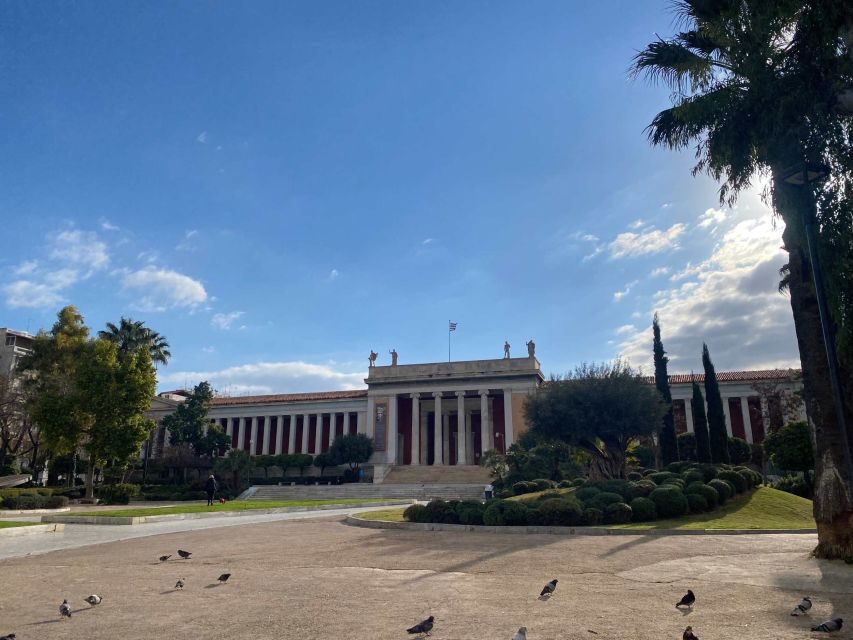
The museum’s hours change by season, and Athens weather can make the difference between a pleasant walk and a sweaty slog. In summer, some rooms may have limited air conditioning, and there may be limited places to sit if you need a break.
My best advice is simple: go earlier when possible. One of the strongest patterns in the experience is that morning visits can feel calmer, with fewer crowds. If you’re visiting in the busy season, an early start can help you avoid both heat fatigue and the squeeze that comes later in the day.
Also, keep your expectations flexible about closures. At least once in recorded experiences, some galleries were shut to the public during a short window, which can be disappointing if you planned around a specific room. If something looks locked or closed, treat it as a reroute, not a ruined day.
How long should you plan for at this museum?
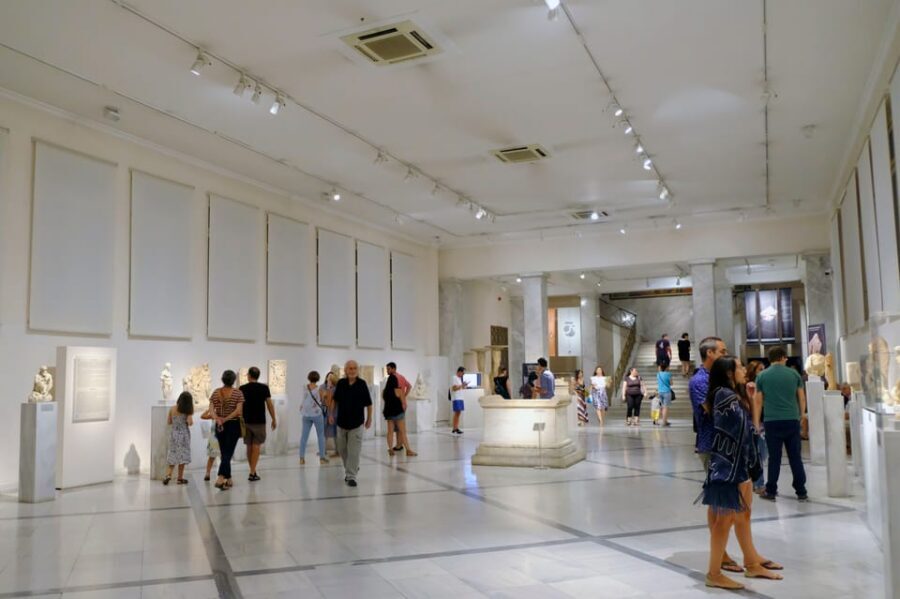
You can do a fast pass if you’re focused. Some visitors report taking about an hour at their own pace, especially if they target major rooms and read selectively. If you like to linger—especially at sculpture and big-tech curiosities like the Antikythera mechanism—plan for longer than a quick stop.
Because the museum is built on time periods, your pace matters. If you read most labels, the museum will take longer than if you just scan for key names and move room to room. Either way, headphones and a smart route help you feel less scattered.
Price and value: what $30 buys you in real time saved
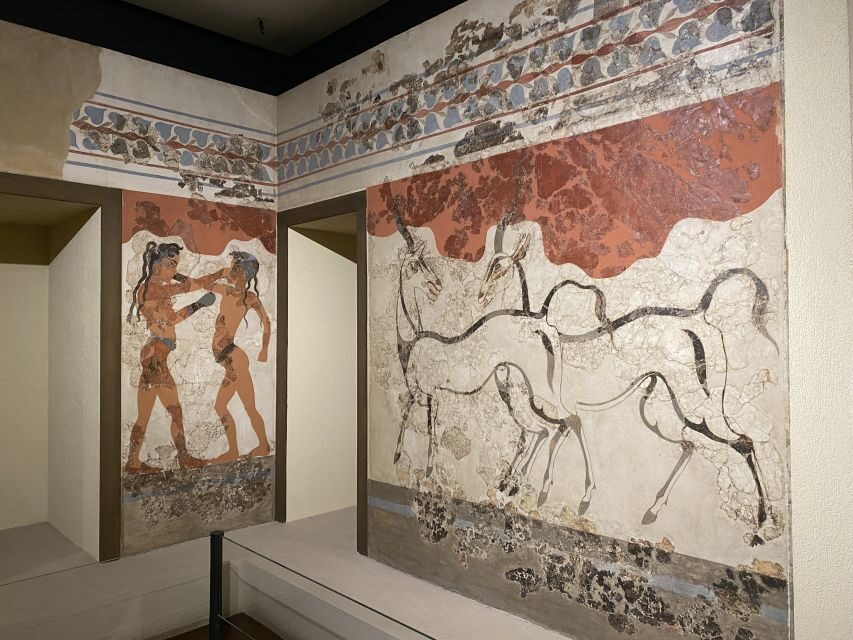
At around $30 per person, this isn’t a budget-only ticket, but it’s also not paying for someone to lead you by the hand. You’re paying mainly for two things: guaranteed museum admission for your time slot and an optional audio component that can add context.
The value is clearest when the lines are long. Pre-booking helps you skip the slow parts and get to the exhibits faster, which matters in a museum this size. Even if you still have some waiting at security or check-in, you’re usually not stuck in the full ticket-purchase lane.
And then there’s the payoff side: you’re buying access to one of Greece’s most important archaeological collections in one building. When you’re already spending a day in Athens, the cost becomes easier to justify because you’re not splitting your archaeology time across multiple stops.
Who this self-guided museum ticket suits best
This works best if you want independence. You like moving at your own pace, spending extra time at objects that catch your eye, and skipping whatever doesn’t hold your attention.
It also suits people who want context without a live guide. The audio option can help you understand what you’re seeing, and the timeline-style museum layout supports that learning. If you’re traveling solo or in a small group, self-guided feels especially natural.
One clear eligibility note: the ticket is for travelers over age 25. Reduced tickets aren’t available online, and certain groups (like children under 5 or EU citizens under 25) may qualify for reduced or free entry with ID at the ticket booth at the Acropolis site, though that’s separate from this museum ticket. If you’re under 25 or bringing younger kids, double-check how your ID status applies before you go.
Should you book this National Archaeological Museum ticket with optional audio?
Yes—if you want a smooth, timed entry and you plan to spend actual time inside the museum. I’d book it when you’re visiting during busy days or you hate losing the morning to lines. The self-guided setup is also a good match if your travel style is flexible.
I’d hesitate only if you know you’ll rely heavily on audio and you’re sensitive to app glitches or hard-to-hear audio-visual spots. In that case, treat the audio as helpful, not essential, and be ready to navigate with your eyes and labels.
If your goal is to see major Greek antiquities—especially the objects that show up in history books—this ticket is a practical way to make it happen. You’ll be able to focus on the art, not the logistics, and that’s the best kind of travel value.
FAQ
What does the ticket include?
It includes entry to the National Archaeological Museum for your selected date and time slot. It also includes a self-guided audio tour for Athens Old Town and Plaka. If you select the audio option, it also includes a self-guided audio tour for the museum.
Do I need to bring anything for the audio?
Yes. You should bring headphones so you can listen to the self-guided audio.
Where do I go to enter?
The nearest metro station is Omonoia. You scan your e-ticket at the museum gate to enter.
Is the audio guide available in English?
Yes. The optional audio guide is available in English.
What are the basic opening hours?
Hours vary by season. From November 1 to March 31, the museum is typically open Wednesday to Monday from 8:30 AM to 3:30 PM, and Tuesday from 1:00 PM to 8:00 PM. From April 16 to October 31, it’s typically open Wednesday to Monday from 8:00 AM to 8:00 PM, with Tuesday from 1:00 PM to 8:00 PM. Special occasions can change hours.
Can I get a refund after booking?
No. This activity is non-refundable.


More Museum Experiences in Athens
More Tickets in Athens



More Tour Reviews in Athens
- All Day Cruise -3 Islands to Agistri,Moni, Aegina with lunch and drinks included
★ 5.0 · 4,958 reviews