REVIEW · ATHENS
Athens: Private Guided Skip-the-Line Tour of the Acropolis
Book on GetYourGuide →Operated by Guide me in Greece Tours · Bookable on GetYourGuide
An Acropolis tour with brains and good timing. This private skip-the-line experience focuses on what you’re actually looking at, with stories tied to the great Athenian thinkers—Aristotle, Socrates, Pericles—and the monuments they left behind. I like that the tour is guided by an archaeologist guide (not just a script reader), and I also like the practical pacing: you’re led through the site with clear explanations and tips for where to stand and when. One thing to plan around: it runs regardless of weather, so you’ll want to dress for sun, wind, or rain.
You start in a very Athens way—on the cobblestones of the Plakostroto of architect Dimitri Pikionis (1954–1957)—and end near the Temple of Athena Nike. The route is built for flow through the Acropolis highlights: the Parthenon, the Temple of Athena Nike, the Erechtheion, and stops tied to theater and civic life like the Dionysus Theatre and other iconic structures. Guides I’ve seen mentioned by name in this experience (Alex, Vasilis, Dimitri, and Efi) are repeatedly described as friendly, good with questions, and thoughtful about families.
In This Review
- Key highlights at a glance
- Skip-the-line entry and what 90 minutes buys you on the Acropolis
- Meeting on Pikionis cobblestones: Athens starts before the Acropolis
- How the Parthenon area becomes a real story, not a checklist
- Temple of Athena Nike: an ending that makes the whole route click
- Philosophers and politicians you’ll hear while you walk
- Theater, civic life, and the Dionysus connection
- Photo angles and shade tips that save your mood
- Price and value: $352 for a private group up to 2
- Who this tour fits best (and who should consider a different format)
- Weather, walking pace, and what you should bring
- Should you book this Acropolis private guided skip-the-line tour?
- FAQ
- How long is the Acropolis private skip-the-line tour?
- What monuments and areas will we see during the tour?
- Where do we meet the guide?
- What’s the starting location for the tour?
- What’s included in the tour price?
- What languages are available for the guide?
- What should I bring or have with me?
Key highlights at a glance
- Skip-the-line entry so you spend less time waiting and more time looking properly
- Archaeologist guide who ties art, politics, and daily life to the stones in front of you
- Philosophers and statesmen in context (Socrates, Aristotle, Pericles and the ideas they represent)
- Major Acropolis monuments, connected in one clear walking story
- Smart photo guidance and shade tips that make a big difference on a hot day
- Finish at Temple of Athena Nike for a strong, memorable ending
Skip-the-line entry and what 90 minutes buys you on the Acropolis
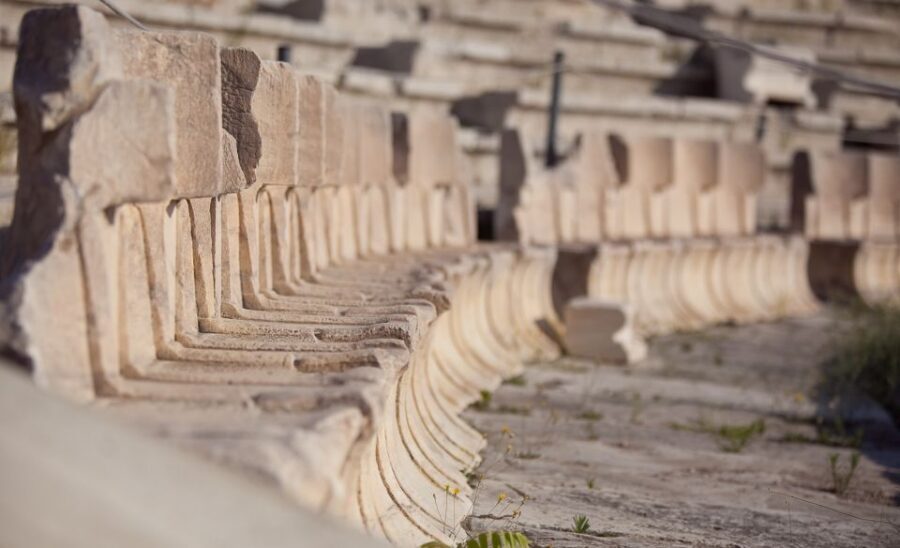
The Acropolis is famous for a reason, but it’s also famous for lines. Paying for skip-the-line isn’t just about comfort—it’s about time and attention. With only about 1.5 hours, you’ll want every minute spent on actually seeing the Parthenon area instead of shuffling in a crowd.
This is also a private group format, which changes the feel fast. You’re not stuck listening over someone else’s head. Instead, your guide can steer you toward the spots that make sense for the stories they’re telling—like explaining why a detail matters before you move on. If you like the idea of leaving with something more than photos, this structure helps.
The pacing is tight but not rushed. People doing this with kids mention guides adapting to the group, which tells me the tour is meant to flex. That matters on a site where the steps and slopes can get tiring if you’re not moving smartly.
You can also read our reviews of more guided tours in Athens


Meeting on Pikionis cobblestones: Athens starts before the Acropolis
Your tour begins at the Plakostroto of architect Dimitri Pikionis (1954–1957). That’s a great prelude because it puts you in Athens’ modern layering—the city doesn’t just have ancient ruins; it also has ways of honoring them in design.
Those cobblestones are a subtle cue: you’re not only entering a monument, you’re entering a place where walking routes and viewpoint choices matter. This is a small thing, but it’s practical. When you start on that setting, your guide can give orientation fast, so when you reach the Acropolis proper, you already know where to look next.
You’ll meet opposite Dionysus Zonars restaurant. It’s the kind of meeting point that’s easy to find once you’re nearby, and it reduces the stress of trying to coordinate in a crowded tourist area.
How the Parthenon area becomes a real story, not a checklist
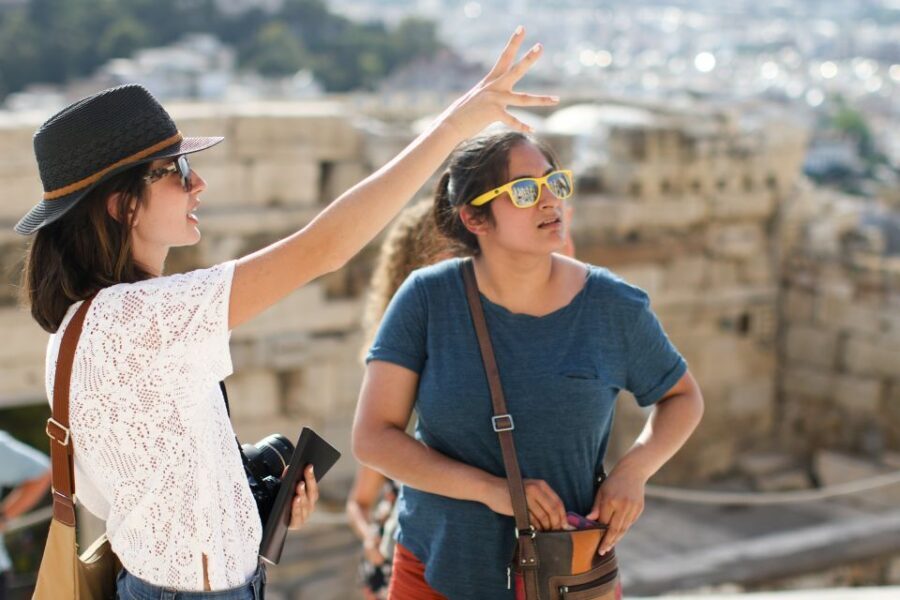
Most Acropolis tours rattle off highlights like a museum label list. This one aims for something better: connecting buildings to the people, civic life, and ideas behind them.
Here’s how that typically plays out as you move through the Parthenon zone and surrounding structures:
- You’re guided to understand what you’re seeing before you move away from it. That means you’ll recognize shapes and functions, not just admire them.
- You’ll get the why, not only the what. A temple isn’t just a temple when your guide explains what it meant to the city and what kind of society built it.
- You’ll hear details linked to arts and public life—especially when the tour shifts toward the theater and public spaces.
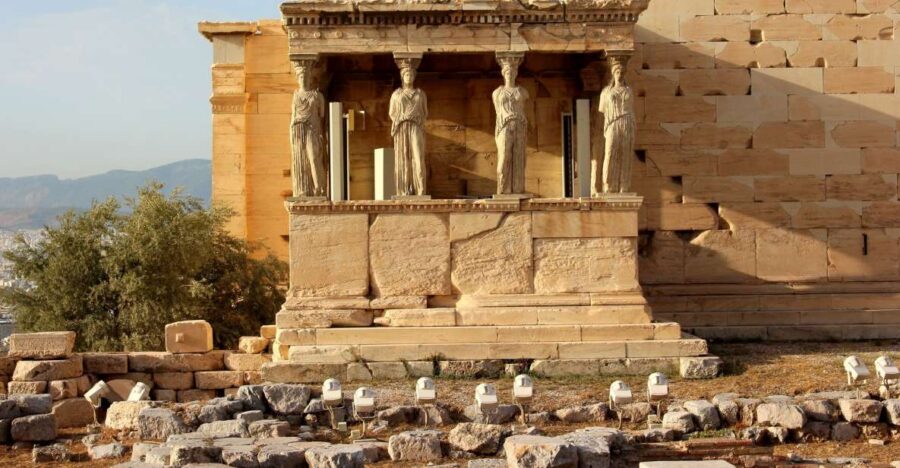
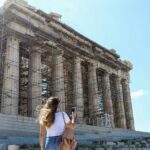
The big hitters you should expect to see include the Parthenon itself, the Temple of Athena Nike, and the Erechtheion. The Erechtheion is the kind of building where your eye can skim right past the interesting parts if no one points them out. In a private format, it’s much easier to slow down where it counts and not waste minutes on what you don’t need.
Also, don’t underestimate the “in-between” structures. Your route includes stops like the Propylaia and sections that connect to broader Acropolis life. A guide who explains the relationships between these sites helps you stop thinking of the Acropolis as one monument and start seeing it as a working, symbolic city on a hill.
Temple of Athena Nike: an ending that makes the whole route click
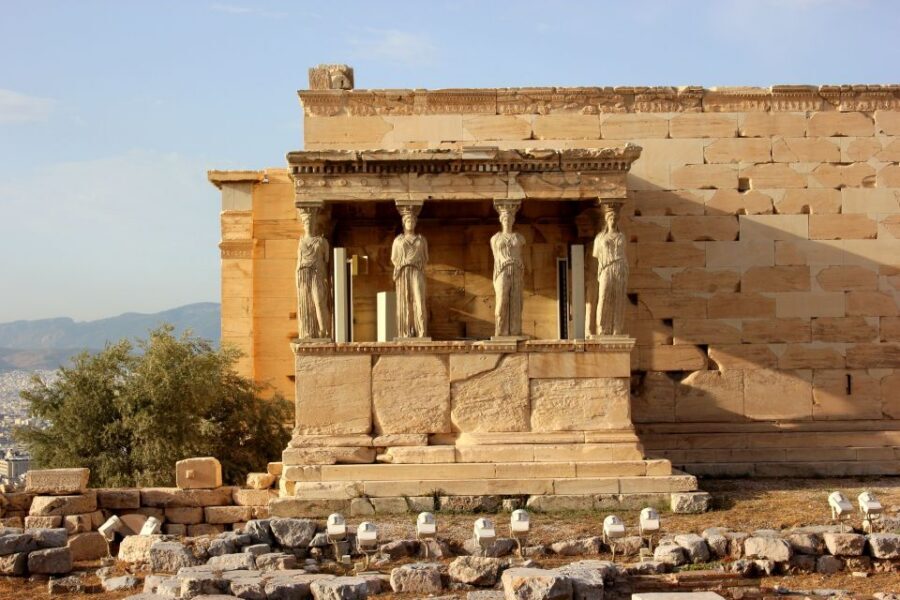
Your tour finishes at the Temple of Athena Nike. Ending there is smart because it pushes you toward a viewpoint that helps you “reframe” everything you just saw.
By the time you reach the finale, the story should feel less like a string of unrelated buildings and more like an argument about Athens: what it valued, how it celebrated itself, and how it staged power and identity in stone.
You’ll also get to experience the emotional side of the site. Even if you’re not a hardcore architecture person, these are the kinds of structures that make you understand why people keep returning to the Acropolis in every season and every century. The final stop gives you a chance to look longer and absorb the proportions without the pressure of starting over.
Philosophers and politicians you’ll hear while you walk
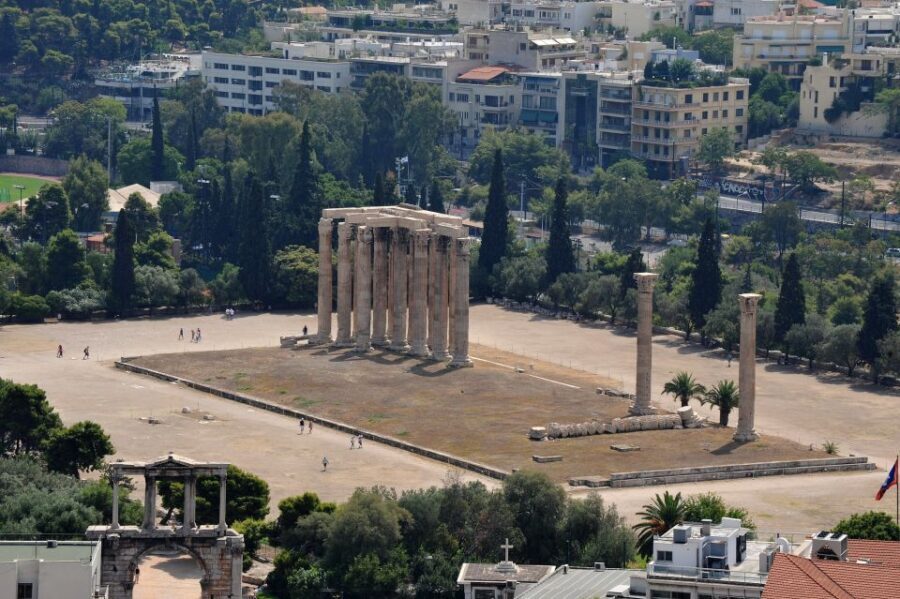
The headline promise is big—stories of democracy, philosophy, and art—but what really makes this format work is the way your guide turns names into meaning.
You can expect to hear about iconic figures like:
- Socrates and what questioning and civic thinking meant in Athens
- Aristotle and the idea of studying the world in a practical, structured way
- Pericles and the link between leadership and the building program
- Plus other references connected to Athenian life, culture, and public performance
Guides in this experience are described as weaving in ancient Greek quotes from philosophers. Even if you don’t catch every exact wording, it changes the tone of your visit. You’re not just watching history; you’re hearing how Athenians framed their world.
This is also where the tour’s value kicks in if you like context. The Parthenon is impressive no matter what, but the impact grows when you understand it as a product of a particular society—one that argued, debated, performed, and built public identity in dramatic ways.
And if you’re traveling with kids, it helps that at least one guide is specifically mentioned as adaptable. That usually means the stories get re-timed, not watered down.
You can also read our reviews of more private tours in Athens





Theater, civic life, and the Dionysus connection
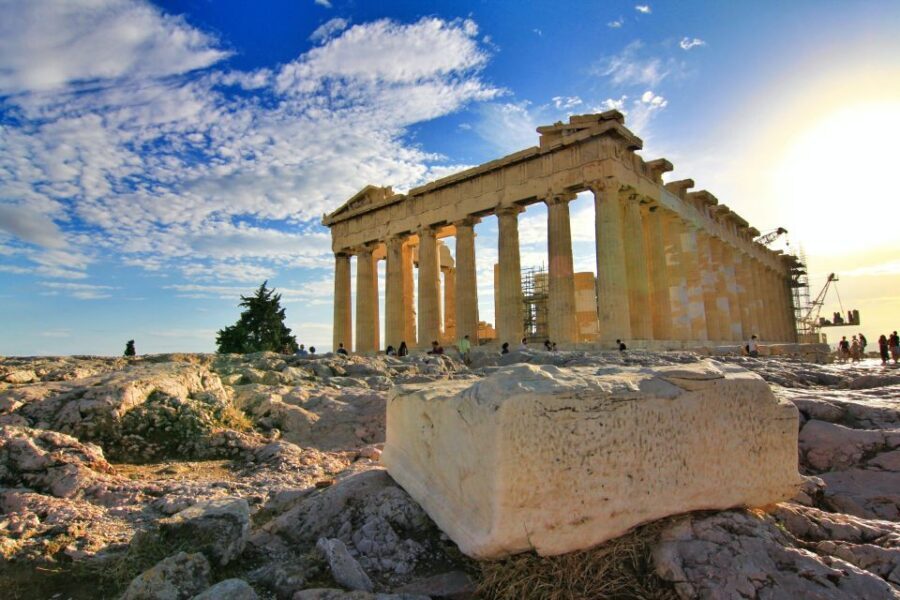
One of the best ways to feel Athens is to understand that it wasn’t only temples and statues. It was a culture of performances and public gatherings.
That’s why stops tied to the Dionysus Theatre are so valuable. Theater in Athens wasn’t just entertainment. It was part of civic life—stories, questions, and moral debates played out in front of the city.
When your guide connects the theater area to democracy and public speech, the whole site becomes more human. Suddenly the Acropolis isn’t a backdrop; it’s a stage and a statement.
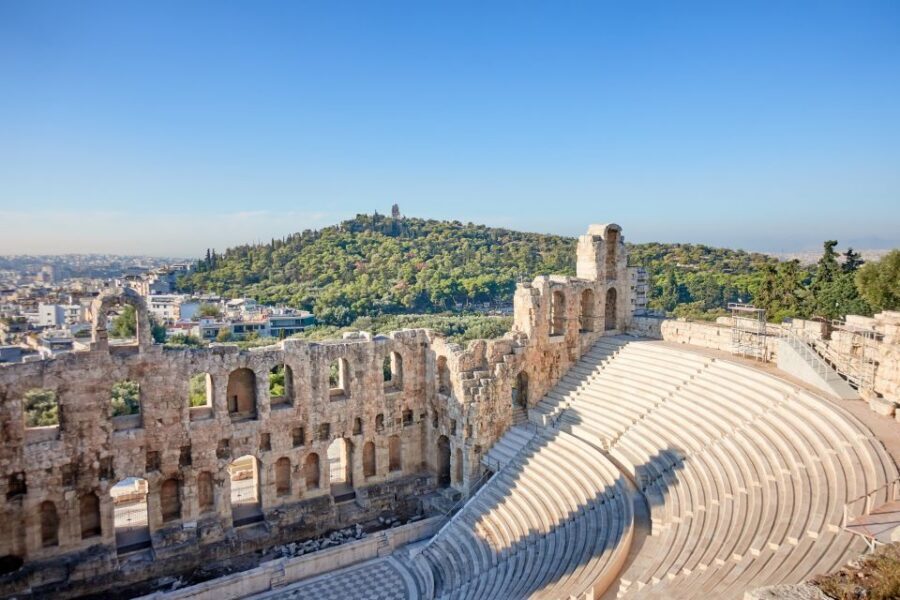
You’ll also see additional monumental features such as the Odeon of Herodes Atticus. Even if you don’t get a deep technical lecture on every stone, the presence of these structures helps you understand Athens as a cultural powerhouse, not just a historical postcard.
Photo angles and shade tips that save your mood
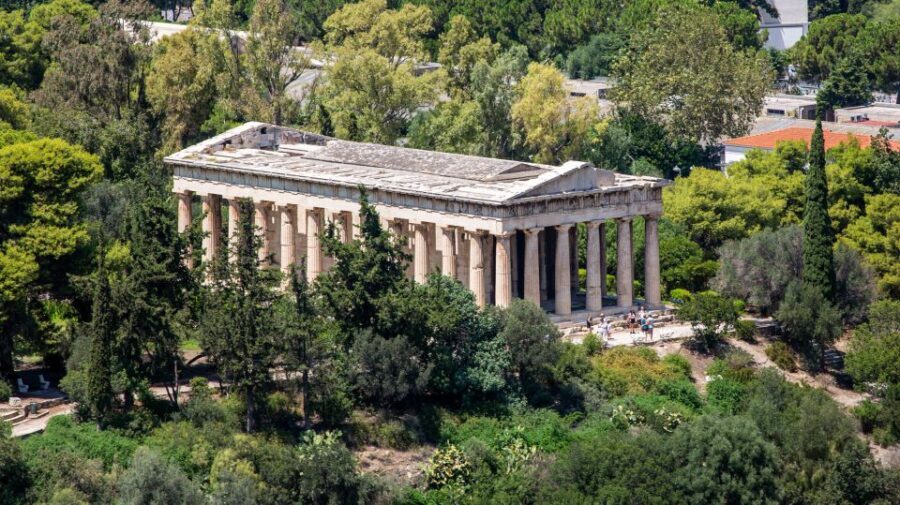
If you’ve been to the Acropolis, you know the sun can be rude. One of the most consistently praised practical details is that guides know where to stand for photos and where to grab better shaded spots while still keeping the tour moving.
This matters because good photos are rarely luck. A guide who knows the best angles will help you:
- avoid backlighting that washes out details
- place you where you can actually see the monument clearly
- time your stops so you’re not fighting glare and crowds
In the guide stories shared for this experience, Alex is specifically mentioned for directing groups to shaded spots and for knowing the best photography positions. That kind of on-the-ground coaching turns a “we got there” visit into a “we got the right shots” visit.
Price and value: $352 for a private group up to 2
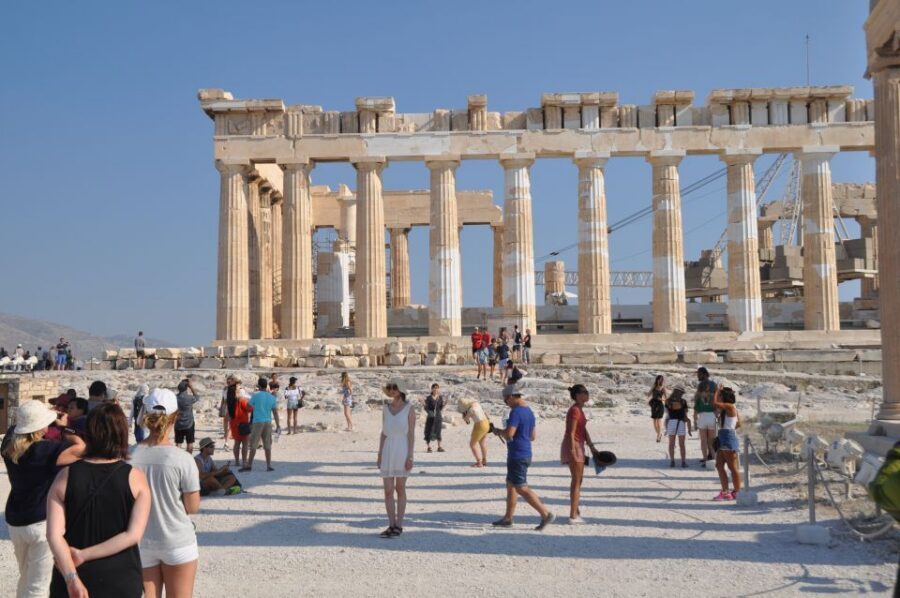
Let’s talk value in real terms. The price is $352 per group up to 2, which is about $176 per person if you’re two people. For many visitors, that’s the sweet spot: you get the power of private guidance without paying full-day private-tour prices for a bigger group.
The value comes from three main places:
- Skip-the-line tickets (you’re buying time at a site that sells patience by the hour)
- An archaeologist guide (you’re paying for interpretation, not just movement)
- Private routing that lets your guide answer questions and adjust pacing, including for families
If you’re traveling solo, the per-person cost effectively rises because pricing is per group. Still, if you hate group logistics and want an expert guide focused only on you, it can be worth it.
The 1.5-hour duration also matters. This isn’t a vague “we’ll see what we can.” It’s a focused visit, which helps keep the cost tied to a clear experience.
Who this tour fits best (and who should consider a different format)
This Acropolis tour works especially well if you fall into one of these buckets:
- Couples and small groups who want private attention and are willing to pay for it
- History and ideas people who want Aristotle/Socrates/Pericles explained as living context
- Families with kids who need a guide who can adapt and keep engagement high
- Anyone who wants the major monuments (Parthenon, Athena Nike, Erechtheion, plus theater-linked stops) without spending half a day
If you’re the type who prefers self-paced wandering with no commentary, this might feel too structured. But if you want to walk away understanding what you saw and why it mattered, a private format like this is a strong fit.
Weather, walking pace, and what you should bring
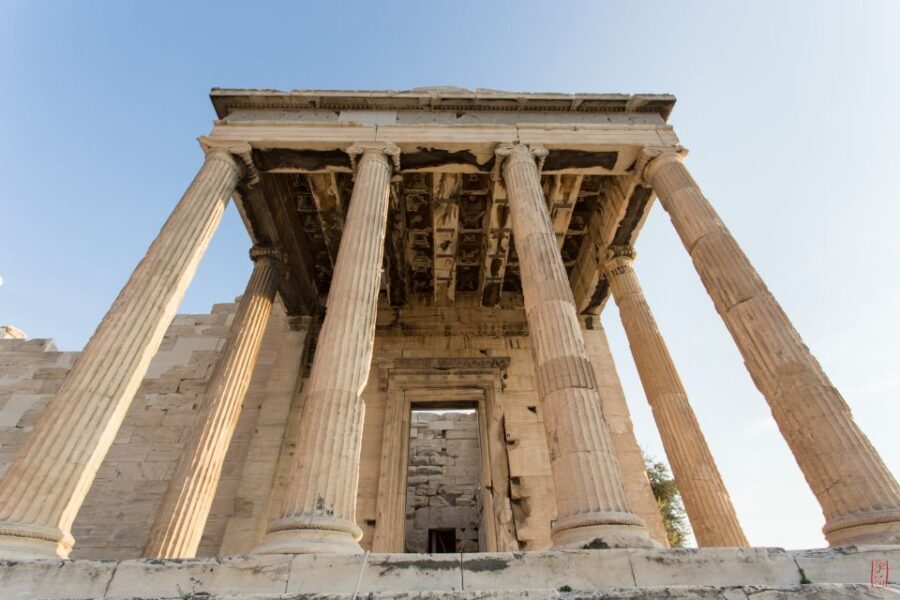
This tour happens regardless of weather, so plan accordingly. Bring sun protection if it’s hot, and a light layer if conditions feel cooler up on the hill. Since you’re walking a historic site with slopes and stone steps, comfortable shoes are not optional.
You’ll also want to bring a passport or ID card. This isn’t the kind of detail you want to scramble for at the meeting point.
The tour includes bottled water, which is genuinely helpful in Athens. It lets you stay focused on the walking and the stops rather than searching for a shop mid-route.
Should you book this Acropolis private guided skip-the-line tour?
I’d book it if you want more than sight-seeing. This tour’s best advantage is the way it connects the Acropolis monuments to Athenian ideas—democracy, philosophy, art, and performance—so the site turns into a story you can actually repeat later.
It’s also a smart choice for time-strapped visitors. At 1.5 hours, you get a concentrated, guided visit that still covers the big names like the Parthenon and ends at the Temple of Athena Nike.
Skip it only if you truly prefer to wander alone with no historical interpretation, or if your group is looking for a longer half-day/whole-day deep dive across museums and every corner of the area. This is a focused private tour, and it does that job well.
If you’re deciding between cheapest entry-only tickets and paying for guidance, this one makes the clearest case: you’re buying interpretation plus time savings.
FAQ
How long is the Acropolis private skip-the-line tour?
The tour duration is 1.5 hours.
What monuments and areas will we see during the tour?
You’ll visit the Acropolis of Athens and see major sights including the Parthenon, Temple of Athena Nike, Erechtheion, Dionysus Theatre, Propylaia, and the Odeon of Herodes Atticus.
Where do we meet the guide?
The meeting point is opposite Dionysus Zonars restaurant.
What’s the starting location for the tour?
The tour starts at Πλακόστρωτο του αρχιτέκτονα Δημήτρη Πικιώνη (1954-1957).
What’s included in the tour price?
Included items are an archaeologist guide, Acropolis skip-the-line entry tickets, and bottled water.
What languages are available for the guide?
The tour is offered in English and Greek.
What should I bring or have with me?
Bring a passport or ID card.


More Guided Tours in Athens
More Tours in Athens


More Tour Reviews in Athens
- All Day Cruise -3 Islands to Agistri,Moni, Aegina with lunch and drinks included
★ 5.0 · 4,958 reviews