REVIEW · ATHENS
Athens: The Acropolis and Greek Food Private Guided Tour
Book on GetYourGuide →Operated by ATHENS WALKING TOURS · Bookable on GetYourGuide
Most days in Athens run fast. This one connects the dots between monuments and food culture in just 5 hours. You’ll start with Dionysus Theater, then climb to the Acropolis highlights like the Parthenon, and finish with tastings around Plaka and Monastiraki. Along the way, your guide ties the buildings to Athenian life—then leads you straight into the market streets for samples you can actually taste.
I especially like that it’s private and still keeps a tight pace. You get a licensed guide plus a food specialist, so you’re not stuck with generic museum talk or random snack stops. You’re getting explanations for what you’re seeing and practical stories for what you’re eating.
One consideration: the whole day is walking-heavy and comes with strict Acropolis entry timing. If you’re late, you may miss your slot, and you’ll want comfortable shoes because this tour does not do slow sightseeing.
In This Review
- Key things that make this tour worth it
- Dionysus Theater to Acropolis: a smart start
- Entering the Acropolis with fewer headaches
- The Acropolis stops that matter most (and what to watch for)
- A quick culture transfer: Acropolis to Plaka and Monastiraki
- The market walk: what you’ll sample and why it’s useful
- Guide quality is the difference-maker
- What’s included, what isn’t, and what you should budget for
- Price and value: does $360 make sense for your day?
- Timing, security, and entry hours you can’t ignore
- Who should book this Acropolis + Greek food private tour?
- Should you book it?
- FAQ
- Where does the tour meet?
- What time does the tour start?
- Is the Acropolis ticket line skipped?
- Do I need cash for the tickets?
- What’s included in the price?
- What food do we sample?
- What’s not included?
- What should I bring?
- Is this tour private?
- Is it suitable for wheelchair users or mobility impairments?
Key things that make this tour worth it
- Licensed archaeology + food specialist: you get both monument context and Athenian eating culture in one run
- Dionysus Theater first: you start with Greece’s oldest theater vibe before the Acropolis climb
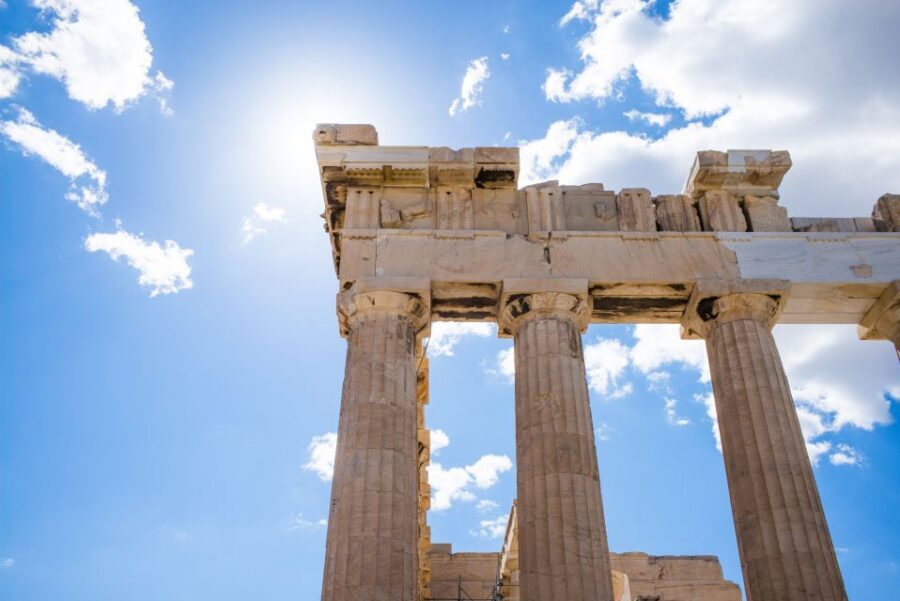
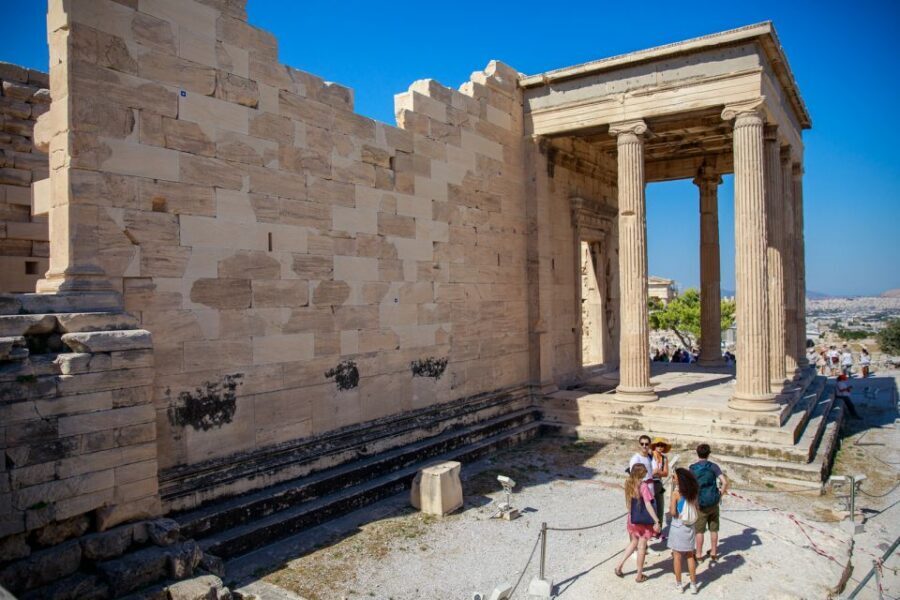
- Acropolis highlights explained: Temple of Athena Nike, Propylaea gateway, Erechtheion, and the Parthenon—tied to how they were built
- Real sampling in working markets: small shops for olives, honey, cheese, sweets, and more
- Private group energy: faster questions, easier pacing, and a guide who can adjust to your pace
- Cash check-in for tickets: tickets are secured for your time, but you pay cash at check-in just before departure
Dionysus Theater to Acropolis: a smart start
Most first-time Athens plans jump straight to the Acropolis and treat the rest like a waiting room. This route flips that. You meet at 3, Dionyssiou Areopagitou Street (look for the orange sign with Athens Walking Tours) and begin near the pedestrian walkway that leads toward the Acropolis from Hadrian’s Arch.
The first big stop is Dionysus Theater, described here as the oldest theater in Greece. That matters because it sets the theme for everything after. Drama, civic life, and public rituals were part of how Athenians understood their world. When you later look up at monuments tied to religion and state power, you’ll have a clearer idea of how public spaces shaped daily life.
You’re also starting at the “right” moment in the day: there’s time to build momentum. You’ll get a history-minded introduction, then the climb begins.
You can also read our reviews of more food & drink experiences in Athens



Entering the Acropolis with fewer headaches
Once you’re moving uphill, the tour’s pace makes sense. You don’t just drift from landmark to landmark. You walk the Acropolis path while your guide points out what you’re actually looking at and why it was designed that way.
A practical plus: your ticket line is skipped. That’s not a small detail. The Acropolis area is security-first and time-slot sensitive, so saving time at the gate keeps the day feeling smooth instead of chaotic.
Your guide will also cover the monuments in a way that’s built for seeing, not reading. That means construction choices, layout, and history are explained in plain terms as you stand in front of them—so the Parthenon isn’t just a photo spot.
The Acropolis stops that matter most (and what to watch for)
This tour hits the core icon list, but it also gives you viewing tips that make those stones feel less distant.
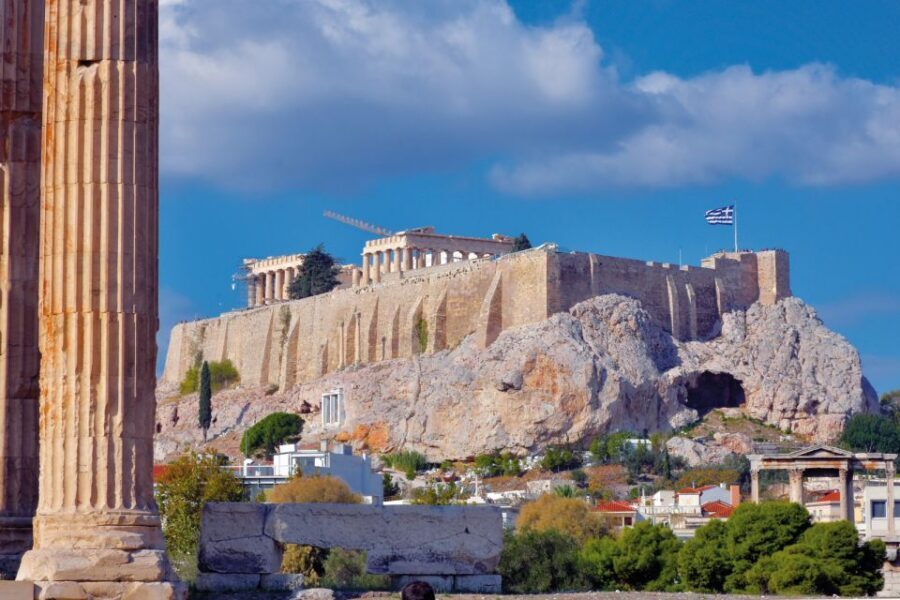
You’ll climb past panoramic viewpoints where you can take in nearby sites such as Herodes Atticus odeon, Philopappos Monument, and even the Observatory area in the broader skyline. This is the part of Athens where “context” becomes real. From the hill, you can start mapping where the Ancient Agora and other major points sit relative to you.
Then come the key monuments:
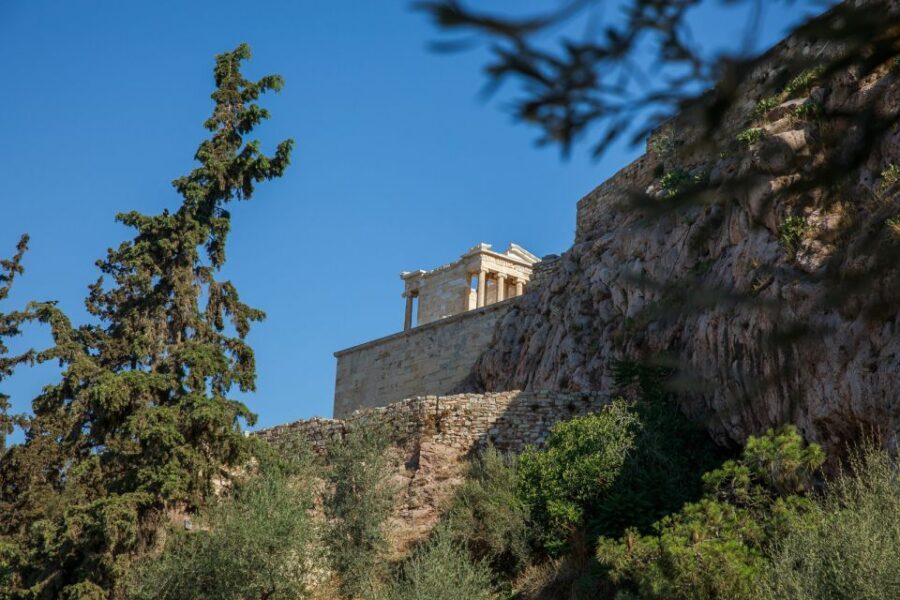
- Temple of Athena Nike: Look for the way it frames the space and reinforces the idea that Athena wasn’t just a myth—she was tied to civic identity and victory.
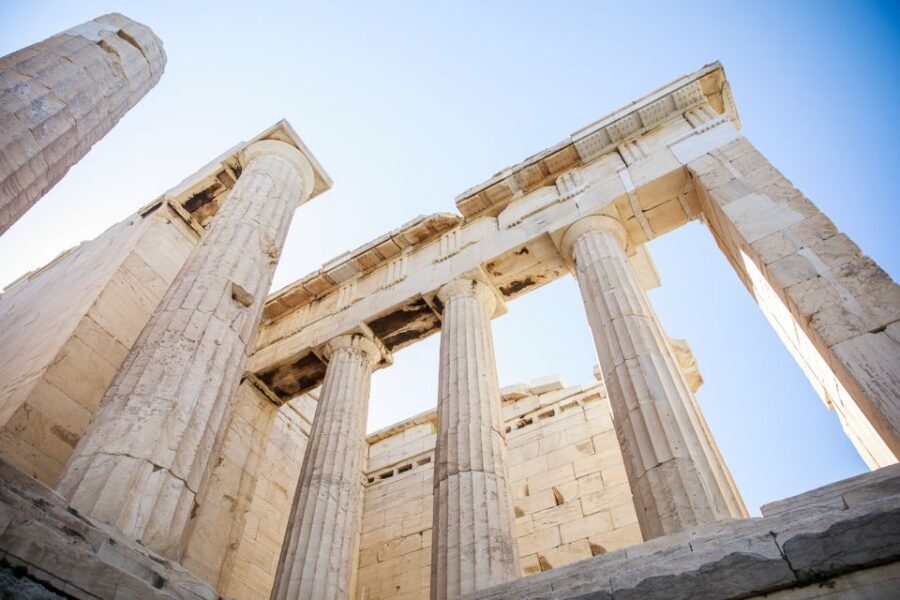
- Propylaea gateway: This is your formal transition point. Your guide’s explanation helps you see it as more than an entry arch—it’s the designed threshold into the religious center.
- Erechtheion: This stop is important because it shows how varied sacred design could be. It’s a reminder that the Acropolis wasn’t one uniform “style sheet.”
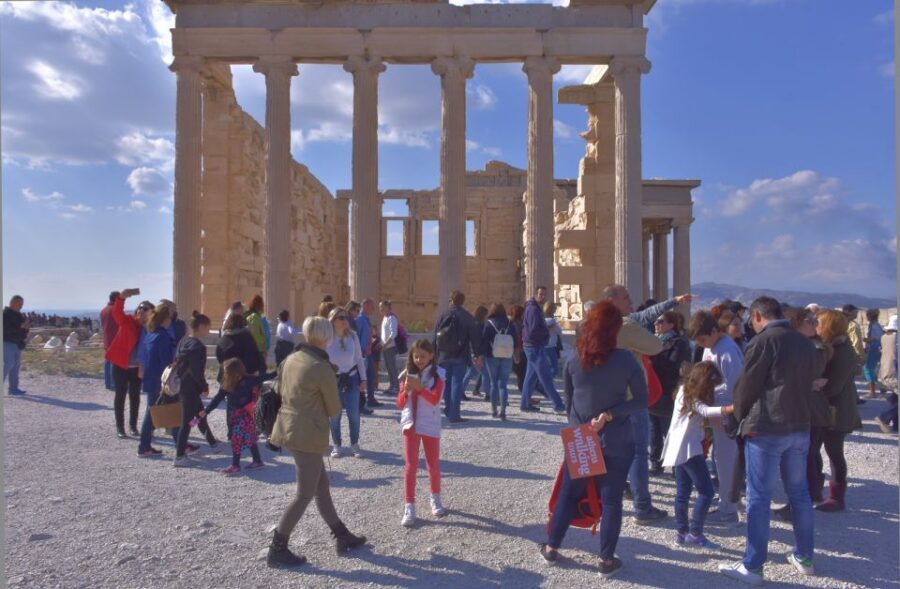
- Parthenon: The highlight that deserves more than a quick stop. You’ll get an explanation of the Parthenon’s history and construction details, plus time to take in the famous views.
One of the best parts is the view back out from the hill. You’ll be able to see Mars hill, the Ancient Agora, and the Temple of Hephaestus from your vantage points. When your guide ties those landmarks together, you’ll understand the city as a network instead of a list.
A quick culture transfer: Acropolis to Plaka and Monastiraki
After the Acropolis visit, the tour shifts gears on purpose. You cross Plaka, then head into Monastiraki, where you start getting your hands on the Athenian “everyday” Athens layer.
This is where the day stops feeling like a history lecture and starts feeling like a city walk you could actually repeat. Your guide leads you through the Athenian Market area, described as a less-known part of the city. That’s a big reason I like this format: you get the famous monuments, then you move into markets where locals shop and snack.
You’ll pass spice shops and specialty stalls, plus bakeries and sweet shops. The sights are sensory, but the tour makes them purposeful by connecting smells and ingredients to the food culture your guide explains along the way.
The market walk: what you’ll sample and why it’s useful
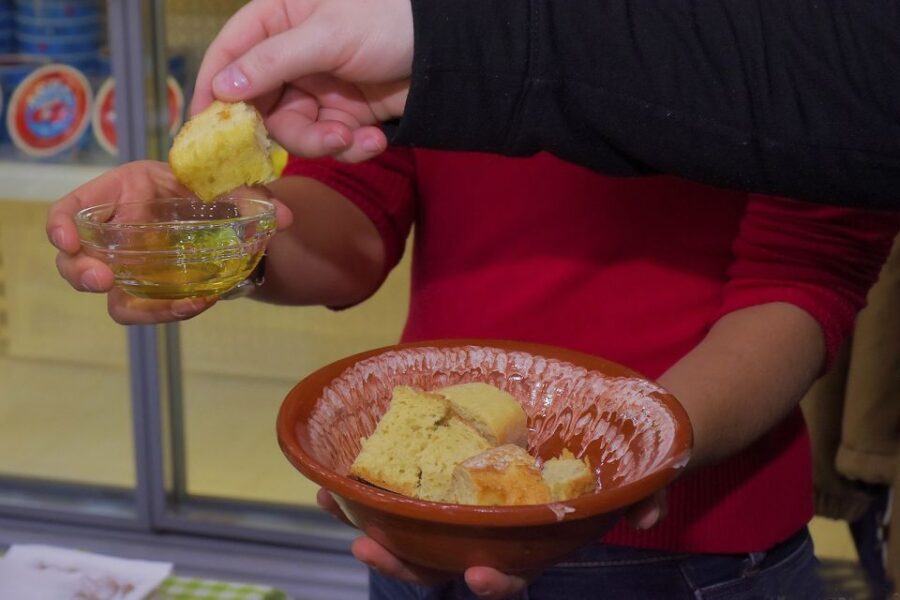
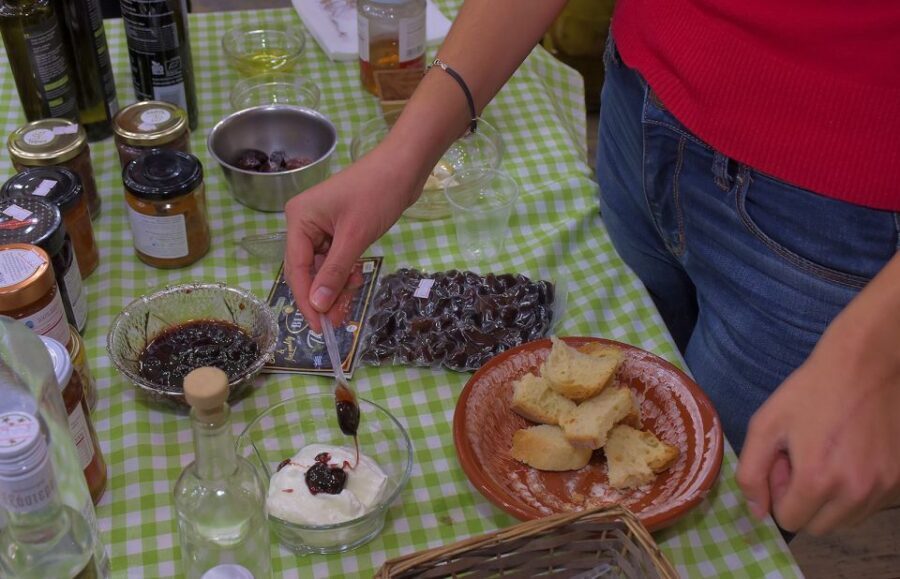
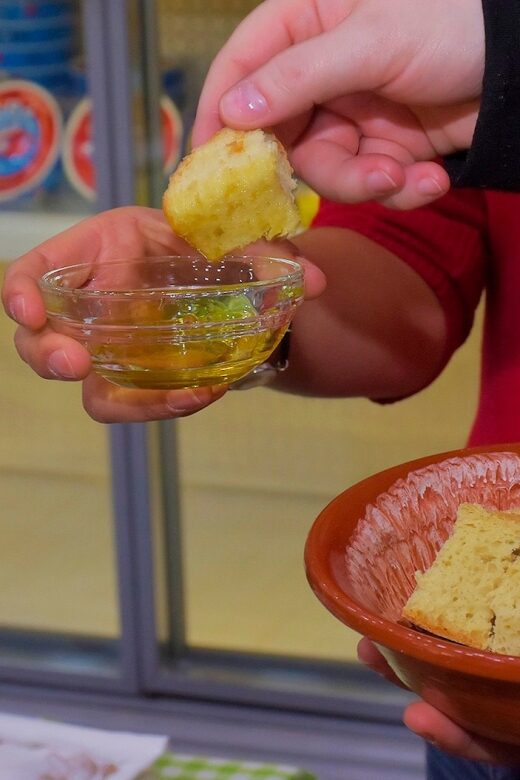
The tasting part is set up like a guided food lesson. You’ll have free samples across several Greek staples and specialty products. Based on what’s listed here, expect a mix of mouth-watering sweets and traditional items such as olives, honey, and cheese.
Here’s the practical value: you’re tasting foods you’ll likely see again after the tour. Instead of eating randomly later, you’ll recognize what you tried and what region-style or ingredient logic your guide explained.
Your food specialist also focuses on Greek culinary heritage and how it ties to the Mediterranean diet, described here as a model of healthy living. Even if you don’t care about health trends, that theme helps you understand why Greek cuisine leans on olive oil, produce, and simple but flavorful combinations.
The tour ends near Monastiraki area, which is a convenient landing spot for dinner plans. You’ll already have momentum and ideas for what to order next.
You can also read our reviews of more tours and experiences in Athens





Guide quality is the difference-maker
The best tours depend on the guide, and this one is designed around that. The hosts are described as on time, kind, and very knowledgeable, including Niobe and Katerina. I take that seriously because Acropolis visits can turn into a hurried photo line if the guide doesn’t keep your attention and your timing in check.
What you want from a guide on this kind of tour:
- Clear explanations while you’re looking at the monument, not after you’ve walked away
- Easy pacing in crowded areas
- A food approach that’s specific, not generic (what you’re tasting and why)
The structure here supports that. It’s not just “see sights” followed by “find snacks.” It’s a single story told through stone and then through food.
What’s included, what isn’t, and what you should budget for
This tour includes entrance tickets (20 €), a local licensed guide and food specialist, sample local delicacies & beverages, and an Athens Guide magazine plus an Athens Map.
Two money notes that matter:
- The tour price is listed at $360 per person, which sounds premium, but private guiding in central Athens plus secured entry time and tastings is part of what you’re paying for.
- Even though tickets are included, you’re told you must pay cash for your admission at the check-in location just before the tour. They’ve secured tickets for your specified time, but cash is required at that moment.
Not included: hotel pick-up and drop-off, unless you’ve agreed on it.
Price and value: does $360 make sense for your day?
For a private 5-hour Athens experience, $360 per person is the kind of price where you should ask one question: will you actually use the guide time?
If you want:
- a smoother Acropolis visit with context (not just photos)
- a food plan with tastings in market areas
- a private group format so you can ask questions and move at a realistic pace
…then the value fits. You’re paying for the combination of archaeology guiding and food guiding, plus access management through ticket line skipping. Also, entrance tickets are included in the package.
If you’re the type who enjoys wandering independently and doesn’t want to structure your day around timed entry, you might feel the price more than the experience. This tour rewards curiosity and planning.
Timing, security, and entry hours you can’t ignore
This is not a “linger forever” tour. It has strict Acropolis entry times and expects you to be there on schedule. You’ll also go through airport-style security, and in peak season waits can reach 30+ minutes.
That affects your day more than you’d think. If you arrive late, they can’t wait, and no refunds are given. Also, your tour has a tight start point and ends near Monastiraki, so you’ll want to build your other plans around it.
What to do with this info:
- Give yourself extra buffer time to reach the meeting point.
- Wear shoes you can walk in for hours.
- Bring a sun hat, since the hill and market streets can be bright and exposed.
Who should book this Acropolis + Greek food private tour?
Book it if you want Athens in two layers:
1) the monumental story of the city, from Dionysus Theater up to the Parthenon
2) the lived-in story of Athens through markets, sweets, olives, honey, cheese, and beverage tastings
It’s also a strong choice if:
- you prefer a private group pace
- you want a guide who can connect what you see to what you eat
- you want to finish with a market-area drop-off near Monastiraki so dinner plans are easy
Skip it if you need:
- wheelchair access or mobility-friendly routing (this tour is not suitable for mobility impairments and wheelchair users)
- a stroller-friendly day (baby strollers aren’t allowed)
- a bring-everything day (luggage or large bags aren’t allowed)
Should you book it?
Yes, if your ideal Athens day mixes Acropolis must-sees with a guided Greek food culture route and you’re comfortable walking for about 5 hours.
You’ll feel the best results if you show up early, keep your timing tight for the Acropolis entry window, and lean into the guide’s explanations while you eat. This tour is built for people who want meaning, not just images.
If that’s you, it’s a smart use of a limited time in Athens.
FAQ
Where does the tour meet?
You meet at 3, Dionyssiou Areopagitou Street. Look for the orange sign displaying Athens Walking Tours at the start of the pedestrian walkway that leads to the Acropolis from Hadrian’s Arch, Siggrou Avenue (also written as Syngrou).
What time does the tour start?
The tour runs for 5 hours. You’ll need to check availability to see the starting times.
Is the Acropolis ticket line skipped?
Yes. The tour includes skipping the ticket line.
Do I need cash for the tickets?
Yes. Even though entrance tickets are included (20 €), you need to pay cash for your admission ticket at the check-in location just before the tour.
What’s included in the price?
Included items are entrance tickets (20 €), a local licensed guide & food specialist, sample local delicacies & beverages, an Athens Guide magazine, and an Athens Map.
What food do we sample?
You’ll have free samples of local delicacies and beverages, including traditional Greek products such as olives, honey, and cheese, plus sweets and other specialties.
What’s not included?
Hotel pick-up and drop-off are not included unless you’ve agreed on it.
What should I bring?
Bring comfortable shoes and a sun hat.
Is this tour private?
It offers a private group option.
Is it suitable for wheelchair users or mobility impairments?
No. It is not suitable for people with mobility impairments and wheelchair users.




More Food & Drink Experiences in Athens

More Tours in Athens



More Tour Reviews in Athens
- All Day Cruise -3 Islands to Agistri,Moni, Aegina with lunch and drinks included
★ 5.0 · 4,958 reviews