REVIEW · ATHENS
Athens: The Classic Food Tasting Tour
Book on GetYourGuide →Operated by Αthens Food on Foot · Bookable on GetYourGuide
Athens eats best on foot, and this tour turns the city center into a 3.5-hour tasting route with 18+ stops you can actually feel in your stomach. It’s a small-group walk through old neighborhoods where food shops, coffee counters, and markets do the talking.
I especially like the payoff-to-time ratio: for $80 and a few hours of walking, you get a wide spread of Greek staples instead of one or two big meals. The tour’s structure also keeps it social without turning into chaos, with groups capped at 10.
The one watch-out: you will eat a lot. If you’re not ready to walk and snack nonstop, you may feel stuffed before the final tsipouro mezze stop.
In This Review
- What makes this tour worth your appetite
- Possible drawback: heavy shoes, heavy portions
- Key things I’d plan around
- The route: from Omonia bites to market-side food shops
- Meeting up at Monastiraki Square (and why it helps)
- Omonia start: yogurt, pies, pastries, and the coffee moment
- Varvakios Food Market: seeing ingredients in real time
- Mpougatsa at an old bakery: the pastry that defines comfort
- Cretan round: cheese, olives, rusks, olive oil, raki
- Goat milk ice cream: a traditional recipe with a twist
- Koulouri and wine: street snacks plus a classic pairing
- The end stop: mezze with tsipouro
- Guides make the difference: from Lef to Maria to Ioanna
- Value check: is $80 a fair deal?
- Who this tour suits best (and who should skip it)
- Quick practical tips so you enjoy every bite
- Should you book Athens: The Classic Food Tasting Tour?
- FAQ
- How long is the Athens classic food tasting tour?
- Where do I meet for the tour?
- What is included in the price?
- Is site entry included?
- What languages are the guides available in?
- Is the tour wheelchair accessible?
- Can I cancel for a refund?
What makes this tour worth your appetite
The standouts are the items that feel unmistakably Greek, like mpougatsa from an old bakery and goat-milk ice cream made with a traditional recipe in an innovative way. Add iconic market bites like koulouri sesame rings and you’re not just tasting flavors, you’re tasting local routines.
Possible drawback: heavy shoes, heavy portions
This is not a sit-and-sip experience. Expect a decent amount of walking on uneven sidewalks, plus multiple sweet and savory samples. If you’re sensitive to dairy or have digestive issues, tell your guide up front.
You can also read our reviews of more food & drink experiences in Athens


Key things I’d plan around
- 18+ tastings across central Athens for one set price
- Old-school mpougatsa stops, including fyllo pastry with cheese or cream
- Goat milk ice cream made from a traditional recipe, served in a clever format
- Varvakios market time plus shop-to-shop samples you’d miss on your own
- Cretan culture round with cretan cheese, olives, rusks, olive oil, and raki
- Mezze with tsipouro at the end, a very Greek finish
The route: from Omonia bites to market-side food shops
This tour is built around central Athens, where food is part of the street scene. You start at Omonia, then move through the historic city center with a focus on daily Greek eating, not tourist-only plates. Even if you’ve eaten Greek food before, the point here is context: where ingredients come from, how they’re used, and why people keep ordering the same things.
The pace is designed for tasting. You won’t just get a quick bite and move on; you get short explanations at the counters, plus enough time to notice differences in textures and flavor—things like how pastry flakes, how coffee smells before it hits the cup, and how cheeses taste differently depending on who’s serving them.
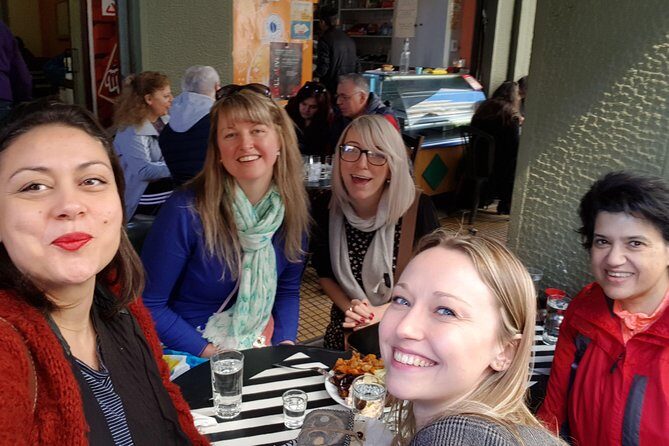
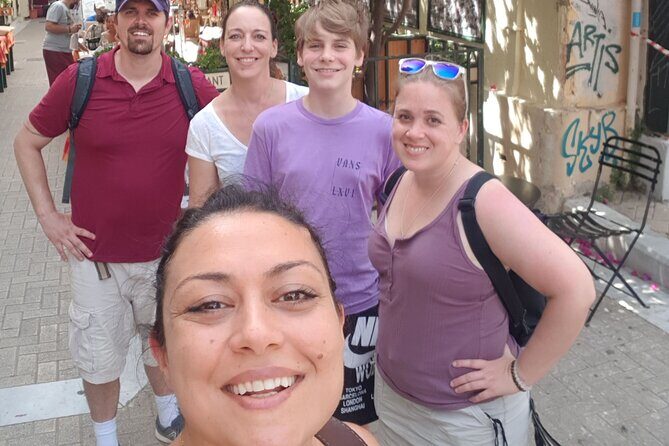
A small group matters here. With a limit of 10 participants, it’s easier to hear your guide, ask questions, and get through each tasting without feeling rushed.
Meeting up at Monastiraki Square (and why it helps)
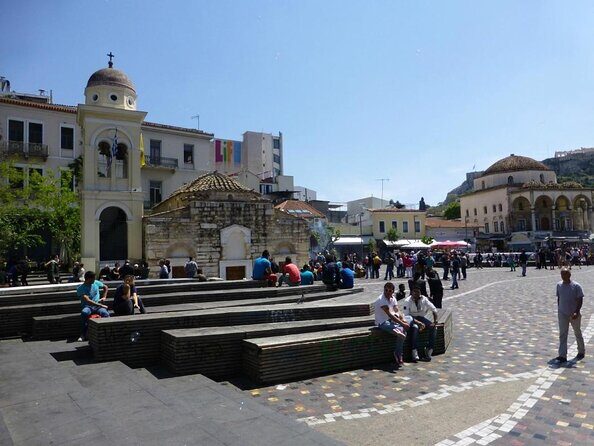
Your meeting point is Monastiraki Square, in front of the little church. It’s convenient because Monastiraki sits right on the metro grid: you can reach it via the green or blue metro lines.
I like this setup because it keeps your day flexible. If you’re staying in central areas, you’re not locked into a complicated pickup. Also, meeting in Monastiraki usually puts you close to the action for your next stop after the tour.
Bring comfortable shoes. You’re walking between neighborhood corners and market aisles, and that’s the real engine of the experience.
Omonia start: yogurt, pies, pastries, and the coffee moment
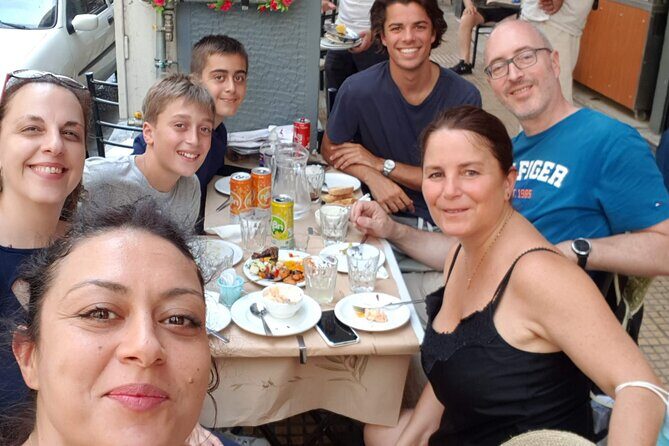
The tour kicks off with Greek yoghurt and traditional pies and pastries around Omonia. This is a smart first move because it warms up your palate without being too heavy. Pies and pastries let you get a quick sense of Greek comfort food: savory dough, cheese flavors, and that mix of flaky and creamy textures.
Then comes the Greek coffee. You get coffee from a local favorite, and the tour includes an added sensory detail: the guide shows a traditional-making method that involves a heating setup that many people find memorable. In the feedback I saw, this coffee moment is a repeated highlight.
Why this matters: Greek coffee isn’t just a drink. It’s a social ritual, and the tour treats it like one. Even if you don’t become a coffee evangelist by the end, you’ll understand why locals keep returning to the same shop.
You can also read our reviews of more tours and experiences in Athens



Varvakios Food Market: seeing ingredients in real time
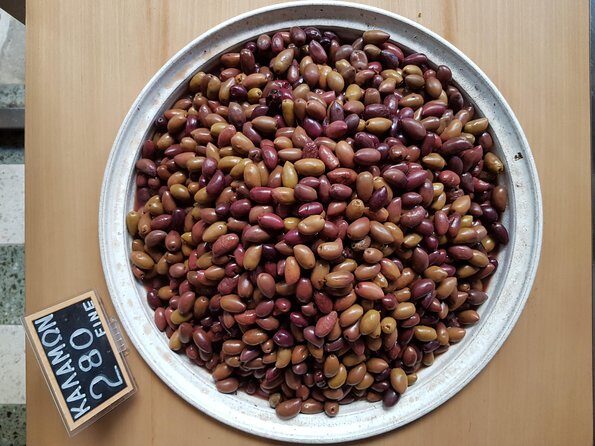
After Omonia, you stroll the Varvakios food market, which is one of the city center’s most concentrated places to see Mediterranean produce and proteins up close. You can buy meat, fish, and all kinds of vegetables and fruit there—so your tastings connect to something real, not a scripted menu.
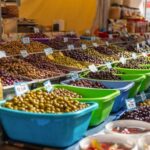
This is the kind of stop where you’ll notice how Greek cooking starts with ingredients, not sauces. Olive oil, cheeses, herbs, olives, breads, and cured items all make more sense after you’ve seen how they’re displayed and discussed in shops.
Some of the tastings here may feel like snack breaks, but they’re really ingredient lessons: you’ll taste pieces of the Greek pantry and learn how they show up again later in the tour.
Mpougatsa at an old bakery: the pastry that defines comfort
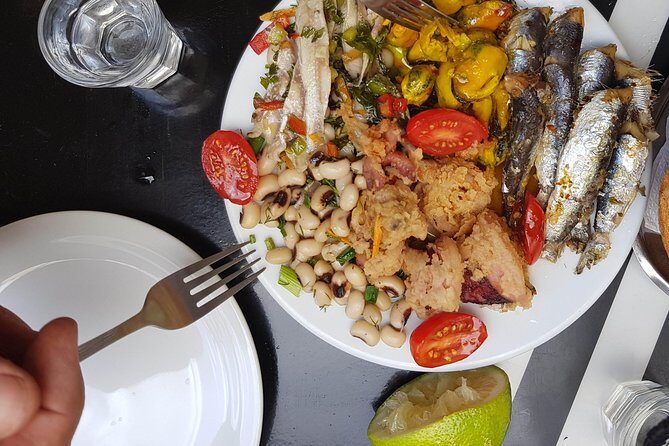
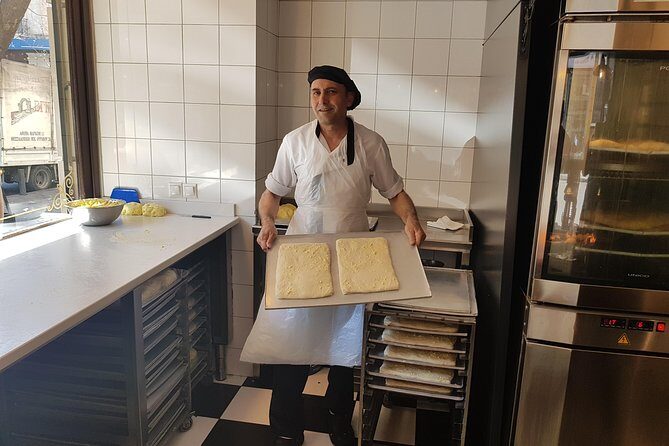
One of the tour highlights is visiting the oldest mpougatsa bakery and tasting the most traditional version. You get mpougatsa made with fyllo pastry plus cheese or cream.
This stop can be a turning point because mpougatsa is one of those foods that’s hard to understand until you eat it. The fyllo gives crunch and thin layers; the filling gives you that soft, creamy center. It’s the kind of bite that makes you start paying attention to texture, not just flavor.
Also, mpougatsa is portable comfort. It’s the type of street-level food that belongs to everyday life, not special occasions.
Cretan round: cheese, olives, rusks, olive oil, raki
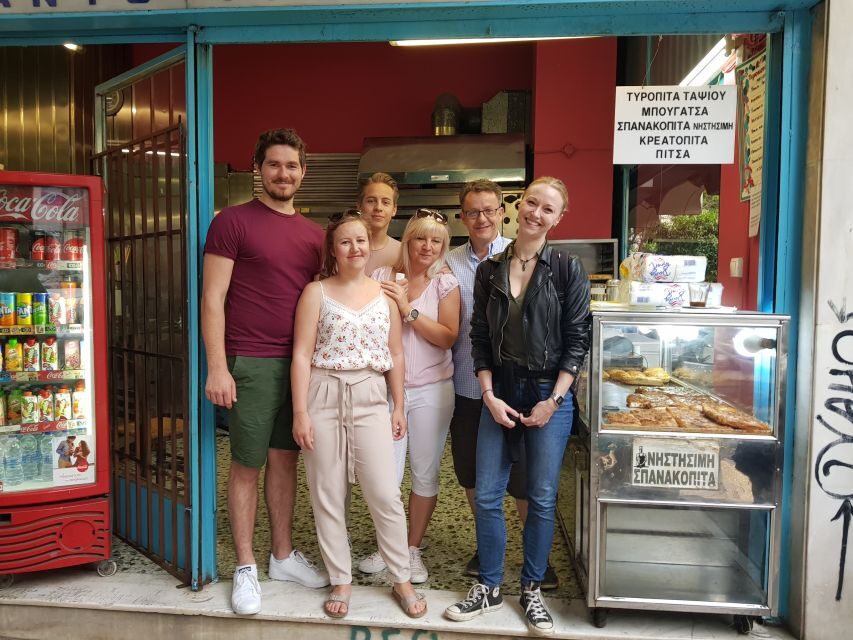
Then the tour shifts into Cretan culture with a tasting round featuring cretan cheese, olives, rusks, olive oil, and raki.
This part is valuable for two reasons. First, it shows that Greek food isn’t one single flavor profile. Second, it ties regional identity to specific products you can name and look for later. Cretan cheese alone can taste very different from other Greek cheeses, and pairing it with olives, rusks, and olive oil helps you learn the logic of Greek meze: bite, pause, compare, repeat.
Raki is part of the same tradition. You’re not just drinking; you’re tasting the pace of Greek social meals, where alcohol and snacks move together.
If you’re sensitive to alcohol, tell your guide. The tour includes alcoholic components, and you’ll want your portions and pace to feel comfortable.
Goat milk ice cream: a traditional recipe with a twist
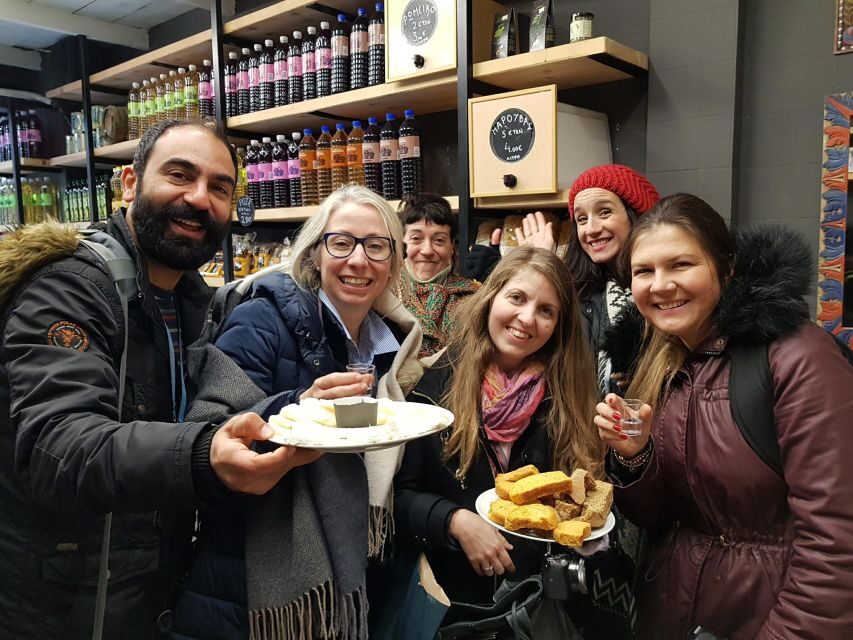
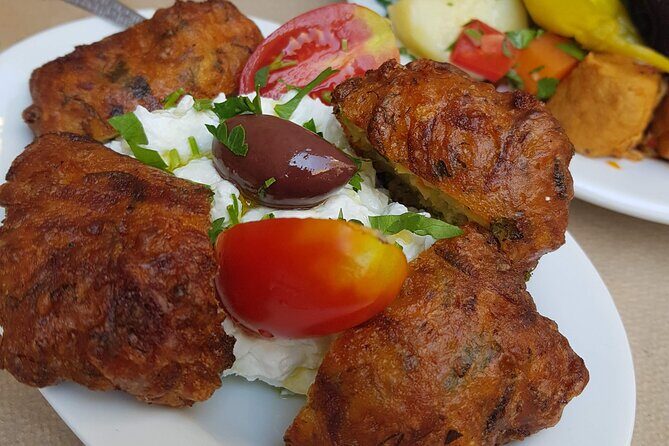
Another highlight is goat milk ice cream, made using a traditional Greek recipe—served in an innovative way. Goat milk flavors can be subtle or pronounced depending on preparation, but ice cream tends to make it easier to appreciate the character without feeling like you’re eating something unexpected.
This stop is also a smart contrast after salty cheeses and olives. Sweet relief keeps the tour from turning into one long savory line.
If you’re dairy cautious, this is the one moment where you should pay attention. The tour does not list accommodations in detail, so let the guide know your comfort level with goat milk and other dairy items before you get to the ice cream stop.
Koulouri and wine: street snacks plus a classic pairing
As the tour continues, you’ll try koulouri, the sesame pastry ring that locals grab for a quick bite. It’s simple on paper, but it’s a great example of how Greek flavor comes from technique and ingredients more than complicated seasoning.
The tour also includes Greek wine during the series of food shop tastings. That matters because the wine doesn’t show up as a random add-on. It’s part of the flow of meze-like eating, where the point is tasting combinations and seeing what works together.
The end stop: mezze with tsipouro
You finish in a very Greek way: by getting to know the beloved mezze with tsipouro. This closing stop is where the tour clicks for most people. You’ve already tasted the building blocks—cheese, olives, rusks, pastries, coffee flavors, and sweets—so the final meal feels like it’s putting everything into one place.
Many guides referenced in the feedback—like Elias, Joanna, Maria, Ioanna, and Costas—get praised for blending food with local life stories. That kind of guiding turns a tasting tour into something you can mentally replay later when you’re ordering in a tavern.
Guides make the difference: from Lef to Maria to Ioanna
This tour lives or dies on the guide, and the feedback shows a consistent pattern: guides bring personality, stories, and calm attention to each group member. Names that come up often include Lef, Elias, Joanna, Maria, and Ioanna.
What you’re looking for in a guide on a food tour is simple:
- they can explain what you’re eating in plain language
- they can keep pacing smooth
- they can adapt when people need a slower bite or a quick question answered
From what I’ve seen described, that’s exactly where this tour shines. If you want food plus context, you’re in good hands.
Value check: is $80 a fair deal?
For $80 per person, you’re paying for three things: an expert licensed guide, a concentrated walk through key food areas, and all the food tastings during the tour (plus a bottle of water).
The best value signal is the sheer volume: the tour includes 18+ delicacies, not just a couple of samples. When portions add up across savory, sweet, drinks, and regional items like the Cretan round, your per-bite cost starts to look pretty sensible—especially since you’re not paying separately at each stop.
You’re also buying time. Athens has a lot of food, but trying to design a tasting route on your own means map time, menu translation, and plenty of wrong turns. This tour gives you a tested path through places like Varvakios and specialty counters tied to dishes like mpougatsa and koulouri.
Who this tour suits best (and who should skip it)
This is a great fit if you:
- love trying lots of classic Greek foods without overplanning
- want a market-to-shop walking experience in central Athens
- enjoy guides who explain what ingredients mean in everyday cooking
It may be less ideal if you:
- get full fast or hate walking with food in hand
- have allergies or digestive limitations and aren’t comfortable discussing them beforehand
- want a low-key afternoon with fewer stops and less food
A smart tip: plan this tour early in your Athens trip. It gives you names and reference points you can use when you’re ordering later.
Quick practical tips so you enjoy every bite
- Wear comfortable shoes and expect plenty of walking.
- Bring sunscreen and a hat, especially in sunny months.
- If you have allergies or digestive disorders, tell the guide before you start.
- Don’t eat a big meal right before. The tour is designed so you can actually taste everything.
Also, if rain hits, be ready. One piece of feedback suggested poncho coverage would help when weather changes fast. So pack a light rain layer if skies look unstable.
Should you book Athens: The Classic Food Tasting Tour?
Yes, if your goal is to taste Athens like a local pantry. This is one of those tours where the structure matters: you move from Omonia to Varvakios, hit iconic items like mpougatsa and koulouri, get a Cretan cheese-and-olive round with raki, try goat milk ice cream, and end with mezze and tsipouro.
Book it if you want value in the form of volume, variety, and a guide who can turn food into stories you remember. Skip it only if you want light snacks or you’re not comfortable with a lot of walking and tasting.
If you want, tell me your travel month and any dietary limits, and I’ll suggest the best way to plan the rest of your Athens day around this tour.
FAQ
How long is the Athens classic food tasting tour?
The tour runs about 3 to 3.5 hours.
Where do I meet for the tour?
Meet at Monastiraki Square in front of the little church. You can reach it via the green or blue metro line.
What is included in the price?
The price includes an expert licensed guide, a bottle of water, and all the food you taste during the tour.
Is site entry included?
No. Entry in sites and museums is not included.
What languages are the guides available in?
The live guide is available in English and German.
Is the tour wheelchair accessible?
Yes, the tour is listed as wheelchair accessible.
Can I cancel for a refund?
Yes, there is free cancellation up to 24 hours in advance for a full refund.

More Food & Drink Experiences in Athens
More Tours in Athens




More Tour Reviews in Athens
- All Day Cruise -3 Islands to Agistri,Moni, Aegina with lunch and drinks included
★ 5.0 · 4,958 reviews