REVIEW · ATHENS
Athens: Traditional Greek Pastry Workshop
Book on GetYourGuide →Operated by Travel Love Athens · Bookable on GetYourGuide
Orange pie, Greek coffee, and hands-on pastry lessons. In a small group class led by Chef Maria and Oral, you learn Portokalopita step by step, from mixing to the orange syrup that soaks in. I love the hands-on rhythm in a real Athens pastry shop, and I like how the group stays relaxed instead of rushed. One watch-out: wear clothes that can get dirty, since you’ll be working with dough and baking tools.
You’ll meet at Psyri Square and start with a quick look at local sweets before getting to work. By the end, you taste what you made with a cup of Greek coffee, and you’ll have a take-away tray for the rest.
It runs about 2.5 hours, with English instruction, so you’re not stuck guessing. This kind of class is a nice change from standard sightseeing because the payoff is practical: you’ll leave knowing how to make the dessert (not just hear about it).
In This Review
- Key highlights you’ll feel in real life
- Psyri Square starts the day with local Athens energy
- Chef Maria and Oral guide you through a siropiasto orange pie
- What you’ll make: a hands-on Portokalopita you can picture later
- The workshop flow: local sweets first, then mixing and baking
- Orange syrup is the skill step to pay attention to
- Greek coffee tasting brings the flavors together
- Price and value: what you’re really paying for
- Who this workshop fits best (and who should reconsider)
- Tips to get the best 2.5 hours possible
- Should you book the Athens Traditional Greek Pastry Workshop?
- FAQ
- Where is the meeting point?
- How long does the workshop last?
- How many people are in the group, and is the workshop in English?
- What dessert will you learn to make?
- Is Greek coffee included?
- Is free cancellation and pay later available?
Key highlights you’ll feel in real life
- Chef Maria teaches Portokalopita from A to Z as a traditional siropiasto-style orange pie
- Small group (max 6) so you can ask questions while you cook
- You handle real steps, including mixing, baking, and the orange syrup part
- Greek coffee tasting brings the flavors together at the end
- Take-away tray included, so the workshop doesn’t end when you’re done mixing
Psyri Square starts the day with local Athens energy
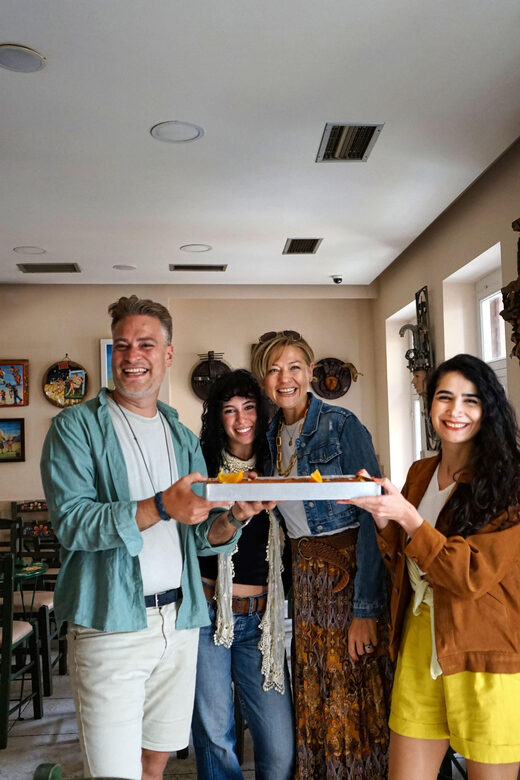
The meeting point is at Psyri Square, a convenient spot for starting your afternoon off like a local rather than like you’re waiting for a bus tour. Even before you step into the pastry shop, you’re already in the right mood: this isn’t a studio class. It’s neighborhood food culture.
From the moment you’re inside, the pace makes sense. The workshop begins with a look at traditional Greek sweets, not a lecture. That matters. When you see the sweets first, you get the logic behind what you’ll later make—how ingredients, textures, and sweetness fit together.
You should also think of Psyri Square as part of the experience. If you’re spending a day in Athens anyway, this is a smart way to add something social and edible to your plans. If your schedule is tight, it’s also easier to slot in, since the class duration is 2.5 hours.
You can also read our reviews of more tours and experiences in Athens
Chef Maria and Oral guide you through a siropiasto orange pie
The star here is traditional Greek pastry: siropiasto orange pie, taught as Portokalopita from start to finish. The workshop is designed so you don’t just watch. Chef Maria walks you through the process, and Oral helps keep things moving and makes the time feel welcoming.
Portokalopita is the kind of dessert that rewards attention. It’s not just about baking something in the oven and calling it done. You also work with the orange syrup step—the part that gets absorbed after baking. When you learn that process, it turns into a skill you can repeat later.
One practical bonus: because the class is structured around one specific recipe, you leave with something you can actually recreate at home. Instead of collecting vague “Greek food tips,” you’ll have a real workflow you can follow again for friends and family.
What you’ll make: a hands-on Portokalopita you can picture later
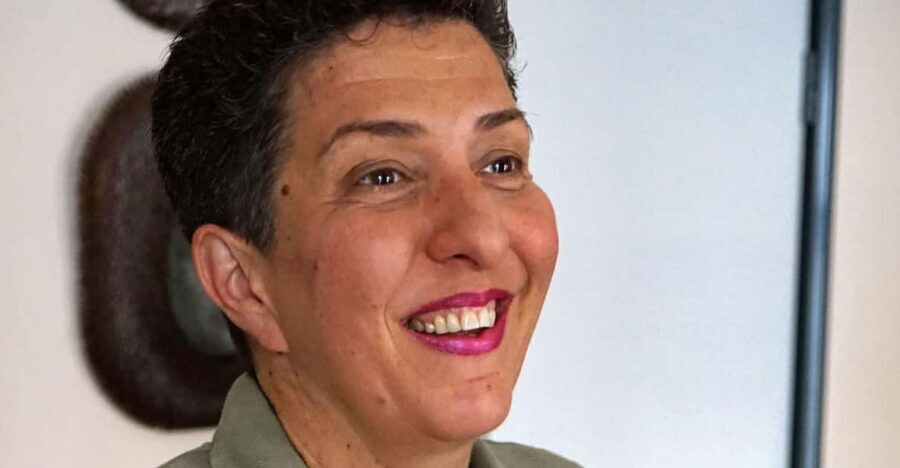
During the workshop, you’ll create your own dessert under supervision. The focus is on Portokalopita from A to Z, so the steps are sequenced rather than random.
Here’s the kind of work you can expect based on how the process is taught and described:
- You mix the ingredients for the pie
- You bake fresh, aromatic ingredients
- You learn how the orange syrup fits into the final result
- You handle the pastry work directly, not just as a passive observer
A couple of details matter for the outcome. One is the phyllo handling. Oral’s step-by-step guidance includes how to work with phyllo dough so it absorbs well after the syrup goes in. Another is the syrup itself—how it’s prepared and how it’s used so the finished cake has that signature soaked texture.
Also, it’s not just theory. You’ll get to taste things along the way and then finish with what you made. That means you can correct your understanding in the moment: if something looks, smells, or tastes different than expected, you’ll see how it should be.
The workshop flow: local sweets first, then mixing and baking
The format is smooth and beginner-friendly, which is exactly what you want in a cooking class. You don’t start with flour flying immediately. First, you explore local sweets. That gives you context and helps you understand what makes Greek pastries distinct—especially when you later work with orange flavor and phyllo.
After that, it’s hands-on time under Chef Maria’s supervision. You’ll work through the recipe, mixing and baking. This isn’t a “quick demo” style class where you only sit close to the prep station. The structure is meant for you to do the tasks, ask questions, and learn why each step matters.
Waiting time is also handled well. While you’re waiting for your creation to bake, the hosts keep things social, and you can chat about Greek food and travel stories. That’s one reason the experience feels like more than a class—it feels like a shared afternoon in a real shop.
Orange syrup is the skill step to pay attention to
If you’re choosing this workshop for one reason, make it the syrup step. The best part of Portokalopita, as taught here, is how the cake soaks up the orange syrup after baking. It’s the moment that turns “orange pie” into the version you’ve probably tasted in Greece.
When you’re learning it, don’t rush. Focus on:
- How the syrup is prepared and used
- When it’s applied relative to baking
- How the dessert changes after the syrup hits
This is also the part that’s hard to guess from memory if you only read a recipe at home. In the workshop, you’re guided in the exact flow, which is what makes the skill transferable.
The hosts also keep the work supportive. Some classes are either too strict or too hands-off. Here you get active participation but with supervision that prevents mistakes from turning into ruined dessert. You’re not thrown in alone—you’re taught.
- All Day Cruise -3 Islands to Agistri,Moni, Aegina with lunch and drinks included
★ 5.0 · 4,958 reviews





Greek coffee tasting brings the flavors together
After the baking part, the workshop finishes with tasting. You’ll have Greek coffee with what you made. It’s a simple pairing, but it helps you judge the dessert properly.
Pay attention to how the coffee works with the orange and pastry flavors. The goal isn’t fancy wine-pairing talk. It’s a plain, practical food-culture pairing that makes sense in Greece.
Then you take the rest with you. A take-away tray is included, so you’re not only leaving with the memory—you can bring the taste back into your own kitchen and serve it while the recipe is still fresh in your mind.
Small note: if you’re hoping to take a specific amount, it’s smart to ask what fits on the tray for your portion. One participant said they wanted it to be clearer, so check in so you don’t get surprised.
Price and value: what you’re really paying for
The cost is $106 per person for about 2.5 hours. That’s not cheap, so the key question is value: what are you getting for that time?
You’re paying for:
- Small-group instruction limited to 6 participants
- Professional pastry chef supervision (Chef Maria, plus Oral helping)
- A real cooking workshop format where you actively make the dessert
- Ingredients included for the recipe
- Greek coffee with the tasting
- A take-away tray
For me, the value comes from the combination of expertise + hands-on time. You’re not just sampling Greek sweets. You’re learning a specific process you can repeat, which is why the workshop feels different from a standard food tour.
What’s not included is transfer, so you’ll want to plan your own way to Psyri Square. If you’re already walking around central Athens, that’s easy. If not, factor in the cost and time of getting there.
Who this workshop fits best (and who should reconsider)
This is a strong fit if you want:
- A hands-on Greek pastry class rather than a tasting-only experience
- One clear recipe outcome you can reproduce at home
- A small-group setting where questions are welcome
- A dessert focus centered on Portokalopita and orange syrup
It’s also a good match for people traveling with kids, as long as they’re comfortable getting a bit messy and following simple steps. The work is practical—rolling sleeves up matters here.
If you’re short on time or allergic to being hands-on with food prep, you might find it less satisfying than a pure tasting tour. And if you don’t like the idea of dough and tools near you, the workshop won’t magically become tidy.
If mobility is a concern, the team can be accommodating. It’s still smart to mention your needs ahead of time so they can plan the best setup for you.
Tips to get the best 2.5 hours possible
This is one of those experiences where small preparation makes the class better.
Bring:
- Comfortable clothes
- Clothes that can get dirty
In your mindset:
- Take your time with the syrup step
- Ask questions while you’re working, not after
- Treat the coffee tasting as part of learning the final flavor balance
In your expectations:
- This is a cooking class with a single focus recipe, not a huge “Greek sweets buffet” tour
- The hosts guide the process so you can participate without feeling lost
- You’ll leave with food via the take-away tray, but it’s worth asking about portions so your expectation matches reality
Also, plan your day around the fact that you’ll likely smell like pastry when you leave. That’s a small price to pay for walking away with a skill.
Should you book the Athens Traditional Greek Pastry Workshop?
Yes, I’d book it if you want a real Athens food skill—not just a pretty afternoon. The biggest reasons are the small group, the Chef Maria and Oral guidance, and the fact that you make Portokalopita with the orange syrup step that defines the dessert.
You might skip it if:
- you only want light tasting and zero kitchen work
- you need transfers included (since getting to Psyri Square is on you)
- you’re not comfortable with getting a little messy
If you’re on the fence, this is a great compromise between food tour energy and practical cooking payoff. You’ll learn a recipe you can repeat, and you’ll still get the warm neighborhood vibe that makes Athens food feel personal.
FAQ
Where is the meeting point?
The workshop meets at Psyri Square.
How long does the workshop last?
It lasts 2.5 hours.
How many people are in the group, and is the workshop in English?
The group is limited to 6 participants, and the instructor teaches in English.
What dessert will you learn to make?
You’ll prepare the traditional Greek orange pie, siropiasto, taught as the recipe for Portokalopita from start to finish.
Is Greek coffee included?
Yes. You’ll have Greek coffee as part of the experience at the end.
Is free cancellation and pay later available?
Yes. You can cancel up to 24 hours in advance for a full refund, and there’s a reserve now & pay later option where you pay nothing today.


More Workshops & Classes in Athens

More Tour Reviews in Athens
- All Day Cruise -3 Islands to Agistri,Moni, Aegina with lunch and drinks included
★ 5.0 · 4,958 reviews