REVIEW · ATHENS
Athens: Traditional Vegan Cooking Class incl. Drinks
Book on Viator →Operated by SOYBIRD -Vegan Cooking Experience · Bookable on Viator
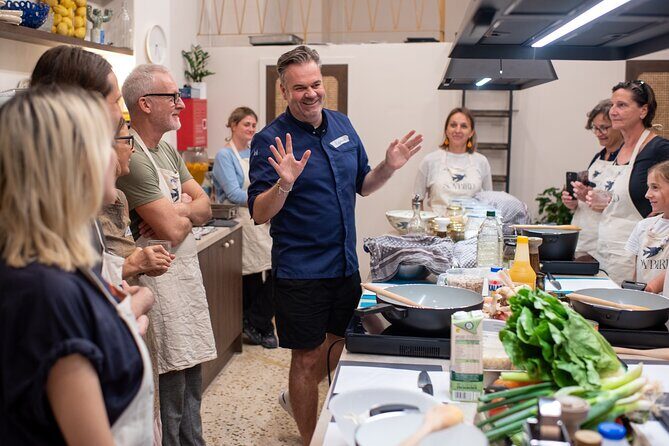
A Greek cooking class, but vegan. This hands-on session in Koukaki shows you how Greek comfort food works when you swap meat and dairy for plant-based technique. You’ll learn classics like moussaka and tzatziki, then you’ll eat what you cook with drinks in a friendly, small-kitchen setup.
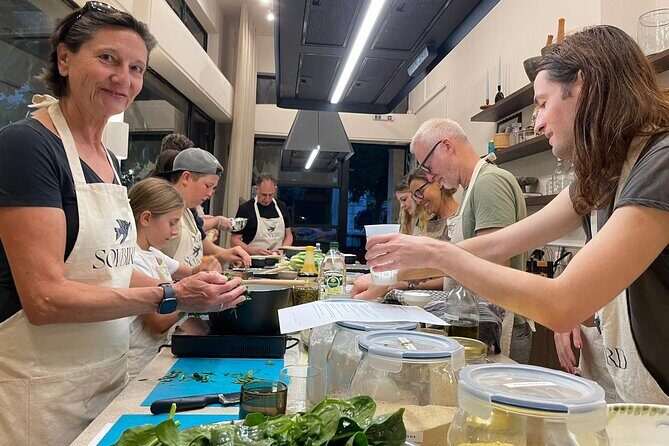
I really like that it’s small-group (about 5–10 in practice) and built for doing, not watching. Another big plus is the digital recipe book, so you’re not stuck with only the memory of how it tasted. One thing to consider: the format can feel a bit fast and busy in a small space, with less of a formal demo.
You’re also dealing with real cooking gear, including an induction setup, so it’s not the best match for everyone. Still, if you want a social dinner that teaches you specific Greek methods, this is a very strong value in Athens.
In This Review
- Key things worth knowing
- Koukaki Cooking Starts at SOYBIRD
- How the 3.5 Hours Actually Work: Two Teams, Hands-On Pace
- The Vegan Greek Menu: What You’ll Cook (and Why It Matters)
- The cashew bechamel lesson
- Fava and caramelized onions
- Almond-feta and dakos
- Moussaka and Spanakopita: The Skills You’ll Actually Use Again
- Moussaka: more than assembling
- Spanakopita: filling and structure
- A small-space reality check
- Tzatziki, Fava, and Dakos: Greek Flavor Without Dairy
- The Meal Part: Water, White Wine, Beer Included
- Recipe Book at Home: What You Get After the Class
- Instructors and the “How They Keep It Moving” Factor
- Price and Value: Why $94.66 Can Still Feel Fair
- Who This Class Is Best For
- When It Might Not Fit: Induction Cooker and a Hectic Kitchen
- Should You Book This Vegan Cooking Class in Athens?
- FAQ
- How long is the Athens vegan cooking class?
- What group size should I expect?
- Are drinks included?
- What dishes are on the menu?
- Do I get recipes to take home?
- Is it suitable for people with pacemakers?
Key things worth knowing
- Near Koukaki and the Acropolis area, so you can combine it with sightseeing before or after.
- Two-team cooking flow helps you stay active and keep the pace moving.
- A full lineup of dishes: moussaka, spanakopita, fava, dakos with almond-feta, tzatziki, koulouri, and ekmek.
- Drinks included with the meal: water, white wine, and beer.
- Digital recipe book at the end so you can recreate dishes at home.
- Induction cooker note: not suitable for people with pacemakers.
Koukaki Cooking Starts at SOYBIRD
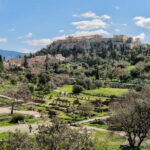
The class meets at SOYBIRD – Cooking Classes Athens, on Veikou 75–77 (Athina 117 41). It’s in Koukaki, a convenient base if you’re planning to spend time near the Acropolis. You also don’t need to rely on a car here; it’s described as near public transportation.
What I like about meeting in a neighborhood like this is timing flexibility. If you’re doing the Acropolis early, you’re not stuck with a long commute or a late-night detour. You can also treat this class like a proper dinner plan: you’re cooking, you’re eating, and you’re leaving with recipes—no need to squeeze in an extra restaurant meal afterward.
One practical point: because it’s a working kitchen, the “how you move around” matters. Some of the feedback focuses on a small space and lots of items out at once, so arrive ready to stand, prep, and share counter space without expecting a big, airy cooking studio.
You can also read our reviews of more tours and experiences in Athens


How the 3.5 Hours Actually Work: Two Teams, Hands-On Pace

This experience runs about 3 hours 30 minutes. The structure is designed so you’re not mostly watching. After a brief introduction, you split into two teams and cook step by step. Then you sit down together to enjoy the meal.
Group size is a key part of the value here. The class runs with a minimum group size of 5, and it’s capped to keep things manageable (maximum 10 in the small-group description, and maximum 14 travelers for the activity). That usually means you’re not standing in line for a station all night.
The other important detail is the class style. Some people loved how conversational and collaborative it felt, especially with wine. Others pointed out it can be a bit hectic because there’s not a lot of traditional “one clear demo” time. The upside: you get real practice on real steps. The downside: if you need lots of visual clarification before you start, you might want to lean on the printed cards and ask questions quickly when something seems unclear.
The Vegan Greek Menu: What You’ll Cook (and Why It Matters)
This isn’t a random mix of dishes. The menu is built around Greek foods you’ll actually recognize, then reworked into vegan versions. Here’s what you can expect on the sample menu:
- Moussaka with Cashew Bechamel
- Fava with caramelized onions
- Dakos with homemade Almond-Feta
- Spanakopita (spinach cake)
- Tzatziki (yoghurt cucumber dip) made vegan
- Koulouri (sesam rings)
- Ekmek (dessert speciality)
Why this lineup is useful: Greek cuisine often “reads” as dairy-and-meat-heavy, but the class targets the building blocks—creamy sauces, tangy dips, savory baked pies, and sweet-yet-comfort desserts. By cooking multiple elements in one evening, you learn techniques that translate to other recipes at home.
The cashew bechamel lesson
Moussaka is the big headline dish, and the vegan trick is the béchamel substitute. Cashews can give you a creamy texture when blended well and treated like a sauce, not just a nut paste. Once you understand the consistency you’re aiming for, you’ll be able to adapt it to other bakes.
Fava and caramelized onions
Fava is a Greek staple, often served thick and smooth, and pairing it with caramelized onions adds sweetness and depth. If you’ve never cooked with fava before, this is a practical intro to working with a dish that can be both simple and impressive.
You can also read our reviews of more cooking classes in Athens

Almond-feta and dakos
Dakos is usually about crunch, tang, and topping something hearty with a salty element. Homemade almond-feta is the vegan move that makes the flavor profile feel like the real thing—at least in the way that satisfies people who expect that briny bite.
Moussaka and Spanakopita: The Skills You’ll Actually Use Again
Two of the most discussed dishes are moussaka and spanakopita. If you’re the type who wants recipes with repeat value, these are strong choices.
Moussaka: more than assembling
Moussaka can look like “layers,” but what you’re really learning is sauce management. Cashew béchamel needs the right thickness, and the class format gives you a chance to practice that rather than just mixing and hoping. You’ll also learn how the dish holds together as it cooks—important because vegan versions can behave differently depending on how they’re blended and heated.
Spanakopita: filling and structure
Spanakopita teaches you how to build a savory filling and work with pie-style assembly. One review highlighted getting a good filling concept for spanakopita even if the person wasn’t planning to go fully vegan. That’s a great sign for you: you don’t have to be vegan to learn something useful. You just need to want to understand the technique.
A small-space reality check
Because this class can feel busy, the best strategy is to move with purpose. If you’ve got long hair, tie it back. Some feedback called out hygiene and hair management, which makes sense in a kitchen with shared workstations and induction surfaces. Also, keep a close eye on ingredient containers and labels—there were notes about some items not being clearly identified, like different types of salt versus pepper.
Tzatziki, Fava, and Dakos: Greek Flavor Without Dairy
A vegan Greek class succeeds when it doesn’t just replace ingredients, but replaces flavor mechanics. This menu hits that goal.
- Tzatziki is built around cucumber and that yogurt-style tang. In this class, it becomes a vegan version using a plant-based approach.
- Fava with caramelized onions gives you a sweet-savory base that feels hearty rather than “light.”
- Dakos with almond-feta gives you the salty, tangy punch that makes Greek bread-and-topping dishes work.
You’ll also notice the class keeps the learning variety. Some dishes are creamy (tzatziki, cashew béchamel). Others are baked or assembled (spanakopita, moussaka). Others are served as a base and topping (fava, dakos). That range matters because it trains you to think about textures and flavor balance instead of one single cooking method.
If you’re worried the class will only cover “easy vegan swaps,” don’t. You’re making a real dinner menu with a few different cooking skills in one night.
The Meal Part: Water, White Wine, Beer Included
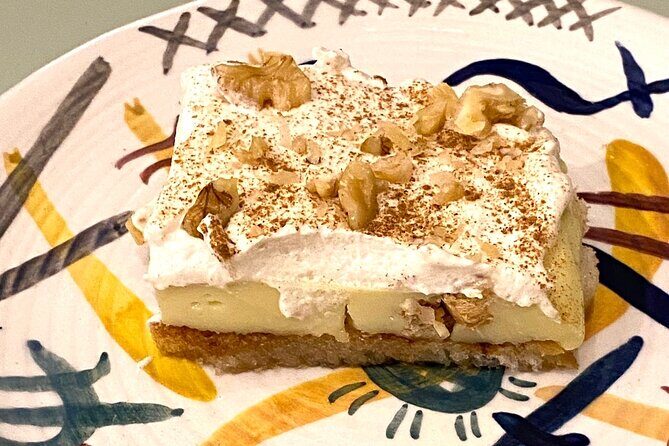
After cooking, you eat together. Drinks are included with the meal: water, white wine, and beer. This is not just a side detail. It changes the tone of the whole evening.
Cooking can get intense, especially in a small space, and wine and beer help keep the mood relaxed. You’ll also likely find you’re more willing to ask questions, laugh at small mistakes, and share tips with your cooking partner. One of the biggest praised aspects of the experience is the atmosphere: friendly people, lots of chatting, and that communal kitchen dinner feel.
For you, that matters because Athens is full of food experiences, but this one gives you both participation and a sit-down payoff.
Recipe Book at Home: What You Get After the Class
At the end, you receive a digital recipe book. This is a big deal for value. Without recipes, cooking classes often turn into a fun memory you can’t reproduce. With a recipe book, you can recreate the dishes when you’re back in your own kitchen and buying the ingredients at normal grocery prices.
Based on the class format, your evening should generate enough familiarity to follow the steps later. Ingredients are described as ready before you begin, and recipes are clear. That’s the kind of setup that makes at-home cooking realistic rather than frustrating.
Tip for your future self: once you get the digital book, take a minute to tag the recipes you care about most—moussaka, spanakopita filling, or almond-feta—then cook one relatively soon while the method still feels fresh.
Instructors and the “How They Keep It Moving” Factor

The teaching approach leans practical and hands-on. In past classes, instructors have included Chef Alexandra and coaches like Mirka/Mira. The staff name Roman shows up in responses, which suggests a team that stays engaged after feedback too.
Even with good instruction, the pacing depends on group dynamics. Some people loved that it felt relaxed and social, with staff working hard to orchestrate multiple recipes at once. Others said the evening felt hectic and would benefit from more guidance or a helper for smoother flow.
For you, the takeaway is simple: bring the mindset of a collaborative cooking night. If you treat it like an open kitchen work session, you’ll likely enjoy it more. If you want slow, staged precision with lots of quiet instruction, you might feel squeezed by the schedule and the space.
Price and Value: Why $94.66 Can Still Feel Fair
At $94.66 per person, the price isn’t “cheap,” but the value is more than just the food. You’re paying for:
- A 3.5-hour structured class
- A small-group setup that keeps you participating
- Multiple full dishes (not just one recipe)
- A sit-down meal
- Included drinks (water, white wine, beer)
- A digital recipe book to take home
In other words, you’re getting a full evening experience: lessons plus dinner. Athens has plenty of excellent dining, but paying for a class like this can be a smarter “one ticket solves dinner and learning” choice.
Also, the class tends to sell ahead—on average it’s booked around 29 days in advance. If you’re traveling in peak season or on a busy week, booking early helps you avoid slotting compromises.
Who This Class Is Best For
This is a great fit if you want any of the following:
- You love Greek food but want the plant-based version done properly
- You prefer hands-on learning over watching someone else cook
- You want a social dinner with a small group, including people who may eat meat or not
- You like getting a recipe list you can actually use later
It can also be a strong solo activity. Several feedback points focus on the social side—meeting new people, working as a team, and eating together right after cooking. If you’re the kind of traveler who likes to chat while you cook, this lands well.
When It Might Not Fit: Induction Cooker and a Hectic Kitchen
There are a few limitations you should treat seriously.
- Pacemakers: the class is not suitable because it uses an induction cooker.
- Pace and space: one concern raised was that the space can feel small for about eight people plus the host, and the evening can feel hectic without a demo-style walkthrough.
- Ingredient labeling clarity: some containers weren’t easy to identify, like pepper versus volcanic salt, which matters because it can affect your understanding of what you’re adding.
None of those points mean the class is bad. They mean you should decide if the format matches your needs. If you’re comfortable asking questions, sharing space, and going with the flow, you’ll probably have a good time. If you prefer calm, spacious, step-by-step demonstrations, you may find the atmosphere a little intense.
Should You Book This Vegan Cooking Class in Athens?
Book it if you want a fun evening that teaches real Greek cooking moves in a vegan style, and you want to end the night with food plus drinks plus recipes. The menu is solid, the group size keeps it interactive, and the digital recipe book makes the experience more than just entertainment.
Skip it (or choose a different activity) if induction cookers are a deal-breaker for you, or if you strongly need a slower, demo-first teaching style. This one is built for action.
If you’re planning your Athens schedule and want one ticket that gives you dinner and cooking skills, SOYBIRD’s vegan Greek class is a very sensible pick. And if you like the idea of making moussaka, spanakopita, and tangy dips without dairy, you’ll leave with confidence—and ingredients you’ll want to buy again.
FAQ
How long is the Athens vegan cooking class?
It runs for about 3 hours 30 minutes.
What group size should I expect?
The class is offered in a small group, with 5 people as the starting point. It’s described as up to 10 people in the small-group format, and the activity has a maximum of 14 travelers.
Are drinks included?
Yes. The meal includes water, white wine, and beer.
What dishes are on the menu?
A sample menu includes moussaka with cashew bechamel, fava with caramelized onions, dakos with homemade almond-feta, spanakopita, tzatziki (yoghurt cucumber dip), koulouri (sesame rings), and ekmek (dessert).
Do I get recipes to take home?
Yes. You receive a digital recipe book at the end of the class.
Is it suitable for people with pacemakers?
No. The class uses an induction cooker, so it is not suitable for people with pacemakers.

More Cooking Classes in Athens
More Food Experiences in Athens


More Tour Reviews in Athens
- All Day Cruise -3 Islands to Agistri,Moni, Aegina with lunch and drinks included
★ 5.0 · 4,958 reviews