REVIEW · ATHENS
Biblical Corinth: St. Paul and His Letters to the Corinthians
Book on Viator →Operated by My Athens Transfers · Bookable on Viator
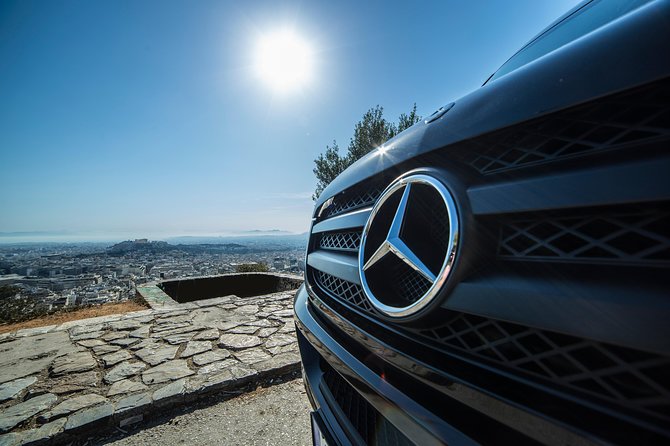
Paul’s Greece feels close here.
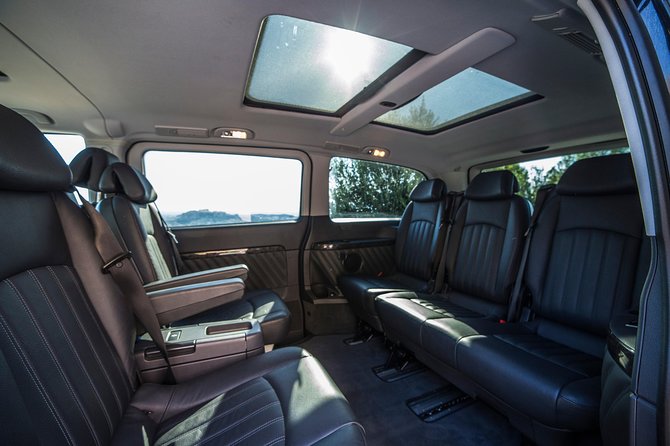
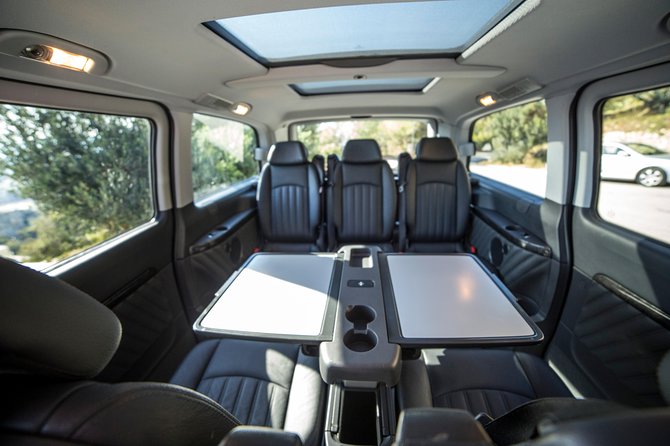
This private day trip is built around St. Paul’s world—the streets, ports, and meeting places that shaped his letters to the Corinthians. I like the onboard Wi‑Fi and air-conditioned comfort for a long day, and I also like the fact that your driver can explain what you’re seeing as you go between stops. One possible drawback: your driver is typically not a licensed guide inside the ruins, so you may want to plan for extra guidance if you’re after a more formal, inside-the-site narration.
The itinerary balances iconic viewpoints with practical pacing.
You’ll see major landmarks like Mars Hill and Ancient Corinth’s Bema, but you should budget for extra entrance fees at Ancient Corinth and the Archaeological Museum of Isthmia (these are not included). If you’re the kind of traveler who wants someone walking with you through every room and walkway, consider requesting a licensed tour guide in advance.
In This Review
- Key highlights worth circling
- From Athens to Corinth: why this day works
- Areopagus Hill and the Acropolis area: Paul meets Greek philosophy
- The Corinth Canal and Diolkos: how movement shaped the region
- Isthmia: the games, the sanctuary, and Paul’s working life
- Ancient Corinth (Archaia Korinthos): the city Paul helped shape
- Temple of Apollo: seeing what Paul argued against
- Kechreae (Cenchreae) and the port story behind Paul’s travel
- Apostolou Pavlou Church and Akrokorinthos: from Paul’s time to today’s prayer spots
- Lunch in Corinth: where the day becomes yours
- Who this tour fits best (and what to consider)
- Price and value: what $218.43 gets you
- Should you book this Corinth Paul’s Letters tour?
- FAQ
- Is this tour private or shared?
- About how long is the tour?
- Do you pick up from hotels or cruise ports?
- Is the tour in English?
- Will I have Wi‑Fi during the trip?
- Are entrance fees included?
- Does the driver act as a licensed tour guide inside the sites?
- Is lunch included?
- Can the pickup time be adjusted?
- Can I cancel for a refund?
Key highlights worth circling
- Mars Hill (Areopagus Hill) stop in Athens tied to Paul’s message to the Athenians
- Corinth Canal and the Diolkos to connect Paul’s era with how ships moved
- Isthmia sanctuary and games sites where Paul’s tentmaker work fits the crowd energy
- Ancient Corinth sights including the Bema linked to Gallio and Paul’s stand
- Temple of Apollo and Kechreae to show the religious and port world Paul preached into
- Lunch in Corinth if you choose the Greek traditional food option
From Athens to Corinth: why this day works
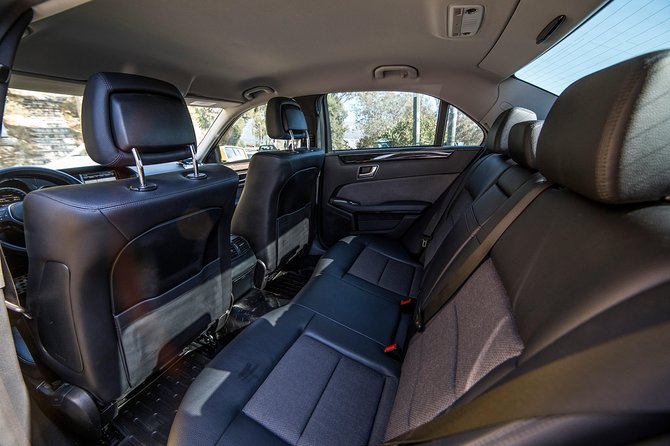
This tour is long enough to feel like more than a quick hit, but it’s still designed so you can move at a human pace. I like that the day mixes big-name stops with smaller, story-rich places—so Paul’s letters don’t feel like they belong to a textbook. You also get a private hotel or port pickup and drop-off, plus a comfortable vehicle with Wi‑Fi and bottled water.
The best part for me is the tone: it’s not just landmarks. It’s the sense of place. You’re walking and looking at the same kinds of spaces where faith, debate, commerce, and daily work all collided.
Price-wise, it’s $218.43 per person for an about 8–9 hour private outing. Entrance fees are extra for only two spots, so the overall cost stays fairly predictable if you’re planning ahead.
You can also read our reviews of more tours and experiences in Athens.


Areopagus Hill and the Acropolis area: Paul meets Greek philosophy
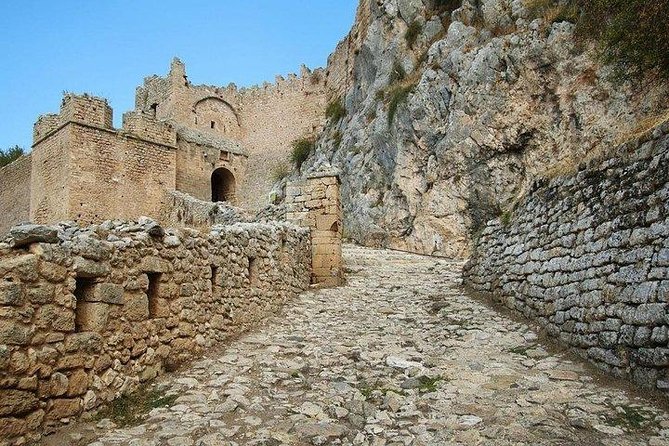
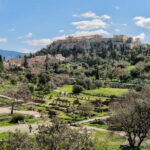
The day opens with a walk through the sacred grounds around the Acropolis area and then a focused stop at Areopagus Hill, also called Mars Hill. This is where Apostle Paul delivered one of his most famous sermons in Athens, challenging the city’s beliefs and introducing the idea of the Christianity message to the philosophical heart of ancient Greece.
What I like about starting here is that it sets the theme for the rest of the day. Athens can make you think of ideas only. But Paul’s speech is a reminder that ideas had real consequences—religious, political, and social.
Practical note: this stop is short (about 20 minutes), so you’ll want comfortable shoes and an open mind. You’re in a viewpoint zone, not a long museum room.
The Corinth Canal and Diolkos: how movement shaped the region
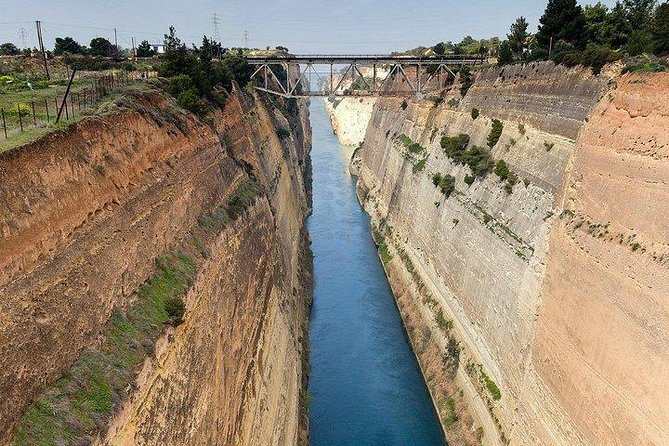
Next comes the Corinth Canal, where you get a strong view from above. Even if you’ve seen canals before, this one feels different because it cuts through the isthmus. It connects the Gulf of Corinth with the Saronic Gulf, and it’s narrow at sea level, with no locks—so it’s a reminder of how challenging it was to move goods by water in the ancient world.
Then you’ll visit the Diolkos, the ancient overland route used to move ships across the isthmus long before the canal existed. Standing near what’s left of this kind of infrastructure helps you picture the Mediterranean as a connected system of ports, labor, and traffic.
Why you’ll appreciate this pairing: it gives context for why Corinth mattered so much. If ships and goods couldn’t move easily, the whole city’s role changes. Paul’s time in Corinth happened inside that movement engine.
Isthmia: the games, the sanctuary, and Paul’s working life
After the canal and Diolkos, you head to Isthmia, which sits close to where the Peloponnese meets the mainland. Isthmia was famous for the Isthmian Games, held in honor of Poseidon and drawing participants from across the Greek world. It was religion and sports and travel all in one place.
This matters for Paul. The Bible doesn’t describe every detail of Paul’s schedule, but the tour connects the dots using the “tentmaker” idea. Paul is believed to have worked as a tentmaker in the Corinth area, and the logic is simple: major festivals meant lots of people needing supplies and temporary shelter.
You’ll also spend time at the Archaeological Museum of Isthmia (admission not included). The museum helps you see the region as a whole religious system, not just ruins. You’ll look at artifacts tied to the sanctuary and festival life, including items associated with the Sanctuary of Poseidon and objects connected to regional ports.
One review thread that stands out in my mind: guides like Alex and George (and others in the same role) are praised for answering questions on the spot, including the ones you might feel silly asking. That can make this stop especially rewarding, because it’s easy to leave without realizing what you just saw.
Ancient Corinth (Archaia Korinthos): the city Paul helped shape
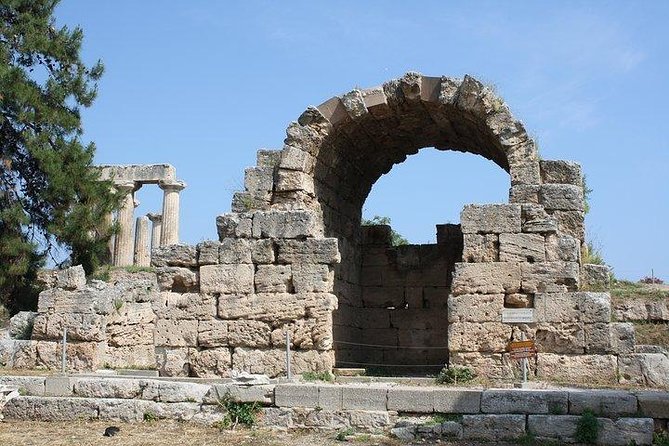
Now you hit the big day highlight: Ancient Corinth—Archaia Korinthos—one of the key cities for early Christianity. Corinth was a trading hub on the strategic isthmus, and Paul spent more than 18 months there, building a community that becomes the backdrop for the letters to the Corinthians.
The tour highlights the Bema, the stone judgment seat. This is connected to the story where Paul appeared before Proconsul Gallio, accused of unlawful teachings. Gallio’s refusal to judge becomes a turning point that allowed Paul to keep working in the city without Roman interference. Standing near the Bema area gives you that strong feeling of history-by-location, not just history-by-reading.
A practical catch: the Bema is outdoors and the site is spread out. So you’ll do best if you’re okay with self-paced walking between explanations from your driver. If you want a licensed guide walking you through the full site narrative, plan to request that service, because your driver generally does not enter the archaeological sites with you.
- All Day Cruise -3 Islands to Agistri,Moni, Aegina with lunch and drinks included
★ 5.0 · 4,958 reviews


Temple of Apollo: seeing what Paul argued against
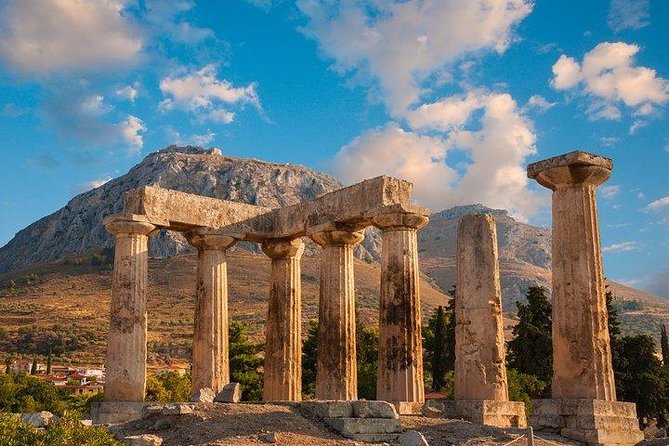
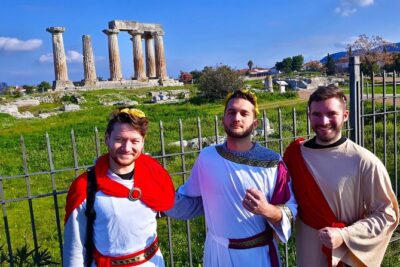
In the heart of Ancient Corinth, you’ll visit the Temple of Apollo, built around 560 BC and known for its early Doric architecture and massive columns. When Paul arrived in Corinth, this temple would have dominated the skyline and represented Apollo worship and civic religious life.
This stop is a good reality check. Paul preached in a city that didn’t treat faith as private. Religion was public, architectural, and visible.
If you care about the “why” behind Paul’s letters—questions of idolatry, ethics, unity, and belief—this temple helps you see what daily life looked like for people around him.
Kechreae (Cenchreae) and the port story behind Paul’s travel
Next is Kechreae, the ancient port of Corinth (Cenchreae). This ties directly to Paul’s second missionary journey in Acts 18:18, when he sailed toward Syria with Priscilla and Aquila. The tour also connects Kechreae to an early Christian community and references Paul’s later mention of Phoebe, a trusted servant of the church in Cenchreae, in the Letter to the Romans.
What I like here is that you get a break from stone and monuments into a more human sense of motion. Ports make everything feel less abstract—letters travel, people relocate, and communities form where ships land.
The stop is about 30 minutes, so it’s more of a meaningful walk than a long linger. Bring a little curiosity and you’ll get more out of it.
Apostolou Pavlou Church and Akrokorinthos: from Paul’s time to today’s prayer spots
You’ll also visit Apostolou Pavlou, a church honoring Apostle Paul and tied to the period when Corinth’s early Christian community formed around 51–52 AD. This is one of those places where you can feel the continuity: the story is ancient, but the devotion is active.
Finally, you’ll climb to Akrokorinthos, the fortress overlooking Ancient Corinth. Expect a proper viewpoint payoff. Even when you’re not chasing a religious meaning, the height helps you understand the city’s strategy and why people settled where they did.
One thing I remember from review patterns: guides often suggest lunch spots with views, and some helped travelers time the last climb around weather and energy. In general, this is a day where a good driver’s judgment can improve your comfort level a lot.
Lunch in Corinth: where the day becomes yours
At around the middle-late part of the day, you’ll have lunch at a traditional seaside Greek taverna. If you choose the option with Greek traditional food, the meal cost is included in the tour price.
This is not an afterthought stop. Reviews describe lunch as excellent, including standouts like meat platters and places with sea and valley views. Even if you’re not a “food-first” traveler, you’ll want the pause. Corinth ruins and fortress walks add up.
If you’re picky about timing, tell your driver what you prefer. Many guides in the reviews are praised for staying flexible and not rushing.
Who this tour fits best (and what to consider)
This tour is a strong match if you want:
- A private, driver-led day that keeps moving but doesn’t feel like a race
- A Paul-focused route that connects scenes to ideas in his letters
- Comfort for a long day, with Wi‑Fi and bottled water
- Clear highlights like Mars Hill and the Bema, plus a port stop tied to Acts
It may be less ideal if you:
- Want a licensed guide who enters archaeological sites and gives constant inside narration
- Prefer a very museum-style pace with lots of indoor time
- Need a short day. This is built to be full-length.
A quick heads-up on the “guide” part: you’ll have a driver who gives commentary in fluent English, and reviews repeatedly praise people like Alex, George, Spiros, Stephanos, Panos, Visili, Thanous, Kostas, and Constantino for pacing, Q&A, and clear explanations. But your driver usually won’t accompany you inside the ruins, so you should decide whether you want to pay for a licensed site guide.
Price and value: what $218.43 gets you
At $218.43 per person, you’re paying for a private Athens-to-Corinth day with pickup/drop-off, a/c transport, onboard Wi‑Fi, bottled water, and a lunch option if you select it. That’s the “big ticket” value piece: transport alone can be a chunk of the cost on its own when you’re doing a private day trip.
Entrance fees are extra for only two items:
- Ancient Corinth
- Archaeological Museum of Isthmia
There’s an indicated fee of €15.00 per person for those.
So for many travelers, the money feels fair: most stops are admission free, and you aren’t constantly paying small extras everywhere you turn.
Should you book this Corinth Paul’s Letters tour?
Book it if you want a private day that turns Paul’s world into walkable geography. The Mars Hill start, canal and Diolkos engineering stops, and the Ancient Corinth Bema connection make a satisfying thread. The lunch stop is included if you choose that option, and the fortress viewpoint at Akrokorinthos gives you a finale that feels earned.
Skip it (or add a licensed site guide) if you strongly prefer a formal inside-the-ruins tour narrative. Your driver can explain a lot on the way and at the meeting points, but the actual site walking inside may be self-paced.
If your goal is to see the “where” behind the Corinthians letters, this is a solid match. And if you’re lucky with your driver—reviews suggest you often are—you’ll get more than directions. You’ll get context, pacing, and answers without feeling rushed.
FAQ
Is this tour private or shared?
This is a private tour. Only your group participates.
About how long is the tour?
The duration is listed as about 8 to 9 hours.
Do you pick up from hotels or cruise ports?
Yes. The tour includes hotel or port pickup and drop-off. For port pickup, the driver waits at the gate with a sign showing your name.
Is the tour in English?
Yes. It’s offered in English.
Will I have Wi‑Fi during the trip?
Yes. There is Wi‑Fi on board, along with bottled water and an air-conditioned vehicle.
Are entrance fees included?
Some stops are free, but entrance fees are not included for Ancient Corinth and the Archaeological Museum of Isthmia. Those can be purchased on-site for €15.00 per person.
Does the driver act as a licensed tour guide inside the sites?
No. The driver is not a licensed tour guide and is not stated to enter the archaeological sites with you. A licensed tour guide is optional upon request and availability.
Is lunch included?
Lunch is included only if you choose the option with Greek traditional food. Otherwise, it’s not included.
Can the pickup time be adjusted?
Yes. Pickup time is adjustable upon your request.
Can I cancel for a refund?
Yes. Free cancellation is available up to 24 hours in advance for a full refund.
More Tour Reviews in Athens
- All Day Cruise -3 Islands to Agistri,Moni, Aegina with lunch and drinks included
★ 5.0 · 4,958 reviews