
REVIEW · ATHENS
Hellenic Motor Museum Entrance Ticket
Book on GetYourGuide →Operated by HELLENIC MOTOR MUSEUM · Bookable on GetYourGuide
Cars meet wheels meet workshops.
If you like machinery with stories, the Hellenic Motor Museum is a great break from Athens streets. You get a huge, walk-in collection—over 110 unique automotive exhibits from the 19th and 20th centuries (and a timeline that stretches much farther).
What I like most is how close you get to the cars, plus the museum’s layout that uses a spiral ramp and multiple levels to make the evolution of motoring feel logical. One thing to consider: the museum sits on the top floor of Capitol Mall, and outside signage can be a little tricky, so give yourself time to find it.
In This Review
- Key Highlights Worth Planning For
- How the Hellenic Motor Museum Is Set Up in Central Athens
- Your Visit Time: When to Go and How Long It Really Takes
- What You’ll See on the Spiral Ramp (And Why It Matters)
- Three Floors of Cars: More Than Just a Static Display
- The Old Car Workshop: A Hands-On Feeling, Without Getting Messy
- The Wheel Story: A Theme That Pulls You Through
- Finding It Can Take a Minute: Practical Tips for Arrival
- Pricing and Value: Is $14 Worth It?
- What It’s Like for Different Types of Visitors
- Car enthusiasts
- Families
- People who just want a smart indoor plan
- People sensitive to crowding or viewing angles
- A Simple Way to Plan Your Route Once You’re Inside
- Notes on Comfort, Language, and Getting Support
- When the Museum Might Not Be Your Best Fit
- Should You Book This Hellenic Motor Museum Ticket?
- FAQ
- What does the ticket include?
- How long is the visit?
- Where is the meeting point?
- What are the opening hours?
- Is an audio guide included, and what language is it?
- Is the museum wheelchair accessible?
- What should I know about major closures?
Key Highlights Worth Planning For
- 3 floors of displays with a clear path to follow
- Spiral ramp timeline: 72 exhibits from 300 B.C. to the end of the 20th century
- 110+ global vehicles, including makers that no longer exist
- Old car workshop setup that helps you see how cars were serviced and built
- History of the wheel—a clever theme for understanding how cars changed
- Air-conditioned, bright galleries that make it a smart stop on hot days
How the Hellenic Motor Museum Is Set Up in Central Athens
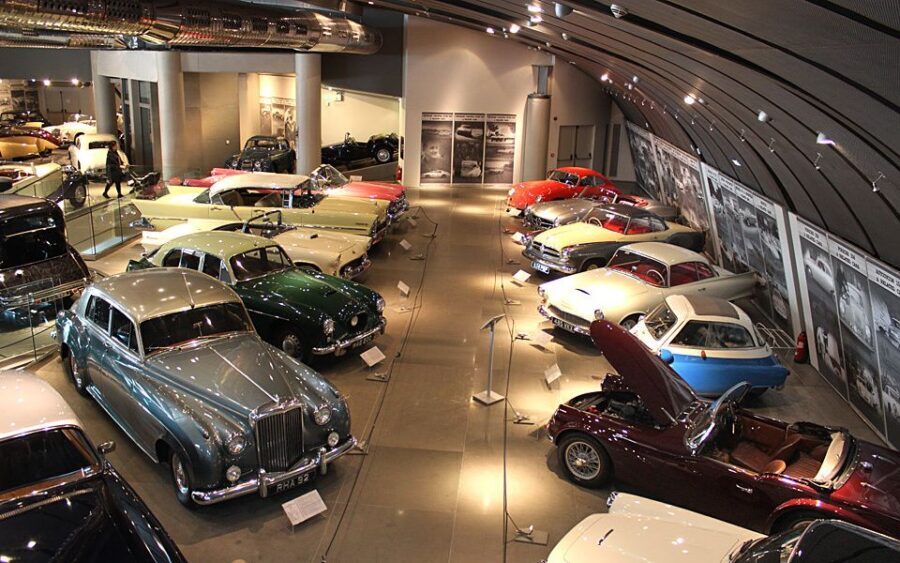
The Hellenic Motor Museum is in central Athens, inside Capitol Mall (on the topmost level). It’s not a tiny display tucked into a corner. This place is built like a proper museum: three floors of cars and related equipment, with enough breathing room to keep it enjoyable even if you’re not a hardcore gearhead.
The overall concept is simple: cars didn’t just appear fully formed. The museum builds the story of the automobile through objects you can actually see up close—vehicles, parts, and design changes across time. And because the collection is rotating, you’re not only viewing static “best of” pieces. Some cars and brands you expect to be missing are there, including companies that no longer exist.
I also like that it’s easy to turn this into a short, practical plan. The visit is one day, and many people treat it as an hour-or-two escape from heat or crowds. If you’re traveling with kids, it can also function as a low-effort activity: you walk, you look, you point at the cool stuff, and everyone stays engaged.
You can also read our reviews of more tours and experiences in Athens



Your Visit Time: When to Go and How Long It Really Takes
The museum’s opening hours make it workable on most itineraries:
- Monday–Friday: 10:00–17:00
- Saturday–Sunday: 11:00–18:00
- Last admission: 30 minutes before closing
- Closed: January 1, January 6, Easter Sunday and Easter Monday, August 15, December 25
In real life, that last-admission rule matters. If you arrive near the end of the day, you’ll feel rushed. This is one of those museums where it helps to slow down and look at details, especially if you’re interested in the history of design rather than just spotting famous cars.
Most people can enjoy the core experience in about 1 day, and the museum’s layout helps you avoid decision fatigue. You won’t need a complex itinerary. Just follow the flow through the floors and take time at the spots that catch your eye.
What You’ll See on the Spiral Ramp (And Why It Matters)
One of the museum’s best ideas is the spiral ramp experience. As you ascend, you can look at 72 unique exhibits spanning from 300 B.C. to the end of the 20th century. That timing range isn’t just trivia. It gives you a sense that the automobile is the result of gradual invention.
A lot of car museums jump straight to engines and badges. Here, the museum plants you earlier—helping you understand the logic behind how movement technology evolved, including changes related to wheels. It’s a smart theme because wheels are the constant connection between ancient motion and modern cars.
If you care about design, this section helps you make comparisons fast:
- How form changes with function
- How materials and proportions evolve
- How the idea of driving becomes more practical over time
If you only have a short attention span, the spiral ramp is also an easy win: you can move at your own pace while the timeline keeps things organized.
Three Floors of Cars: More Than Just a Static Display
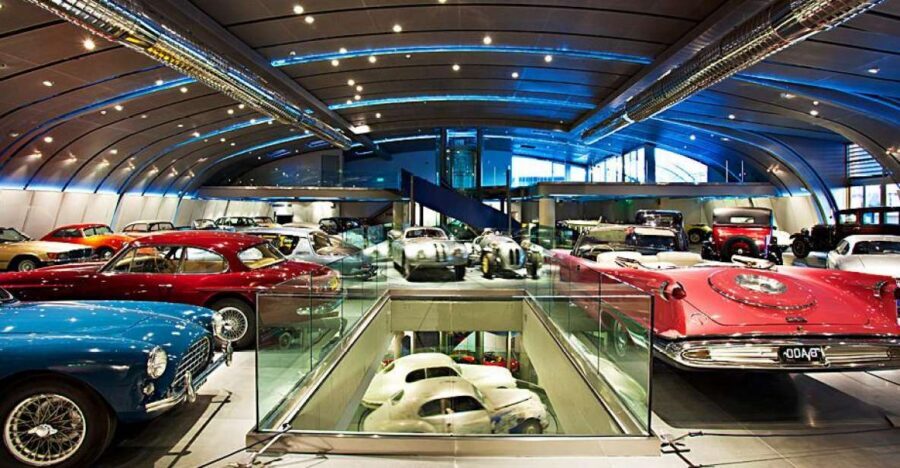
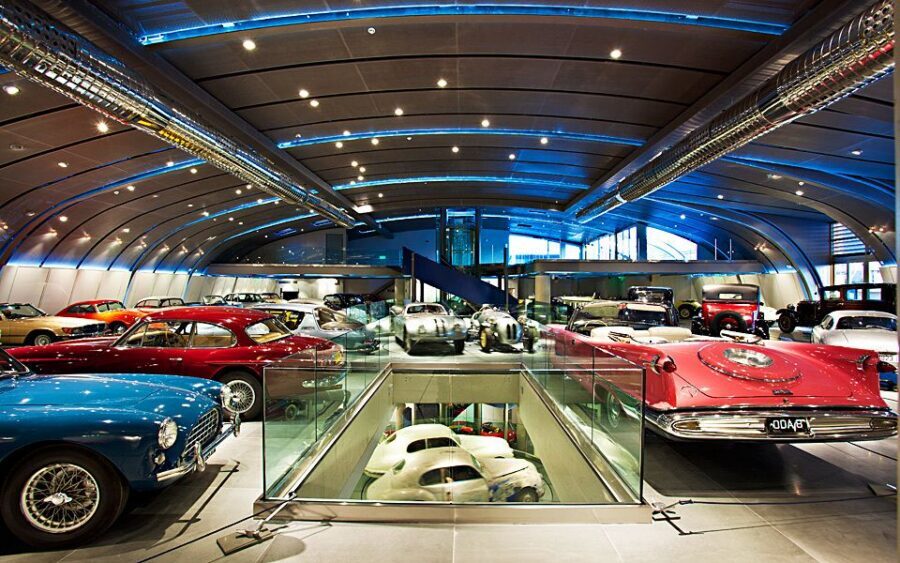
The museum occupies three floors inside Capitol Mall. The important part isn’t just that there are many cars—it’s that they’re arranged so you can actually process them. The collection includes more than 110 unique examples from the global automotive industry.
You’ll see cars from makers that no longer exist, which is a big part of the appeal if you like the history side of things. It’s like opening old chapters of industrial design—names that vanished, but vehicles that still show the engineering choices of their era.
The exhibits are also neatly arranged and supported with descriptions. Lighting is bright and the galleries feel visitor-friendly, which helps when you’re trying to read details without squinting. If you visited car museums elsewhere and found them dim or packed, this one tends to feel more comfortable.
The Old Car Workshop: A Hands-On Feeling, Without Getting Messy
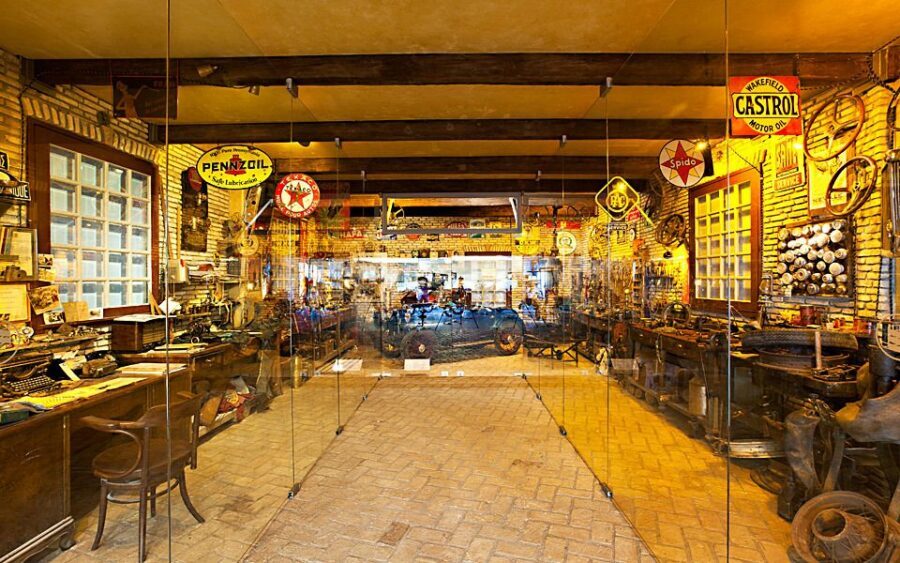
One standout feature is the old car workshop display. The museum doesn’t just show cars as finished objects—it recreates a service and maintenance environment, with the features of a workshop included.
That matters because cars don’t become cars in a vacuum. They need repair, tuning, and routine work. Seeing a workshop setup helps you picture how the industry functioned day to day, not only how cars looked when they were new.
I’d treat this area as your “pause and slow down” moment. Spend extra time here if you like tools, setups, and practical engineering. Even if you’re not obsessed with engines, it gives the whole museum a sense of realism.
You can also read our reviews of more museum experiences in Athens





The Wheel Story: A Theme That Pulls You Through
The museum includes learning about the evolution of the car through the history of the wheel. This is a surprisingly effective framing device. Instead of treating automotive history as a random list of models, the wheel theme gives you a physical through-line.
Why that’s valuable: wheels are where a lot of progress shows up. Even if you can’t name every part of an engine, you can still understand the direction of improvements—how movement gets smoother, how vehicles become more controllable, and how the entire experience of driving changes.
If you’re visiting with someone who wants facts but not heavy tech, this theme is a good compromise. It keeps the story grounded.
Finding It Can Take a Minute: Practical Tips for Arrival
Here’s the only real “logistics” issue that comes up. The museum is on the top floor of Capitol Mall, and the building also has many offices. Outside road signage can be not very clear, so navigation can feel like a small puzzle.
My advice: don’t schedule this as a last-minute stop. Give yourself time to find the entrance and get oriented before you start. Once you’re in, it’s straightforward. The hard part is getting there cleanly the first time.
If you’re visiting on a hot day, you’ll appreciate that indoor comfort is part of the experience. The museum is known for being comfortable, which helps you avoid turning the visit into an endurance test.
Pricing and Value: Is $14 Worth It?
At about $14 per person, this is good value if you like any of these:
- car history
- classic vehicles and industrial design
- museum time that isn’t too exhausting
- a family-friendly, indoor activity
The collection size is the big reason. With 110+ unique exhibits across multiple levels plus thematic displays like the workshop and wheel evolution, you’re not paying for a quick glance at a few cars. You’re paying for a full museum circuit.
There’s also a practical upside: it’s one day and you can flex your schedule around it. If you’re touring Athens in July or August, indoor attractions that still feel interesting are worth their weight in saved energy.
What It’s Like for Different Types of Visitors
This museum fits a wide range of tastes.
Car enthusiasts
You’ll enjoy the sheer number of exhibits, especially since the museum includes makes and models from different eras, including brands that no longer exist. If you love how design changes over time, the spiral ramp timeline makes comparisons easier.
Families
This is the kind of museum where kids can stay interested without constant breaks. You may even spot pop-culture-style vehicles like Lightning McQueen and the Flintstones Mobile. That kind of surprise helps kids connect to the broader theme.
People who just want a smart indoor plan
If you’re using Athens travel time well—like escaping heat for a controlled indoor visit—this museum delivers. It’s bright, orderly, and easy to move through.
People sensitive to crowding or viewing angles
One caution: some cars can be harder to view from all sides, and spacing may not feel perfect at every exhibit. If you prefer wide walkways and full 360-degree access, you might notice tighter viewing in certain areas.
A Simple Way to Plan Your Route Once You’re Inside
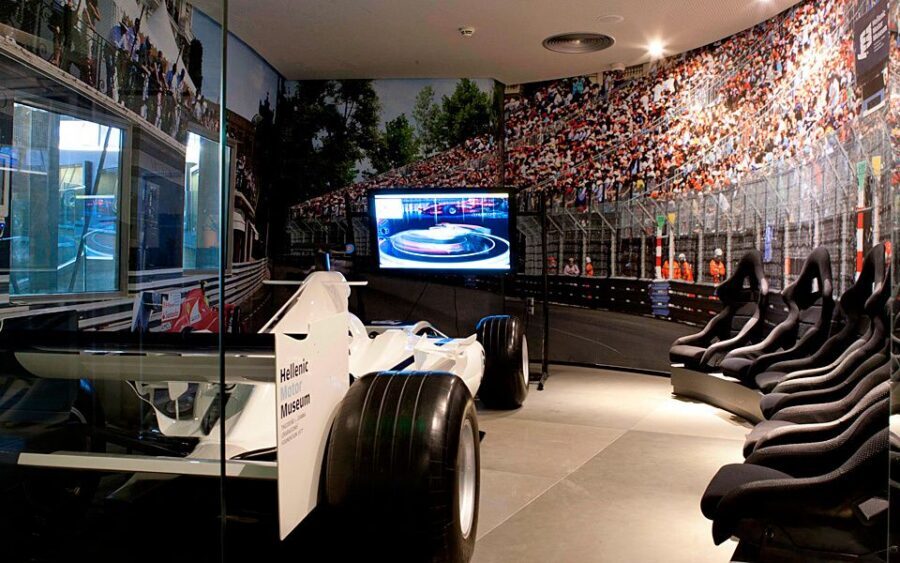
You’ll get the most out of the museum by treating it like three mini-missions rather than one long wander.
First, follow the spiral ramp conceptually. Let the timeline guide you so the earlier-wheel evolution and early motoring ideas land before you reach the later vehicles.
Next, spend time on each level with a purpose:
- look for the display type that matches what you care about (classic models, workshop feel, or design evolution)
- pause at descriptions long enough to understand what you’re looking at
- don’t rush the workshop area
Finally, if you love comparison shopping, re-scan the exhibit layout once you’ve seen the main highlights. The rotating nature of the collection means you might notice how the museum keeps shifting themes, so your second pass helps it click.
Notes on Comfort, Language, and Getting Support
Good museums make it easy to understand what you’re seeing. Here, you have an audio guide in English (and English/Greek support is available from the host or greeter). The museum is wheelchair accessible, so you can plan a visit without worrying that parts of the museum will be inaccessible.
Also, the galleries are bright and well maintained, which helps you read details and enjoy the cars without fighting poor lighting.
If you’re someone who likes to move independently, you can do that. If you want help, the staff presence and the audio option give you flexibility.
When the Museum Might Not Be Your Best Fit
This museum may feel less satisfying if:
- you only want the newest cars
- you get bored by history themes like wheels and industrial evolution
- you need lots of outdoor atmosphere
Also, if finding the museum takes longer for you than expected, you could feel time pressure—so build in extra margin.
Should You Book This Hellenic Motor Museum Ticket?
If you’re visiting Athens and you want an indoor activity that still feels substantial, I think yes, it’s worth booking. For $14, you get a multi-floor collection, thematic displays like the workshop and wheel history, and enough exhibits to justify a full museum circuit.
Book it especially if:
- you’re traveling with car-loving partners or kids
- it’s a hot day and you want a comfortable escape
- you like museums that connect engineering, design, and everyday function
Skip it if you only like modern luxury cars or you strongly prefer outdoor sights and short stops.
If you decide to go, plan for finding the top floor, go when you can take your time (last admission matters), and treat it like a mini journey through how people learned to move.
FAQ
What does the ticket include?
The ticket includes entrance to the Hellenic Motor Museum.
How long is the visit?
The ticket is listed as valid for 1 day.
Where is the meeting point?
The meeting point is at IOULIANOU 33 – 35 & C’ SEPTEMVRIOU 74 – 78, ATHENS.
What are the opening hours?
Monday–Friday are 10:00–17:00, and Saturday–Sunday are 11:00–18:00. Last admission is 30 minutes before closing.
Is an audio guide included, and what language is it?
Yes. An audio guide is included in English.
Is the museum wheelchair accessible?
Yes, the museum is wheelchair accessible.
What should I know about major closures?
The museum is closed on January 1st, January 6th, Easter Sunday, Easter Monday, August 15th, and December 25th.




More Museum Experiences in Athens
More Tickets in Athens



More Tour Reviews in Athens
- All Day Cruise -3 Islands to Agistri,Moni, Aegina with lunch and drinks included
★ 5.0 · 4,958 reviews