REVIEW · ATHENS
Herakleidon Museum of Ancient Greek Technology: Entry Ticket
Book on GetYourGuide →Operated by Museum Herakleidon - Non Profit Cultural · Bookable on GetYourGuide
Greek technology history hits different here.
I love that the Herakleidon Museum takes Ancient Greece out of the textbook and turns it into a hands-on-feeling learning experience. It’s centered on the triptych of science, art, and mathematics, with interactive displays that help you see how the Greeks handled data and design. You’ll also be able to work through the museum at your own pace, since it’s a one-day ticket you can use flexibly across the two nearby buildings.
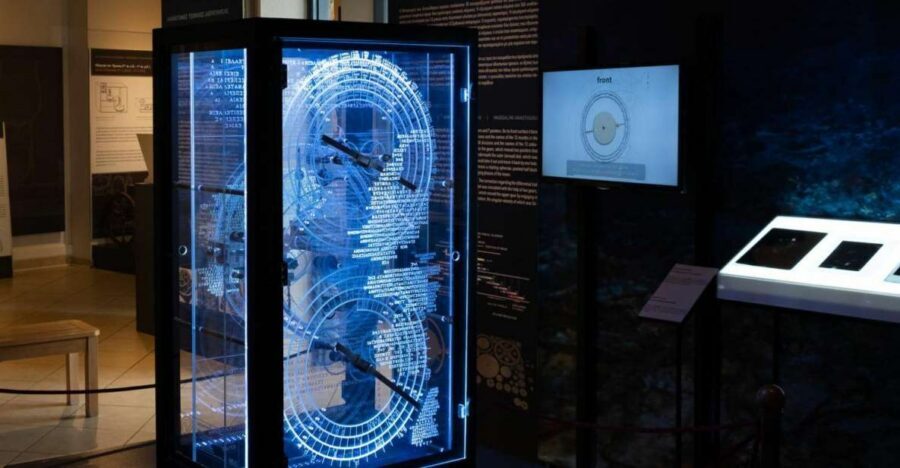
What I like most is the focus on Antikythera Mechanism, often described as the world’s first computer, and the way the museum uses technology to connect math to real-world outcomes. Second, I like the attention to Greek war techniques, shown through technological artifacts rather than just battle stories.
One thing to keep in mind: the experience can feel very educational and self-guided. If you’re expecting a guided tour vibe or a lot of modern-style, high-tech interaction, the plain ticket price may feel a bit tight—especially since ratings show some visitors were not fully sold on value.
In This Review
- Key things you’ll get from the Herakleidon Museum
- First stop: the two-building setup near Thisseio and the Acropolis entrance
- Why the museum’s science-art-math idea feels more modern than you’d expect
- Antikythera Mechanism: the ancient Greek computer that changes how you see math
- Greek war techniques shown through technology, not just conflict
- Interactive center of science: what “hands-on” likely means here
- Price and value: is $8 a good deal?
- Where guided tours fit in—and what you should expect without one
- The rules of the building and why they affect your comfort
- A simple “do this, then that” plan for a 1-day ticket
- Who this ticket is best for
- Should you book the Herakleidon Museum ticket?
Key things you’ll get from the Herakleidon Museum
- Antikythera Mechanism: the big draw, explained through the museum’s tech lens
- Science, art, and mathematics as a single story, not three separate exhibits
- Sophisticated data thinking: you’ll see how calculation and design mattered in antiquity
- Artifacts tied to war techniques, where technology shows up in practical ways
- Two-building layout near Thisseio, so you can plan a calm loop rather than rushing
First stop: the two-building setup near Thisseio and the Acropolis entrance
The Herakleidon Museum is located in Thisseio, and it’s genuinely easy to pair with your Acropolis plans. The museum is walking distance from the Metro station Thisseio, and it sits very near the main entrance of the Acropolis—close enough that you can do one after the other without stressing over transport.
Here’s the practical part: you redeem your ticket at the first of the museum’s two buildings, at 16 Herakleidon Street. Then, you can move to the second building at 37 Ap. Pavlou Street, about 150 meters away. That short hop matters because it lets you break up your day. Instead of cramming everything into one floor or one room, you can treat it like two small museum blocks.
How I’d pace it: start at the building where you redeem, scan quickly for the exhibits that match your interests (the Antikythera Mechanism is the obvious one), and then take the walk to the second building when you want a reset. Since your ticket is valid for one day, you’re not under pressure to “finish” in a strict timeline.
You can also read our reviews of more tours and experiences in Athens


Why the museum’s science-art-math idea feels more modern than you’d expect
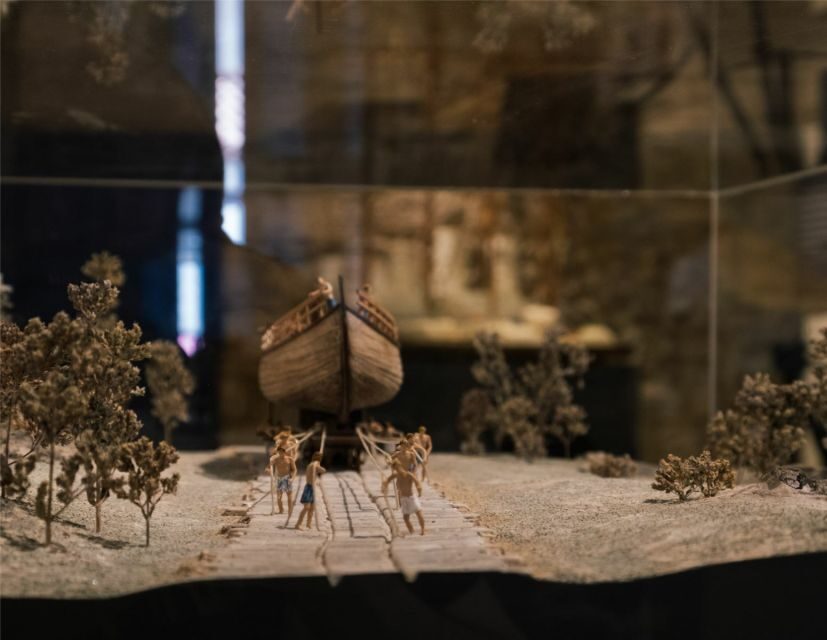
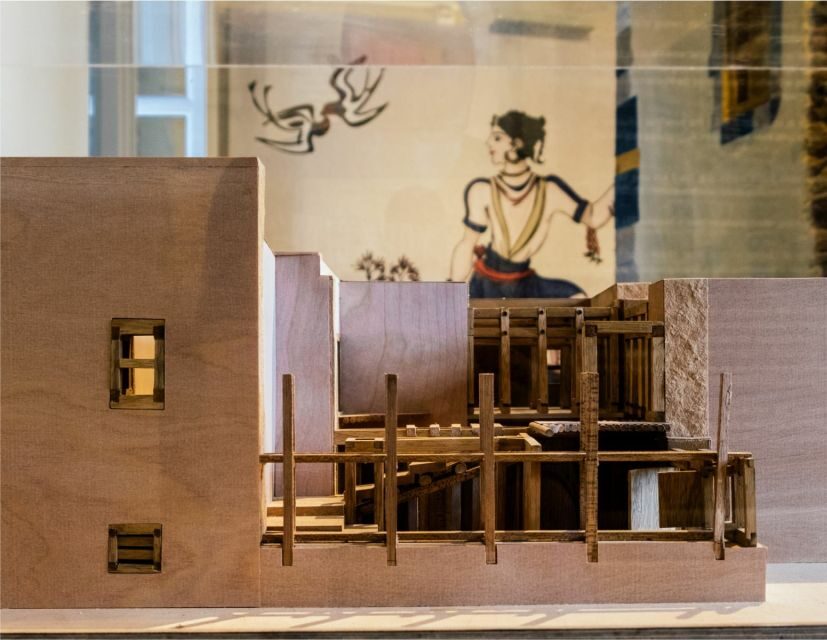
Most technology museums teach tech like a separate subject: gears here, engineering there, maybe a timeline on the side. Herakleidon works differently. The museum is organized around a triptych: science, art, and mathematics. The point isn’t just to say the Greeks were smart—it’s to show how these areas were connected in how they built, calculated, and designed.
What you’ll notice as you move through the displays is that the museum tries to make ancient achievement feel like a process, not a finished product. You’re not only looking at objects; you’re learning how Greeks thought about information, measurement, and planning. That matters because it changes how you look at artifacts. A device becomes evidence of how someone reasoned, not just a curiosity.
The museum also leans into education. It’s described as an interactive center of science popularization, and it runs original educational programs motivated by an exhibit theme called EUREKA, Science, Art and Technology of the Ancient Greeks. Even if you’re not a student, you can benefit from the same approach: short explanations, exhibit-driven learning, and a “research spirit” mindset that encourages you to keep asking what’s happening behind the scenes.
Small caution: because this museum emphasizes learning and interpretation, it may feel slower than a pure “photo-op” attraction. If you like history but you hate reading labels, bring the mindset of a classroom visit: you’ll get more by staying curious longer.
Antikythera Mechanism: the ancient Greek computer that changes how you see math
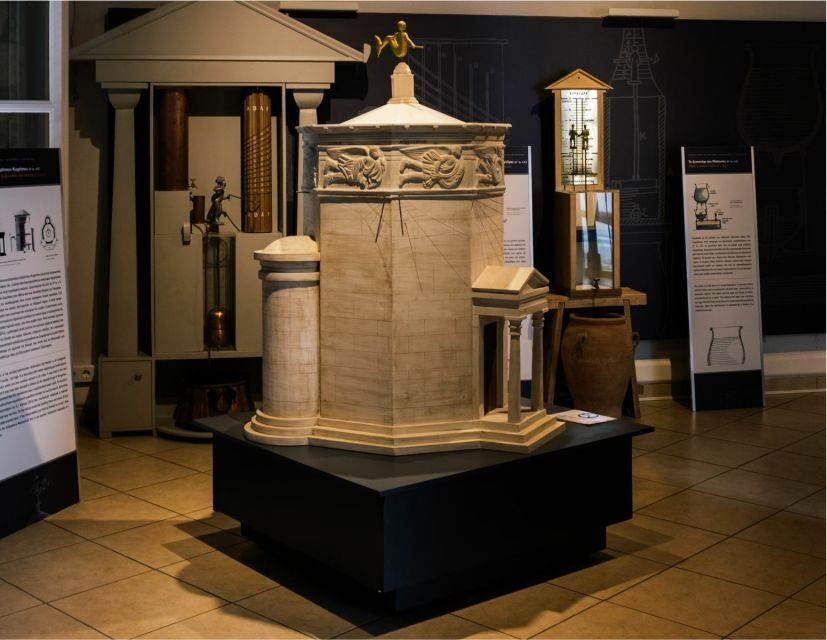
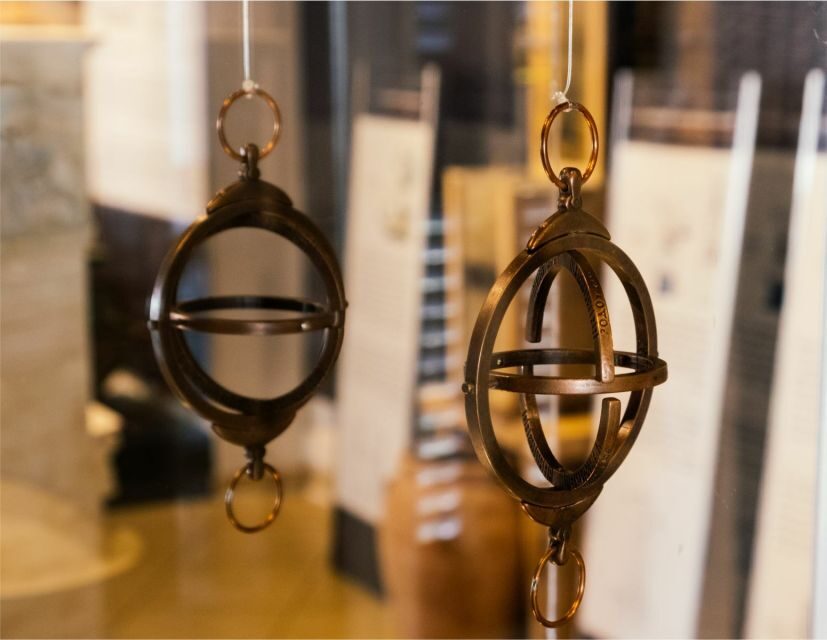
If you’re only choosing one topic to care about in this museum, make it the Antikythera Mechanism. The museum highlights it as the kind of device often considered the world’s first computer. Even if you’ve heard the claim before, this is where it becomes more than a trivia line.
So what’s the value of putting this front and center? It forces a connection between three things you might not naturally connect at first: mathematics, engineering, and systems. A “computer” isn’t just a screen and buttons. In this ancient context, it’s a way to model relationships—how cycles and positions connect and how calculations can be translated into physical motion.
In other words, you’re not just learning that the Greeks made something clever. You’re seeing how sophisticated data could be handled with mechanical design. When you look at exhibits like this, you start to understand why the museum frames its mission as science plus art plus math. The device is technical, but it also requires design choices that are almost artistic: layout, precision, and how you make a system readable through its behavior.
How long to spend here: don’t rush through the Antikythera learning moment. Even without a guided tour, the big impact comes from letting the idea sit for a bit and then comparing it to other technological artifacts you see afterward. That’s where the museum’s “technology as thinking” approach really lands.
Greek war techniques shown through technology, not just conflict
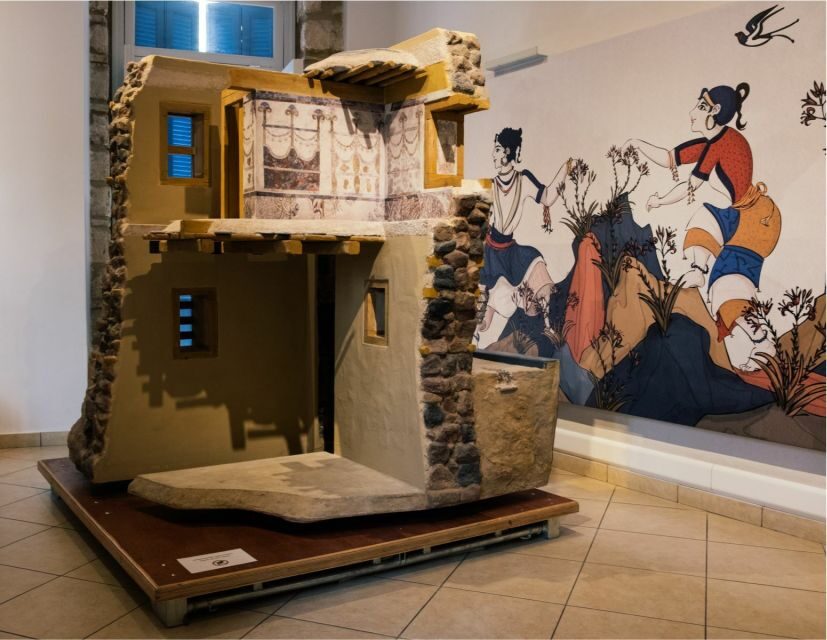
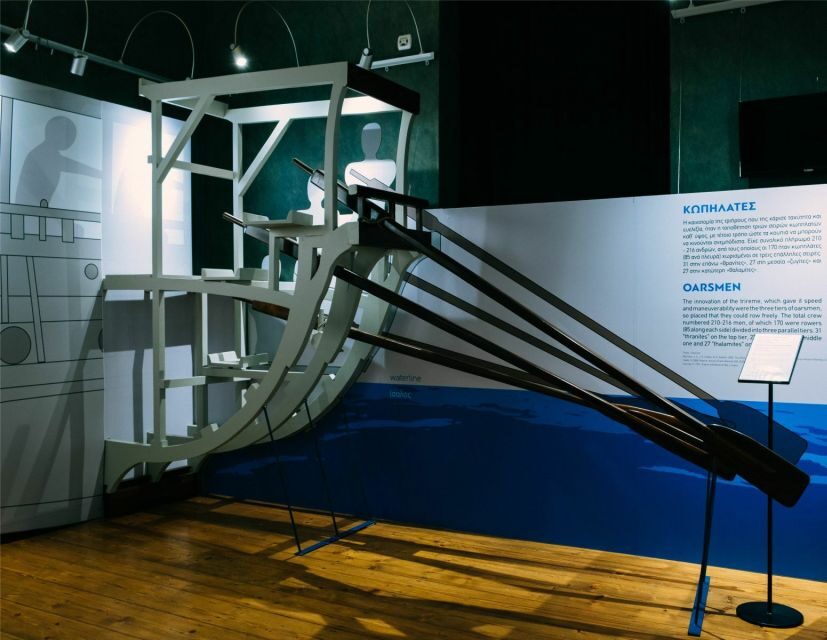
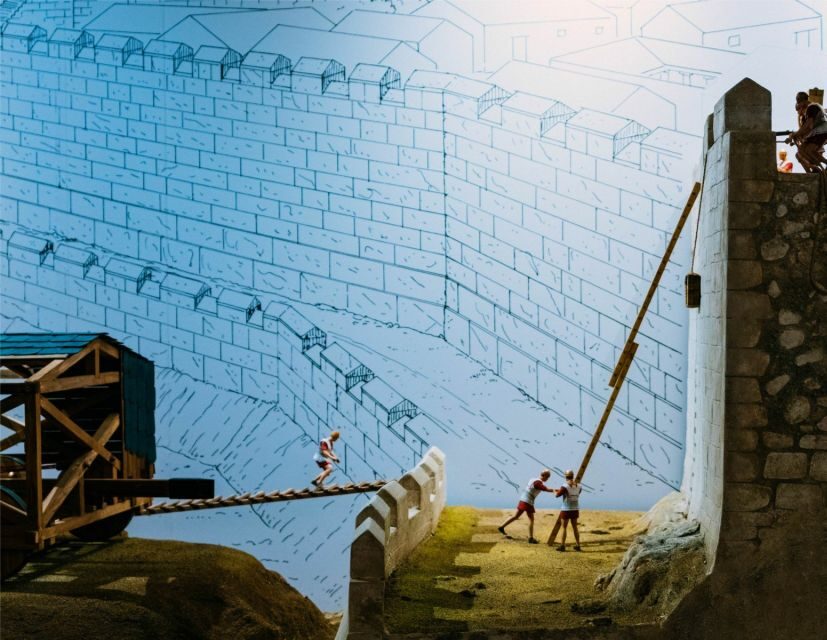
Another standout theme is war techniques—but the museum presents them in a technological way. That’s a useful difference. Instead of focusing only on battles or famous names, it leans toward how Greeks built and used tools, and how practical engineering supported strategy.
This angle can be especially satisfying if you like the intersection between history and design. War technology is often misunderstood as purely violent or purely tactical. Here, you get the chance to see it as problem-solving: how you store, measure, plan, and construct. You may come away thinking about military tech as a form of applied science and engineering—because it was.
One practical note: if your interest in Greek history is mostly cultural or political, the war-tech section could feel more “technical” than you expected. On the flip side, if you like how inventions affect real outcomes, this is where the museum gives you a stronger payoff.
Interactive center of science: what “hands-on” likely means here
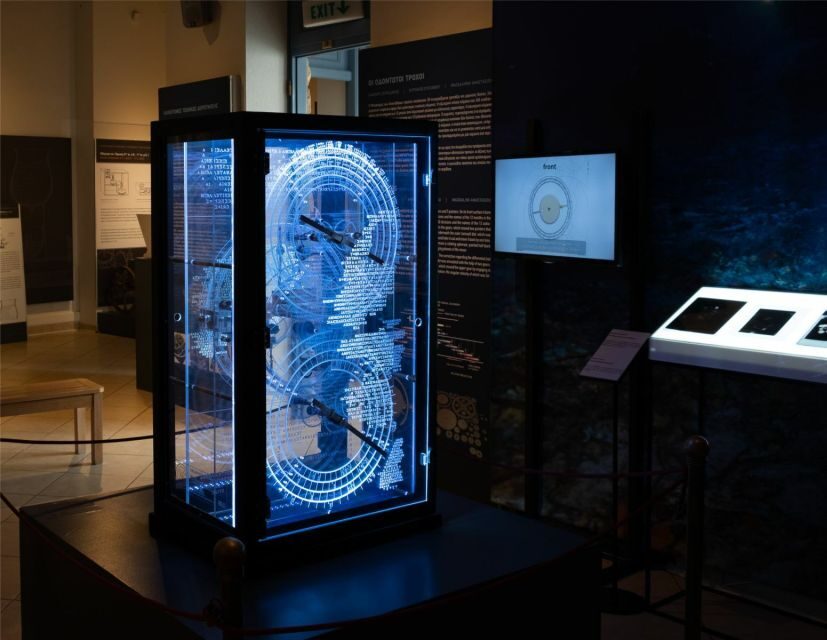
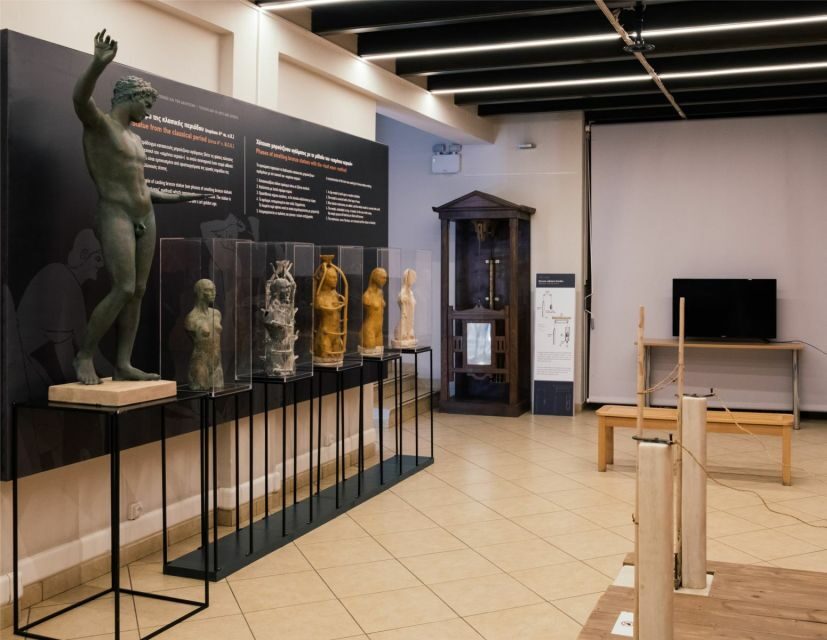
The museum describes itself as an interactive center of science. In practice, that usually means you’ll find exhibits designed to be used with your attention active, not just passive viewing. Even when it’s still objects behind glass, the interpretation is meant to feel like a learning activity rather than a static collection.
A lot of the museum’s educational framing focuses on awakening curiosity—especially for young people and adults via programs that link back to the exhibition theme. That helps explain why the museum uses accessible displays and objects. It’s trying to make ancient achievements readable, even if you don’t have a background in math or engineering.
What to do so it clicks:
- Spend time on the explanatory parts, not only the devices
- Look for connections between exhibits (math concepts reused across different topics)
- When you reach a new artifact, ask what problem it solved and what data it likely depended on
If you do that, you’ll get more out of the museum even if some sections don’t feel equally exciting. The goal is to leave with a stronger sense of Greek technological intelligence, not just a handful of memorable items.
You can also read our reviews of more museum experiences in Athens





Price and value: is $8 a good deal?
At about $8 per person, this ticket price sits in the “budget-friendly” zone for a museum experience, especially one that’s close to major sights like the Acropolis entrance. The value question really depends on your expectations.
Here’s the honest balance. The museum’s concept is broad—science, art, mathematics, and technology in antiquity—so it rewards people who enjoy learning and interpretive exhibits. If that’s you, $8 feels like a fair, low-risk way to spend part of your day and come away with a new mental model of Ancient Greece.
But if your expectation is a high-friction, high-interaction museum experience—like you’re going to be guided through everything with lots of planned engagement—then you might feel less satisfied. The format you have is entry ticket only, with no guided tour included, so you’re doing more of the work yourself.
Also, the rating sits at 3.5 from 19 reviews, which suggests split feelings. Some people likely enjoyed the educational approach; others probably didn’t feel the price matched what they wanted from the visit. I’d treat this museum like a thoughtful, self-directed learning stop rather than a must-see entertainment ride.
Where guided tours fit in—and what you should expect without one
Your ticket is entry only. That means the museum experience is built for you to explore, read, and connect the exhibit dots on your own. There’s no guided tour included with this ticket type.
If you do well with self-guided museums, you’ll likely enjoy the freedom. You can linger at Antikythera Mechanism-related content, then move to war-tech displays, and loop between the two buildings when your brain needs a breather.
If you prefer a guide to translate everything quickly and fill in context, you may need to adjust your approach. In that case, you can still get value by doing your own light prep before you go—especially around the idea of ancient “computation” and mechanical systems. You’ll walk through the exhibits faster because you’ll already know what to look for.
The rules of the building and why they affect your comfort
This isn’t a fussy museum, but it has a clear policy: no smoking and no drinks. That’s pretty standard, yet it matters because it affects how you plan your break. If you need water, you’ll want to do it outside.
The good news: with the museum close to Thisseio and the Acropolis area, you can take a quick pause nearby rather than feeling trapped inside for the whole visit.
A simple “do this, then that” plan for a 1-day ticket
You don’t get a rigid itinerary with this ticket, and that’s part of the freedom. Here’s how I’d shape a smooth day around the museum.
1) Redeem at 16 Herakleidon Street
Start where you collect entry. Do a first pass to identify what you’ll actually prioritize. If Antikythera is your top interest, head toward that topic early so you’re not tired when you reach the biggest learning moment.
2) Build your own connections across exhibits
As you move through the displays, keep the museum’s framing in your head: science, art, mathematics. When you see a device or artifact, ask what it implies about calculation, measurement, or design thinking. That’s the fastest way to turn a museum visit into a real understanding.
3) Walk to the second building at 37 Ap. Pavlou Street
Use the short walk to reset. If you feel like you’re repeating content, switch topics. The museum has more than one focus area, so moving buildings can help you keep your mental momentum.
4) Finish with war-tech artifacts before leaving
If war techniques are part of your interests, save that thread for when you’ve already built up the “Greek tech intelligence” context. You’ll likely get more meaning out of the war artifacts after you’ve seen how math and data connect to engineering in the first place.
Since your ticket is for one day, you can also combine this with the Acropolis without rushing. The location makes it easy to build a coherent day rather than a scattered one.
Who this ticket is best for
This museum is a strong fit if:
- You like the idea of technology history more than political history alone
- You’re curious about how math becomes mechanism
- You enjoy museums that teach through objects and explanations, not just stories
It’s also a good match for adults who like learning, and for people interested in education themes aimed at students and teachers.
It may be a weaker fit if:
- You want a guided tour for context and pacing
- You’re only looking for quick photo stops
- You dislike reading labels and interpretive panels
Should you book the Herakleidon Museum ticket?
I’d book it if you want a low-cost, smart-day stop near Thisseio with a real intellectual hook. $8 is easy to justify when the museum focuses on big ideas—especially the Antikythera Mechanism and the way it ties science, art, and mathematics to how ancient technology worked. The two-building layout also makes the day feel manageable rather than exhausting.
I’d think twice if you’re coming for a fully guided, entertainment-heavy experience. Since this is entry only, you’ll get the most value by leaning into self-guided learning and letting the exhibit themes connect in your head.
If you’re the type of traveler who enjoys museums where you leave with a new way of seeing the past, this one is worth your time.


More Museum Experiences in Athens
More Tickets in Athens



More Tour Reviews in Athens
- All Day Cruise -3 Islands to Agistri,Moni, Aegina with lunch and drinks included
★ 5.0 · 4,958 reviews